A bathroom renovation transforms one of the most used spaces in your home through updates to fixtures, finishes, layout, or structural elements. In Sydney, we see projects range from a $15,000 cosmetic refresh to an $80,000+ full structural rebuild, and understanding where your project sits on that spectrum is the single most important step before you spend a dollar.
This guide covers everything Sydney homeowners need to know about bathroom renovation budgeting. We walk through realistic cost ranges, why labour represents nearly half your budget, which materials deliver the best value, and where hidden costs typically emerge. We also cover budget planning, financing options, timeline expectations, contractor selection, and how to maximise your renovation investment.
What Is a Bathroom Renovation?
A bathroom renovation is a home improvement project that transforms an existing bathroom through updates to fixtures, finishes, layout, or structural elements. The scope ranges from a simple cosmetic refresh to a complete structural rebuild, and knowing where your project falls is essential for accurate budgeting.
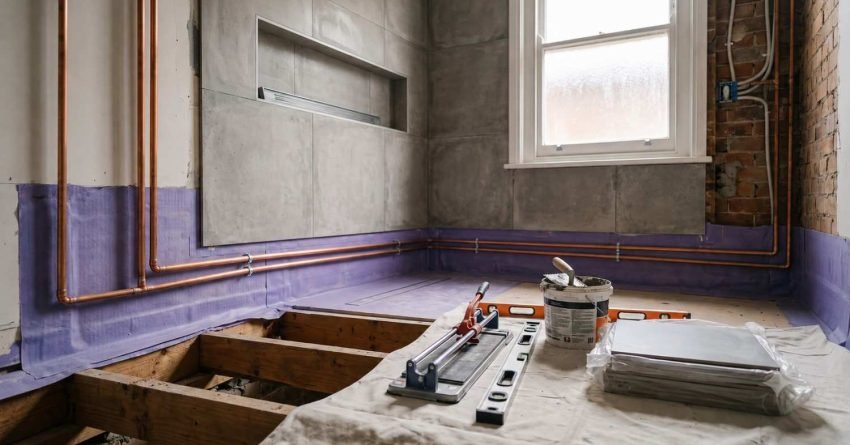
A full renovation involves stripping the bathroom back to the studs, replacing all plumbing and electrical, installing new waterproofing, and rebuilding with entirely new fixtures and finishes. This approach addresses both functional issues and aesthetic preferences, making it the right choice when the existing bathroom has structural problems, outdated plumbing, or a layout that no longer works.
A partial refresh focuses on updating visible elements without touching the underlying infrastructure. This might include replacing tapware, installing a new vanity, retiling walls, or updating lighting. Partial refreshes work well when the existing plumbing and waterproofing are sound, but the bathroom simply looks tired.
The distinction between structural and cosmetic changes affects both cost and complexity. Structural changes involve moving walls, relocating plumbing, or altering the bathroom’s footprint. Cosmetic changes update surfaces and fixtures without modifying the underlying structure. Most budget blowouts occur when homeowners plan for cosmetic work but discover structural issues once demolition begins.
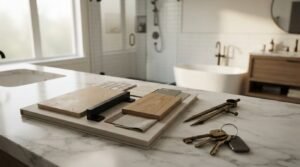
Planning Your Bathroom Layout and Design
Good planning before demolition begins saves money, time, and stress. The decisions we make at the design stage layout, fixture placement, tile selection are far cheaper to change on paper than mid-construction.
Assessing Your Existing Layout
The first question is whether the existing layout works. If the toilet, shower, and vanity are in functional positions and the room flows well, keeping them in place is almost always the right financial decision. Moving a toilet or shower requires extending drainage and water supply lines, which adds $1,500–$4,000 or more in plumbing costs alone.
We look at three things when assessing a layout: natural light, ventilation, and traffic flow. A bathroom that feels cramped often has a fixable layout problem, sometimes as simple as swapping a hinged door for a sliding one or repositioning the vanity.
Working with a Designer vs. Going Direct
For mid-range and high-end renovations, engaging a bathroom designer or interior designer for the planning phase typically costs $500–$2,500 but pays for itself in avoided mistakes. Designers catch conflicts between tile patterns and fixture sizes, identify drainage fall issues before tiling begins, and help you make cohesive selections across tapware, tiles, and cabinetry.
For budget renovations, most homeowners go direct to a contractor who handles design as part of the quoting process. This works well when the scope is straightforward, and the layout is staying put.
Current Bathroom Design Trends in Sydney
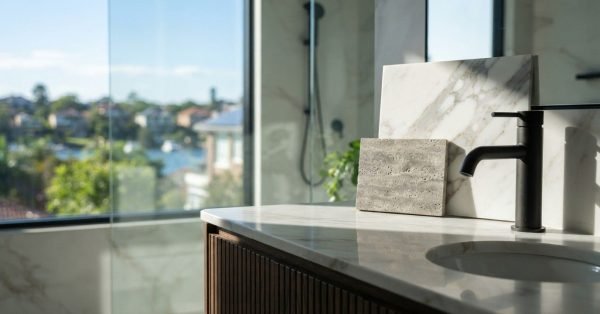
In 2025 and 2026, we’re seeing strong demand for large-format tiles (600mm x 1200mm and larger) , matte black tapware, freestanding baths in master ensuites, and frameless shower screens. Warm neutrals stone, sand, and warm white are replacing the cool greys that dominated the previous decade.
Current bathroom design trends in Sydney can improve resale appeal, but they should never override function. A beautifully on-trend bathroom that lacks storage or has poor ventilation will frustrate its users regardless of how it photographs.
How Much Does a Bathroom Renovation Cost in Sydney?
A bathroom renovation in Sydney typically costs between $15,000 and $80,000 or more, depending on scope, size, and finish quality. This range reflects the significant variation between a basic refresh and a high-end transformation, with most homeowners landing somewhere in the mid-range.
Bathroom Renovation Cost Per Square Metre
Cost per square metre is a useful benchmark, though it has real limitations. A small bathroom concentrates fixed costs trades, waterproofing, compliance into fewer square metres, which pushes the per-metre figure up. A larger bathroom spreads those fixed costs further.
As a working guide, we see these ranges across Sydney projects:
- Budget tier: $1,500–$2,500 per m²
- Mid-range tier: $2,500–$4,000 per m²
- High-end tier: $4,000–$7,000+ per m²
A standard 3m x 2m bathroom (6m²) at mid-range pricing lands at $15,000–$24,000 in materials and fittings alone, before labour. These figures align with Housing Industry Association renovation cost data for the Sydney metro market.
Budget Bathroom Renovation ($15,000–$25,000)
A budget renovation works within existing plumbing locations and focuses on replacing fixtures and finishes without structural changes. At this price point, we’re typically working with builder-grade materials, standard fixtures, and minimal layout modifications. Budget renovations suit investment properties, rental bathrooms, or situations where the existing infrastructure is sound but the space needs updating.
Expect to replace the vanity, toilet, tapware, and shower screen while retiling walls and floors with mid-range tiles. Labour remains the largest cost component even at this level, as licensed trades are required regardless of material quality.
Mid-Range Bathroom Renovation ($25,000–$45,000)
The mid-range is where most Sydney homeowners land. This budget allows for quality fixtures, better tile selections, custom cabinetry, and some flexibility in layout. We can typically relocate a fixture or two, upgrade to frameless shower screens, and select from a broader range of tapware and accessories.
Mid-range renovations often include heated towel rails, quality lighting, and feature tiles. The additional budget also provides more contingency for unexpected issues discovered during demolition.
High-End Bathroom Renovation ($45,000–$80,000+)
High-end renovations involve premium materials, custom design, and often significant structural changes. At this level, we’re selecting from designer fixtures, natural stone tiles, custom joinery, and high-end tapware. Layout changes, including moving walls or expanding the bathroom footprint, become feasible.
These projects typically involve architects or interior designers, extended timelines, and meticulous attention to detail. The upper end of this range extends well beyond $80,000 for large bathrooms with luxury finishes or complex structural work.
Cost Comparison at a Glance
| Variable | Budget ($15k–$25k) | Mid-Range ($25k–$45k) | High-End ($45k–$80k+) |
| Layout changes | None | Minor (1–2 fixtures) | Major (walls, footprint) |
| Tiles | $25–$50/m² | $50–$100/m² | $100–$200+/m² |
| Vanity | Off-the-shelf | Quality off-the-shelf | Custom joinery |
| Shower screen | Framed | Semi-frameless | Frameless |
| Tapware | Standard | Mid-range | Designer |
| Timeline | 3–4 weeks | 4–6 weeks | 6–10+ weeks |
| Contingency needed | 15% | 15–20% | 20%+ |
What Affects Your Final Cost
Several factors push costs up or down within these ranges. Bathroom size matters, but not as much as most people expect. A small bathroom still requires the same trades and many of the same processes as a larger one. The complexity of work, quality of materials, and extent of structural changes have more impact than square metres alone.
Location within Sydney affects labour rates, with inner-city and Northern Beaches projects often commanding premium pricing. Access difficulties, apartments without lifts, or heritage properties with restricted work hours add to costs. The age of your home also matters. Older properties are more likely to have asbestos, outdated plumbing, or structural issues that increase scope once work begins.

How to Finance a Bathroom Renovation in Sydney
Most Sydney homeowners fund bathroom renovations through one of four routes: savings, home equity, personal loans, or renovation-specific finance products. Each has different cost implications for the overall project.
Using Home Equity
Accessing equity through a redraw facility or home equity loan is typically the lowest-cost financing option. Interest rates on equity products are generally lower than personal loans, and the repayment period is more flexible. The trade-off is that you’re securing the debt against your property.
This approach works well for mid-range and high-end renovations where the spend is likely to add measurable value. We generally see homeowners use equity when the renovation budget exceeds $30,000, and the property has sufficient equity headroom.
Personal Loans and Buy Now Pay Later
Personal loans for home renovation typically carry interest rates of 7–15% per annum in the current market. They’re faster to access than equity products and don’t require property security, making them practical for budget renovations or urgent work.
Buy now pay later products have entered the renovation space, with some suppliers offering interest-free periods on fixtures and fittings. These work best for material purchases rather than labour, as most tradespeople don’t accept BNPL payment.
Saving and Staging the Work
For homeowners without equity access or appetite for debt, staging the renovation across two or three phases is a legitimate strategy. We often see clients complete the structural and waterproofing work in phase one, then return for cosmetic upgrades new tapware, vanity, accessories in phase two once savings allow.
Staging works best when the structural work is done the first time correctly. Cutting corners on waterproofing to save money in phase one creates expensive remediation costs in phase two.
Understanding Labour Costs
Labour typically represents 40–50% of a bathroom renovation budget in Sydney, reflecting the multiple licensed trades required and the complexity of wet area work. Understanding why labour costs remain substantial helps us evaluate quotes and set realistic expectations.
Trades Required for a Bathroom Renovation
A standard bathroom renovation requires coordination between five to seven different trades, each with specific licensing requirements and expertise.
Demolition and removal kick off the project, stripping out existing fixtures, tiles, and sometimes walls. This work generates significant waste requiring proper disposal.
Plumbing covers all water supply and drainage work. In NSW, all plumbing must be completed by a licensed plumber who provides compliance certificates. Plumbers typically visit multiple times throughout a project.
Electrical includes lighting, exhaust fans, heated towel rails, and any power points. Like plumbing, electrical work requires a licensed electrician with compliance certification.
Waterproofing is critical in wet areas and must meet Australian Standards. A licensed waterproofer applies membranes to floors and walls, with mandatory inspection and certification before tiling can proceed.
Tiling covers floors, walls, and often shower niches. Quality tiling requires skill and time, particularly with large-format tiles or complex patterns.
Carpentry and joinery includes vanity installation, door adjustments, and any custom cabinetry.
Painting and finishing complete the project with ceiling and trim work.
What Can You DIY and What Requires a Licence in NSW?
This is one of the most common questions we hear, and the answer matters both legally and financially.
In NSW, plumbing, drainage, electrical, gas fitting, and waterproofing work must be completed by a licensed tradesperson. This is not optional; unlicensed work is illegal, voids insurance, and creates serious liability if something goes wrong. NSW Fair Trading maintains a public licence register where you can verify any contractor before work begins.
What homeowners can legally do themselves includes demolition of non-structural elements, painting, installing pre-made flat-pack cabinetry (where no plumbing connection is required), and basic tiling in non-wet areas. In practice, most homeowners find that the time and skill required for quality tiling makes it worth paying a professional, even where it’s technically permitted.
The financial case for DIY is weaker than it appears. Mistakes in tiling, waterproofing preparation, or fixture installation create remediation costs that typically exceed the labour saving.
Why Labour Represents 40–50% of Your Budget
The labour proportion remains high regardless of material quality because the same trades and processes are required whether we’re installing budget or premium fixtures. A plumber spends similar time connecting a $200 toilet and a $2,000 toilet. A tiler takes comparable hours to lay $30 per square metre tiles and $150 per square metre tiles.
Wet area work demands precision. Waterproofing failures lead to costly damage, so the process includes multiple inspections and curing time that cannot be rushed. Coordination between trades requires careful scheduling, as each trade depends on the previous one completing their work correctly.
Sydney’s strong construction market means skilled tradespeople command competitive rates. Quality trades are often booked weeks or months in advance, and rushing to find available contractors can mean compromising on experience or paying premium rates.

Material and Fitting Allowances
Materials and fittings typically account for 30–40% of a bathroom renovation budget, with the remainder split between labour and contingency. Understanding how allowances work helps us make informed selections and avoid budget surprises.
What Are Material Allowances?
Material allowances are budget allocations for specific product categories, allowing you to select items within a defined price range. A renovation quote might include a $2,000 allowance for tiles, a $1,500 allowance for tapware, and a $3,000 allowance for the vanity. You then choose products that fit within these amounts.
If your selections exceed the allowance, you pay the difference. If you come in under, you receive a credit. This system gives flexibility while keeping the overall budget defined.
Tiles, Waterproofing, and Wet Area Materials
Tiles represent one of the largest material costs and offer the widest price range. Budget tiles start around $25–$40 per square metre, mid-range options run $50–$100, and premium tiles can exceed $200 per square metre. The total tile cost depends on both price per metre and the area being covered.
Waterproofing materials are non-negotiable. All wet area waterproofing in Australia must comply with AS 3740 Waterproofing of Domestic Wet Areas, which specifies membrane types, application methods, and minimum coverage heights for floors and walls. A licensed waterproofer applies the membrane, allows mandatory curing time (typically 24–48 hours per coat, with two coats required), and provides a compliance certificate before tiling begins. Quality membranes and correct application protect your home from water damage that can cost tens of thousands to remediate.
Grout, adhesives, and substrate materials add to wet area costs. These items are often included in tiling quotes rather than listed separately.
Fixtures and Fittings
Tapware, showers, toilets, and basins vary enormously in price. A basic mixer tap might cost $150, while a premium designer tap can exceed $1,000. The same spread applies across all fixture categories.
Quality matters for items you touch daily. Tapware, shower mixers, and toilet flush mechanisms benefit from spending a bit more. These items see constant use and cheaper options often fail sooner.
Shower screens range from $400 for a basic framed screen to $2,000 or more for frameless glass. The choice affects both aesthetics and cleaning ease.
Cabinetry and Storage Solutions
Vanities range from $500 for a basic floor-standing unit to $5,000 or more for custom joinery. The choice between off-the-shelf and custom affects both cost and lead time.
Storage solutions like recessed niches, mirrored cabinets, and built-in shelving add functionality but also cost. Planning storage during the design phase is more cost-effective than adding it later.
Water-Saving Fixtures and Energy Efficiency
Sydney homeowners increasingly factor water efficiency into fixture selection, and it’s worth understanding the financial case. WELS-rated (Water Efficiency Labelling and Standards) showerheads and tapware reduce water consumption without sacrificing pressure. A 4-star WELS showerhead uses around 7 litres per minute compared to 15–20 litres for an unrated fixture a meaningful saving on Sydney’s water bills over time.
Heated towel rails and underfloor heating add to upfront cost but improve daily comfort significantly. LED lighting throughout the bathroom reduces ongoing energy costs and has a longer service life than traditional globes. These upgrades are most cost-effective when planned from the start, as retrofitting them after completion is expensive.
Hidden Costs That Blow Budgets
Hidden costs are the most common reason bathroom renovations exceed their original budget. These expenses are discovered rather than predicted, typically emerging once demolition exposes what lies behind walls and under floors.
Asbestos and Hazardous Material Removal
Homes built before 1990 may contain asbestos in wall sheeting, floor tiles, or adhesives. Asbestos cannot be identified visually and requires testing. If found, licensed removal is mandatory and Asbestos removal costs typically $2,000–$5,000 or more depending on the extent.
Lead paint is another concern in older homes. While less common in bathrooms than living areas, it can appear in painted surfaces and requires proper handling.
Plumbing and Electrical Upgrades
Older homes often have plumbing and electrical systems that no longer meet current codes. Galvanised steel pipes may need replacement with copper or PEX. Electrical wiring might require upgrading to support modern loads and safety requirements.
These upgrades are not optional. Licensed tradespeople cannot connect new fixtures to non-compliant infrastructure. The cost depends on the extent of work required, ranging from a few hundred dollars for minor updates to several thousand for significant upgrades.
Relocating fixtures adds to plumbing costs. Moving a toilet, shower, or vanity requires extending or rerouting pipes, which increases both labour and material expenses.
Structural Repairs and Water Damage
Water damage is common in bathrooms, particularly around showers and baths. Damage is often not visible until tiles are removed, revealing rotted framing, damaged subfloors, or compromised wall studs.
Structural repairs can add $1,000–$10,000 or more to a project, depending on severity. Subfloor replacement is particularly costly as it affects the entire bathroom footprint.
Termite damage occasionally appears during bathroom renovations, particularly in ground-floor bathrooms of older homes. Treatment and repair costs vary widely based on extent.
How to Prepare for Hidden Costs
The best protection is building contingency into your budget from the start. A minimum 15% contingency above your planned spend provides a buffer for common discoveries. For older homes or bathrooms with known issues, consider 20% or more.
Pre-demolition inspections can identify some issues before work begins. A plumber can camera-scope drains to check condition. An electrician can assess the existing system. These inspections add upfront cost but reduce surprise potential.
This is the reality of renovation work. Hidden costs are discovered, not predicted.

Creating a Realistic Bathroom Renovation Budget
A realistic budget accounts for all cost components, builds in contingency, and aligns spending with your priorities. The difference between a successful renovation and a stressful one often comes down to planning.
The 15% Contingency Rule
Every bathroom renovation budget should include a minimum 15% contingency above your planned spend. This buffer covers hidden costs, scope changes, and unexpected complications that arise during construction.
For a $30,000 planned renovation, budget $34,500 total. For a $50,000 project, plan for $57,500. This contingency is not extra spending money; it’s protection against the unknowns that emerge in nearly every renovation.
If you complete the project without touching the contingency, you’ve either been fortunate, or your contractor built adequate allowances into the original quote. Either way, having the buffer available prevents the stress of scrambling for funds mid-project.
Prioritising Spend for Maximum Impact
Not all renovation spending delivers equal value. Prioritising high-impact items ensures your budget works hardest where it matters most.
Waterproofing and structural work should never be compromised. These elements protect your home and are expensive to fix if done poorly. Allocate adequate budget here regardless of overall project size.
Fixtures you touch daily benefit from quality spending. Tapware, shower mixers, and toilet mechanisms see constant use. Quality items feel better, last longer, and are worth the premium.
Tiles and surfaces have the biggest visual impact. Spending more on tiles often delivers better value than upgrading fixtures, as tiles cover the largest visible area.
Accessories and finishing touches can be upgraded later. Towel rails, toilet roll holders, and mirrors are easy to swap without major work.
Where to Save Without Sacrificing Quality
Smart savings come from understanding where quality matters less, not from cutting corners on critical elements.
Standard fixture sizes cost less than custom or unusual dimensions. A standard 900mm vanity is more affordable than a custom 850mm unit.
Off-the-shelf cabinetry from quality manufacturers often matches custom joinery in appearance at lower cost. The trade-off is less flexibility in sizing and configuration.
Mid-range tiles in larger formats can look more expensive than they are. Larger tiles mean fewer grout lines and a cleaner appearance.
Keeping fixtures in existing locations avoids plumbing relocation costs. If the current layout works, maintaining it saves significant expense.
Bathroom Renovation Timeline and Planning
Understanding realistic timelines helps us plan around the disruption and make decisions that keep a project on track. Bathroom renovations take longer than most homeowners expect, and delays have budget implications.
Typical Project Duration
A standard bathroom renovation takes in Sydney 3–6 weeks from demolition to completion. This timeline assumes no major complications and reasonable availability of trades and materials.
The breakdown typically looks like this:
| Phase | Duration |
| Demolition and preparation | 2–3 days |
| Plumbing rough-in | 1–2 days |
| Electrical rough-in | 1 day |
| Waterproofing application and curing | 3–5 days |
| Tiling | 3–5 days |
| Fixture installation | 2–3 days |
| Finishing and cleanup | 1–2 days |
Gaps between trades add to the timeline. A tiler cannot start until waterproofing has cured and been inspected. Fixtures cannot be installed until tiling is complete. These dependencies mean the calendar duration exceeds the sum of individual tasks.
Factors That Extend Timelines
Several factors push timelines beyond the standard range.
Structural changes add complexity and time. Moving walls, expanding footprints, or relocating multiple fixtures extend the project significantly.
Custom orders require lead time. Custom vanities, imported tiles, or specialty fixtures may take weeks to arrive. Ordering early prevents delays.
Hidden issues discovered during demolition require assessment and remediation before work can proceed. Asbestos removal, structural repairs, or plumbing upgrades all add time.
Trade availability affects scheduling. In Sydney’s busy construction market, coordinating multiple trades can be challenging. Delays with one trade cascade through the schedule.
How Delays Affect Your Budget
Extended timelines increase costs in several ways. Additional site visits, extended equipment hire, and prolonged project management all add expense. If you’re renting alternative accommodation during the renovation, delays directly increase that cost.
More significantly, delays often indicate scope changes or complications that carry their own costs. A two-week delay for structural repairs means both the time and the repair expense.

Choosing the Right Contractor
The contractor you choose has more impact on your renovation outcome than almost any other decision. A skilled, communicative contractor delivers better results, fewer surprises, and a smoother experience.
What to Look for in a Bathroom Renovation Specialist
Licensing and insurance are non-negotiable. In NSW, contractors performing work over $5,000 must hold a contractor licence. Verify the licence is current and covers the work being performed through the NSW Fair Trading licence register. Confirm public liability and workers compensation insurance are in place.
Bathroom-specific experience matters. Wet area work has unique requirements around waterproofing, drainage, and compliance. A contractor who primarily builds decks or does general carpentry may lack the specific expertise bathroom renovations demand.
Communication style affects your experience throughout the project. During initial consultations, assess how clearly the contractor explains processes, answers questions, and sets expectations. Poor communication early often predicts problems later.
References and portfolio provide evidence of past performance. Ask for contacts from recent bathroom projects and follow up. Look at completed work if possible, either in person or through detailed photos.
Understanding Quotes and Contracts
A quality quote should be detailed and transparent. Vague quotes with single line items make it difficult to understand what’s included and compare between contractors.
Look for quotes that break down:
- Labour costs by trade or phase
- Material allowances by category
- Specific inclusions and exclusions
- Timeline estimates
- Payment schedule
- Warranty terms
Watch for red flags in quotes: no mention of waterproofing compliance, no allowance for waste removal, no variation clause, or a payment schedule that front-loads more than 10% deposit. These are signs of a contractor who either doesn’t understand the full scope or is structuring the contract in their favour.
The cheapest quote is rarely the best value. Significantly lower quotes often indicate missing scope, lower quality materials, or a contractor who will seek variations once work begins.
Contracts should clearly define the scope of work, payment terms, timeline, and process for handling variations. Read contracts carefully before signing and ask questions about anything unclear. A legitimate contractor welcomes questions; it’s a sign you’re engaged and informed.
Maximising Return on Your Renovation Investment
Bathroom renovations can add significant value to your property, but the return depends on how you approach the project. Different goals require different strategies.
Owner-Occupier vs. Investment Property Priorities
Owner-occupiers renovate for both enjoyment and value. You’ll use the bathroom daily, so personal preferences matter. Spending more on features you’ll appreciate makes sense even if the return on investment is lower. A heated floor or premium tapware might not add equivalent value to your property, but the daily enjoyment may justify the cost.
Property investors should focus on return. The goal is maximising rental appeal or resale value relative to spend. This means prioritising durability, broad appeal, and cost-effective finishes over personal taste or luxury features.
The risk for both groups is overcapitalisation: spending more on the renovation than it adds to property value. This risk is higher in lower-value properties or areas where the market doesn’t reward premium finishes.
Upgrades That Add Genuine Value
Certain improvements consistently deliver strong returns.
Functional improvements that fix genuine problems add value. Replacing a dysfunctional layout, fixing water damage, or updating non-compliant plumbing addresses issues that affect property value and buyer confidence.
Modern fixtures and finishes that replace dated elements have strong appeal. A bathroom that looks like it belongs in the current decade attracts buyers and tenants.
Quality waterproofing and tiling provide peace of mind. Buyers and valuers recognise quality wet area work and factor it into their assessments.
Adequate storage appeals to most users. A bathroom with good storage functions better and shows better.
What Doesn’t Add Proportional Value
Some upgrades cost more than they return.
Ultra-premium fixtures in modest properties rarely return their cost. A $3,000 tap in a $600,000 apartment adds less value than the same tap in a $2,000,000 house.
Highly personalised design choices may not appeal to future buyers. Bold tile patterns or unusual colour schemes can limit appeal.
Excessive scope expansion often overcapitalises. Adding a second bathroom or significantly expanding footprint may not return the investment, particularly in established areas with defined price ceilings.
Permits and Compliance in NSW
Most bathroom renovations in NSW don’t require council approval, but all work must comply with relevant standards and regulations. Understanding the requirements protects you from compliance issues and ensures your renovation is properly certified.
When Permits Are Required
Council approval is typically required when your renovation involves:
- Structural changes to load-bearing walls
- Changes to the building’s footprint
- Work affecting heritage-listed properties
- Significant changes to plumbing or drainage that affect council infrastructure
Standard bathroom renovations that maintain the existing footprint and don’t involve structural changes generally proceed without council permits.
FURTHER READING
► Bathroom Renovation Regulations NSW: A Complete Guide
► How to Get a Building Permit for Bathroom Renovation NSW
Compliance Requirements
Even without council permits, several compliance requirements apply.
Plumbing compliance is mandatory. All plumbing work must be completed by a licensed plumber who provides a Certificate of Compliance. This certificate confirms the work meets the Plumbing Code of Australia and relevant Australian Standards.
Electrical compliance follows similar requirements. Licensed electricians must complete all electrical work and provide compliance certificates.
Waterproofing certification is required for wet areas. Waterproofing must meet AS 3740 and be inspected before tiling. The waterproofer provides certification that the membrane has been correctly applied.
These certificates are important documentation. They’re required for insurance claims, may be requested during property sales, and provide evidence that work was completed to standard.
Working with Licensed Trades
Using licensed tradespeople is not optional for plumbing, electrical, and waterproofing work. Beyond the legal requirement, licensed trades carry insurance, follow current standards, and provide the certifications your renovation needs.
Verify licences through the NSW Fair Trading website before work begins. Confirm the licence covers the specific work being performed and is current.

Bathroom Renovation Planning Checklist
Use this checklist to track your renovation from planning through to completion. Ticking these off in order prevents the most common mistakes we see on Sydney projects.
Before You Start
- Define your scope: full renovation or partial refresh?
- Set your total budget including 15–20% contingency
- Decide on financing approach (savings, equity, loan)
- Assess whether your layout needs to change
- Test for asbestos if your home was built before 1990
Design and Planning
- Confirm fixture positions (moving them adds cost)
- Select tiles, tapware, vanity, and fixtures within your allowances
- Order custom items early (lead times of 4–8 weeks are common)
- Engage a designer if your budget is $35,000+
Contractor Selection
- Get at least three detailed, itemised quotes
- Verify all contractor licences via NSW Fair Trading
- Confirm public liability and workers’ compensation insurance
- Review the contract variation clause before signing
- Confirm the payment schedule (no more than 10% deposit)
During Construction
- Confirm waterproofing inspection before tiling begins
- Keep a record of all variations in writing
- Collect all compliance certificates (plumbing, electrical, waterproofing)
- Do a final walkthrough before making the last payment
After Completion
- File all compliance certificates with your home records
- Register any product warranties
- Note the defects liability period in your contract
Conclusion
A successful bathroom renovation combines realistic budgeting, quality planning, and the right professional partners. Understanding cost structures, building adequate contingency, and prioritising spend where it matters most positions you for a renovation that delivers lasting value.
The knowledge in this guide equips you to evaluate quotes confidently, ask informed questions, and make decisions that align with your goals. Whether you’re updating a tired bathroom or undertaking a complete transformation, preparation is the foundation of success.
At Sydney Home Renovation, we help homeowners navigate bathroom renovations with transparent pricing, clear communication, and construction expertise that keeps projects on budget and on schedule. Get in touch to discuss your project and receive a detailed, itemised quote with no surprises.
Frequently Asked Questions
How much does a small bathroom renovation cost in Sydney?
A small bathroom renovation in Sydney typically costs $15,000–$30,000 depending on scope and finish quality. Size has less impact than you’d expect because the same trades and processes are required regardless of square metres.
What is the most expensive part of a bathroom renovation?
Labour is typically the most expensive component, representing 40–50% of total cost. The multiple licensed trades required for wet area work plumbers, electricians, waterproofers, and tilers drive this proportion.
How long does a bathroom renovation take in Sydney?
A standard bathroom renovation takes 3–6 weeks from demolition to completion. Structural changes, custom orders, and hidden issues discovered during demolition can extend this timeline.
Should I renovate my bathroom before selling?
A dated or dysfunctional bathroom can deter buyers and reduce offers. Renovating before sale often returns 50–70% of the cost in added value, with higher returns when addressing genuinely problematic bathrooms.
What is a realistic contingency for a bathroom renovation?
Budget a minimum 15% contingency above your planned spend. For older homes or bathrooms with known issues, consider 20% or more to cover hidden costs discovered during demolition.
Can I live in my house during a bathroom renovation?
Yes, most homeowners remain in their home during a bathroom renovation. You’ll need access to another bathroom or toilet, and should expect noise, dust, and disruption during work hours.
Do I need council approval for a bathroom renovation in NSW?
Most bathroom renovations don’t require council approval unless they involve structural changes or affect the building’s footprint. All plumbing, electrical, and waterproofing work must be completed by licensed trades with compliance certificates.
How do I find a licensed bathroom renovator in Sydney?
Search the NSW Fair Trading licence register to verify any contractor’s licence before engaging them. Look for a contractor licence covering building work, and confirm their plumber, electrician, and waterproofer are also individually licensed.
What is the difference between a bathroom renovation and a fitout?
A renovation updates or replaces elements in an existing bathroom. A fitout installs a bathroom in a space that previously had none common in new builds, extensions, or conversions. Fitouts typically cost more because all infrastructure must be installed from scratch.