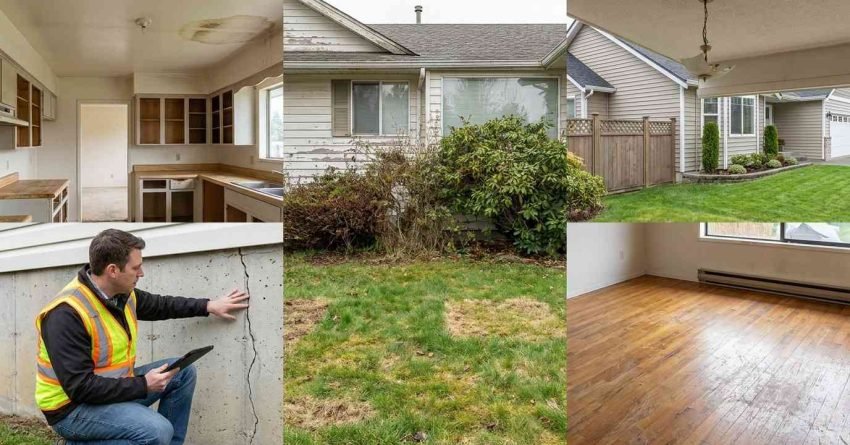
Deferred maintenance and structural defects hurt a home appraisal the most. When an appraiser walks through your property, they are assessing condition, functionality, and market position simultaneously. Any visible sign of neglect, damage, or outdated systems signals risk — and risk lowers value. In Sydney’s competitive property market, where comparable sales set a high benchmark, the gap between a well-maintained home and a neglected one can translate into tens of thousands of dollars on the final appraisal figure.
The Factors That Damage a Home Appraisal the Most
A home appraisal is damaged most severely by physical condition issues — specifically deferred maintenance, structural defects, and systems that are no longer functional or compliant. These are the factors appraisers are trained to identify, document, and adjust for. Unlike cosmetic preferences, condition-based deductions are objective, consistent, and difficult to argue against once the appraiser has recorded them.
Structural and Maintenance Issues
Structural problems sit at the top of every appraiser’s concern list. Foundation cracking, roof deterioration, rising damp, and timber pest damage are not cosmetic — they represent ongoing liability. Appraisers apply downward adjustments for these conditions because they affect the property’s liveability, insurability, and resale potential.
Deferred maintenance compounds the problem. A single leaking tap is minor. A pattern of unaddressed repairs — peeling paint, broken gutters, cracked tiles, failing seals around wet areas — signals to an appraiser that the property has not been actively maintained. That pattern carries more weight than any individual defect.
Outdated or Damaged Interior Conditions
Interior condition directly influences appraised value, particularly in kitchens and wet areas. Appraisers compare your property against recent comparable sales. If those comparables feature renovated bathrooms and modern kitchens, your unrenovated or damaged equivalents create a measurable gap.
Bathroom and kitchen condition ranks among the most scrutinised interior factors in residential appraisals — not because appraisers are subjective, but because buyers consistently pay more for functional, updated wet areas, and the sales data reflects that premium.
Flooring damage, water staining, mould, and non-compliant electrical or plumbing fixtures also trigger adjustments. These are not style preferences — they are condition flags with documented market impact.
The core appraisal damage factors are well established. Where homeowners gain the most control is in preparing your home before an appraisal — addressing the conditions that are within reach before the appraiser arrives.
Location and Market Factors That Appraisers Cannot Ignore
Not every appraisal factor is within a homeowner’s control. Location-based variables are fixed — but they still shape the final figure significantly.
How Sydney’s Property Market Affects Appraisal Outcomes
In Sydney, proximity to transport corridors, school catchment zones, and coastal or harbour access creates strong price stratification between suburbs. Appraisers use recent comparable sales within the same suburb or immediate precinct. If your property sits on a busy arterial road, backs onto commercial zoning, or lacks off-street parking in an area where parking is scarce, those factors produce consistent downward pressure on appraised value.
Noise exposure, easements, and flood or bushfire overlays are also disclosed and factored in. These are not negotiable. What is negotiable is ensuring your property’s physical condition does not add avoidable deductions on top of location-based ones.
What Homeowners Often Overlook Before an Appraisal
Most homeowners focus on presentation — cleaning, decluttering, and minor cosmetic touch-ups. These matter, but they are not what moves the appraisal figure. What appraisers actually adjust for are functional and structural conditions that photographs and surface cleaning cannot conceal.
Permit compliance is frequently overlooked. Unapproved extensions, pergolas, or garage conversions can create legal liability that appraisers are required to note. In some cases, unapproved work reduces appraised value below what the unmodified property would have achieved.
Energy efficiency features are increasingly relevant in Sydney appraisals. Solar systems, insulation upgrades, and water-saving fixtures are now recognised in comparable analysis as value-adding upgrades that appraisers recognise when supported by recent sales evidence.
Odour, pest activity, and visible mould are also consistently underestimated. These trigger immediate condition flags and, in some cases, require the appraiser to recommend further inspection before the valuation can be finalised.
Conclusion
Structural defects, deferred maintenance, and poor interior condition hurt a home appraisal the most — and each is measurable, documented, and reflected directly in the final figure.
For Sydney homeowners and investors, addressing these factors before an appraisal is not cosmetic preparation — it is financial strategy that protects and maximises your property’s assessed value.
At Sydney Home Renovation, we help you identify and resolve the condition issues that cost you the most at appraisal time — with honest advice, quality workmanship, and results built to last.
Frequently Asked Questions
Does a messy house affect an appraisal?
Clutter and cleanliness have minimal direct impact. Appraisers assess condition and structure, not tidiness. However, excessive mess can obscure defects or signal neglect, which may prompt closer inspection of maintenance issues.
What adds the most value to a home appraisal?
Structural integrity, functional kitchens and bathrooms, compliant electrical and plumbing systems, and recent comparable renovations add the most measurable value. Location-driven factors like school zones and transport access also carry significant weight.
How much can deferred maintenance lower an appraisal?
The reduction varies by severity and market. A pattern of unaddressed maintenance can lower an appraisal by anywhere from a few thousand dollars to well above market expectations, particularly when structural issues are involved.
Do renovations always increase appraisal value?
Not always. Renovations increase appraised value when they align with what comparable buyers in your suburb are paying for. Over-capitalising beyond the suburb’s price ceiling rarely returns full renovation cost in the appraisal figure.
Can you dispute a low home appraisal in Sydney?
Yes. You can request a review by providing evidence of comparable sales the appraiser may have overlooked. Engaging a second independent valuer is also an option, though lenders are not obligated to accept a revised figure.