Structural defects, poor location, and neglected maintenance are the factors that devalue a house the most in Australia. Whether you are preparing to sell, planning a renovation, or assessing an investment property, understanding what drives property devaluation protects your financial position. Some factors are beyond your control. Many are not. Knowing the difference between the two helps you make smarter decisions about where to spend, what to fix, and what risks to price into any property transaction.
The Factors That Devalue a House the Most in Australia
Structural problems, location disadvantages, and visible neglect consistently produce the steepest property value losses in the Australian market. Buyers and valuers assess these factors immediately. When multiple issues appear together, the compounding effect on price can be severe. Addressing even one significant devaluation factor before sale or valuation can meaningfully shift the outcome.
Structural and Building Defects
Structural defects are the single most damaging category for Australian property values. Foundation movement, subsidence, rising damp, roof failure, and termite damage all trigger immediate concern during building inspections. Buyers either walk away or demand significant price reductions to offset repair costs and perceived risk.
In older Australian homes, asbestos-containing materials add another layer of complexity. Remediation costs are high, and the presence of asbestos alone can deter a significant portion of the buyer pool. Plumbing and electrical systems that fall outside current Australian Standards also reduce value, particularly when buyers factor in the cost of bringing them up to compliance.
A pre-purchase building inspection that returns a long defect list is one of the fastest ways a negotiated sale price collapses. Sellers who address structural issues before listing consistently achieve stronger outcomes than those who leave them for buyers to discover.
Location-Based Devaluation Factors
Location factors are the devaluation risks that no renovation can fix. Proximity to industrial sites, flight paths, major arterials, or high-voltage powerlines consistently suppresses property values across Australian markets. Flood zone classification and bushfire attack level ratings have become increasingly significant, particularly as insurance costs rise and lender risk assessments tighten.
Neighbourhood decline also plays a measurable role. High vacancy rates, rising crime statistics, or the closure of local amenities such as schools, transport links, and retail precincts all reduce buyer demand and compress prices over time. In Sydney specifically, zoning changes that allow higher-density development adjacent to established residential streets have created localised devaluation pressure for affected properties.
Understanding the location risk profile of a property before purchasing or renovating is essential for any investor or homeowner planning to protect long-term value.
Knowing what causes devaluation is the foundation. How targeted upgrades recover lost value depends on which factors are present and how strategically the response is planned.
Cosmetic and Maintenance Issues That Hurt Property Value
Structural and location risks cause the deepest devaluation, but cosmetic neglect and deferred maintenance consistently reduce buyer confidence and sale prices across all Australian property segments. These are the factors most within a homeowner’s control, and they are also the most cost-effective to address before going to market.
Outdated Interiors and Neglected Renovations
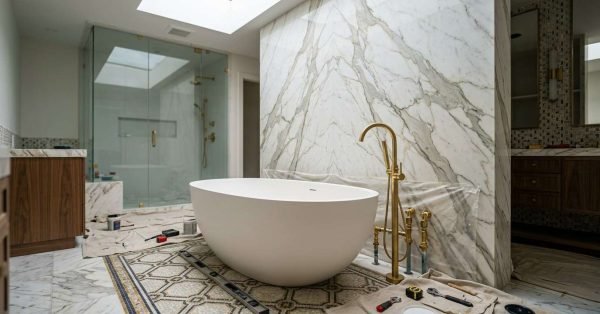
Kitchens and bathrooms carry disproportionate weight in Australian buyer decision-making. An outdated bathroom with original 1980s or 1990s fittings, cracked tiles, poor ventilation, or visible mould signals broader neglect to buyers and valuers alike. The same applies to kitchens with worn cabinetry, dated benchtops, and failing appliances.
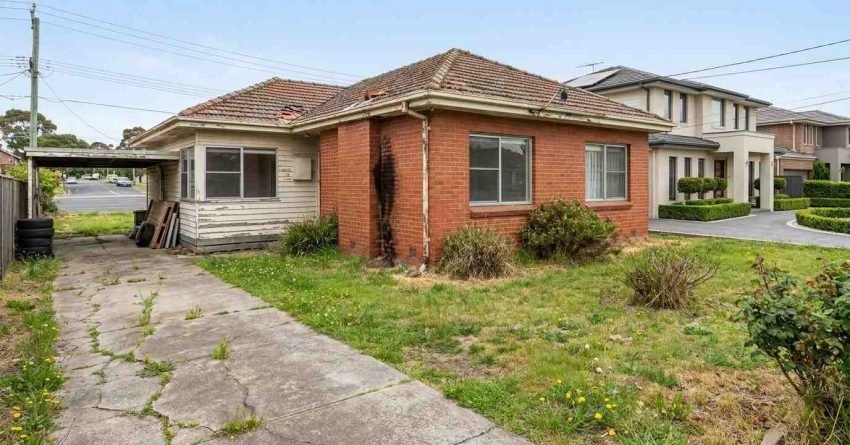
Beyond wet areas, peeling paint, damaged flooring, broken fixtures, and overgrown gardens all reduce perceived value before a buyer even steps inside. First impressions in Australian real estate are formed quickly, and properties that present poorly attract lower offers and longer days on market.
A well-executed bathroom renovation delivers measurable return in the Australian market, particularly when the scope targets the specific elements buyers and valuers assess most critically.
Legal, Environmental, and Neighbourhood Risks
Unapproved building works are a significant and often overlooked devaluation factor in Australia. Structures built without council approval, or renovations completed without the required development consent, create legal liability for the seller and financing complications for the buyer. Lenders may refuse to approve mortgages on properties with unapproved structures, which immediately narrows the buyer pool.
Environmental contamination, including soil contamination from previous land use, underground storage tanks, or proximity to former industrial sites, can render a property difficult or impossible to sell at market value. Strata properties face additional risks from poorly managed owners corporations, significant special levies, or unresolved building defects within the common property.
Neighbourhood-level risks such as high rental density, short-term letting saturation, or a concentration of distressed sales in the immediate area also suppress individual property values, regardless of the condition of the home itself.
Conclusion
Structural defects, location disadvantages, and visible neglect are the factors that devalue Australian homes most severely. Each category carries different levels of risk and different remediation options.
For homeowners and investors, the priority is identifying which factors apply and acting on those within your control. Understanding what to prioritise before listing can be the difference between a strong sale result and a prolonged, discounted campaign.
At Sydney Home Renovation, we help homeowners and investors address the renovation factors that protect and recover property value, with honest advice, quality workmanship, and clear pricing from the start.
Frequently Asked Questions
Does a bad bathroom devalue a house in Australia?
Yes. Outdated, damaged, or poorly maintained bathrooms reduce buyer confidence and sale prices. Australian buyers consistently rank bathrooms among the highest-priority spaces when assessing property condition and value.
How much can structural issues reduce property value in Australia?
Structural defects can reduce property value by 10% to 25% or more, depending on severity. Foundation problems, termite damage, and roof failure typically produce the largest price reductions during buyer negotiations.
Does location affect property devaluation more than condition?
In most cases, yes. Location factors such as flood zones, flight paths, and industrial proximity are permanent and cannot be remediated. Poor condition can be improved through renovation, making location the harder devaluation risk to overcome.
Can renovating increase value after devaluation factors appear?
Renovation can recover value lost to cosmetic neglect and outdated interiors. It cannot offset location-based risks or unresolved structural defects. Targeted renovations in kitchens, bathrooms, and presentation areas deliver the strongest return in the Australian market.
What do Australian buyers consider the biggest turn-offs in a property?
Building inspection failures, unapproved structures, visible mould or water damage, outdated wet areas, and poor street appeal consistently rank as the most significant buyer deterrents in the Australian residential market.