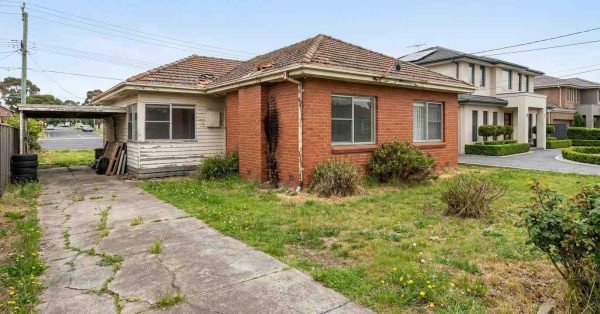
Structural damage, deferred maintenance, and poor-quality renovations decrease property value the most — often by more than any market shift or economic condition. In Sydney’s competitive property market, these factors can quietly erode equity long before a sale, valuation, or refinance reveals the damage.
Understanding what drives value down is the first step toward protecting what you have built. Whether you are an owner-occupier, a landlord managing an investment property, or a first-time renovator planning your next upgrade, knowing the highest-risk factors gives you a clear framework for where to act first and where to spend wisely.
The Property Factors That Cause the Steepest Value Declines
Structural problems, neglected maintenance, and substandard renovation work consistently rank as the most damaging factors to residential property value. Unlike location or market conditions, these are within a property owner’s control — which makes them both the biggest risk and the clearest opportunity.
Structural Damage and Deferred Maintenance
Structural issues cause some of the most severe property value reductions of any factor. Foundation movement, roof deterioration, rising damp, and water ingress do not just cost money to repair — they signal systemic neglect to buyers, valuers, and lenders. A property with visible structural compromise will attract lower offers, tighter lending conditions, and longer time on market.
The cost of deferred maintenance compounds quickly, particularly in Sydney’s climate where moisture, heat, and coastal salt air accelerate deterioration in roofing, timber framing, and external cladding. What begins as a minor roof leak or cracked render can progress into structural timber damage within a single wet season if left unaddressed.
Buyers and valuers apply a disproportionate discount to properties with deferred maintenance. The perceived cost of repair almost always exceeds the actual cost — meaning the value loss is typically greater than the repair bill itself.
Poor Renovation Quality and Unpermitted Work
Low-quality renovation work is one of the most underestimated causes of property value decline. Poorly executed tiling, mismatched finishes, amateur plumbing or electrical work, and cosmetic shortcuts are immediately visible to experienced buyers and building inspectors. Rather than adding value, these renovations signal risk and raise questions about what else may have been done without proper care.
Unpermitted renovation work carries a separate and serious risk. In Sydney, council-approved permits are required for structural changes, bathroom relocations, and electrical or plumbing alterations. Unpermitted work can void insurance, complicate conveyancing, and require costly rectification before a property can be sold or refinanced. Buyers and their solicitors increasingly scrutinise council records — and undisclosed unpermitted work can collapse a sale or trigger significant price renegotiation.
Renovation quality is not just about aesthetics. It is about compliance, longevity, and the confidence a buyer or valuer places in the property’s condition.
Structural decline and renovation failures explain the steepest value drops — but they are also the most recoverable. Value-adding renovation upgrades targeted at high-impact areas like bathrooms and kitchens can reverse much of this damage when planned and executed correctly.
Location-Based and Environmental Factors Beyond Your Control
Not every value-reducing factor is fixable. Location and environmental conditions sit outside a property owner’s direct control, but understanding them helps you make smarter decisions about where to invest renovation spend and how to position a property for sale.
Neighbourhood Decline, Noise, and Proximity Issues
Proximity to high-traffic roads, flight paths, industrial zones, or commercial developments consistently suppresses residential property values. In Sydney, properties within established noise corridors near major arterials or under flight paths to Sydney Airport can carry measurable value discounts compared to equivalent properties in quieter streets.
Neighbourhood-level decline — including rising vacancy rates, reduced amenity, or changes in local infrastructure — also affects individual property values regardless of the property’s own condition. Conversely, gentrification and infrastructure investment can lift values in previously underperforming suburbs, which is why location trajectory matters as much as current location quality when assessing investment risk.
These factors cannot be renovated away. They can, however, be offset by ensuring the property itself is in exceptional condition — removing every controllable negative from the equation.
How Presentation and Kerb Appeal Accelerate Value Loss
A property’s visual presentation at the point of sale or valuation has a direct and measurable impact on perceived value. Overgrown gardens, peeling paint, damaged fencing, stained driveways, and dated facades create a negative first impression that buyers carry through the entire inspection. This is not superficial — it shapes the price a buyer is willing to offer before they have stepped inside.
In Sydney’s auction-driven market, kerb appeal influences competitive bidding behaviour. Properties that present poorly attract fewer registered bidders, which reduces competitive tension and final sale prices. The cost of addressing kerb appeal — fresh paint, landscaping, pressure cleaning, and minor facade repairs — is almost always a fraction of the value it protects or recovers.
Presentation is the fastest and most cost-effective lever available to property owners preparing for sale, refinance, or rental assessment.
Conclusion
Structural damage, poor renovation quality, and neglected maintenance cause the steepest property value declines — and all three are within a property owner’s control to address.
For Sydney homeowners and investors, the clearest path to protecting equity is prioritising high-impact, quality-executed upgrades in areas like bathrooms and kitchens before value erosion becomes visible to the market.
At Sydney Home Renovation, we help you renovate with confidence — delivering quality workmanship, transparent pricing, and results that protect and grow your property’s long-term value.
Frequently Asked Questions
Does a bad bathroom decrease property value?
Yes. An outdated, damaged, or poorly renovated bathroom signals neglect and reduces buyer confidence. In Sydney, bathrooms are among the highest-weighted rooms in property valuations and buyer decision-making.
How much can deferred maintenance reduce a home’s value?
Deferred maintenance can reduce property value by 5% to 15% or more, depending on severity. Structural issues like roof damage or rising damp carry the steepest discounts because they imply systemic neglect beyond the visible problem.
Do unpermitted renovations affect property value?
Yes, significantly. Unpermitted work can complicate conveyancing, void insurance, and require costly rectification. Sydney buyers and their solicitors routinely check council records, and undisclosed unpermitted work often triggers price renegotiation or sale collapse.
What external factors decrease property value the most?
Proximity to high-traffic roads, flight paths, industrial zones, and areas of neighbourhood decline are the most consistent external value suppressors. These cannot be renovated away but can be offset by ensuring the property itself is in excellent condition.
Can renovating increase value after a decline?
Yes. Targeted, quality-executed renovations in high-impact areas — particularly bathrooms and kitchens — can recover and exceed lost value. The key is professional workmanship, compliant materials, and upgrades aligned with buyer expectations in your specific Sydney suburb.