Labour, plumbing, and structural work consistently account for the largest share of any house renovation budget. In Sydney, we see these costs run higher than most homeowners expect before they receive their first quote.
Understanding where your money actually goes is the difference between a renovation that stays on budget and one that blows out by tens of thousands of dollars. This guide breaks down every major cost category in a Sydney bathroom renovation, from structural work and waterproofing to fixtures, tiling, and the hidden expenses that catch most renovators off guard, so you can plan, budget, and build with confidence.
What Makes a Renovation Expensive? The Cost Drivers You Need to Know
Renovation costs are not simply the sum of materials and labour. They reflect the complexity of the work, the condition of the existing structure, compliance requirements, and the coordination required to bring multiple licensed trades together on a single project.
In Sydney, we’ve watched the cost of skilled trades rise considerably. Demand for licensed plumbers, electricians, waterproofers, and tilers consistently outpaces supply, which pushes labour rates upward across all renovation types.
Renovation pricing is not arbitrary. Every line item reflects a real cost, and understanding those costs puts you in a far stronger position to evaluate quotes, make smart trade-offs, and avoid budget blowouts.
Labour vs. Materials: Where Does Most of the Budget Go?
In most bathroom renovations, labour accounts for a larger share of the total budget than materials. Depending on the scope of work, labour typically represents between 40% and 60% of the total project cost, according to Master Builders Australia.
This ratio surprises many homeowners who assume that expensive tiles or premium fixtures are the primary cost driver. In reality, the cost of getting licensed trades on-site combined with project coordination and compliance inspections consistently exceeds the cost of the physical materials being installed.
Two bathrooms with identical fixtures can have very different total costs. The complexity of the labour, not the price tag on the vanity, is what drives the final number.
Why Bathroom Renovations Are Among the Costliest Room Upgrades
Bathrooms concentrate more licensed trade requirements per square metre than any other room in a house. A single bathroom renovation typically requires a licensed plumber, a licensed electrician, a certified waterproofer, a tiler, and often a carpenter or cabinetmaker, all coordinated within a tight space and a strict compliance framework.
Unlike a bedroom or living room renovation, bathrooms involve wet areas, drainage, waterproofing membranes, ventilation requirements, and electrical safety zones. Each of these elements carries its own compliance obligation under the National Construction Code and NSW Fair Trading regulations.
That compliance layer adds both cost and time to every bathroom project.
The Most Expensive Part of a House Renovation (And Why It Costs So Much)
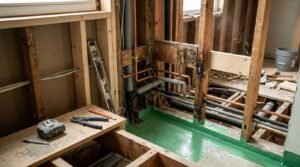
The single most expensive component of a house renovation is structural and wet-area work, specifically any work that involves moving walls, relocating plumbing, upgrading electrical systems, or repairing hidden damage behind existing surfaces. These are the costs that are hardest to see before demolition begins.
For bathroom renovations in Sydney, the combination of plumbing rough-in work, waterproofing, and structural repairs routinely accounts for 35% to 50% of the total project budget before a single tile is laid.
Structural and Waterproofing Work: The Hidden Cost Foundation
Structural work includes anything that affects the integrity of the building: removing or modifying walls, repairing floor joists, replacing rotted substrate, or addressing water damage that has compromised the subfloor.
In older Sydney homes, particularly those built before 1990, we often open a bathroom wall and find deteriorated framing or subfloor damage caused by years of slow water ingress. Repairing this damage is not optional; it’s a prerequisite for any compliant renovation.
Remediation work can add anywhere from several thousand dollars to well over $10,000 to a project budget.
Waterproofing is a separate but equally critical cost. Under AS 3740, the Australian Standard for waterproofing of domestic wet areas, all wet areas must be waterproofed to a specified standard before tiling can begin. In Sydney, waterproofing a standard bathroom typically costs between $800 and $2,500 depending on the size of the wet area and membrane system used.
Plumbing Relocations and Rough-In Work
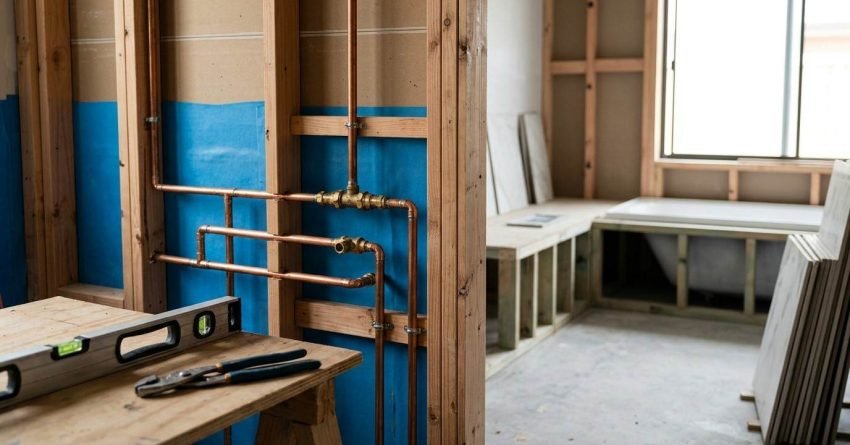
Plumbing is consistently one of the top two cost drivers in any bathroom renovation. When the layout changes,s moving the toilet, relocating the shower, or repositioning the vanity, the existing drain lines, waste pipes, and water supply connections must all be reconfigured.
This is called rough-in work. It is labour-intensive, time-consuming, and requires a licensed plumber at every stage.
Even in a like-for-like renovation, the plumber must disconnect and reconnect all existing services and ensure connections meet current standards. In Sydney, plumbing costs typically range from $3,000 to $8,000 for a like-for-like replacement, and can exceed $15,000 when significant relocation work is involved. The age of the property matters significantly here, as homes with original copper or galvanised steel pipework may require partial or full pipe replacement.
Electrical Upgrades and Compliance Requirements
Electrical work in bathrooms is governed by strict safety zone requirements under AS/NZS 3000, the Australian Wiring Rules. Bathrooms are classified as wet areas, meaning all electrical installations must comply with zone-specific regulations.
In practice, even a straightforward bathroom renovation often requires a licensed electrician to upgrade existing wiring, install safety switches, relocate power points outside exclusion zones, and certify all work with a Certificate of Compliance for Electrical Work. In Sydney, electrical work typically costs between $1,500 and $4,000, with higher costs applying when the switchboard requires upgrading.
Sydney Bathroom Renovation Cost Summary at a Glance
The table below consolidates the cost ranges covered throughout this guide into one quick reference.
| Cost Category | Typical Sydney Cost Range |
| Plumbing (like-for-like) | $3,000 – $8,000 |
| Plumbing (with relocation) | up to $15,000+ |
| Electrical work | $1,500 – $4,000 |
| Waterproofing | $800 – $2,500 |
| Tiling (5–8 m² bathroom) | $2,500 – $6,000 |
| Fixtures (mid-range package) | $4,000 – $9,000 |
| Asbestos removal (if present) | $1,500 – $5,000 |
| Substrate/water damage repair | $500 – $3,000 |
| Compliance certification | $500 – $2,000 |
We built this table so you can cross-check any quote line by line rather than judging a renovation by its bottom-line total alone.
Bathroom Renovation Cost Breakdown: What You’re Actually Paying For in Sydney
Understanding the full cost breakdown helps you evaluate quotes accurately and avoid being surprised by line items that were not clearly explained upfront. The following reflects typical costs for a standard Sydney bathroom renovation.
Labour Costs: Trades, Coordination, and Project Management
Labour is the largest single cost category in most bathroom renovations. A licensed plumber typically charges between $120 and $180 per hour, while a licensed electrician charges between $110 and $160 per hour.
Tilers charge between $60 and $120 per hour depending on tile size and pattern complexity. Waterproofers typically charge a fixed rate per project rather than hourly.
Project management and coordination, ensuring trades arrive in the correct sequence and inspections are booked at the right stages, typically adds 10% to 15% to the total labour cost. This is the cost of keeping a multi-trade project running on schedule.
Tiling Costs: Floor, Walls, and Wet Areas
Tiling is one of the most visible cost variables in a bathroom renovation. The cost is not simply the price of the tiles; it includes surface preparation, adhesive, grout, waterproofing compatibility, and labour.
In Sydney, tiling labour typically costs between $60 and $120 per square metre for standard tiles. Large-format tiles (600mm x 600mm and above) cost more to install because they require more precise substrate preparation and greater skill to lay without lippage.
A standard Sydney bathroom of 5 to 8 square metres typically requires between $2,500 and $6,000 in tiling costs, including materials and labour.
Fixtures and Fittings: Vanities, Toilets, Showers, and Baths
Fixtures and fittings represent the most controllable cost category in a bathroom renovation. Fixture costs can be managed through product selection without compromising structural integrity or compliance.
In Sydney, a mid-range fixture package including a wall-hung vanity, back-to-wall toilet suite, frameless shower screen, and tapware typically costs between $4,000 and $9,000 in supply-only costs. Budget packages bring this down to $2,000 to $3,500, while premium selections can push costs well above $15,000.
The key distinction is between fixtures that affect function and longevity, such as quality tapware and durable shower screens, and purely aesthetic choices where cost savings carry less risk.
Waterproofing Membranes and Compliance Costs
Waterproofing is a non-negotiable cost in any bathroom renovation. Under NSW building regulations, all wet areas must be waterproofed by a licensed applicator using a system that complies with AS 3740.
In Sydney, waterproofing a standard bathroom typically costs between $800 and $2,500 for the membrane application alone. Skipping or cutting corners on waterproofing is the single most common cause of catastrophic bathroom failure, leading to water damage, mould, and structural deterioration that costs far more to remediate.
Hidden Renovation Costs That Blow Out Bathroom Budgets in Sydney
The most common cause of budget blowouts is not poor planning. It is the discovery of hidden conditions that were not visible during the initial inspection.
These costs are not the fault of the contractor or homeowner. They are an inherent feature of renovating existing buildings, particularly older Sydney homes.
Asbestos Removal and Hazardous Material Disposal
Asbestos-containing materials were widely used in Australian residential construction until the late 1980s. In Sydney, homes built before 1990 have a high probability of containing asbestos in wall sheeting, floor coverings, or pipe lagging, according to Safe Work Australia.
The cost of asbestos removal depends on the quantity, accessibility, and disposal requirements. For a standard bathroom, removal typically costs between $1,500 and $5,000.
This cost cannot be avoided once identified.
Rotted Substrate, Mould, and Water Damage Remediation
Water damage behind bathroom walls is extremely common in Sydney homes, particularly those not renovated in 15 or more years. Failed grout, deteriorated silicone, and inadequate original waterproofing all allow water to penetrate the substrate over time.
When demolition reveals rotted particleboard or mould-affected framing, the affected material must be removed, treated, and replaced. Substrate replacement typically costs between $500 and $3,000 depending on the extent of damage.
Council Approvals, Permits, and Compliance Certificates
Most standard bathroom renovations in NSW do not require a Development Application, falling within exempt or complying development under NSW Planning Portal guidelines. Structural changes, footprint alterations, or heritage-listed properties may trigger approval requirements.
All licensed trades must issue compliance certificates upon completion. These certificates are required for insurance purposes and future property sales. Budget between $500 and $2,000 for certification costs.
How Long Does a Sydney Bathroom Renovation Take?
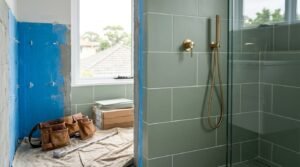
Timeline is one of the most common questions we hear alongside cost. A standard bathroom renovation in Sydney typically takes 3 to 6 weeks from demolition to final handover, depending on scope and trade availability.
Budget renovations with no layout changes tend to sit at the shorter end. Premium renovations involving structural work, custom cabinetry, or heritage compliance can extend past 8 weeks, particularly if hidden damage is discovered during demolition.
How to Prioritise Your Bathroom Renovation Budget Without Compromising Quality
Every bathroom renovation involves trade-offs. The goal is not to spend as little as possible; it is to allocate your budget in a way that maximises long-term value.
The most effective approach is to treat your budget in three tiers: non-negotiable compliance and structural costs, high-impact functional upgrades, and aesthetic choices where flexibility exists.
Value-Adding Upgrades Worth the Investment
Certain upgrades consistently deliver strong returns, both in daily liveability and long-term property value. Heated flooring, frameless shower screens, and quality tapware are upgrades that buyers and tenants notice.
Underfloor heating adds perceived luxury at a relatively modest cost, typically $800 to $2,000 for a standard bathroom, and is far more cost-effective to install during a renovation than to retrofit later.
Where You Can Save Without Cutting Corners
The most effective areas for cost management are fixture selection and tile choice. Both have wide price ranges without significant differences in functional performance at the mid-range level.
Choosing a well-made mid-range vanity over a designer equivalent and opting for a semi-frameless shower screen rather than fully frameless can collectively save $3,000 to $6,000 without reducing quality.
What you should not compromise on is the quality of labour and compliance work. A cheaper waterproofing job or an unlicensed plumber will cost significantly more to fix than the original saving was worth.
Setting a Realistic Contingency Budget for Unexpected Costs
Every bathroom renovation budget should include a contingency allowance. For homes built before 1990, a contingency of 15% to 20% of the total project budget is appropriate.
The contingency is not a buffer for scope creep. It is a financial reserve for genuinely unforeseen conditions discovered during demolition, such as asbestos, water damage, or outdated pipework.
Typical Bathroom Renovation Costs in Sydney: Budget, Mid-Range, and Premium
Sydney bathroom renovation costs vary significantly based on size, scope, material quality, and existing structural condition. The following ranges reflect realistic all-in costs, excluding contingency allowances.
Budget Bathroom Renovation: $10,000 to $15,000
A budget renovation typically involves a like-for-like replacement of existing fixtures with no changes to layout or plumbing positions. This tier suits investment properties, rental bathrooms, or homeowners wanting a fresh result without a full structural overhaul.
Mid-Range Bathroom Renovation: $15,000 to $25,000
A mid-range renovation allows for modest layout changes, upgraded fixtures, and larger format tiles. This is the most common renovation tier for Sydney owner-occupiers seeking meaningful upgrades that add genuine property value.
Premium Bathroom Renovation: $25,000 to $45,000+
A premium renovation involves high-specification fixtures, designer tapware, natural stone tiles, and a fully bespoke design outcome. This tier suits high-value properties and homeowners seeking a long-term investment in quality.

How to Get an Accurate Bathroom Renovation Quote in Sydney
Receiving an accurate quote requires a detailed scope of works and a clear understanding of what is and is not included.
What a Detailed Scope of Works Should Include
A reliable quote should be based on a written scope specifying the demolition scope, waterproofing specification, plumbing works itemised by fixture, electrical works itemised by circuit, tiling area in square metres, and the fixture schedule with product codes.
A quote without a written scope of works is an estimate, not a quote. Without a documented scope, there is no baseline against which to assess whether a variation is legitimate.
Red Flags in Renovation Quotes and How to Spot Them
The most common red flag is an unusually low total price without a clear explanation of exclusions. Low quotes are frequently achieved by omitting waterproofing or using unlicensed labour for compliance work.
Other red flags include a request for a large upfront deposit, no mention of compliance certificates, and vague labour descriptions such as “all inclusive” without itemisation. Before signing anything, we recommend verifying your contractor’s licence through the NSW Fair Trading licence check tool, which confirms current registration for plumbing, electrical, and building work.
A trustworthy contractor will provide a detailed, itemised quote and be transparent about what is and is not included. If a quote cannot be explained line by line, it should not be accepted.
Conclusion
Labour, plumbing, waterproofing, and structural work are the most expensive components of any house renovation. In Sydney bathrooms, these costs are compounded by strict compliance requirements, ageing housing stock, and high trade demand.
Knowing the real cost drivers and hidden expenses that derail unprepared budgets allows you to plan with accuracy and evaluate quotes with confidence. The difference between a successful renovation and a costly one is almost always preparation.
At Sydney Home Renovation, we provide transparent, itemised quotes, detailed scopes of work, and end-to-end project coordination so your bathroom renovation is delivered on budget, on schedule, and built to last. Contact our team today to discuss your project and receive an honest assessment of your renovation costs.
Frequently Asked Questions
What is the most expensive part of a bathroom renovation?
Labour and structural work, including plumbing rough-in, waterproofing, and repairs to hidden damage, consistently account for the largest share of a bathroom renovation budget. In Sydney, these costs alone can represent 40% to 55% of the total project cost.
Why is labour so expensive in Sydney bathroom renovations?
Sydney has a high demand for licensed trades relative to available supply, which drives labour rates upward. Compliance requirements also mean certain tasks legally require licensed professionals, removing the option of cheaper unlicensed labour.
How much does a full bathroom renovation cost in Sydney?
A full bathroom renovation in Sydney typically costs between $10,000 and $45,000 depending on size, scope, and material quality. Budget renovations start around $10,000, mid-range projects run $15,000 to $25,000, and premium renovations exceed $25,000.
What hidden costs should I budget for in a bathroom renovation?
Common hidden costs include asbestos removal in pre-1990 homes, water damage and rotted substrate remediation, mould treatment, outdated pipework replacement, and compliance certification fees. A contingency of 15% to 20% is recommended for older properties.
Is waterproofing really necessary and how much does it cost?
Waterproofing is legally required under AS 3740 for all wet areas and must be applied by a licensed waterproofer. In Sydney, waterproofing a standard bathroom typically costs between $800 and $2,500. Skipping it is the leading cause of long-term bathroom failure.
How can I reduce bathroom renovation costs without sacrificing quality?
The most effective cost reductions come from fixture selection and tile choice, where mid-range products perform comparably to premium alternatives. Keeping the existing plumbing layout also significantly reduces costs by eliminating rough-in relocation work.
Do I need council approval for a bathroom renovation in Sydney?
Most standard bathroom renovations in NSW do not require a Development Application and fall within exempt or complying development provisions. Structural changes or heritage properties may trigger approval requirements regardless.