Complete Guide to Second Storey Additions

Table of Contents
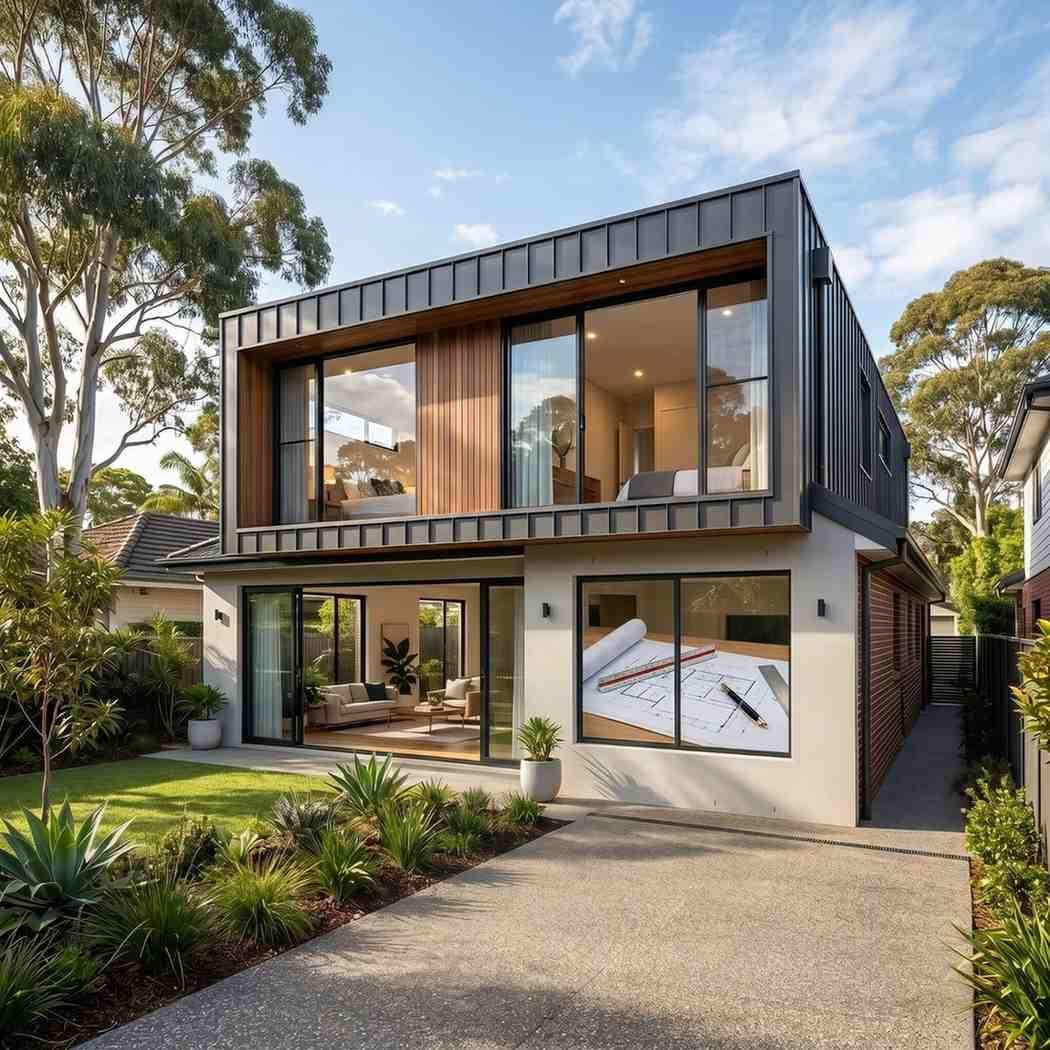
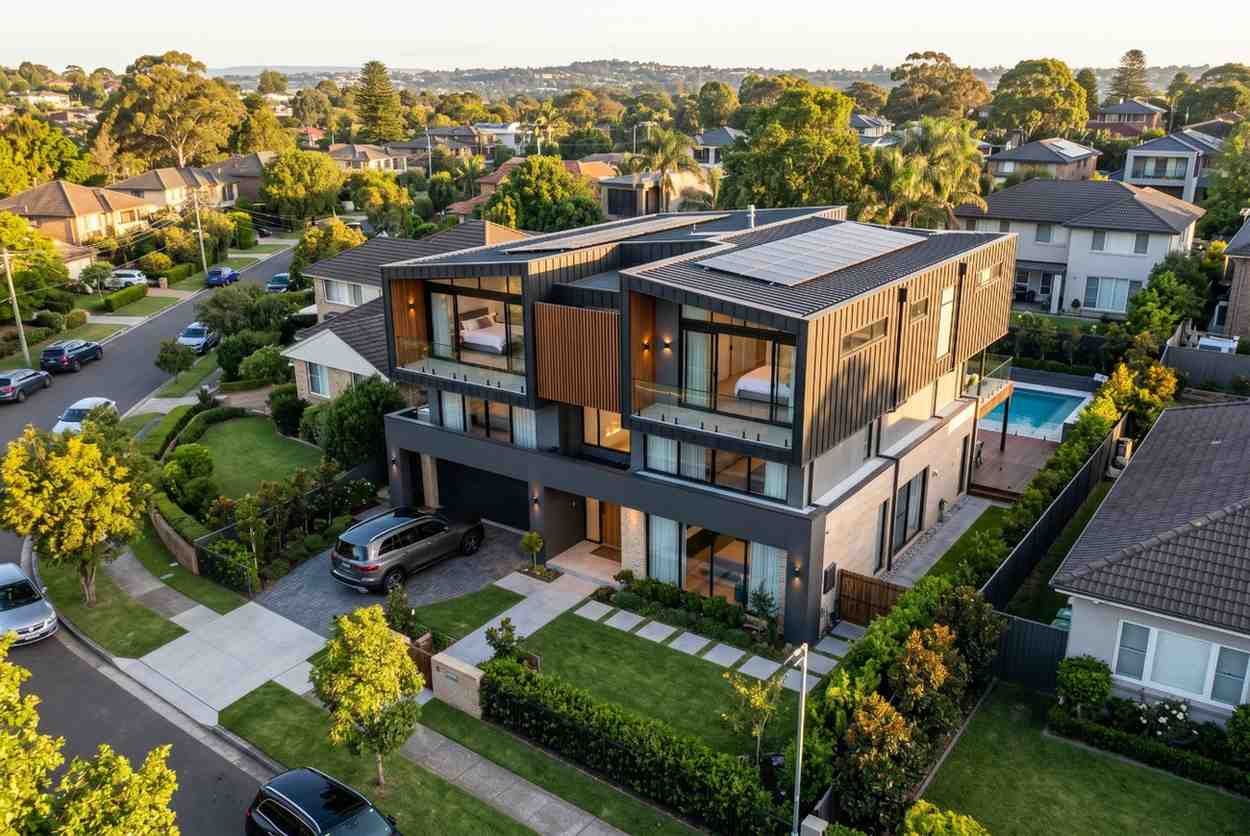
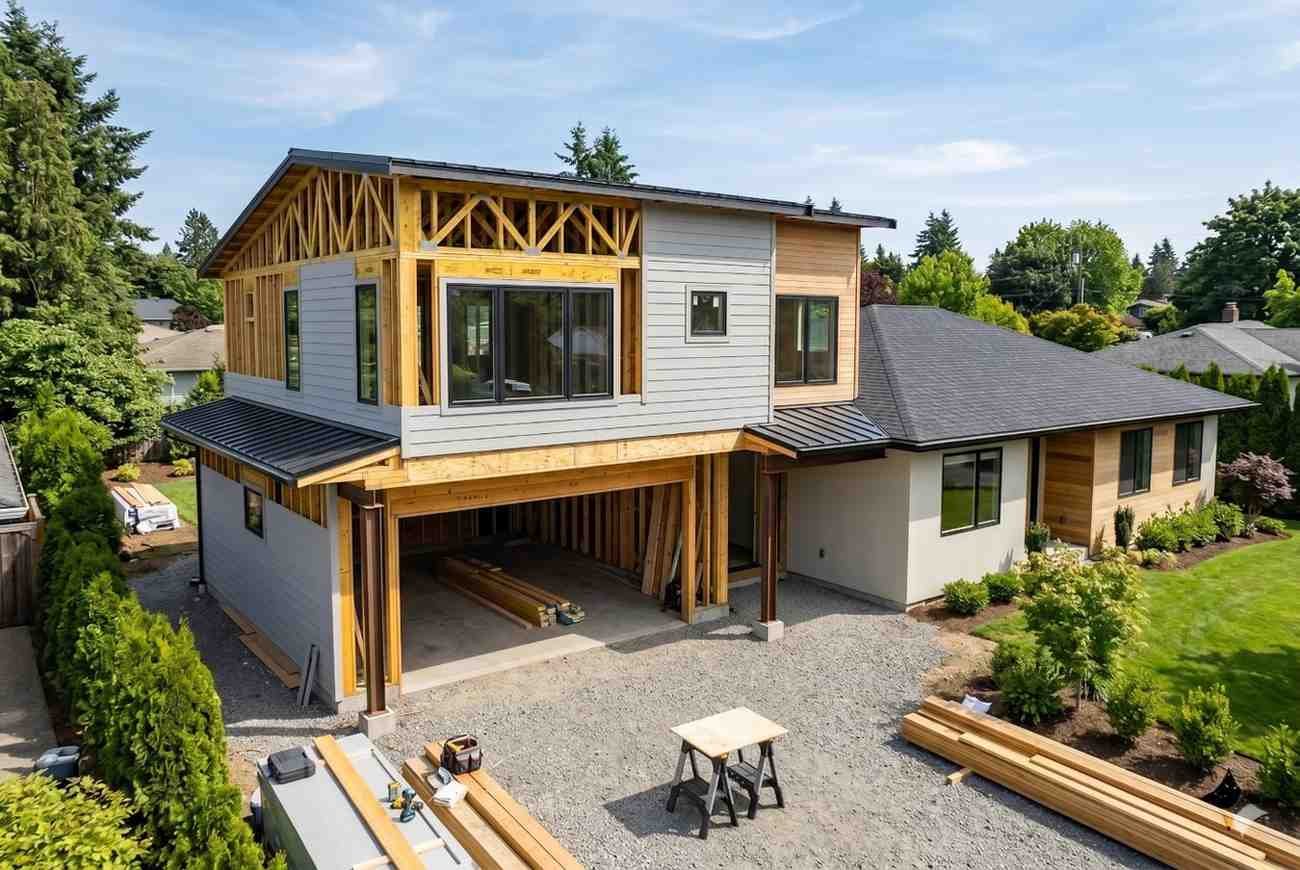
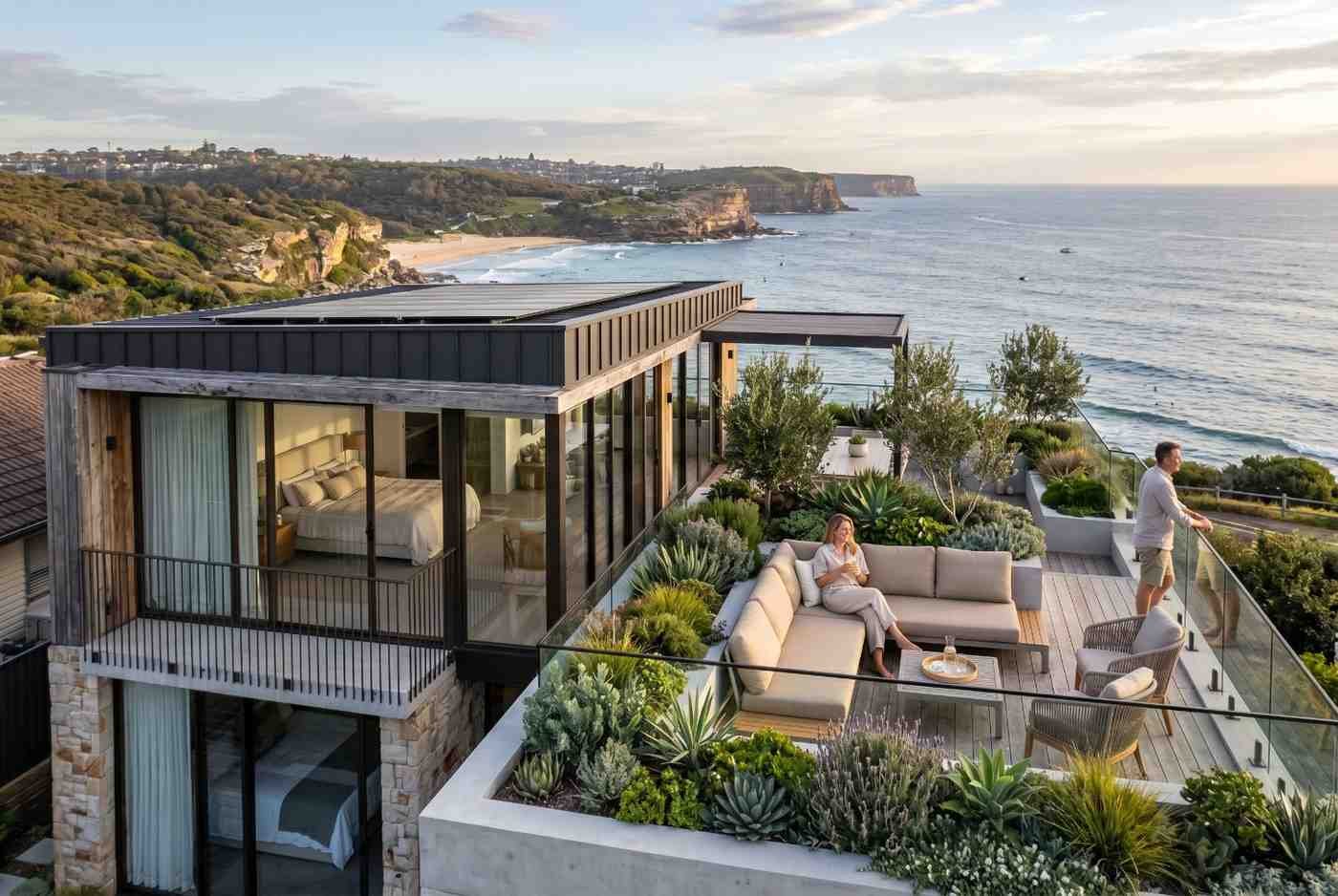
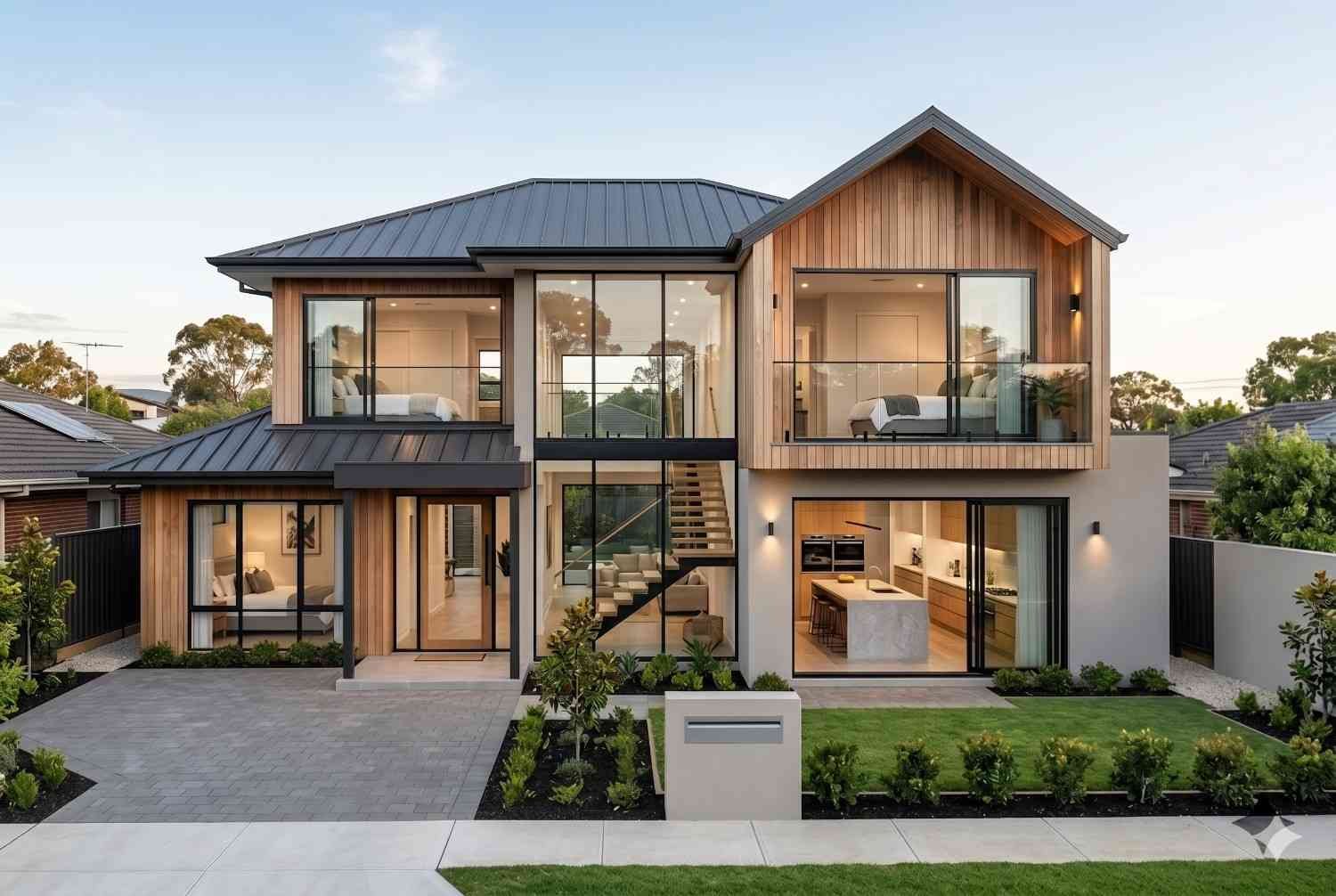
second storey addition process showing planning construction and finished two storey home transformation

A second storey addition transforms a single-level Sydney home into a spacious two-storey residence, creating significant living space without sacrificing outdoor areas or requiring a move to a new location. This major renovation project involves structural assessment, council approvals, architectural design, and construction that typically spans twelve to eighteen months from initial planning through to completion.

This guide covers everything Sydney homeowners need to understand before committing to a second storey project. You will learn how to assess whether your home is structurally suitable, what costs to expect across different project types, how council approvals work, what the construction process involves, and how to plan for living arrangements during the build. Each section provides the foundational knowledge required to make informed decisions and avoid costly surprises.

What Is a Second Storey Addition?

A second storey addition is a construction project that builds an entirely new upper level above an existing single-storey dwelling. Unlike ground floor extensions that expand outward, this approach builds upward, preserving garden space and outdoor living areas while substantially increasing the home’s total floor area.

The terminology can cause confusion. In Australia, the ground level is called the ground floor, and the level above is the first floor. However, many homeowners and builders use “second storey addition” and “first floor addition” interchangeably to describe the same project type. Both terms refer to adding an upper level to a home that currently has only one floor.

Second storey additions differ from other renovation types in their complexity and scope. They require structural modifications to the existing building, removal or significant alteration of the existing roof, and careful integration of new construction with the original dwelling. The result is a home that functions as a purpose-built two-storey residence rather than an obvious addition.

Benefits of Adding a Second Storey

Adding a second storey delivers advantages that other renovation approaches cannot match. The most immediate benefit is substantial additional living space without reducing your block’s outdoor areas. A typical second storey addition creates 80 to 150 square metres of new floor space while leaving gardens, pools, and entertaining areas untouched.

Property value increases significantly with a well-executed second storey addition. Sydney’s land values mean that maximising the dwelling size on an existing block often represents the most efficient use of your property investment. The additional bedrooms, bathrooms, and living areas appeal to families and future buyers alike.

Location retention matters enormously in Sydney’s established suburbs. Families with children in local schools, professionals with convenient commutes, and homeowners who value their neighbourhood connections can gain the space they need without relocating. Avoiding stamp duty, agent fees, and the disruption of moving represents substantial savings beyond the renovation itself.

The lifestyle improvements extend beyond square metres. Second storey additions typically include master suites with ensuites and walk-in robes, additional bathrooms that reduce morning congestion, dedicated home offices or study spaces, and improved separation between living and sleeping zones.

Is Your Home Suitable for a Second Storey?

Not every single-storey home can support a second storey addition without significant structural work, but most can be modified to accommodate one. Understanding your home’s current structural capacity and site constraints early in the planning process prevents costly surprises and helps establish realistic budgets.

Structural Assessment Requirements

The existing structure’s ability to carry additional load determines the scope of foundation and framing work required. Older homes built before modern building codes may have undersized footings, inadequate wall framing, or foundations not designed for multi-storey loads. Newer homes often have stronger structural elements but still require professional assessment.

A structural engineer examines the existing foundations, wall framing, roof structure, and load paths throughout the building. They identify which elements can support additional weight, which require reinforcement, and which need complete replacement. This assessment directly influences project cost and feasibility.

Common structural modifications include underpinning or strengthening existing footings, adding steel beams to redistribute loads, reinforcing or replacing wall framing, and installing new structural columns. The extent of this work varies dramatically between properties.

Foundation and Footing Considerations

Foundations bear the entire weight of the structure above them. Adding a second storey roughly doubles the load on existing footings, which were typically designed only for single-storey construction. Soil conditions beneath the home also affect foundation requirements.

Sydney’s varied geology means foundation solutions differ across suburbs. Homes on rock require different approaches than those on clay or sandy soils. Properties on sloping sites face additional complexity. The structural engineer’s report specifies exactly what foundation work your project requires.

Site Constraints and Setbacks

Council planning controls limit building height, setbacks from boundaries, and overall building envelope. These constraints may restrict second storey design options regardless of structural feasibility. Heritage overlays, conservation areas, and bushfire zones impose additional requirements.

Neighbouring properties and overshadowing rules also influence design. Sydney councils typically require shadow diagrams demonstrating that the addition will not unreasonably impact neighbours’ solar access. These requirements shape roof forms, setback distances, and sometimes overall project viability.

A qualified structural engineer examines your existing foundations, wall framing, and load paths to determine whether reinforcement is needed before construction begins. This structural assessment <!–NEW PAGE NEEDED–> forms the foundation of your entire project scope and budget, revealing exactly what work your home requires to safely support an additional level.

Second Storey Addition Costs in Sydney

Understanding realistic cost expectations prevents budget blowouts and helps you make informed decisions about project scope and finishes. Second storey addition costs vary significantly based on structural requirements, size, complexity, and finish quality.

Cost Per Square Metre Ranges

Sydney second storey additions typically cost between $2,800 and $5,000 per square metre of new floor area. This range reflects the variation between basic additions with standard finishes and high-end projects with premium materials and complex designs.

A modest 80 square metre addition with standard finishes might cost $280,000 to $350,000. A larger 120 square metre addition with quality finishes typically ranges from $400,000 to $550,000. Premium projects with architectural features, high-end finishes, and complex structural requirements can exceed $600,000.

These figures include construction costs, professional fees, council charges, and standard inclusions. They assume typical structural requirements rather than extensive foundation work or unusual site conditions.

What Affects Your Final Price

Structural work requirements represent the largest variable in second storey addition costs. A home requiring minimal foundation reinforcement costs substantially less than one needing complete underpinning or extensive structural modifications. The structural engineer’s report reveals these requirements early in planning.

Project size and complexity directly influence cost. Simple rectangular floor plans cost less than designs with multiple roof lines, cantilevers, or architectural features. The number of bathrooms, the quality of fixtures and finishes, and the extent of work to the existing ground floor all affect the final price.

Site access impacts construction efficiency and therefore cost. Properties with good truck access, space for scaffolding, and room for material storage cost less to build than constrained sites requiring manual handling or staged deliveries.

Hidden Costs to Budget For

Beyond the construction contract, several additional costs require budgeting. Architectural and engineering fees typically range from $15,000 to $40,000 depending on project complexity. Council application fees, contribution levies, and certification costs add $10,000 to $25,000 in most Sydney councils.

Temporary accommodation during construction phases may be necessary, particularly during roof removal. Rental costs for three to six months represent a significant budget item for families who cannot remain in the home.

Landscaping restoration, driveway repairs from construction traffic, and connection of services to the new level add costs often overlooked in initial budgets. A contingency allowance of 10 to 15 percent provides buffer for unexpected discoveries during construction.

Sydney homeowners typically invest between $2,800 and $5,000 per square metre for a second storey addition, though final pricing depends heavily on structural requirements, finishes, and site access. Understanding the complete cost breakdown <!–NEW PAGE NEEDED–> helps you budget accurately and avoid the surprise expenses that derail renovation projects.

Council Approval and Planning Requirements

Every second storey addition in Sydney requires formal approval before construction can commence. Understanding the approval pathways, documentation requirements, and typical timeframes helps you plan realistically and avoid delays.

Development Application Process

Most second storey additions require a Development Application submitted to your local council. The DA process involves council planners assessing your proposal against local planning controls, building codes, and the potential impact on neighbours and the streetscape.

DA documentation typically includes architectural drawings showing existing and proposed floor plans, elevations, and sections. Shadow diagrams demonstrate solar access impacts on neighbouring properties. A Statement of Environmental Effects addresses how the proposal complies with planning controls. Structural engineering reports, survey plans, and various other supporting documents complete the application.

Council assessment periods vary but typically range from 40 to 90 days for straightforward applications. Complex proposals, those requiring variations to planning controls, or applications in heritage areas often take longer. Neighbour notification periods and potential objections can extend timeframes further.

Complying Development Certificates

Some second storey additions qualify for Complying Development approval, a faster pathway using a private certifier rather than council assessment. Complying Development works within strict predetermined standards covering height, setbacks, design, and other parameters.

Properties in heritage conservation areas, flood zones, bushfire-prone land, or those requiring variations to standard controls typically cannot use the Complying Development pathway. The certifier assesses whether your proposal meets all applicable standards before issuing approval.

When available, Complying Development approval can be obtained in two to four weeks rather than the months required for DA assessment. The faster timeline and greater certainty make this pathway attractive when projects fit within the standards.

Heritage and Conservation Overlays

Properties within heritage conservation areas face additional approval requirements. Council heritage advisors assess proposals for compatibility with the area’s character. Design modifications ensuring the addition respects the existing streetscape and neighbouring heritage items may be required.

Heritage-listed properties require even more rigorous assessment. Additions must demonstrate they do not detract from the heritage significance of the original building. Specialist heritage consultants often assist with applications for listed properties.

Conservation area requirements typically influence external materials, roof forms, window proportions, and the visibility of the addition from the street. Early consultation with council heritage staff helps identify requirements before detailed design work proceeds.

Most second storey additions in Sydney require a Development Application through your local council, though some projects may qualify for faster Complying Development approval. The development application process <!–NEW PAGE NEEDED–> typically takes eight to twelve weeks and requires architectural drawings, structural engineering reports, and various supporting documentation.

Design Considerations for Second Storey Additions

Thoughtful design transforms a second storey addition from a functional space gain into an integrated home that feels purpose-built rather than obviously extended. Key design decisions made early in the process influence both construction cost and long-term livability.

Layout Planning and Room Configuration

The upper level layout must work with the existing ground floor plan. Structural elements, plumbing locations, and the position of the staircase all constrain design options. Successful layouts balance ideal room arrangements with practical construction considerations.

Most second storey additions accommodate bedrooms, bathrooms, and sometimes a secondary living area or home office. Master suites with ensuite bathrooms and walk-in robes represent the most common configuration. Additional bedrooms for children or guests, a family bathroom, and storage complete typical layouts.

Natural light and ventilation requirements influence room placement. Bedrooms benefit from morning sun orientation in Sydney’s climate. Bathrooms can occupy less desirable positions. Living areas on the upper level require careful consideration of solar access and views.

Staircase Placement Options

The staircase consumes floor space on both levels and its position affects circulation throughout the home. Central placement often works well for traffic flow but requires sacrificing ground floor living space. Positioning against an external wall minimises impact but may create longer corridors.

Staircase style affects both aesthetics and space efficiency. Straight flights require the most length. L-shaped and U-shaped configurations fit into more compact spaces. Spiral staircases minimise footprint but may not suit all users or furniture moving requirements.

The staircase often becomes an architectural feature connecting old and new sections of the home. Material choices, balustrade design, and natural light to the stair void all contribute to the addition’s overall character.

Matching Existing Architecture

Successful second storey additions respect the existing home’s architectural character while potentially introducing contemporary elements. The goal is integration rather than obvious contrast, creating a home that appears coherent rather than obviously extended.

Roof form significantly influences how well the addition integrates. Matching the existing roof pitch and style creates visual continuity. Contemporary flat roof additions can work on some home styles but require careful design to avoid appearing incongruous.

External materials, window proportions, and detailing all contribute to integration. Using matching or complementary materials, maintaining consistent window styles, and respecting the existing home’s proportions help the addition feel like a natural evolution rather than an afterthought.

The Second Storey Construction Process

Understanding what happens during construction helps you prepare practically and set realistic expectations. The process involves distinct phases, each with specific activities, durations, and impacts on daily life.

Pre-Construction Phase

Before physical construction begins, several preparatory steps occur. The builder finalises construction documentation, orders materials with long lead times, and schedules trades. Council conditions of consent must be satisfied, and required insurances and warranties put in place.

Site preparation includes establishing safe access, installing temporary fencing and signage, and setting up facilities for workers. Scaffolding erection typically occurs in the final days before construction proper begins.

Homeowners should prepare by clearing the roof space of stored items, protecting or relocating valuables, and making arrangements for any temporary relocation required during intensive construction phases.

Roof Removal and Structural Work

The most dramatic phase involves removing the existing roof to allow construction of the new level. This work proceeds quickly once started, with the existing roof typically stripped within days. Temporary weatherproofing protects the exposed dwelling until the new roof is installed.

Structural modifications to the existing building occur during this phase. Foundation reinforcement, installation of steel beams, and strengthening of wall framing prepare the existing structure to carry the additional load. This work must be completed and inspected before upper level construction proceeds.

The exposed period represents the highest-risk phase for weather damage. Experienced builders monitor forecasts carefully and have contingency plans for unexpected rain. Quality temporary protection minimises risk during this vulnerable period.

Framing, Cladding, and Fit-Out

With structural work complete, the new level takes shape rapidly. Floor framing, wall framing, and roof framing establish the addition’s form. External cladding and roofing follow, enclosing the space and making it weathertight.

Internal fit-out proceeds once the building is enclosed. Electrical and plumbing rough-in, insulation installation, and internal wall linings transform the framed space into recognisable rooms. Wet area waterproofing, tiling, and fixture installation complete bathrooms and ensuites.

Painting, flooring, joinery installation, and final fixture fitting bring the addition to completion. The staircase installation connects the new level to the existing home, often occurring relatively late in the construction sequence.

Final Inspections and Handover

Before occupation, the completed addition requires final inspections by the certifying authority. These inspections verify that construction complies with approved plans and relevant building codes. Any deficiencies identified must be rectified before certification.

The builder conducts a practical completion inspection with the homeowner, identifying any minor defects requiring attention. A defects liability period, typically several months, allows time for any issues to become apparent and be addressed.

Handover includes provision of warranties, maintenance information, and documentation of installed systems. The homeowner takes possession of a completed addition ready for occupation and enjoyment.

How Long Does a Second Storey Addition Take?

Realistic timeline expectations help you plan around the project and manage family logistics during construction. Total project duration from initial concept to completion typically spans twelve to eighteen months, though complex projects may extend beyond this range.

Planning and Approval Timeline

The planning phase before construction begins typically takes three to six months. Initial consultations, site assessment, and concept design occupy the first weeks. Detailed architectural design and engineering documentation follow, requiring one to two months for most projects.

Council approval adds significant time. Development Applications typically require two to four months from lodgement to determination, though complex applications or those requiring amendments take longer. Complying Development approval, when available, reduces this to two to four weeks.

Post-approval activities including construction documentation finalisation, builder procurement, and contract negotiation add several more weeks before construction can commence.

Construction Duration

Physical construction of a second storey addition typically takes six to nine months from site establishment to practical completion. Smaller, simpler additions may complete in five to six months. Larger or more complex projects can extend to twelve months or beyond.

The construction timeline includes several weeks for site preparation and scaffolding, one to two weeks for roof removal and structural work, two to three months for framing and external enclosure, and three to four months for internal fit-out and finishing.

Weather delays, material supply issues, and unforeseen site conditions can extend construction duration. Building in buffer time when planning around the project helps manage these uncertainties.

Factors That Extend Timelines

Several factors commonly extend project timelines beyond initial estimates. Complex structural requirements requiring extensive foundation work add weeks or months to construction. Custom or imported materials with long lead times delay fit-out phases.

Council approval delays affect many projects. Requests for additional information, design amendments to address planning concerns, or neighbour objections all extend the approval phase. Heritage area applications typically take longer than standard DAs.

Scope changes during construction, while sometimes necessary, inevitably extend timelines. Decisions about finishes, fixture selections, and design modifications all require time to implement. Minimising changes once construction begins helps maintain schedule.

Living Arrangements During Construction

The question of whether to stay in the home during construction requires careful consideration of safety, comfort, and practical logistics. Different construction phases present different challenges, and flexible arrangements often work best.

Staying in Your Home

Many homeowners remain in their home during significant portions of second storey construction. The early phases involving site preparation, scaffolding, and some structural work typically allow continued occupation with manageable disruption.

Living in the home during construction means accepting noise during work hours, dust despite protective measures, and workers on site daily. Access to some areas may be restricted. Utilities occasionally require temporary disconnection. These impacts vary in intensity across different construction phases.

Families with young children, those working from home, or people with health sensitivities may find the disruption more challenging. Honest assessment of your tolerance for construction conditions helps inform the decision.

Temporary Relocation Options

The roof removal and structural work phase typically requires temporary relocation for safety and practical reasons. With the roof removed and the home exposed, remaining in occupation is neither safe nor comfortable. This phase typically lasts two to four weeks.

Some homeowners relocate for the entire construction period, finding the disruption of living on a building site outweighs the cost and inconvenience of temporary accommodation. Others return after the building is enclosed and internal work proceeds in a more contained manner.

Temporary accommodation options include short-term rentals, staying with family, or serviced apartments. Costs vary significantly depending on location, duration, and accommodation type. Budgeting for potential relocation ensures this expense does not create financial stress if needed.

Second Storey Addition vs Other Options

Before committing to a second storey addition, considering alternative approaches ensures you choose the option best suited to your circumstances. Each approach offers different advantages and suits different situations.

Second Storey vs Knockdown Rebuild

Knockdown rebuild involves demolishing the existing home and constructing a new dwelling on the same site. This approach suits homes where the existing structure has limited value, where extensive modifications would be required anyway, or where a completely fresh design is preferred.

Second storey additions preserve the existing home’s character and often cost less than complete rebuilds. They suit homes with solid existing structures, those in heritage areas where demolition may not be permitted, and homeowners who value retaining original features.

The decision often comes down to the existing home’s condition and value. Homes requiring extensive structural work, rewiring, replumbing, and other upgrades may cost nearly as much to renovate as to rebuild. Newer homes or those with quality original construction typically favour addition over demolition.

Second Storey vs Ground Floor Extension

Ground floor extensions expand outward rather than upward. They suit properties with generous land area and those where building upward is constrained by height limits, structural limitations, or design preferences.

Second storey additions preserve outdoor space and often provide better separation between living and sleeping zones. They typically cost more per square metre than ground floor extensions due to structural requirements but may deliver more usable space on constrained sites.

Site coverage limits in planning controls may restrict ground floor extension options. Properties already near maximum site coverage may have no option but to build upward to gain additional space.

Second Storey vs Moving House

Moving to a larger home avoids construction disruption entirely but involves substantial transaction costs. Stamp duty, agent fees, legal costs, and moving expenses typically total $80,000 to $150,000 or more for Sydney properties.

Beyond financial costs, moving means leaving an established neighbourhood, potentially changing school catchments, and starting fresh in an unfamiliar area. For families with strong community connections, these factors often outweigh the convenience of avoiding renovation.

Second storey additions allow families to gain needed space while retaining location, community connections, and the aspects of their current home they value. The investment goes into their own property rather than transaction costs.

For homeowners weighing their options, the decision often comes down to budget, timeline, and how much of the existing home holds value worth preserving. A detailed knockdown rebuild comparison <!–NEW PAGE NEEDED–> examines the true costs, timeframes, and outcomes of each approach to help you make the right choice for your situation.

Choosing the Right Builder for Your Second Storey

Selecting the right builder significantly influences project outcomes. Second storey additions present unique challenges that demand specific experience and capabilities beyond general residential construction.

Building above an occupied home requires managing weather exposure risks, maintaining structural integrity during modifications, and coordinating complex sequences of work. Builders experienced in this construction type understand these challenges and have systems to manage them effectively.

When evaluating builders, ask specifically about their second storey addition experience. Request references from similar projects and, where possible, visit completed additions. Understanding how they managed challenges on previous projects indicates how they will handle yours.

Insurance, licensing, and warranty coverage require verification. Builders must hold appropriate licences for the project value and type. Home building compensation fund coverage protects homeowners if the builder cannot complete the work. Verify these credentials before signing contracts.

Communication style and project management approach matter throughout a months-long construction project. Builders who provide regular updates, respond promptly to questions, and maintain clear documentation reduce stress and help projects run smoothly.

The complexity of building above an occupied home demands contractors with specific experience in this construction type, not just general residential builders. Working with [second storey specialists]([URL TBD]) who understand the unique challenges of these projects reduces risk and typically delivers better outcomes than engaging a builder learning on your project.

Conclusion

A second storey addition represents a significant investment that transforms both your home and your family’s daily life. Understanding structural requirements, realistic costs, approval processes, and construction timelines positions you to make informed decisions and achieve successful outcomes.

The planning and research phase deserves adequate time and attention. Rushing into construction without thorough preparation leads to budget overruns, timeline extensions, and compromised results. Investing in quality professional advice early pays dividends throughout the project.

Sydney Home Renovation helps homeowners navigate second storey additions from initial feasibility assessment through to completed construction. Contact our team to discuss your project and take the first step toward the additional space your family needs.

Frequently Asked Questions

How much does a second storey addition cost in Sydney?

Second storey additions in Sydney typically cost between $2,800 and $5,000 per square metre. Most complete projects range from $300,000 to $700,000 depending on size, structural requirements, and finish quality.

Can any house have a second storey added?

Most single-storey homes can support a second storey addition, though many require foundation reinforcement or structural modifications. A structural engineer’s assessment determines exactly what work your specific home needs.

Do I need council approval for a second storey addition?

Yes, all second storey additions require formal approval. Most need a Development Application through your local council, though some projects qualify for faster Complying Development approval through a private certifier.

How long does it take to build a second storey addition?

A second storey addition typically takes 12 to 18 months from initial planning to completion. This includes 3 to 6 months for design and approvals, plus 6 to 9 months for construction.

Can I live in my house during a second storey addition?

Many homeowners stay in their home during portions of construction, though temporary relocation during roof removal and major structural work is typically recommended. The exposed period usually lasts 2 to 4 weeks.

Does a second storey addition add value to my home?

Yes, well-executed second storey additions typically increase property value by more than the construction cost. The additional bedrooms, bathrooms, and living space appeal strongly to family buyers in Sydney’s market.

What is the difference between a second storey addition and a first floor addition?

These terms describe the same project type. In Australian terminology, the ground level is the ground floor and the level above is the first floor. Both terms refer to adding an upper level to a single-storey home.

Facebook
X
LinkedIn
Pinterest

Related Posts

Modern renovated home interior with value increase graph showing return on investment from renovation

Renovation ROI and Value

A well-planned bathroom renovation in Sydney can return between 50% and 80% of its cost in

Kitchen layout showing work triangle between sink, stove and refrigerator with highlighted workflow lines

The Kitchen Triangle Rule Explained

The kitchen triangle rule is a foundational design principle that connects your three primary kitchen work

Kitchen cabinet layout showing one third rule with balanced upper cabinets, backsplash space and lower cabinets

The One Third Rule for Cabinets

The one third rule for cabinets is a practical budgeting guideline that allocates roughly one third