
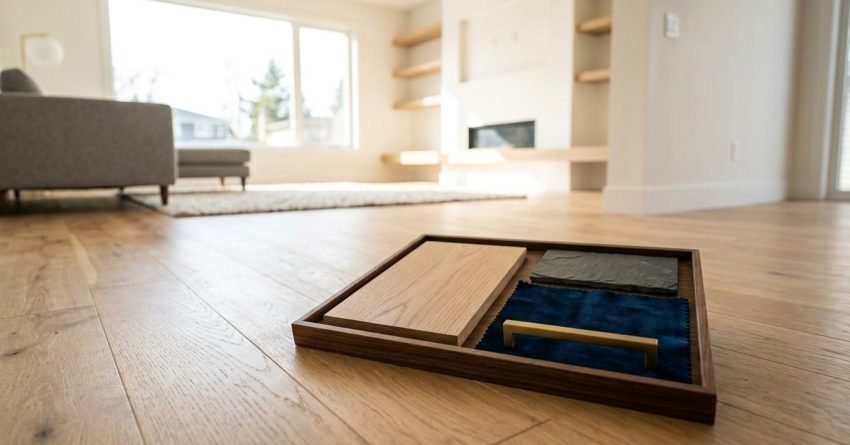
A well-planned living room renovation transforms the most-used space in your home, and in Sydney, a quality finish typically costs between $15,000 and $60,000 depending on scope, materials, and whether structural work is involved.
Living rooms carry the full weight of daily life. Getting the renovation right means more than picking paint colours, it means making smart decisions about budget, trades, and materials before a single wall comes down.
In this guide, I cover everything from layout planning and flooring choices to Sydney cost breakdowns, joinery ideas, and the upgrades that genuinely add long-term value to your property.
How to Plan a Living Room Renovation That Actually Works
Planning is where most renovations succeed or fail. The decisions made before work starts determine whether the project finishes on budget, on time, and to the standard you actually wanted.
Start with a clear picture of what you want to achieve. A cosmetic refresh, new flooring, paint, and lighting, is a very different project from a structural renovation that moves walls or reconfigures the floor plan.
Getting those two things confused early is one of the most common reasons budgets blow out.
Setting a Realistic Budget Before You Start
A realistic budget accounts for three things: the work you can see, the work you cannot see, and a contingency buffer for surprises. I always recommend building in at least 10–15% above your quoted cost as a contingency, not because something will definitely go wrong, but because something almost always does.
For a cosmetic living room renovation in Sydney, budgets typically start around $15,000. Mid-range renovations with new flooring, lighting, joinery, and feature walls sit between $25,000 and $45,000. Full structural renovations with wall removal, electrical upgrades, and custom joinery regularly exceed $50,000.
Lock your budget before you brief a contractor. Changing scope mid-project is the fastest way to turn a $30,000 job into a $45,000 one.
Choosing the Right Renovation Scope for Your Home
Scope defines everything. A clear scope tells your contractor exactly what is included, protects you from unexpected additions, and gives you a reliable cost baseline to work from.
Cosmetic scope covers surfaces: flooring, paint, lighting, and fittings. Structural scope covers bones: walls, ceilings, electrical, and plumbing. Most living room renovations sit somewhere between the two.
The right scope for your home depends on your budget, your timeline, and what the space actually needs, not what looks good on a mood board.

Living Room Layout Ideas That Maximise Space and Flow
Layout is the foundation of every other decision in a living room renovation. Get it wrong and no amount of expensive flooring or custom joinery fixes the feeling that the room just does not work.
The best layouts create clear zones, a conversation area, a media zone, and a circulation path that does not cut through the middle of the room. That separation makes even a modest-sized room feel considered and functional.
Before you commit to any layout, live in the space for a few days and notice where the natural traffic flows. That observation is worth more than any floor plan template.
Open-Plan Living Room Layouts for Modern Homes
Open-plan living remains the dominant layout preference in Sydney renovations, and for good reason. Removing a non-load-bearing wall between a living room and kitchen or dining area immediately increases perceived space, improves natural light, and creates a more connected family environment.
The key word there is non-load-bearing. Load-bearing wall removal requires a structural engineer’s assessment, council notification in some cases, and a licensed builder to carry out the work safely. It adds cost, typically $3,000 to $8,000 for the structural component alone, but the spatial result is transformative.
Open-plan layouts also demand more careful furniture placement and acoustic treatment for open-plan living spaces to prevent the space from feeling echoey or visually chaotic.
Small Living Room Renovation Ideas That Feel Bigger
Small living rooms benefit most from renovation decisions that manipulate perception rather than square footage. Light colours on walls and ceilings push boundaries outward. Large-format flooring laid on a diagonal makes a room read wider. Mirrors placed opposite windows double the apparent depth of a space.
Built-in joinery is the single most effective upgrade in a small living room. A floor-to-ceiling entertainment unit with concealed storage removes visual clutter and draws the eye upward, making the ceiling feel higher than it is.
Furniture scale matters just as much as renovation choices. Oversized sofas in a small room undo every spatial trick a renovation creates.
Living Room Flooring Ideas: What Works and What Lasts
Flooring is the largest visual surface in a living room and one of the highest-traffic areas in any home. The material you choose needs to handle daily wear, suit the Sydney climate, and hold its appearance for at least a decade.
I see a lot of homeowners make flooring decisions based on what looks good in a showroom under controlled lighting. The better test is how it performs under furniture, in direct afternoon sun, and after three years of foot traffic.
Durability and aesthetics are not mutually exclusive, but you need to know which materials genuinely deliver both.
Timber and Engineered Hardwood Flooring Options
Solid timber flooring remains the premium choice for living rooms. It adds warmth, character, and genuine long-term value to a property. In Sydney’s climate, engineered hardwood is often the more practical option, it handles humidity fluctuations better than solid timber and is less prone to cupping or gapping over time.
Engineered hardwood typically costs between $80 and $180 per square metre supplied and installed, depending on species, board width, and finish. Wider boards and longer lengths cost more but create a more contemporary, high-end result.
The trade-off with timber is maintenance. It scratches, it needs periodic recoating, and it does not handle water well. For households with dogs or young children, that is a real consideration.
Tiles, Hybrid Flooring, and Budget-Friendly Alternatives
Hybrid flooring has become the most popular mid-range option in Sydney living room renovations over the past five years. It combines a rigid core with a photographic timber or stone layer and a wear surface, delivering the look of timber with the waterproof performance of tile.
Quality hybrid flooring costs between $45 and $90 per square metre installed. It handles temperature changes, moisture, and heavy foot traffic without the maintenance demands of timber. For investment properties especially, it is a practical, cost-effective choice.
Large-format porcelain tiles work well in living rooms that connect to outdoor areas or have a more contemporary design direction. They are durable, easy to clean, and available in formats that convincingly replicate natural stone at a fraction of the cost.

Living Room Wall and Ceiling Renovation Ideas
Walls and ceilings define the character of a living room more than any other element. A fresh coat of paint is the cheapest renovation you can do. A well-executed feature wall or ceiling upgrade is one of the most impactful.
The mistake most people make is treating walls and ceilings as afterthoughts, something to address after flooring and furniture decisions are locked in. I work the other way around. Walls and ceilings set the tone for everything else.
Getting the proportions right between wall treatment, ceiling height, and floor colour is what separates a living room that feels designed from one that just feels renovated.
Feature Walls, Cladding, and Textured Finishes
A feature wall works when it anchors the room to a clear focal point, typically the wall behind a sofa or the media wall. Timber battens, stone cladding, textured render, and limewash paint are all popular choices in Sydney renovations right now.
Timber batten feature walls cost between $1,500 and $4,000 installed depending on size and timber species. Stone cladding panels sit between $2,000 and $6,000. Limewash paint is the most affordable option at $800 to $1,500 for a standard living room wall, and it delivers a depth of finish that flat paint simply cannot replicate.
The key is restraint. One well-executed feature wall elevates a room. Three competing textured surfaces make it feel busy and unresolved.
Ceiling Upgrades: Cornices, Bulkheads, and Lighting Recesses
Ceiling work is consistently underestimated in living room renovations. Replacing damaged or dated cornices, adding a bulkhead to define a zone, or creating a lighting recess for LED strip lighting are all relatively low-cost upgrades that dramatically change how a room feels.
A standard cornice replacement in a living room costs $800 to $2,000 depending on profile complexity and room size. A bulkhead with integrated lighting recess adds $2,500 to $5,000 but creates a level of architectural detail that reads as genuinely high-end.
Ceiling height matters too. If your living room has a standard 2.4-metre ceiling, a bulkhead that drops to 2.2 metres over the dining zone actually makes the main living area feel taller by contrast.
Lighting Renovation Ideas for Living Rooms
Lighting is the most underinvested element in most living room renovations. Homeowners spend $40,000 on flooring, joinery, and paint, then install a single ceiling light and wonder why the room feels flat.
Good lighting design costs a fraction of what most people spend on surfaces, and it changes how every other element in the room looks and feels. It is the renovation decision with the highest return on investment relative to its cost.
The principle is simple: no single light source does everything well. A living room needs layers.
Layered Lighting Design: Ambient, Task, and Accent
Ambient lighting provides the base level of illumination, recessed downlights, a central pendant, or cove lighting. Task lighting serves specific functions, reading lamps, desk lighting, under-shelf lighting. Accent lighting highlights architectural features, artwork, or joinery.
A living room with all three layers feels alive and adaptable. You can shift the mood from bright and functional during the day to warm and intimate in the evening without changing a single piece of furniture.
The most common mistake is relying entirely on ambient lighting. A room lit only from above looks flat, casts unflattering shadows, and gives you no flexibility.
Recessed Downlights, Pendants, and Smart Lighting Options
Recessed LED downlights are the workhorse of modern living room lighting. They are clean, unobtrusive, and highly flexible when positioned correctly. The critical detail is spacing, downlights placed too close together create a harsh, commercial feel. A 900mm to 1,200mm grid spacing works well in most living rooms.
Pendants add character and define zones. A statement pendant over a reading corner or dining area within an open-plan space creates a visual anchor that no downlight achieves.
Smart lighting systems, where individual circuits are controlled via app or voice, add genuine convenience and allow a single room to serve multiple functions across the day. Entry-level smart lighting for a living room starts around $1,500 installed.
Built-In Storage and Joinery Ideas for Living Rooms
Custom joinery is the upgrade that separates a renovated living room from a truly finished one. Off-the-shelf furniture fills space. Built-in joinery uses it.
The difference is visible immediately. A custom entertainment unit that runs floor to ceiling and wall to wall looks like it was always part of the architecture. A freestanding TV unit looks like furniture that arrived after the fact.
Joinery also solves the storage problem that every living room has, the cables, remotes, books, toys, and general household accumulation that has nowhere logical to go.
Custom Entertainment Units and Wall-to-Wall Shelving
A custom entertainment unit in a Sydney living room typically costs between $3,500 and $9,000 depending on size, material, and finish. Painted MDF is the most affordable option. Timber veneer adds warmth and cost. Two-pack polyurethane delivers the cleanest, most durable finish at the premium end.
Wall-to-wall shelving flanking a TV creates a symmetrical, architectural result that works in both contemporary and traditional homes. Integrating closed lower cabinets with open upper shelving gives you display space without sacrificing storage.
The detail that makes or breaks a built-in unit is the reveal, the gap between the unit and the ceiling, wall, or floor. A tight, consistent reveal reads as precision craftsmanship. An inconsistent one reads as a compromise.
Built-In Seating and Concealed Storage Solutions
Built-in window seats and banquette seating are among the most space-efficient joinery solutions available for living rooms. A window seat with a hinged lid provides seating, a reading nook, and concealed storage in a footprint that a freestanding sofa cannot match.
These work particularly well in bay windows, alcoves, or under staircase areas, spaces that are often underutilised in standard living room layouts. A built-in window seat costs between $1,800 and $4,500 depending on size and upholstery specification.
Concealed storage integrated into joinery, drawers behind push-to-open panels, cable management channels, and recessed power points, keeps the visual result clean and the room functional.
Living Room Renovation Costs in Sydney: What to Budget
Sydney renovation costs are higher than the national average, and living room projects are no exception. Labour rates, material costs, and trade availability all push Sydney pricing above what you might see quoted in interstate guides or online calculators.
Understanding where the money actually goes is the most useful thing I can give you before you start getting quotes. Most budget surprises are not random, they come from specific cost categories that are easy to underestimate.
Here is a realistic breakdown of what a living room renovation costs in Sydney in 2025.
Labour Costs and Trade Breakdown for Living Room Renovations
Labour typically represents 40–55% of a living room renovation budget in Sydney. The trades involved depend on scope, but a mid-range renovation commonly requires a carpenter or joiner, an electrician, a plasterer, and a painter, at minimum.
Carpenter day rates in Sydney currently sit between $450 and $650 per day. Electricians charge $95 to $130 per hour. Plasterers typically price by area — expect $35 to $55 per square metre for standard plasterboard work. Painters charge $35 to $55 per square metre for walls and ceilings.
Trade coordination is a hidden labour cost that most homeowners do not account for. When trades are not sequenced correctly, plasterer before electrician, painter before joiner, you pay for rework. A project manager or experienced head contractor absorbs that coordination cost and prevents it.
Material Allowances and Where to Spend vs. Save
The spend-versus-save decision in a living room renovation comes down to visibility and durability. Spend on what you see and touch every day. Save on what sits behind walls or under floors.
Flooring, joinery finishes, and lighting fixtures are worth the investment, they define the quality of the result and they last. Plasterboard, insulation, and structural fixings are not worth upgrading beyond specification, they perform the same function regardless of brand.
Paint is the most common area where homeowners try to save and regret it. Premium interior paint costs roughly twice as much as a budget option and covers better, lasts longer, and washes without marking. Over a ten-year period, the premium paint is the cheaper choice.

Value-Adding Living Room Upgrades for Property Investors
For property investors, a living room renovation is a financial decision before it is a design one. The question is not what looks good, it is what delivers measurable return through higher rental yield, faster tenancy, or improved resale value.
The good news is that the upgrades with the highest visual impact tend to align closely with the upgrades that add the most value. Tenants and buyers respond to the same things: quality flooring, good lighting, and a space that feels finished.
The discipline is avoiding over-capitalisation, spending more on a renovation than the market will return.
Renovations That Increase Rental Yield and Resale Value
The upgrades that consistently deliver return in Sydney investment properties are flooring replacement, fresh paint, lighting upgrades, and kitchen or bathroom improvements. Living room renovations that focus on these four areas typically achieve a rental premium of 8–15% over unrenovated comparable properties.
Flooring is the single highest-impact upgrade for rental properties. Replacing worn carpet with quality hybrid flooring transforms the presentation of a property and reduces ongoing maintenance costs. It is the first thing prospective tenants notice and the last thing they forget.
Resale value responds most strongly to renovations that improve the overall condition and presentation of a property rather than highly personalised design choices. Neutral finishes, quality materials, and a clean, cohesive result outperform bold or trend-driven renovations at the point of sale.
Cosmetic vs. Structural Upgrades: Prioritising ROI
Cosmetic upgrades deliver the fastest return. New flooring, paint, lighting, and joinery can be completed in two to four weeks and immediately improve rental yield and property presentation. The cost-to-return ratio on cosmetic work is consistently strong.
Structural upgrades, wall removal, electrical rewiring, ceiling reconfiguration, cost significantly more and take longer to deliver measurable return. They are worth pursuing when the structural limitation is genuinely holding back the property’s value or liveability, not as a default renovation strategy.
For most investment properties, a well-executed cosmetic renovation delivers better ROI than a partial structural renovation done on a tight budget. Half-finished structural work is worse than no structural work at all.
Common Living Room Renovation Mistakes to Avoid
Most renovation mistakes are not dramatic. They are quiet decisions made early in the process that compound into expensive problems later. I have seen the same patterns repeat across hundreds of projects.
Knowing what to avoid is as valuable as knowing what to do. The mistakes below are the ones that consistently cost homeowners the most money and the most stress.
Hidden Costs, Scope Creep, and Poor Trade Coordination
Hidden costs in living room renovations typically come from four sources: asbestos discovery in older homes, electrical non-compliance that requires upgrading, structural issues revealed when walls are opened, and waterproofing failures in adjacent wet areas.
Asbestos testing before demolition is not optional in Sydney homes built before 1990. The NSW Government’s SafeWork guidelines on asbestos in homes are clear on homeowner obligations, and the cost of proper removal is always less than the cost of non-compliance.
Scope creep is a budget killer. It starts with small additions, “while you’re here, can you also, and ends with a project that costs 30% more than quoted. Every scope change needs a written variation before work proceeds. No exceptions.
Poor trade coordination creates rework. Rework costs money and time. A head contractor or project manager who sequences trades correctly is not an overhead, it is insurance against the most common and most expensive renovation failure.
How Sydney Home Renovation Manages Your Living Room Project
At Sydney Home Renovation, we manage living room renovations from the first conversation to the final inspection. That means one point of contact, one contract, and one team responsible for the outcome.
We handle trade scheduling, material procurement, site supervision, and quality control, so you are not chasing five different contractors or making daily decisions about sequencing and logistics. Our pricing is transparent from the start: a detailed scope, a fixed quote, and no surprises at the end.
End-to-End Project Coordination and Transparent Pricing
Every project starts with a detailed scope document that defines exactly what is included, what materials are specified, and what the timeline looks like. That document becomes the contract, and nothing changes without a written variation that you approve first.
We coordinate all trades in the correct sequence, manage material deliveries to site, and conduct quality checks at each stage before the next trade begins. That process eliminates rework, keeps the project on schedule, and ensures the finish meets the standard we quoted.
If you are planning a living room renovation in Sydney and want a clear, honest quote from a team that manages the whole project, contact Sydney Home Renovation today. We are ready to help you renovate with confidence.
Conclusion
A living room renovation done well delivers lasting value, better liveability, stronger property performance, and a space that genuinely works for the people using it every day.
The decisions that matter most happen before work starts: a clear scope, a realistic budget, and the right team to execute it. Those three things determine the outcome more than any individual material or design choice.
At Sydney Home Renovation, we bring all three together. Reach out today and let us help you plan and deliver a living room renovation that stays on budget, on schedule, and built to last.
Frequently Asked Questions
How much does a living room renovation cost in Sydney?
A living room renovation in Sydney typically costs between $15,000 and $60,000 depending on scope, materials, and whether structural work is involved. Cosmetic renovations sit at the lower end; full structural renovations with custom joinery and electrical upgrades sit at the higher end.
How long does a living room renovation take?
A cosmetic living room renovation takes two to four weeks. A mid-range renovation involving flooring, joinery, and electrical work typically takes four to six weeks. Structural renovations with wall removal or ceiling reconfiguration can take six to ten weeks depending on complexity and trade availability.
Do I need council approval for a living room renovation?
Most cosmetic living room renovations do not require council approval in NSW. Structural work, particularly load-bearing wall removal, may require a Development Application or Complying Development Certificate. A licensed builder confirms the approval pathway before work starts.
What adds the most value to a living room renovation?
Flooring replacement, fresh paint, lighting upgrades, and custom joinery consistently deliver the strongest return in Sydney living room renovations. These upgrades improve presentation, reduce maintenance costs, and appeal directly to tenants and buyers at the point of decision.
Can I live in my home during a living room renovation?
Most homeowners stay in their homes during a living room renovation. Cosmetic work is minimally disruptive. Structural work, particularly wall removal or ceiling reconfiguration, creates dust, noise, and temporary access restrictions that make living on-site more challenging but generally manageable.
What is the best flooring for a living room renovation?
Engineered hardwood delivers the best combination of aesthetics and durability for most Sydney living rooms. Hybrid flooring is the strongest mid-range option, waterproof, durable, and available in formats that closely replicate timber. Large-format porcelain tiles suit contemporary homes with indoor-outdoor connections.
How do I avoid budget blowouts on a living room renovation?
Lock your scope before work starts, build a 10–15% contingency into your budget, and require written variations for every scope change. Budget blowouts almost always trace back to scope creep, hidden structural issues, or poor trade coordination, all of which a detailed upfront scope and an experienced contractor prevent.
What should I renovate first in my living room?
Start with flooring and paint, they have the highest visual impact and set the baseline for every other decision. Lighting and joinery follow. Structural changes come last because they affect everything else and carry the highest cost and disruption. Sequence your renovation from the ground up and from the structure outward.


