A well-built granny flat in Sydney typically costs $130,000 to $220,000 and rents for $450 to $650 per week, producing a gross rental yield of 10% to 15% and paying itself off within 8 to 12 years. Those numbers only hold when the build complies with NSW planning rules, the site is suitable, and hidden costs are budgeted from day one.
For Sydney homeowners and property investors, a granny flat remains one of the highest-yielding additions you can make to a residential block. The financial logic only works with accurate planning.
This guide explains the current NSW rules, realistic Sydney build costs, expected weekly rents, true ROI timelines, and the design decisions that protect long-term returns.
What Is a Granny Flat and Why Sydney Investors Build One
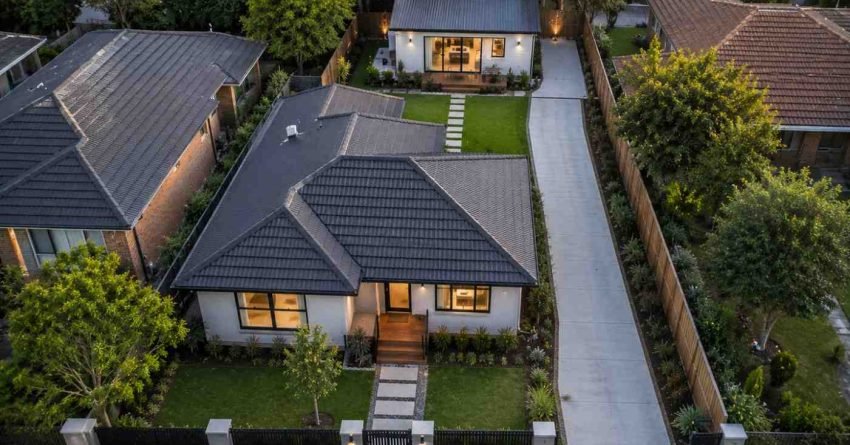
A granny flat is a self-contained secondary dwelling built on the same lot as a primary home, with its own kitchen, bathroom, living area, and separate entry. In New South Wales, it is legally classified as a secondary dwelling under State planning policy and may be detached, attached, or built above a garage.
Sydney investors favour granny flats over other extensions for three reasons: fast approval through the Complying Development pathway, a relatively low build cost compared with second-storey additions, and immediate rental income on land you already own. The combination of fast-track approvals and double-digit yields makes the granny flat one of the few residential investments that generates income within months of breaking ground.
Why Rental Demand Is Rising in Sydney
Sydney’s rental vacancy rate has remained near historic lows, sitting below 1% across most inner and middle-ring suburbs through 2025 and into 2026. Demand for affordable, self-contained dwellings continues to outpace supply by a significant margin.
Granny flats fit this gap precisely. They offer privacy, modern fit-outs, and full kitchen and laundry facilities at a rent point well below standalone houses, making them attractive to single tenants, couples, students, and downsizers across most Sydney suburbs.
The strongest demand comes from three suburb types: inner-city and inner-west areas where housing affordability pressure is highest, university-adjacent suburbs where student and young professional demand is structural, and outer-ring growth corridors where new infrastructure is drawing renters priced out of established areas. Each of these markets sustains low vacancy and consistent rent growth, which directly supports the yield calculations that make granny flat investment viable.
Sydney Granny Flat Rules and Approval Pathways
NSW provides two clear approval pathways for granny flats. The faster route is Complying Development Certificate (CDC) approval under the State Environmental Planning Policy (Housing) 2021, which can be approved by a private certifier in as little as 10 to 20 business days. The slower route is a Development Application (DA) lodged with your local council, used when the site does not meet CDC criteria.
SEPP (Housing) Complying Development Criteria
Under the SEPP Housing pathway, a granny flat in Sydney must meet these core conditions:
- Maximum floor area: 60 square metres of internal living space
- Minimum block size: 450 square metres
- Minimum lot width: 12 metres at the building line
- Setbacks: compliant with the residential zone requirements
- One granny flat per lot, with the primary dwelling retained
Block Size, Setbacks, and Renting Conditions
Sites below 450 square metres or with irregular shapes typically require a DA. Heritage overlays, bushfire-prone zoning, and flood-affected land also push projects into the DA pathway. Critically, NSW law requires the granny flat to be on the same title as the main home, and most councils permit renting the flat to any tenant rather than restricting occupancy to family members.
The CDC pathway is the preferred route for most standard suburban blocks. It removes council discretion, locks in a defined approval timeline, and allows construction to begin far sooner than a DA process permits.
How Much Does a Granny Flat Cost to Build in Sydney
A turnkey granny flat in Sydney generally costs between $130,000 and $220,000 in 2026, depending on size, finish level, and site complexity. Premium builds with architect input, high-end fixtures, or sloped-site engineering can exceed $260,000.
Base Build Cost Ranges by Size and Finish
| Build Type | Size | Indicative Sydney Cost |
| Standard 2-bedroom | 55–60 m² | $130,000 – $170,000 |
| Premium 2-bedroom | 55–60 m² | $170,000 – $220,000 |
| Attached / above-garage | 50–60 m² | $160,000 – $230,000 |
| Architect-designed custom | 60 m² | $220,000 – $280,000+ |
These ranges align with broader residential build cost trends tracked by the Australian Bureau of Statistics Building Activity data, which has recorded sustained increases in residential construction input costs over recent years.
Site Costs, Connections, and Council Fees
Site-specific costs commonly add $15,000 to $40,000 on top of the base build:
- Site survey, soil test, and BASIX certificate: $2,500–$4,500
- Stormwater, sewer, and water connections: $5,000–$15,000
- Electrical sub-board and separate metering: $3,000–$6,000
- CDC or DA approval fees: $4,000–$12,000
- Driveway, fencing, landscaping, and clothesline: $5,000–$15,000
The bathroom is consistently the most cost-intensive room in a granny flat build. Tiling, waterproofing, fixtures, and labour in a compact wet area can account for $18,000 to $35,000 of the total build cost, depending on finish level a figure that surprises many first-time investors who budget only for the shell.
Hidden Costs Most Owners Underestimate
The budget blowouts we see most often involve service relocations, retaining walls, tree removal, sloped-site excavation, and Sydney Water tap-in fees. Build a 10% to 15% contingency into your total budget. A $180,000 build should carry a $20,000 to $27,000 reserve so a single surprise does not delay completion or compromise finish quality.
How to Finance a Granny Flat in Sydney
Most Sydney homeowners fund a granny flat through one of three routes: equity release from the existing property, a construction loan, or a combination of both. Each has different lender requirements and cost implications worth understanding before you commit to a build contract.
Equity release, drawing on the usable equity in your home, is the most common approach. Lenders typically allow you to access equity up to 80% LVR (loan-to-value ratio) without requiring lenders’ mortgage insurance. On a property valued at $1.2 million with a $400,000 mortgage, that unlocks up to $560,000 in accessible equity well above the cost of most granny flat builds.
A construction loan is the alternative for owners with limited equity or those who prefer to keep the granny flat funding separate. Construction loans draw down in stages as the build progresses, which means you pay interest only on the amount drawn rather than the full loan from day one. Lenders assess construction loans against the completed value of the property, so a well-designed flat that adds genuine value to the land can improve your borrowing position. Speak with a mortgage broker experienced in residential construction before approaching lenders directly; the product landscape changes frequently, and the right structure can save thousands in interest over the loan term.
Expected Rental Income and ROI for Sydney Granny Flats
Weekly rents for granny flats vary across Sydney by location, size, and finish. A well-built two-bedroom flat in a middle-ring suburb typically achieves the strongest yield relative to build cost.
Typical Weekly Rents by Sydney Region
| Sydney Region | Indicative Weekly Rent (2-bed granny flat) |
| Inner West / Eastern Suburbs | $600 – $750 |
| North Shore / Northern Beaches | $550 – $700 |
| Sutherland Shire | $500 – $650 |
| Hills District | $480 – $620 |
| Outer West / South West | $400 – $520 |
Gross Yield vs Net Yield Calculation
A $180,000 build renting at $550 per week generates $28,600 gross annual rent, producing a gross yield of 15.9%. After deducting council rates, insurance, maintenance, agent fees, and vacancy allowance (commonly 25% to 30% of gross), net yield typically lands at 10% to 12%, well above the rental yield on a standalone Sydney house.
The gap between gross and net yield is where most investors underestimate their true return. Agent fees alone run 7% to 10% of gross rent in Sydney. Factor in a 2% to 4% vacancy allowance, $1,500 to $3,000 per year in maintenance, and council rates and insurance, and the net figure becomes the only number that matters for cash flow planning.
Realistic Payback Period and Capital Growth Impact
Most Sydney granny flats pay back the build cost in 8 to 12 years through rent alone. A separately metered, well-designed flat also lifts the underlying property value, often adding more to the land valuation than it cost to build, particularly in suburbs with strong rental demand and rezoning potential.
The capital growth effect is most pronounced in middle-ring suburbs where dual-income configurations are actively sought by buyers. A property with a compliant, tenanted granny flat commands a measurable premium at sale because the buyer acquires both a home and an income stream. In high-demand suburbs, that premium has consistently exceeded the build cost in recent market cycles.
Rezoning potential adds a further layer. Suburbs earmarked for increased density under the NSW Government’s housing reforms are seeing granny flat properties attract additional buyer interest from developers and land bankers. Owners who build now in these corridors are positioned to benefit from both the rental income stream and the land value uplift that rezoning activity typically generates.
Granny Flat vs Second-Storey Addition: Which Pays More?
The two most common ways Sydney homeowners add value to a residential block are a granny flat and a second-storey addition. They serve different purposes and produce very different financial outcomes.
A second-storey addition typically costs $180,000 to $350,000 and adds living space to the primary dwelling. It improves liveability and can lift the property’s sale value, but it generates no rental income. The return is entirely capital-growth dependent and realised only at sale.
A granny flat costs $130,000 to $220,000, generates immediate weekly rental income, and adds a separately assessable income stream to the property. The gross yield advantage is substantial: a granny flat producing $550 per week returns the build cost in under 10 years through rent alone, before any capital growth is counted.
The approval pathway also favours the granny flat. A CDC-approved granny flat can be approved in 10 to 20 business days. A second-storey addition almost always requires a DA, which adds months to the timeline and introduces council discretion into the outcome.
For investors whose primary goal is income yield, the granny flat wins on almost every metric. For owner-occupiers who need more bedrooms and have no interest in tenants, the second-storey addition serves a different purpose entirely. The decision comes down to whether the goal is income now or lifestyle improvement with deferred capital return.
Tax, Insurance, and Compliance Considerations
Rental income from a granny flat is fully assessable income, but most operating costs are deductible: depreciation, interest, repairs, insurance, agent fees, council rates, and water charges. Renting out the flat may also affect the main residence Capital Gains Tax exemption on the proportion of land used for rental purposes, so professional tax advice is essential before signing a lease.
Depreciation and the Quantity Surveyor Report
Depreciation is one of the most underused tax benefits available to granny flat investors. A quantity surveyor depreciation report prepared by a registered quantity surveyor identifies every depreciable asset in the flat, from the structure itself to appliances, flooring, and fixtures and calculates the annual deduction available under Division 43 (building allowance) and Division 40 (plant and equipment).
On a $180,000 build, a depreciation schedule typically generates $6,000 to $10,000 in deductions in year one alone. Over a 10-year period, cumulative depreciation deductions can reduce the effective net cost of the build by $40,000 to $60,000 in tax savings, depending on the investor’s marginal tax rate. The QS report costs $600 to $900 and pays for itself many times over.
Landlord Insurance and Compliance Checklist
Landlord insurance is non-negotiable, and most insurers require evidence that the dwelling holds a current Occupation Certificate. Compliance items often missed include:
- Smoke alarms wired to the main meter (not battery-only)
- RCD safety switches on all circuits
- Minimum NSW rental fitness standards (waterproofing, ventilation, natural light)
- Separate water meter (required for water usage billing to tenants)
- Current Occupation Certificate on file before any lease is signed
Hidden compliance costs erode net yield faster than most owners expect. Budget $2,000 to $5,000 for compliance rectification if purchasing a property with an existing granny flat that has not been formally certified.
How to Maximise ROI on Your Sydney Granny Flat
ROI on a granny flat is decided long before the first tenant signs. The most profitable builds combine a tight, considered floor plan with finishes that resist wear and reduce ongoing maintenance costs.
Design Decisions That Increase Rentability
- Two bedrooms outperform one bedroom on yield in almost every Sydney suburb
- A dedicated parking space lifts achievable rent by $20 to $40 per week
- Separate metering for power and hot water removes bill disputes
- Built-in robes, internal laundry, and a private courtyard are the top three tenant priorities
- Reverse-cycle split-system air conditioning is now considered standard
- A compact, well-designed kitchen with stone benchtops and quality appliances consistently decides whether tenants sign at top rent or negotiate down
What to Look for in a Granny Flat Builder
Builder selection is where many investors lose money before construction even begins. The key checks are: a current NSW Builder Licence (verify on the NSW Fair Trading licence register), demonstrated CDC approval experience with a portfolio of completed secondary dwellings, a fixed-price contract that includes site costs and connections (not just the shell), and a minimum 6-year structural warranty backed by home warranty insurance.
Avoid builders who quote a base price and itemise site costs separately without capping them. The most common source of budget blowout on granny flat projects is an open-ended site cost allowance that expands after the contract is signed.
Managing the Tenancy: Agent vs Self-Manage
A property manager typically charges 7% to 10% of gross weekly rent plus a letting fee of 1 to 2 weeks’ rent per new tenancy. On a $550 per week flat, that is roughly $2,000 to $2,900 per year in management fees. For first-time landlords, that cost is almost always worth paying; a professional manager handles tenant screening, lease preparation, bond lodgement, maintenance coordination, and NSW tenancy law compliance, all of which carry real financial and legal risk if mishandled.
Self-managing is viable for experienced landlords with time to respond to maintenance requests and a solid understanding of the Residential Tenancies Act 2010. For most investors building their first granny flat, appointing a licensed property manager from day one protects the income stream and removes the operational burden.
Build Quality That Reduces Long-Term Costs
Tile rather than vinyl in wet areas. Solid-surface benchtops rather than laminate. Quality tapware rather than budget fixtures. The cost difference at build stage is small; the difference across a 20-year tenant cycle is substantial.
Budget tapware fails within three to five years in a rental environment. Vinyl flooring in wet areas lifts and peels under heavy use. Laminate benchtops swell and delaminate with moisture. Each of these failures triggers a maintenance call, a period of tenant dissatisfaction, and a repair cost that erodes net yield. The cheapest granny flat to build is almost never the cheapest to own.
Conclusion
A Sydney granny flat remains one of the strongest residential investment plays available, combining double-digit rental yields, NSW-backed fast-track approvals, and immediate equity uplift on land you already own.
The investors who succeed treat the build as a financial project first and a construction project second, planning every line item from finance structure and approvals through to depreciation schedules and landlord insurance with full transparency.
At Sydney Home Renovation, we help homeowners and investors plan, cost, and deliver granny flat projects that perform from day one of tenancy with honest pricing, fixed-price contracts, and end-to-end project management so nothing falls through the gaps.
Frequently Asked Questions
How long does it take to build a granny flat in Sydney?
Most Sydney granny flats take 12 to 16 weeks of construction once approvals are issued. With a CDC, the total timeline from design to handover is typically 4 to 6 months.
Can I rent out a granny flat in NSW to anyone?
Yes. NSW planning law allows you to rent a granny flat to any tenant, not only family members. The flat must be on the same title as the main home and meet rental fitness standards.
What is the minimum block size for a granny flat in Sydney?
The minimum block size under SEPP Housing is 450 square metres with a 12-metre frontage. Smaller or irregular sites can still proceed through a DA with the local council.
Do granny flats add value to a Sydney property?
Yes. A well-built granny flat typically adds more to property value than it costs to construct, particularly in suburbs with strong rental demand and where dual-income configurations are sought after by buyers.
Is rental income from a granny flat taxable?
Yes. Rental income is fully assessable, but most expenses including depreciation, interest, insurance, repairs, and agent fees are deductible. CGT implications also apply to the proportion of land used to generate rental income.
Can I subdivide and sell the granny flat separately?
No. NSW law requires a granny flat to remain on the same title as the main dwelling. It cannot be subdivided, strata-titled, or sold separately under current secondary dwelling rules.
What is the typical ROI on a Sydney granny flat?
Most Sydney granny flats deliver a gross rental yield of 10% to 15% and a net yield of 10% to 12%, paying back the build cost in 8 to 12 years before accounting for capital growth.
Can I get a construction loan for a granny flat?
Yes. Most major lenders offer construction loans for granny flat builds. Funds draw down in stages as construction progresses, and you pay interest only on the amount drawn. Lenders assess the loan against the completed property value.
What is a quantity surveyor depreciation report and do I need one?
A QS depreciation report identifies every depreciable asset in your granny flat and calculates annual tax deductions under Division 40 and Division 43. On a $180,000 build, it typically generates $6,000 to $10,000 in deductions in year one. It costs $600 to $900 and is worth commissioning before your first tax return.