Most granny flats in Sydney take 4 to 6 months from start to finish, including 10 to 20 business days for Complying Development approval and 12 to 16 weeks of construction on site.
Understanding the real timeline helps homeowners and investors plan finances, organise tenants, coordinate trades, and avoid the costly delays that catch unprepared first-time builders out.
This guide breaks down every stage of the granny flat build, from design and council approval through to handover, with realistic timeframes for Sydney projects.
Typical Granny Flat Build Timeline in Sydney
A standard 60 square metre granny flat in Sydney takes between 16 and 26 weeks from the day you sign a design contract to the day you collect the keys. The exact duration depends on which approval pathway you take and how quickly your site is ready for construction.
Total Project Duration at a Glance
Most Sydney builds break down into three blocks. Design and documentation usually run for 4 to 6 weeks. Approval sits at 2 to 4 weeks under the Complying Development pathway, or longer under a full Development Application. Construction itself takes 12 to 16 weeks for a single-storey detached dwelling on a level block.
CDC Pathway vs DA Pathway Timeline
The Complying Development Certificate (CDC) is the fastest route for compliant designs and is the option most Sydney owners choose. A CDC can be issued in as little as 10 business days when documentation is complete. A traditional Development Application through council typically takes 3 to 6 months, sometimes longer if neighbour objections or heritage overlays apply. The build timeline is just one piece of a larger process, and our complete granny flat construction guide walks through every stage from feasibility to handover.

Pre-Construction Phase (Design and Approvals)
The pre-construction phase is where most delays happen, and where careful planning saves weeks later. This stage covers everything from your first site visit to the moment your certifier issues a construction certificate.
Site Assessment and Concept Design
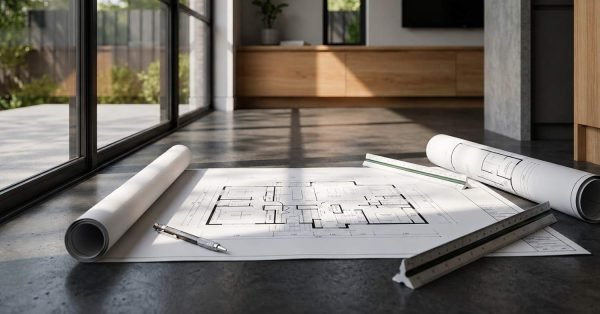
Expect 1 to 2 weeks for the initial site visit, measure-up, and concept floor plan. Approvals are the single biggest variable in timing, and our breakdown of the granny flat approval process explains the CDC and DA pathways step by step. Sloping blocks, narrow access, or unusual setbacks add time at this stage because the designer must test multiple layouts against the site constraints.
Council and Certifier Approval
Once drawings are signed off, your private certifier or council reviews the application. A clean CDC typically takes 10 to 20 business days. The NSW Affordable Rental Housing SEPP allows compliant secondary dwellings on most residential lots, which is why so many granny flats qualify for the faster pathway. Owners can confirm pathway eligibility through the NSW Planning Portal before lodging.
Engineering and Final Documentation
Engineering plans, BASIX certificates, and stormwater details usually run in parallel with approval. Choosing a design upfront prevents delays during documentation, and our overview of granny flat design options compares one-bedroom, two-bedroom, and studio layouts suited to Sydney blocks.
Construction Phase Breakdown Week by Week
Construction is the most predictable part of the timeline because a skilled builder controls sequencing, ordering, and trade scheduling directly.
Site Preparation and Slab (Weeks 1–3)
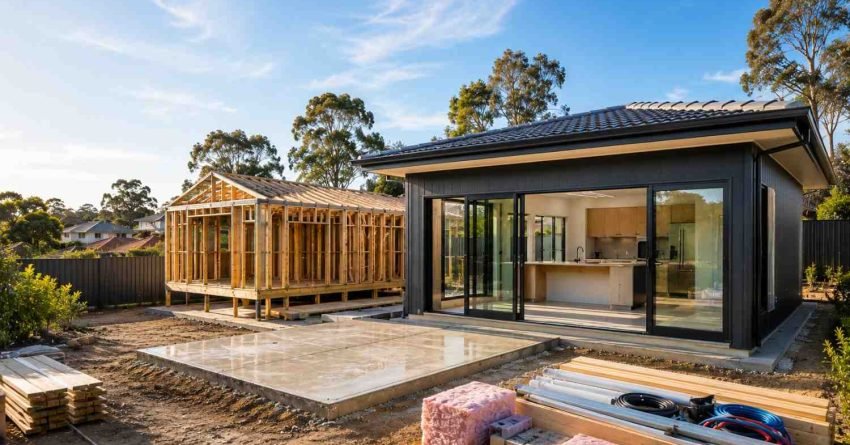
Site clearing, excavation, and concrete slab pour take the first two to three weeks. Wet weather and tricky access can push this out slightly, especially on tight Sydney blocks where machinery cannot reach the rear easily.
Frame, Roof, and Lock-Up (Weeks 4–9)
Frame goes up in 5 to 7 days, followed by roofing, external cladding or brickwork, windows, and external doors. The lock-up stage is reached around week 8 or 9, which is the milestone where the building is weatherproof and internal trades can begin.
Fit-Out, Finishes, and Handover (Weeks 10–16)
Plastering, electrical, plumbing, kitchen, bathroom, flooring, and painting fill the final 6 to 8 weeks. Build duration is closely tied to budget decisions, and a transparent granny flat cost breakdown helps homeowners match scope, materials, and timeframe before construction begins. Final certification, occupation certificate, and handover typically wrap up in the last few days.
Key Factors That Affect Granny Flat Build Time
Two granny flats of the same size can take very different amounts of time to complete. The variables below explain why.
Site Conditions and Access
Steep blocks, reactive clay soils, and limited rear access all extend the slab and framing stages. Ground conditions catch many owners off guard, and a thorough site inspection checklist identifies access, slope, and soil issues that influence build duration.
Design Complexity and Materials
A simple rectangular floor plan with standard finishes is faster to build than a custom design with raked ceilings, large glazing, or premium imported materials. Material lead times for tiles, tapware, and joinery can add 2 to 4 weeks if items are ordered late.
Builder Capacity and Trade Availability
Reputable Sydney builders are often booked 2 to 4 months in advance. Trade shortages, particularly in plumbing and electrical work, can stretch finishing stages by a week or two if not scheduled tightly.
Common Delays and How to Avoid Them
Most delays trace back to a handful of predictable causes. Approval revisions are the most common, usually triggered by incomplete BASIX or stormwater documentation. Variations during construction, such as changing the kitchen layout mid-build, add days each time. Weather affects roofing and external trades, with Sydney’s wet months between February and June posing the highest risk. Avoiding delays starts with understanding sequence, and our full build process article shows how design, approval, and construction stages interact day to day.
How to Speed Up Your Granny Flat Build
Lock in a standard or pre-approved design wherever possible, as custom layouts always take longer to document and price. Lodge under the CDC pathway when your site qualifies. Select all fixtures, tiles, and finishes before construction starts so the builder can order long-lead items early. Engage a builder with current capacity and a clear contract program, not just the cheapest quote. Pay deposits and progress claims on time so the build stays on its planned schedule.
Conclusion
Sydney granny flat timelines sit between 4 and 6 months when design, approvals, and construction are sequenced properly, with the CDC pathway delivering the fastest result for compliant secondary dwellings on residential lots.
Site conditions, design complexity, material lead times, and builder capacity all shape the final duration, which is why early planning, clear documentation, and an experienced project partner make such a measurable difference.
At Sydney Home Renovation, we plan every granny flat build around an honest, milestone-based program, so you know exactly when each stage begins, what it costs, and when you can move in.
Frequently Asked Questions
How long does it take to build a granny flat in Sydney from start to finish?
Most Sydney granny flats take 4 to 6 months in total, including roughly 4 to 6 weeks for design, 2 to 4 weeks for CDC approval, and 12 to 16 weeks for construction on a standard level block.
What is the fastest approval pathway for a granny flat in NSW?
The Complying Development Certificate (CDC) is the fastest pathway and can be issued in as little as 10 business days for compliant designs that meet the NSW Affordable Rental Housing SEPP criteria.
Can a granny flat be built in 3 months?
A 3-month total project is rare but possible if the design is pre-approved, the site is flat and accessible, a CDC is granted quickly, and the builder has immediate capacity to start construction.
Does a sloping block extend the build time?
Yes, sloping blocks typically add 2 to 4 weeks to construction because excavation, retaining, and engineered footings require more labour, material, and certification than a flat slab on a level site.
How long does it take to get council approval for a granny flat in Sydney?
A CDC through a private certifier usually takes 10 to 20 business days. A full Development Application through council can take 3 to 6 months depending on the council, site, and any objections raised.
What causes the biggest delays in granny flat construction?
The most common delays come from incomplete approval documentation, late selection of fixtures and finishes, wet weather during external trades, and mid-build variations that require re-pricing and rescheduling of subcontractors.