
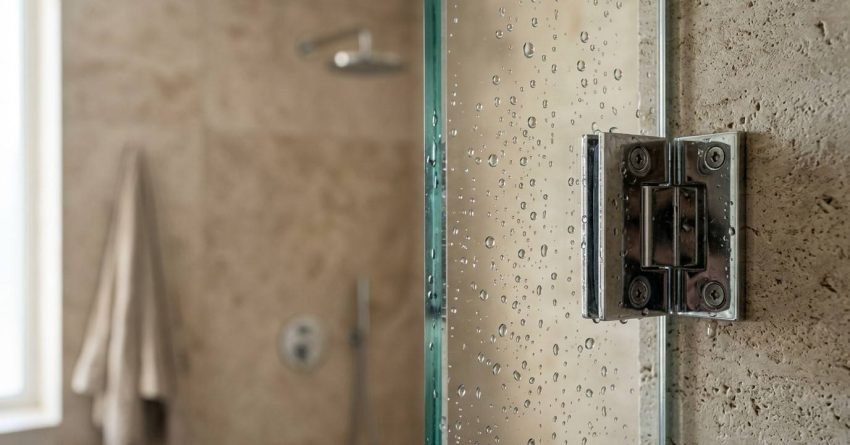
A frameless shower screen costs between $800 and $2,500 installed in Sydney, depending on glass thickness, screen size, and hardware finish. It is one of the most popular upgrades in a bathroom renovation right now, and for good reason. The look is clean, the maintenance is straightforward, and the long-term value is real.
Knowing the full picture before you commit saves you from budget surprises and installation headaches down the track.
I will walk you through exactly what a frameless shower screen is, what it costs in Sydney, and whether it is the right call for your renovation budget.
What Is a Frameless Shower Screen?
A frameless shower screen is a glass shower enclosure with no surrounding metal frame. The glass panels are fixed directly to the wall or floor using minimal hardware, typically polished or matte metal hinges, brackets, and a handle. That is it.
The result is a clean, uninterrupted glass surface that makes any bathroom feel larger and more open. Most frameless screens use toughened safety glass, which is heat-treated to be significantly stronger than standard glass and designed to crumble into small, blunt pieces rather than sharp shards if it ever breaks.
It is a simple concept executed well, and that simplicity is exactly what makes it so appealing.
How It Differs from Semi-Frameless and Framed Screens
A framed shower screen has a full aluminium frame running around every edge of the glass, top, bottom, and sides. It is the most affordable option and the most common in older bathrooms. A semi-frameless screen removes the frame from the glass panels themselves but keeps a structural frame around the outer perimeter or along the fixed panel.
A frameless screen eliminates the frame entirely. The glass does all the structural work, which is why it needs to be thicker and why the installation is more precise. The visual difference is significant; frameless screens look premium where framed screens look dated.
Common Glass Types and Thickness Options
Most frameless shower screens use either 8mm or 10mm toughened safety glass. The 10mm option is the industry standard for pivot and hinged doors because the extra thickness provides the rigidity needed without a frame to support it. Fixed panels can sometimes use 8mm glass, but 10mm is the safer and more durable choice across the board.
Low-iron glass is worth knowing about too. Standard clear glass has a slight green tint from its iron content, which becomes visible on thicker panels. Low-iron glass removes that tint and gives you a genuinely clear, bright finish. It costs more, but the visual difference in a well-lit bathroom is noticeable.
The Pros of a Frameless Shower Screen
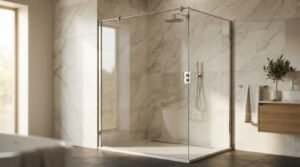
There are real, practical reasons why frameless shower screens have become the go-to choice in bathroom renovations in Sydney. The benefits go beyond aesthetics.
Aesthetic Appeal and Open Bathroom Feel
The most immediate benefit is visual. A frameless screen removes the visual weight of a metal frame and lets the eye travel through the glass uninterrupted. In smaller Sydney bathrooms, which are common in apartments and older homes, this makes a genuine difference to how spacious the room feels.
The minimalist look also ages well. Framed screens can look tired within a decade as the aluminium finish dulls or the seals discolour. A frameless screen with quality hardware stays looking sharp for much longer.
Easier to Clean and Maintain
Framed screens trap soap scum, hard water deposits, and mould in the channels and seals around the frame. Cleaning them properly takes time and effort. A frameless screen has none of those channels.
The glass surface is easy to wipe down with a squeegee after each use, and a weekly clean with a standard glass cleaner keeps it looking new. The hardware fittings are the only areas that need attention, and quality fittings are designed to resist corrosion in a wet environment.
Durability and Long-Term Value
Toughened safety glass is built to last. A well-installed frameless screen with quality hardware will outlast most other bathroom fittings. The glass itself does not rust, corrode, or degrade the way metal frames do over time.
From a property perspective, a frameless shower screen is a visible, high-impact upgrade that buyers and tenants notice immediately. It signals quality and care in a renovation, which supports both rental yield and resale value.
The Cons of a Frameless Shower Screen
No product is without trade-offs. Understanding the downsides upfront means no surprises during your renovation.
Higher Upfront Cost
A frameless shower screen costs more than a framed or semi-frameless option. The thicker glass, the precision hardware, and the custom installation all add to the price. For a budget-conscious renovation, the cost difference is real and worth factoring in early.
That said, the gap between frameless and semi-frameless has narrowed as frameless screens have become more mainstream. The premium is still there, but it is not as steep as it was five years ago.
Installation Complexity and Lead Times
Frameless screens are custom-measured and custom-made. A glazier visits the site, takes precise measurements, and the screen is fabricated to fit. That process takes time, typically two to four weeks from measure to install in Sydney.
This matters for renovation scheduling. I always advise clients to lock in their glazier early in the project timeline, not as an afterthought. A delayed screen can hold up tiling sign-off and final bathroom completion.
Potential for Water Leakage if Poorly Installed
A frameless screen relies on precise installation and quality silicone sealing to keep water where it belongs. The gaps between the glass and the wall, and between the door and the fixed panel, are managed by seals and the angle of the glass, not by a frame.
A poorly installed screen, or one with worn seals, will leak. This is not a flaw in the product; it is a flaw in the installation. Choosing an experienced glazier and a contractor who coordinates the full bathroom build properly eliminates this risk.
How Much Does a Frameless Shower Screen Cost in Sydney?
Sydney pricing for frameless shower screens varies based on size, glass specification, and hardware selection. Here is a realistic breakdown of what to expect in 2026.
Supply-Only vs. Supply and Install Pricing
Supply-only frameless shower screens for a standard 900mm x 900mm shower recess start at around $600 to $900 for a basic pivot door configuration. That price does not include delivery, installation labour, or silicone sealing.
Supply and install pricing, which is what most homeowners should budget for, typically ranges from $1,200 to $2,500 for a standard single-door frameless screen in Sydney. Larger enclosures, walk-in configurations, or screens with multiple panels push the price higher. A full frameless walk-in shower with two fixed panels and a pivot door can reach $3,000 to $4,500 installed.
Factors That Affect the Final Price
Several variables move the price up or down on any given job.
Glass thickness is the biggest driver; 10mm glass costs more than 8mm, and low-iron glass adds a further premium. Screen size matters directly: more glass means more cost. Hardware finish also plays a role; brushed nickel and matte black fittings cost more than standard chrome, but they hold their look better over time.
Access and site conditions affect labour cost too. A straightforward install in a new bathroom with plumb walls and a level base is faster and cheaper than a retrofit into an older bathroom with out-of-square walls that need adjustment.
Cost Comparison: Frameless vs. Semi-Frameless vs. Framed
| Screen Type | Supply Only (Approx.) | Supply + Install (Approx.) |
| Framed | $200 – $500 | $500 – $900 |
| Semi-Frameless | $400 – $700 | $800 – $1,400 |
| Frameless | $600 – $1,200 | $1,200 – $2,500+ |
These are indicative Sydney market ranges for a standard single-door shower screen. Custom sizes, premium glass, and complex configurations sit at the higher end or above these ranges.
Is a Frameless Shower Screen Worth It?
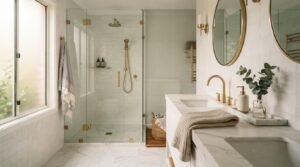
For most homeowners and investors renovating in Sydney, yes. The combination of durability, low maintenance, and visual impact makes frameless the strongest long-term choice when the budget allows.
The keyword is “allows.” A frameless screen is not the right call for every renovation. If the budget is tight and the bathroom is functional, a quality semi-frameless screen delivers most of the visual benefit at a lower cost. The goal is always to match the product to the renovation’s purpose and financial context.
When It Makes Sense for Your Renovation Budget
A frameless screen makes the most sense in three scenarios. First, when the bathroom is a primary bathroom in an owner-occupied home where quality and longevity matter. Second, when the renovation is designed to lift the property’s value or rental appeal, frameless screens are a visible, high-return upgrade in that context. Third, when the rest of the bathroom fitout is at a mid-to-premium level, and a framed screen would look out of place.
For a quick cosmetic refresh or a tight investment property budget, a semi-frameless screen is a smarter allocation of funds. Spend the savings on tiles, tapware, or vanity upgrades that deliver broader visual impact across the whole room.
Conclusion
A frameless shower screen delivers real value in a bathroom renovation: clean aesthetics, low maintenance, and long-term durability that holds up well in Sydney’s property market. The cost is higher upfront, but the return in quality and visual impact is consistent.
The decision comes down to budget, renovation purpose, and the overall fitout level. Match the screen to the project, and the numbers make sense.
At Sydney Home Renovation, we help homeowners and investors make exactly these calls, matching the right products to the right budgets and building bathrooms that perform and last. Get in touch to talk through your renovation.
Frequently Asked Questions
How thick is the glass on a frameless shower screen?
Most frameless shower screens use 10mm toughened safety glass for doors and pivot panels. Fixed panels sometimes use 8mm, but 10mm is the standard for structural integrity without a supporting frame. Low-iron glass is available at both thicknesses for a clearer finish.
Can a frameless shower screen be installed on any shower base?
A frameless screen needs a level, structurally sound base and plumb walls for a proper seal and fit. Most standard shower bases and tiled recesses work fine. Older bathrooms with significantly out-of-square walls may need minor preparation work before installation to ensure the screen sits correctly.
How long does a frameless shower screen last?
A well-installed frameless screen with quality hardware lasts 15 to 20 years or more. The toughened glass itself does not degrade. The hardware fittings and silicone seals are the components that need attention over time; seals typically need replacing every five to eight years depending on use and cleaning habits.
Does a frameless shower screen add value to a home?
Yes. A frameless shower screen is one of the most visible quality signals in a bathroom renovation. Buyers and tenants notice it immediately, and it consistently supports stronger rental yields and sale prices compared to framed alternatives. It is a high-impact, relatively low-cost upgrade in the context of a full bathroom renovation.
What is the cheapest frameless shower screen option in Sydney?
The most affordable entry point for a frameless screen in Sydney is a single fixed panel with a pivot door in 8mm glass with chrome hardware. Supply and install for this configuration starts at around $1,200 to $1,400. Going below that price point typically means compromising on glass thickness, hardware quality, or installation precision, none of which I recommend.
Do frameless shower screens leak?
A properly installed frameless screen does not leak. The gaps between the glass and the wall are sealed with silicone, and the door seals manage the gap at the opening. Leaks happen when installation is imprecise, seals are worn, or the screen was not measured and fitted correctly. Choosing an experienced glazier eliminates this risk.
How do I clean a frameless shower screen?
Squeegee the glass after every shower to remove water droplets and prevent hard water buildup. Once a week, wipe the glass down with a standard glass cleaner or a diluted white vinegar solution. Avoid abrasive cleaners or scourers; they scratch the glass surface. The hardware fittings just need a wipe with a damp cloth.


