The shower screen you choose shapes the entire feel of your bathroom, and the difference between semi-frameless and frameless comes down to budget, aesthetics, and how you plan to use the space.
Picking the wrong one costs you money twice: once at installation, and again when buyers or tenants notice the mismatch between the screen and the rest of the room.
This guide breaks down both options clearly: construction, cost, maintenance, and which one makes sense for your renovation goals in Sydney.
What Is a Semi-Frameless Shower Screen?
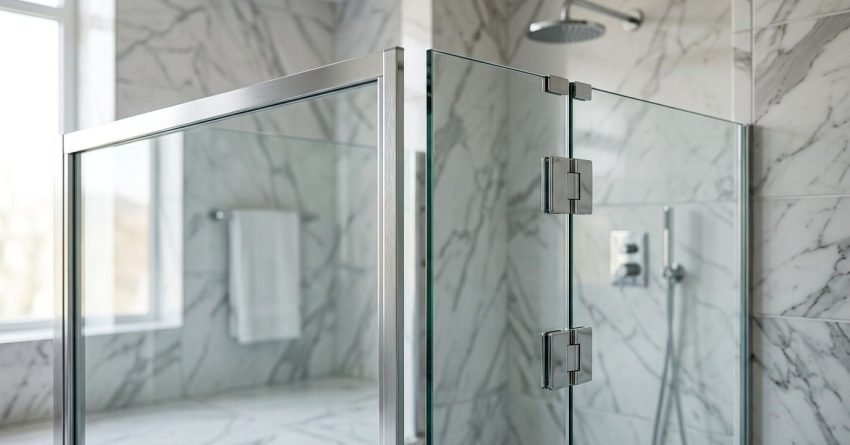
A semi-frameless shower screen uses aluminium channels or rails along some edges of the glass, typically the sides and top, while leaving the door itself without a full surrounding frame. The glass sits partially supported by hardware, partially by the structural silicone and wall fixing.
It is the middle ground between a fully framed screen and a fully frameless one. You get cleaner lines than a fully framed option, without the cost or installation complexity of going fully frameless.
How Semi-Frameless Screens Are Constructed
Semi-frameless screens typically use 6mm toughened glass panels. The fixed panels attach to aluminium side channels secured to the wall, while the door swings on pivot hinges or slides on a top rail.
The frame carries some of the structural load, which means the wall preparation requirements are less demanding than frameless. Silicone sealing runs along the base and wall joins to handle waterproofing.
Where Semi-Frameless Works Best
Semi-frameless screens suit standard bathroom layouts where the priority is a clean, modern look without a premium price tag. They work well in investment properties, rental renovations, and mid-range owner-occupier bathrooms where budget discipline matters.
They also suit bathrooms with tiled walls that are not perfectly plumb; the aluminium channels give the installer some tolerance to work with.
What Is a Frameless Shower Screen?
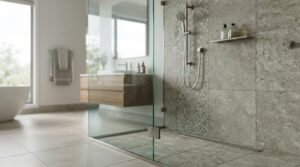
A frameless shower screen uses thick toughened glass, typically 10mm or 12mm, with no surrounding aluminium frame. The glass is fixed directly to the wall using point-fixed patch fittings or a minimal wall channel, and the door hangs on heavy-duty pivot or hinged hardware attached directly to the glass.
The result is a screen that almost disappears into the room. It creates an open, uninterrupted sightline that makes even a compact bathroom feel larger.
How Frameless Screens Are Constructed
The glass panels in a frameless screen carry their own structural load. That means the wall substrate behind the tiles needs to be solid, typically a cement sheet or solid masonry base, because the patch fittings transfer load directly into the wall.
Installation requires precise measurement and level walls. The silicone joins are minimal and intentionally discreet, which is part of what gives frameless screens their clean finish.
Where Frameless Works Best
Frameless screens suit premium bathroom renovations where the design is a deliberate feature of the room. They work particularly well in bathrooms with large-format tiles, stone finishes, or open-plan layouts where the shower is visible from the main living area or bedroom.
They are also the right call when you are renovating to sell or to attract high-quality long-term tenants in a premium Sydney market.
Semi-Frameless vs Frameless, Key Differences at a Glance
| Feature | Semi-Frameless | Frameless |
| Glass thickness | 6mm toughened | 10mm–12mm toughened |
| Frame hardware | Partial aluminium channels | Minimal patch fittings only |
| Visual weight | Light but visible hardware | Near-invisible |
| Cost range (supply + install) | $800–$1,800 | $1,500–$3,500+ |
| Installation complexity | Moderate | High |
| Wall prep requirement | Standard | Solid substrate essential |
| Cleaning effort | Moderate (channels collect grime) | Lower (fewer surfaces) |
| Best for | Budget to mid-range renovations | Mid-range to premium renovations |
Cost Comparison
In Sydney, a semi-frameless shower screen typically costs between $800 and $1,800 fully installed, depending on the size of the opening, the hardware finish selected, and whether the configuration is a single panel, corner, or alcove setup.
A frameless screen runs from $1,500 at the entry point up to $3,500 or more for larger openings, premium hardware finishes like brushed nickel or matte black, or custom-sized panels. The thicker glass is heavier and more expensive to manufacture, transport, and handle on site.
That cost gap is real, and it matters when you are working to a renovation budget.
Installation Complexity
Semi-frameless installation is straightforward for an experienced glazier. The aluminium channels give the installer adjustment room, and the lighter glass is easier to handle in tight bathroom spaces.
Frameless installation demands more precision. The walls need to be plumb and the substrate solid before a single fitting goes in. Any movement in the wall after installation risks cracking the glass or compromising the seal, which is why we always check the substrate before quoting a frameless job.
Aesthetic and Design Impact
This is where frameless wins decisively. The absence of visible hardware lets the tile work, stone, or feature wall carry the room. Grout lines, large-format tiles, and textured surfaces read clearly through the glass without aluminium channels interrupting the view.
Semi-frameless still looks clean and modern. But the hardware is visible, and in a bathroom with a strong design intent, that hardware becomes part of the visual equation.
Which One Suits Your Bathroom Renovation Budget?
The honest answer depends on what you are trying to achieve with the renovation, not just what you can spend.
Budget Renovations and Investment Properties
For investment properties and budget-conscious renovations, semi-frameless is the right call. It delivers a clean, contemporary look that photographs well, appeals to tenants, and holds up to daily use without demanding premium maintenance.
Spending an extra $700–$1,500 on a frameless screen in a rental property rarely translates to a proportional increase in rental yield. The money is better directed at waterproofing, tiling quality, or fixtures that tenants interact with daily.
Mid-Range to Premium Renovations
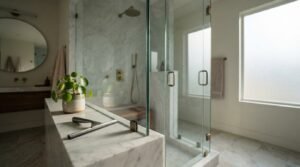
For owner-occupier renovations where you plan to live in the home for five or more years, or for properties targeting the premium end of the Sydney resale market, frameless is worth the investment.
The visual impact is significant. Buyers in the $1.5M–$3M+ Sydney market notice the difference between a frameless screen and a semi-frameless one, and that perception feeds into their offer. We have seen frameless screens contribute to faster sales and stronger buyer confidence in premium bathroom renovations.
Maintenance, Durability, and Long-Term Value
Both screen types use toughened safety glass, so the glass panels themselves are durable and long-lasting. The maintenance difference comes down to the hardware.
Cleaning and Upkeep Differences
Semi-frameless screens have aluminium channels that collect soap scum, hard water deposits, and mould if not cleaned regularly. The joins between the channel and the tile are also a common point for silicone degradation over time.
Frameless screens are easier to clean. There are fewer surfaces for grime to accumulate, and a daily squeegee keeps the glass clear with minimal effort. The silicone joins still need periodic inspection and resealing, typically every five to seven years, but the overall maintenance load is lower.
That lower maintenance burden is one reason frameless screens hold their appearance better over a decade of daily use.
Longevity and Resale Considerations
A well-installed semi-frameless screen lasts 10–15 years before the hardware or silicone shows meaningful wear. A frameless screen, installed correctly on a solid substrate, lasts just as long, and often looks newer for longer because there is less hardware to corrode or discolour.
From a resale perspective, frameless reads as a premium finish to buyers. Semi-frameless reads as functional and contemporary. Neither is a liability, but frameless gives you more room to position the bathroom as a feature rather than a standard inclusion.
Making the Final Decision: What We Recommend
For most Sydney homeowners renovating on a defined budget, semi-frameless delivers the best value. It looks great, installs cleanly, and keeps the renovation on track financially.
For renovators targeting premium resale, long-term owner-occupier satisfaction, or a bathroom that genuinely stands out in the market, frameless is the upgrade worth making.
The decision is not complicated once you are clear on your goals. We help homeowners and investors work through exactly this kind of decision every day, matching the right product to the right renovation outcome, without overselling or underselling either option.
At Sydney Home Renovation, we quote both options transparently so you can see the real cost difference and make the call that fits your budget and your goals. Reach out to our team, and we will walk you through the right choice for your bathroom.
Frequently Asked Questions
Is frameless more expensive than semi-frameless?
Yes, frameless shower screens cost more. In Sydney, semi-frameless screens typically install for $800–$1,800, while frameless screens run $1,500–$3,500 or more depending on size and hardware finish.
Which shower screen is easier to clean?
Frameless screens are easier to clean. Without aluminium channels to trap soap scum and moisture, a daily squeegee keeps the glass clear. Semi-frameless screens require more attention to the channel joins and silicone edges.
Can I install a frameless shower screen myself?
No, frameless shower screen installation requires a licensed glazier. The glass is heavy, the wall substrate must be assessed for structural suitability, and incorrect installation risks cracking the glass or compromising the waterproofing.
Does a frameless shower screen add value to my home?
Yes, in mid-range to premium Sydney properties, a frameless shower screen contributes to buyer perception of quality and finish. It positions the bathroom as a feature rather than a standard inclusion, which supports stronger offers and faster sales.
What glass thickness is used in frameless shower screens?
Frameless shower screens use 10mm or 12mm toughened safety glass. The extra thickness provides the structural rigidity needed without a surrounding frame. Semi-frameless screens typically use 6mm toughened glass supported by aluminium channels.
Are semi-frameless shower screens still popular in Sydney?
Yes. Semi-frameless screens remain the most common choice in Sydney bathroom renovations, particularly for investment properties, rental upgrades, and mid-range owner-occupier bathrooms. They offer a clean, modern look at a price point that suits most renovation budgets.
How long does shower screen installation take?
Most shower screen installations, semi-frameless or frameless, take between two and four hours for a standard alcove or corner configuration. Larger or custom configurations may take a full day. The glass typically needs 24 hours before the shower is used to allow silicone to cure fully.