
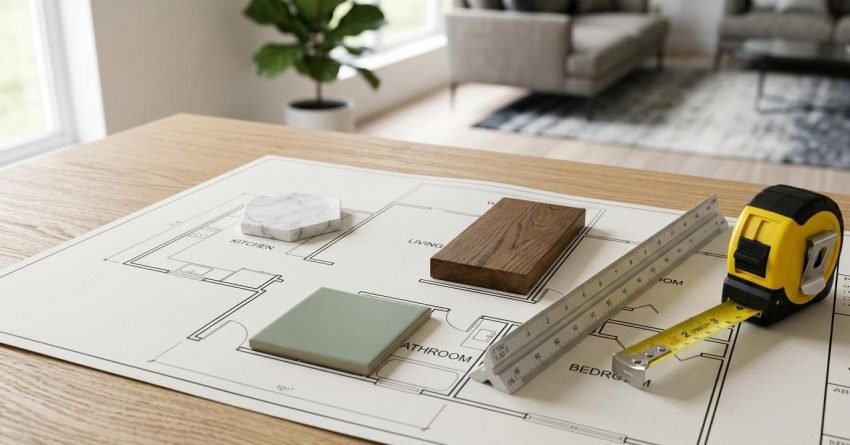
The order in which you renovate your home determines whether your project runs on time, on budget, and delivers lasting value — or spirals into costly rework, trade conflicts, and budget blowouts. For Sydney homeowners planning a whole home renovation, getting the sequence right from the start is not a minor detail. It is the single most important planning decision you will make before a single wall is touched.
Choosing the wrong room to start with can mean finishing a beautifully tiled bathroom only to crack it open again when the plumber needs access. It can mean painting walls that will be covered by new cornices, or installing flooring before the plasterer has finished. Every sequencing mistake costs money, time, and momentum.
This guide explains the correct whole home renovation priority order — from structural assessments and high-return rooms through to cosmetic finishes — so you can plan your project with confidence, coordinate trades efficiently, and protect your renovation budget at every stage.
Why Renovation Order Matters More Than Most Homeowners Realise
Most homeowners begin planning a whole home renovation by thinking about what they want — a new kitchen, a modern bathroom, fresh flooring throughout. What they rarely think about first is the order in which those changes need to happen to avoid undoing completed work.
Renovation sequencing is a construction logic problem as much as it is a design problem. Wet areas like kitchens and bathrooms involve plumbing, waterproofing, and tiling that must be completed before adjacent rooms are finished. Structural work must happen before internal linings go up. Electrical and plumbing rough-ins must be done before walls are closed. Each stage creates the conditions for the next, and skipping ahead creates expensive consequences.
In Sydney’s residential construction market, where trade availability is tight and project timelines are long, a sequencing error does not just cost money in rework. It costs weeks of delay while you wait for the same trade to return and fix what should have been done in the right order the first time.
Understanding renovation order also means understanding where your budget will be concentrated — our bathroom renovation costs guide breaks down exactly what to expect for one of the highest-priority rooms in any whole home renovation sequence.
The homeowners who complete whole home renovations on budget and on schedule are almost always the ones who planned the sequence before they planned the design. Knowing which rooms come first — and why — is where that planning starts.
How to Assess Your Home Before Deciding Where to Start
Before you assign any priority order to rooms, you need an accurate picture of your home’s current condition. The renovation sequence for a structurally sound home in good condition is very different from the sequence for a home with drainage problems, asbestos, or a failing roof.
A pre-renovation assessment is not optional. It is the document that tells you whether your planned sequence is even possible, and it is the foundation on which every budget estimate and trade booking should be built.
Structural and Safety Issues Always Come First
No cosmetic renovation should begin in a home with unresolved structural or safety issues. This is not a preference — it is a construction principle. Structural defects affect the integrity of everything built around them. Safety hazards including asbestos, faulty wiring, and rising damp create compliance and liability risks that cannot be deferred.
If your pre-renovation assessment identifies any of the following, they must be resolved before any other work begins: foundation movement or subsidence, roof leaks or structural roof damage, load-bearing wall damage, asbestos-containing materials in areas to be disturbed, and active water ingress or rising damp. These are not items to schedule around. They are the starting point.
How to Read a Building Inspection Report
A building inspection report categorises defects by severity. Major defects — those affecting structural integrity or safety — require immediate attention and must be scoped and costed before your renovation budget is finalised. Minor defects and maintenance items can often be addressed as part of the broader renovation scope.
Before any renovation work begins, a professional assessment is essential — the building inspection process identifies structural defects, safety hazards, and compliance issues that must be resolved before cosmetic work can proceed.
When reviewing your report, pay particular attention to the roof, subfloor, drainage, and electrical sections. These are the areas most likely to generate unexpected costs if they are not addressed early in the renovation sequence.
The Whole Home Renovation Priority Framework
A practical whole home renovation priority framework organises all work into three tiers based on construction logic, safety requirements, and return on investment. This framework applies to the vast majority of Sydney residential renovation projects regardless of home size or renovation scope.
Priority Tier 1: Structure, Safety, and Services
Tier 1 covers everything that must be resolved before internal renovation work can begin. This includes all structural repairs, safety remediation, and the rough-in of core services — plumbing, electrical, and gas.
Structural work must happen first because it determines the layout and load paths of everything that follows. Services rough-in must happen before walls are closed because accessing pipes and cables after linings are installed requires demolition. There is no flexibility in this sequence.
Addressing foundations, load-bearing walls, and roofing before anything else protects every dollar spent downstream — our guide to structural renovation work explains what Tier 1 repairs involve and how to scope them accurately before budgeting begins.
Tier 1 is also where asbestos removal, termite treatment, and any required council approvals or development applications must be completed. Attempting to begin Tier 2 work while Tier 1 items remain unresolved is the most common cause of whole home renovation budget blowouts.
Priority Tier 2: High-Impact, High-Return Rooms
Tier 2 covers the rooms that deliver the greatest functional improvement and the strongest return on renovation investment: the kitchen, bathrooms, and any structural layout changes such as wall removals or room additions. These rooms are prioritised because they involve the most complex trades, the longest lead times for materials and fittings, and the greatest impact on both liveability and property value.
Wet areas — kitchens and bathrooms — are always completed before living areas and bedrooms because their waterproofing, tiling, and plumbing work generates dust, moisture, and trade traffic that would damage finishes in adjacent rooms if those rooms were completed first.
Priority Tier 3: Cosmetic and Lifestyle Upgrades
Tier 3 covers all work that improves the appearance and comfort of the home without involving structural changes or wet area construction: plastering and painting, flooring, joinery, lighting, and landscaping. These items are completed last because they are the most sensitive to damage from ongoing construction activity and because their quality depends on all preceding work being finished and dry.
Flooring is one of the most common sequencing mistakes in whole home renovations. Many homeowners want to see their new floors early in the project. Installing flooring before plastering, painting, and joinery is complete almost always results in damage that requires repair or replacement.
Which Rooms to Renovate First — and Why
With the three-tier framework established, the room-by-room sequence for a typical Sydney whole home renovation follows a clear logic. Understanding why each room sits where it does in the sequence helps you make informed decisions when your specific project requires adjustments.
Kitchen Renovation: The Highest-Return Starting Point
The kitchen is the most complex room in any home renovation. It involves the greatest concentration of trades — plumber, electrician, cabinetmaker, tiler, and plasterer — and the longest lead times for custom cabinetry and appliances. It is also the room that delivers the strongest return on renovation investment in Sydney residential property.
For these reasons, the kitchen should be one of the first Tier 2 rooms to be scoped, designed, and scheduled, even if it is not the first room where physical work begins. Cabinet lead times of eight to twelve weeks are common in Sydney, meaning the kitchen design and ordering process must start well before trades are on site.
The kitchen consistently delivers the strongest return on renovation investment in Sydney residential property — our kitchen renovation Sydney covers scope, costs, and sequencing considerations for homeowners planning this room as their starting point.
Bathroom Renovation: Essential Early in the Sequence
Bathrooms share plumbing infrastructure with kitchens and must be waterproofed, tiled, and fully completed before adjacent rooms receive their final finishes. In a whole home renovation, bathrooms are typically completed immediately after or alongside the kitchen, depending on the number of bathrooms and the available trade schedule.
The waterproofing cure time for a bathroom — typically a minimum of 24 to 48 hours between coats, with a full cure period before tiling — means bathroom work needs to be scheduled with enough lead time to avoid holding up the broader project timeline.
Bathrooms share plumbing and waterproofing infrastructure with kitchens, making them the logical second priority in most whole home renovation sequences — our bathroom renovation Sydney outlines what a full bathroom renovation involves and how it fits within the broader project timeline.
Living Areas and Bedrooms: Sequence After Wet Areas
Living areas and bedrooms are Tier 3 rooms in most whole home renovations. They receive plastering, painting, flooring, and joinery after all wet area work is complete and fully cured. This sequencing protects new finishes from the moisture, dust, and trade traffic generated by kitchen and bathroom construction.
The exception is any structural work in living areas — wall removals, beam installations, or room additions — which must be completed as part of Tier 1 regardless of the room’s cosmetic priority.
Laundry, Garage, and Outdoor Areas: Last in the Order
Laundries, garages, and outdoor areas are typically the final rooms to be completed in a whole home renovation. Laundries involve plumbing and tiling similar to bathrooms but are lower priority because they have less impact on daily liveability and property value. Garages and outdoor areas are completed last because they are least sensitive to construction activity and because landscaping, in particular, can be damaged by ongoing site traffic.
How Trades Sequencing Affects Your Renovation Timeline
Understanding which rooms to renovate first is only part of the sequencing challenge. Within each room, and across the project as a whole, the order in which individual trades work determines whether your timeline holds or collapses.
The Correct Order of Trades on a Renovation Project
The standard trades sequence for a whole home renovation in Sydney follows this order: demolition, structural work, rough-in plumbing and electrical, framing and insulation, plastering, tiling and waterproofing, cabinetry and joinery installation, painting, flooring, and final fix — which includes tapware, light fittings, switches, and door hardware.
Each trade creates the conditions for the next. Plasterers cannot work until rough-ins are complete and inspected. Tilers cannot work until waterproofing is applied and cured. Painters cannot work until plastering is dry and sanded. Flooring cannot be installed until painting is complete. Deviating from this sequence creates rework, and rework is the primary driver of budget overruns in whole home renovations.
What Happens When Trades Are Scheduled Out of Order
When trades are scheduled out of order — often because a homeowner or inexperienced project manager tries to accelerate the timeline — the consequences are predictable. Plasterers working over incomplete rough-ins means walls must be opened again. Painters working in rooms where tiling is still in progress means paint must be touched up after grouting. Flooring installed before painting is complete means drop sheets, tape, and almost always some degree of damage.
Coordinating trades in the correct sequence is one of the most complex parts of a whole home renovation — our renovation project management guide explains how a professional contractor structures the build program to keep every trade on schedule and on budget.
The cost of a single sequencing error in a whole home renovation is rarely just the cost of fixing the immediate problem. It is the cost of the delay, the cost of the return visit, and often the cost of damaged materials that need to be replaced.
Budgeting Across a Whole Home Renovation
Renovation sequencing and renovation budgeting are inseparable. The order in which rooms are renovated determines when costs are incurred, how contingency funds are deployed, and where the greatest financial risk sits in the project timeline.
How to Allocate Budget Across Rooms in Priority Order
A practical approach to whole home renovation budgeting allocates funds in the same order as the renovation sequence. Tier 1 structural and services work receives its full budget allocation before any Tier 2 or Tier 3 spending is committed. This protects against the common scenario where a homeowner spends heavily on a new kitchen only to discover that the roof needs replacing and the remaining budget is insufficient.
Allocating budget across multiple rooms requires a clear understanding of what each stage will cost before work begins — our whole home renovation costs guide provides room-by-room cost breakdowns and contingency planning frameworks for Sydney homeowners.
A standard contingency allowance for a whole home renovation is 15 to 20 percent of the total project budget. This contingency should be held in reserve and not allocated to specific rooms until Tier 1 work is complete and all structural and services costs are confirmed.
Hidden Costs That Disrupt Whole Home Renovation Plans
The costs most likely to disrupt a whole home renovation budget are the ones that are not visible during the planning phase. In Sydney’s older housing stock — particularly homes built before 1990 — the most common hidden costs include asbestos removal, subfloor repairs, outdated electrical switchboards requiring upgrade, and drainage systems that do not comply with current standards.
Budget overruns in whole home renovations are almost always caused by costs that were not identified during the planning phase — our hidden renovation costs resource identifies the most common financial surprises and how to build them into your contingency allowance from the start.
Identifying these costs before work begins — through a thorough pre-renovation assessment — is the most effective way to protect your budget. Discovering them mid-project, when trades are already on site and the project is in motion, is significantly more expensive than addressing them during the planning phase.
Owner-Occupier vs. Investment Property: Does Priority Order Change?
The fundamental construction logic of renovation sequencing — structure first, wet areas second, cosmetics last — applies to both owner-occupier and investment property renovations. What changes between the two is the weighting given to specific rooms and the criteria used to make upgrade decisions.
Owner-occupiers typically prioritise liveability alongside return on investment. This means the kitchen and master bathroom often receive a higher specification than they would in a pure investment renovation, because the homeowner will live with those choices daily. Outdoor areas and living spaces may also receive more attention because they contribute directly to quality of life.
Investment property renovations are driven primarily by rental yield and capital growth. This shifts the priority toward the rooms that most directly affect tenant appeal and rental price — typically the kitchen, bathrooms, and flooring — while keeping specifications at a level that is durable, low-maintenance, and cost-effective rather than premium.
The priority order for an investment property renovation differs from an owner-occupier project in several important ways — our investment property renovation guide explains how to sequence rooms for maximum rental yield and capital growth rather than personal liveability.
In both cases, the sequencing logic remains the same. The difference is in the specification level and the budget allocation per room, not in the order in which the work is done.
Common Mistakes Homeowners Make When Choosing Where to Start
The most expensive renovation mistakes are almost always sequencing mistakes. Understanding the most common errors helps you avoid them before they cost you money.
Starting with cosmetic rooms before structural work is assessed is the single most common mistake in whole home renovations. Homeowners who begin with painting, flooring, or bathroom tiling before a building inspection has been completed frequently discover structural or services issues mid-project that require demolishing completed work to access.
Ordering materials and fittings before the design is locked is the second most common mistake. Long lead time items — particularly custom cabinetry, imported tiles, and bespoke joinery — must be ordered based on confirmed measurements and confirmed design decisions. Ordering before the design is finalised leads to returns, replacements, and delays that push every subsequent trade back.
Booking trades without a confirmed project sequence is the third major mistake. Trades booked without a clear program frequently arrive before the preceding trade has finished, creating conflicts, delays, and additional costs. In Sydney’s competitive trades market, rescheduling a trade that has been displaced by a sequencing error can add weeks to a project timeline.
Most sequencing mistakes are preventable with the right preparation — our renovation planning checklist walks through every decision point homeowners need to address before committing to a renovation order and engaging trades.
Attempting to manage a whole home renovation without professional project coordination is the fourth mistake. The complexity of coordinating eight to twelve trades across multiple rooms over a six to twelve month timeline is beyond the capacity of most homeowners to manage alongside full-time work and family commitments. The cost of professional project management is consistently recovered through better trade pricing, fewer delays, and fewer sequencing errors.
Conclusion
A whole home renovation delivers its best results — on budget, on schedule, and built to last — when the sequence is planned before the design. Structure and safety first, wet areas and high-return rooms second, cosmetic finishes last: this is the framework that protects your investment at every stage of the project.
The room-by-room priority order is not arbitrary. It follows the logic of construction, the requirements of trades, and the financial reality of renovation budgeting in Sydney’s residential market.
At Sydney Home Renovation, we help homeowners and property investors plan and execute whole home renovations with the sequencing, budgeting, and trade coordination that keeps projects on track from the first assessment to the final fix. Contact our team to discuss your renovation sequence and get a clear plan before work begins.
Frequently Asked Questions
What room should I renovate first in a whole home renovation?
Structural and safety issues must be resolved first, followed by services rough-in. Once Tier 1 work is complete, the kitchen and bathrooms are the highest-priority rooms because they involve the most complex trades and deliver the strongest return on investment.
Should I renovate the kitchen or bathroom first?
In most whole home renovations, the kitchen and bathrooms are renovated at the same time or in close sequence because they share plumbing infrastructure and trade scheduling. If only one can go first, the kitchen typically takes priority due to longer lead times for cabinetry and appliances.
How do I know if structural work needs to happen before cosmetic renovations?
A pre-renovation building inspection will identify any structural defects, safety hazards, or compliance issues that must be resolved before cosmetic work begins. Any major defect identified in the inspection report — including foundation movement, roof damage, or active water ingress — must be addressed in Tier 1 before other rooms are started.
How long does a whole home renovation take in Sydney?
A whole home renovation in Sydney typically takes between six and eighteen months depending on the scope of work, the number of rooms involved, and the availability of trades. Projects involving structural changes, heritage requirements, or council approvals will sit at the longer end of this range.
Can I live in my home during a whole home renovation?
Living in a home during a whole home renovation is possible but challenging. It depends on the scope of work, the number of functional rooms available at any given stage, and your tolerance for construction noise, dust, and disruption. Many homeowners choose to vacate during the most intensive phases — particularly demolition, structural work, and kitchen and bathroom construction.
How do I budget for a whole home renovation in Sydney?
Start by completing a pre-renovation assessment to identify all structural and services costs before allocating budget to individual rooms. Prioritise Tier 1 costs first, then allocate to Tier 2 rooms based on confirmed designs and trade quotes. Hold a contingency of 15 to 20 percent of the total project budget in reserve until Tier 1 costs are confirmed.
What trades need to be booked first for a whole home renovation?
The demolition contractor and structural engineer should be engaged first, followed by the plumber and electrician for rough-in work. Cabinetmakers should be engaged early due to lead times of eight to twelve weeks for custom kitchens. All other trades — plasterers, tilers, painters, and flooring installers — are booked in sequence once the project program is confirmed.
Does renovation order affect resale value?
Yes. Completing renovations in the correct sequence protects the quality and longevity of all finishes, which directly affects resale value. Cosmetic work completed before structural issues are resolved will deteriorate faster and may require disclosure to buyers. Renovations completed in the correct order with quality trades and materials consistently deliver stronger capital growth outcomes in Sydney’s residential property market.


