
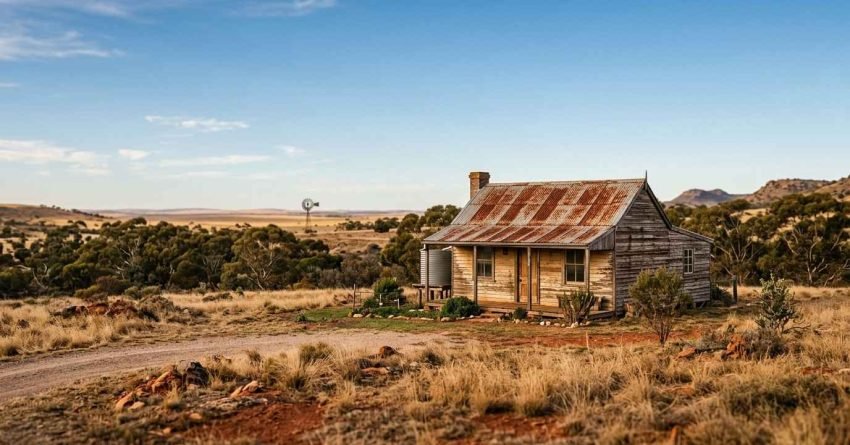
Yes, we can confirm houses listed under $100,000 still exist in Australia, but the options are narrow, geographically concentrated, and come with trade-offs every buyer needs to understand before committing. These properties sit almost entirely in remote and regional areas, and they rarely resemble what most buyers picture when they imagine homeownership. We’ve helped clients evaluate these properties before, and understanding where they are, what condition they’re typically in, and what true ownership costs look like is essential before treating a low price tag as an opportunity.
Where Houses Under $100,000 Actually Exist in Australia
Sub-$100,000 residential properties do exist on the Australian market, but they’re concentrated in a small number of locations and property categories. In most capital cities and major regional centres, this price point doesn’t buy a house. It may not even buy a vacant block.
The properties that fall below this threshold are almost exclusively found in remote towns, declining rural communities, or distressed sales requiring substantial remediation work.
Regional and Rural Markets With Sub-$100K Stock
The most consistent source of sub-$100,000 houses in Australia is outback and remote Queensland, parts of rural South Australia, western New South Wales, and select areas of regional Victoria and Tasmania. Towns like Broken Hill in far-west NSW and parts of the Queensland outback around Longreach regularly produce listings in this range. Towns with shrinking populations, limited employment, and low demand consistently produce the cheapest listings.
Suburbs and towns within commuting distance of major employment hubs rarely fall to this level. According to CoreLogic’s housing market data, median dwelling values in most Australian capital cities now exceed $700,000, which shows how far below the national baseline a sub-$100K property sits. These aren’t overlooked bargains in growing markets. They’re properties in areas where demand has structurally declined.
Property Types That Fall Below the $100,000 Threshold
At this price point, we most commonly see older timber or fibro homes in remote towns, properties with significant structural or cosmetic damage, deceased estate sales requiring full clearance and remediation, and occasionally small rural blocks with basic dwellings. Strata title units in some regional areas can also appear at this price, though they carry body corporate obligations that add to ongoing costs.
Freestanding houses in this bracket are rarely move-in ready. Most require immediate investment to reach a habitable or insurable standard.
Buying a property that needs significant work involves a separate layer of financial and structural assessment that goes well beyond the purchase price itself.
What to Expect When Buying a House at This Price Point
The purchase price is only the beginning of the financial picture for a sub-$100,000 property. Buyers who focus solely on the listing price without accounting for full ownership costs frequently find their total spend exceeds what a more expensive property in a better location would have cost them.
Hidden Costs, Condition Risks, and Financing Challenges
Structural issues are common at this price point. Older homes in remote areas often have outdated electrical systems, deteriorating roofing, substandard plumbing, and pest damage that isn’t visible during a basic inspection. We consider a thorough building and pest inspection non-negotiable on every property like this.
Beyond condition, renovation and repair costs on older or distressed properties can quickly reach $50,000 to $150,000 or more depending on scope, which fundamentally changes the investment equation. Insurers also apply stricter underwriting to older homes in remote postcodes, and some properties become difficult to insure at standard rates until major systems are updated.
Financing is another significant barrier. Many lenders apply minimum loan amounts, typically between $50,000 and $100,000, which means a sub-$100K property may not qualify for a standard mortgage. Lenders also apply stricter valuation scrutiny in low-demand postcodes, and some remote areas get classified as non-standard security, limiting borrowing options to specialist lenders at higher rates. Some regional and first-home buyer grant schemes can offset part of the purchase cost, but eligibility depends heavily on postcode and property type, so we always recommend confirming this with the relevant state authority before assuming a grant applies.
What Renovation Actually Costs on a Sub-$100K Property
We find most buyers underestimate trade costs on older regional homes. A full electrical rewire on a small timber home commonly runs $8,000 to $15,000, while re-roofing can add another $10,000 to $20,000 depending on materials and access.
Plumbing replacement in homes with original galvanised piping often costs $6,000 to $12,000. Structural repairs to stumps, bearers, or joists in older timber homes can push costs higher still, particularly in humid or termite-prone regions.
When we add these figures together, a property bought for $90,000 can easily require another $60,000 to $100,000 to reach a safe, insurable, rentable standard. That total often lands close to the median price of a modest home in a stronger location.
A Practical Due Diligence Checklist Before You Buy
Before committing to a sub-$100,000 property, we recommend working through a clear sequence rather than reacting to the price alone.
- Confirm lender appetite for the specific postcode before making an offer.
- Commission a full building and pest inspection, not a basic visual check.
- Get written trade quotes for any visible structural, electrical, or plumbing issues.
- Check local vacancy rates and population trends if the purchase is for investment.
- Confirm insurance availability and indicative premiums for the property’s age and location.
- Factor holding costs, rates, and travel time into the total budget if you don’t live locally.
This process takes more time upfront, but it protects buyers from discovering major costs after settlement.

Is Buying Under $100,000 Actually Worth It in Australia?
The answer depends entirely on the buyer’s objective. For an owner-occupier seeking a primary residence, a sub-$100,000 house in a remote or declining area carries real lifestyle and resale risk. Limited services, employment, and infrastructure make these locations unsuitable for most households.
For an investor, the yield calculation can look attractive on paper, but vacancy rates in low-demand towns are high, property management is difficult, and capital growth isn’t guaranteed. We see genuine value at this price point mainly in towns with stable or growing populations, proximity to essential services, and a clear renovation pathway that brings the property to a rentable or resaleable standard without overcapitalising.
These opportunities exist. They just require disciplined due diligence rather than a reflexive response to a low price.
Conclusion
Houses under $100,000 exist in Australia, but they’re concentrated in remote and regional areas where demand is low and condition risks are high. The purchase price rarely reflects the true cost of ownership once repairs, financing constraints, and holding costs are factored in.
For homeowners, renovators, and investors considering this path, the decision requires a clear-eyed assessment of location fundamentals, property condition, and total renovation spend before signing anything.
At Sydney Home Renovation, we help buyers and investors evaluate renovation scope and cost before they commit, so every decision is grounded in accurate numbers rather than optimistic assumptions. Contact us to discuss your project.
Frequently Asked Questions
What states have the cheapest houses in Australia?
Queensland, South Australia, and New South Wales consistently produce the most sub-$100,000 listings, concentrated in remote outback towns and rural areas with low population demand and limited employment.
Can you get a mortgage on a house under $100,000 in Australia?
Many lenders apply minimum loan thresholds and restrict lending in low-demand postcodes. Buyers often need specialist lenders, larger deposits, or alternative financing structures to purchase at this price point.
Are cheap rural properties a good investment in Australia?
They can be, but only in towns with stable populations and genuine rental demand. High vacancy rates, limited capital growth, and difficult property management make many remote cheap properties poor long-term investments.
What is the cheapest type of property to buy in Australia?
Older freestanding homes in remote towns, deceased estate sales, and distressed properties requiring renovation consistently represent the lowest price points available in the Australian residential market.
What hidden costs should I expect when buying a cheap house in Australia?
Expect building and pest inspection fees, structural repair costs, updated electrical and plumbing work, council rates, insurance premiums for older homes, and potentially higher borrowing costs through specialist lenders.
Can I use a first home buyer grant on a sub-$100,000 property?
Some state grant schemes apply to regional purchases, but eligibility depends on the property type, location, and whether it meets each scheme’s specific price and construction requirements.


