
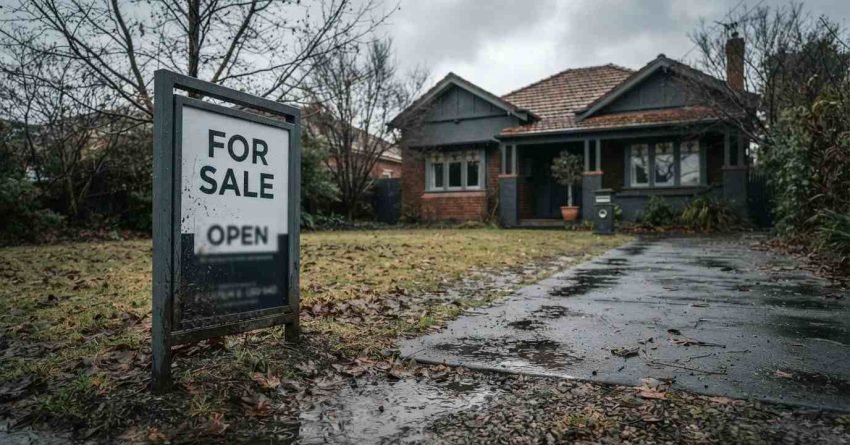
June and July are consistently the hardest months to sell a house in Australia. Winter suppresses buyer activity, reduces open home attendance, and compresses competition in ways that can directly affect your final sale price. We’ve seen how understanding this pattern gives homeowners and investors a meaningful advantage when planning a sale timeline.
Selling a property is one of the largest financial decisions most Australians make. Getting the timing wrong does not just mean a slower sale. It can mean accepting a lower offer than the market would otherwise support.
We know which months carry the highest risk, and sharing that helps you plan with confidence, whether you’re selling a primary residence, an investment property, or a recently renovated home.
Why Winter Is the Hardest Season to Sell a House in Australia
June and July represent the peak of Australia’s winter selling difficulty. Buyer numbers fall, open home attendance drops, and properties tend to sit on the market longer than they would in spring or autumn. The combination of cold weather, shorter daylight hours, and school holiday disruptions creates a market environment where motivated sellers face a smaller pool of active buyers.
Fewer buyers at inspections means less competitive pressure on offers. Less competitive pressure means vendors are more likely to accept lower bids or extend their campaign without result.
Winter is the season that demands the most careful preparation and realistic pricing strategy.
How Cold Weather Affects Buyer Behaviour and Open Home Attendance
Cold, wet weekends reduce the number of buyers willing to attend open homes. This is not speculation. Real estate agents across Sydney, Melbourne, and Brisbane consistently report lower foot traffic during June and July compared to September and October, with some markets recording auction clearance rates dropping by 8–12% during peak winter weeks, according to CoreLogic’s seasonal property data. Buyers who are browsing rather than committed tend to pause their search entirely during winter months.
The visual impact of a property also suffers during this period. Gardens look bare, natural light is reduced, and homes can feel smaller and darker during inspections. These factors combine to make it harder for buyers to emotionally connect with a property, which is a critical part of the decision to make an offer.
What Happens to Property Prices During Winter Months
Winter does not always produce lower sale prices, but it does reduce the conditions that drive prices up. Auction clearance rates typically soften during June and July across major Australian capital cities. When fewer bidders compete at auction, the final result often reflects the reserve rather than exceeding it.
Private treaty sales in winter also tend to involve more negotiation. Buyers who are active during the colder months often know they have more leverage and use it.
We’ve found that sellers who aren’t prepared for this dynamic can end up accepting terms they wouldn’t have needed to consider in a stronger seasonal market. The best time to list a property depends on more than avoiding winter. It comes down to understanding how a specific suburb, property type, and buyer demographic behave across the full calendar year.

How Market Conditions Vary by State and City
Australia’s property market is not uniform. While June and July are broadly the hardest months nationally, the severity of the winter slowdown varies significantly between capital cities. Climate, population density, and local buyer behaviour all influence how much winter actually affects a given market.
Does the Hardest Month Differ Between Sydney, Melbourne, and Brisbane?
In Sydney, July is typically the weakest month for sales volume and buyer engagement. The city’s auction market slows noticeably, and properties listed in mid-winter often require extended campaigns. In Melbourne, June can be equally challenging, with cold and wet conditions keeping buyers indoors and clearance rates falling below annual averages.
Brisbane presents a different picture. Queensland’s milder winters mean the seasonal slowdown is less pronounced. June and July in Brisbane are often more active than the same months in southern cities, though buyer numbers still dip compared to spring.
Perth follows a different rhythm again. Western Australia’s market tends to soften more in the lead-up to Christmas than in mid-winter, meaning July can actually be a reasonably steady month for Perth sellers. Adelaide sits somewhere in between, with a moderate winter dip that rarely matches the severity seen in Sydney or Melbourne.
For sellers in Queensland, the hardest months tend to align more closely with the summer wet season than with winter. We think this regional variation is one of the most overlooked factors in national seasonal advice, and it’s worth checking local clearance data before assuming winter is automatically the worst time to list.
When Is the Best Time to Sell a House in Australia Instead?
Spring, specifically September and October, is the strongest selling season across most of Australia. Buyer confidence is higher, gardens and street appeal are at their best, and longer daylight hours make evening inspections practical. Auction clearance rates typically peak during this window, and competition between buyers is at its most intense.
Autumn, particularly March and April, is the second-strongest window. The market is still active after the summer holiday period, buyers are motivated, and stock levels have not yet peaked.
Property type matters here too. Houses with gardens and street-facing appeal benefit more from spring timing than apartments do, since apartments rely less on external presentation and more on internal features like light and layout. Apartment sellers often have slightly more flexibility to list successfully outside the traditional spring peak.
For homeowners who miss the spring window, autumn offers a genuine second opportunity to achieve a strong result.

How to Prepare Your Home for a Winter Sale
We tell clients that a winter listing isn’t a lost cause. It just requires sharper presentation and smarter timing decisions than a spring campaign would.
Interior lighting becomes critical when daylight hours shrink. Warm, layered lighting throughout main living areas helps offset grey winter afternoons and keeps rooms feeling inviting during late-day inspections. Heating should be tested and running before every open home, since a cold house reads as a neglected one.
Street appeal still matters in winter, even with bare gardens. Simple fixes like fresh mulch, pruned hedges, and a clean, well-lit entryway go a long way toward making a property feel cared for despite the season.
We’ve also seen strong results when sellers complete minor cosmetic renovations before listing. A refreshed kitchen benchtop, updated bathroom fixtures, or a fresh coat of paint can offset the visual flatness that winter light creates, giving buyers something to connect with even on a cold, grey inspection day.
Conclusion
June and July are the hardest months to sell a house in Australia, driven by reduced buyer activity, lower open home attendance, and softer auction competition across most capital cities.
For homeowners and investors, understanding seasonal timing is not just useful context. It’s a practical tool for protecting a sale outcome and maximising the return on a property.
At Sydney Home Renovation, we help homeowners prepare their properties for sale with the right upgrades at the right time, so they can list with confidence when the market is working in their favour.
Frequently Asked Questions
Is it ever worth selling a house in winter in Australia?
Yes. Motivated buyers still purchase in winter, and reduced listing competition can work in your favour. Properties with strong presentation and realistic pricing can still achieve solid results during June and July.
What month do most Australians list their homes for sale?
September is the most popular month for new listings across Australia. Spring brings the highest volume of both buyers and sellers, making it the most competitive and active period in the annual property calendar.
How much does selling in winter affect the final sale price?
The impact varies by location and property type. In competitive markets like Sydney, winter sales can produce results 5–10% below what the same property might achieve in peak spring conditions, particularly at auction.
Does the hardest month to sell vary between capital cities?
Yes. Sydney and Melbourne experience the sharpest winter slowdowns in June and July. Brisbane’s milder climate reduces the seasonal effect, while Perth and Adelaide follow their own distinct seasonal rhythms based on local buyer behaviour.
What are the signs that a property market is slowing down?
Key indicators include falling auction clearance rates, longer days on market, increased vendor discounting, and reduced open home attendance. These signals often appear in June and July before easing as spring approaches.


