
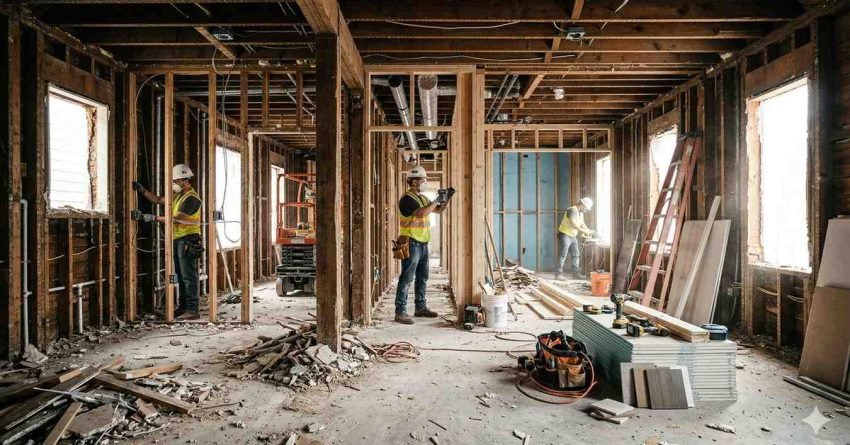
A gut renovation strips a property down to its structural bones—removing walls, flooring, plumbing, electrical systems, and finishes—before rebuilding everything from scratch. This comprehensive approach typically costs between $150,000 and $500,000+ for Sydney homes, depending on property size and specification level, with projects running 4-12 months from demolition to completion.
Understanding what a gut renovation truly involves helps you determine whether this extensive approach suits your property goals or whether targeted renovations might deliver better value. The difference between a gut renovation and standard remodelling can mean hundreds of thousands of dollars and months of additional project time.
This guide breaks down exactly what happens during a gut renovation, when it makes financial sense, realistic cost expectations for Sydney properties, and how to plan effectively for this major undertaking.
What Does a Gut Renovation Actually Involve?
A gut renovation—sometimes called a gut rehab or full gut—means stripping a building back to its structural framework before completely rebuilding the interior. Unlike cosmetic updates or partial renovations, this approach removes everything except load-bearing walls, roof structure, and foundation.
The demolition phase eliminates all existing finishes, fixtures, and systems. Workers remove plasterboard, flooring, cabinetry, doors, windows, insulation, electrical wiring, plumbing pipes, and HVAC ductwork. What remains is the bare skeleton of your home—exposed studs, joists, and structural elements.
From this blank canvas, contractors rebuild every system and surface. New electrical wiring meets current Australian standards. Fresh plumbing runs throughout the property. Modern insulation improves energy efficiency. New wall linings, flooring, fixtures, and finishes transform the space entirely.
Key Components Removed During Gut Renovation
The scope of removal distinguishes gut renovations from other project types. Interior walls that aren’t load-bearing typically come down, opening floor plans and reconfiguring room layouts. All wall and ceiling linings get stripped, exposing framing for inspection and modification.
Flooring removal includes surface materials, underlayment, and sometimes subfloor sections requiring repair. Kitchen and bathroom fixtures, cabinetry, and built-ins get demolished completely. Existing windows and doors often get replaced to improve energy performance and aesthetics.
Mechanical systems receive complete replacement rather than repair. Electrical panels, wiring runs, and outlet locations change to suit new layouts. Plumbing stacks, supply lines, and drainage get rerouted for reconfigured bathrooms and kitchens. Air conditioning and heating systems get designed fresh for the new floor plan.
What Remains After Gutting
The structural skeleton stays intact during gut renovation. Load-bearing walls, structural beams, floor joists, ceiling joists, and roof framing remain in place. The foundation and footings continue supporting the structure. External cladding and roofing typically stay unless the project scope extends to full external renovation.
This retained structure must meet current building standards or receive necessary upgrades. Structural engineers assess framing condition, identifying members requiring reinforcement or replacement. Termite damage, rot, or inadequate original construction get addressed before rebuilding begins.
When Does a Gut Renovation Make Sense?
Gut renovations suit specific situations where partial updates cannot achieve your goals. Understanding when this extensive approach delivers value helps you make informed decisions about your property investment.
Older Properties Requiring System Upgrades
Homes built before the 1980s often have outdated electrical systems, galvanised steel plumbing, and inadequate insulation. Upgrading these systems through walls and ceilings already in place costs significantly more than replacing them during a gut renovation. The access provided by stripped interiors makes comprehensive system replacement efficient and thorough.
Properties with knob-and-tube wiring, lead pipes, or asbestos-containing materials particularly benefit from gut renovation. Removing hazardous materials while walls remain intact proves difficult and expensive. Complete demolition allows proper abatement and fresh installation.
Major Layout Changes
When your renovation goals include removing multiple walls, relocating kitchens or bathrooms, or significantly reconfiguring floor plans, gut renovation often proves more practical than working around existing finishes. Patching and matching existing materials after major structural changes rarely produces seamless results.
Open-plan living conversions, bathroom relocations, and kitchen repositioning all require extensive work behind walls. Starting fresh eliminates the challenges of integrating new work with old construction methods and materials.
Properties With Extensive Damage
Fire damage, severe water damage, or long-term neglect can compromise finishes, framing, and systems throughout a property. Attempting selective repairs in heavily damaged homes often reveals additional problems as work progresses. Gut renovation allows comprehensive assessment and systematic rebuilding.
Insurance claims for major damage often support gut renovation approaches when repair costs approach replacement value. Complete rebuilding ensures no hidden damage remains to cause future problems.
Investment Properties Requiring Modernisation
Investors purchasing dated properties for renovation often find gut renovation delivers the best return. Completely modernised homes command premium prices and rents compared to partially updated properties. The comprehensive scope ensures every element meets current market expectations.
Properties purchased significantly below market value due to condition issues particularly suit gut renovation. The margin between purchase price and renovated value must justify the extensive investment required.
Gut Renovation vs Other Renovation Types
Understanding how gut renovation compares to other approaches helps you select the right scope for your project. Each renovation type suits different goals, budgets, and property conditions.
Cosmetic Renovation
Cosmetic updates address surface finishes without touching structure or systems. Painting, new flooring over existing subfloors, cabinet refacing, and fixture replacement fall into this category. Costs typically range from $20,000 to $80,000 for Sydney homes.
This approach suits properties with sound structure and systems but dated aesthetics. Cosmetic renovation cannot address layout problems, system deficiencies, or structural issues. The limited scope means faster completion—often 2-8 weeks—but restricted transformation potential.
Partial Renovation
Partial renovation focuses on specific areas or systems while leaving others untouched. Kitchen and bathroom renovations, room additions, or electrical upgrades exemplify this approach. Costs vary widely based on scope, typically $50,000 to $200,000.
This middle-ground option works when specific areas need attention but the overall property remains functional. Partial renovation can address layout changes in targeted zones while preserving satisfactory existing spaces. Integration between new and existing work requires careful planning.
Full Gut Renovation
Gut renovation represents the most comprehensive interior transformation short of demolition and new construction. Every interior element gets replaced, allowing complete customisation. Sydney gut renovation costs typically range from $2,000 to $4,000 per square metre, translating to $150,000 to $500,000+ for average homes.
This approach suits properties requiring extensive system upgrades, major layout changes, or complete modernisation. The comprehensive scope ensures consistency throughout but demands significant investment and extended timelines.
Knockdown Rebuild
When structural issues, heritage restrictions, or site constraints make gut renovation impractical, knockdown rebuild offers an alternative. Complete demolition and new construction provides maximum flexibility but typically costs 20-40% more than gut renovation.
Knockdown rebuild suits properties with foundation problems, severe structural damage, or where desired changes exceed what existing structures can accommodate. New construction also allows optimised orientation, improved ceiling heights, and contemporary building methods.
How Much Does a Gut Renovation Cost in Sydney?
Gut renovation costs in Sydney vary significantly based on property size, specification level, structural modifications required, and site access. Understanding cost components helps you budget realistically and make informed specification decisions.
Cost Per Square Metre Breakdown
Basic gut renovation specifications—standard fixtures, builder-grade finishes, minimal structural changes—typically cost $2,000 to $2,500 per square metre. A 150-square-metre home at this level runs $300,000 to $375,000.
Mid-range specifications with quality fixtures, upgraded finishes, and moderate customisation cost $2,500 to $3,500 per square metre. The same 150-square-metre home reaches $375,000 to $525,000.
High-end gut renovations featuring premium fixtures, custom joinery, designer finishes, and extensive structural modifications cost $3,500 to $5,000+ per square metre. Luxury specifications push costs to $525,000 to $750,000+ for 150 square metres.
Major Cost Components
Demolition and waste removal typically represent 5-10% of total project costs. Stripping a Sydney home costs $15,000 to $40,000 depending on size, hazardous material presence, and access constraints. Asbestos removal adds $5,000 to $20,000 when present.
Structural modifications including wall removal, beam installation, and floor levelling account for 10-15% of budgets. Engineering fees, steel fabrication, and skilled carpentry drive these costs. Complex structural changes can exceed $50,000.
Electrical and plumbing rough-in represent 15-20% of gut renovation budgets. Complete rewiring costs $15,000 to $35,000. Full plumbing replacement runs $20,000 to $45,000. These systems must meet current Australian standards regardless of specification level.
Kitchen installation typically consumes 15-25% of total budgets. Gut renovation kitchens range from $30,000 for basic configurations to $100,000+ for premium custom designs. Cabinetry, benchtops, appliances, and installation all contribute significantly.
Bathroom costs vary from $25,000 to $60,000+ per bathroom depending on size and specifications. Multiple bathrooms in gut renovations can represent 20-30% of total project costs. Waterproofing, tiling, fixtures, and fittings all require quality investment.
Hidden Costs to Budget For
Council approval fees and professional certifications add $5,000 to $15,000 to gut renovation budgets. Development applications, construction certificates, and occupation certificates all require payment.
Temporary accommodation during gut renovation typically runs 4-12 months. Rental costs of $2,500 to $5,000 monthly add $10,000 to $60,000 to total project investment. Storage for furniture and belongings adds further expense.
Contingency allowances of 10-20% prove essential for gut renovations. Hidden damage, structural surprises, and scope changes commonly arise once demolition exposes existing conditions. A $300,000 budget should include $30,000 to $60,000 contingency.
Gut Renovation Timeline and Process
Gut renovations follow predictable phases, though timelines vary based on project complexity, approval requirements, and contractor availability. Understanding the process helps you plan effectively and set realistic expectations.
Planning and Design Phase
Before any demolition begins, comprehensive planning establishes project scope, budget, and specifications. This phase typically takes 2-4 months and includes architect or designer engagement, structural engineering assessment, and detailed documentation.
Council approval requirements depend on your project scope and local regulations. Development applications for significant changes can take 2-6 months for approval. Complying development certificates offer faster pathways for projects meeting specific criteria.
Contractor selection and contract negotiation occur during this phase. Obtaining multiple quotes, checking references, and reviewing contracts thoroughly protects your investment. Rushing this phase often leads to problems during construction.
Demolition Phase
Active demolition typically takes 1-3 weeks depending on property size and hazardous material presence. Licensed asbestos removalists must handle any asbestos-containing materials before general demolition proceeds.
Structural assessment follows demolition, with engineers inspecting exposed framing. This inspection often reveals conditions requiring additional work—termite damage, inadequate original construction, or rot. Budget contingency addresses these discoveries.
Rough-In Phase
Structural modifications begin the rebuilding process. New beams get installed, walls get framed, and floor levels get adjusted. This phase typically takes 2-4 weeks.
Electrical and plumbing rough-in follows structural work. Wiring runs through walls and ceilings to planned outlet and switch locations. Plumbing stacks, supply lines, and drainage get installed to serve new fixture locations. Rough-in takes 2-4 weeks and requires inspection before covering.
Fit-Out Phase
Wall and ceiling linings get installed once rough-in passes inspection. Insulation goes in before plasterboard, improving energy efficiency. Plastering and painting follow, typically taking 2-4 weeks.
Flooring installation, cabinetry fitting, and fixture installation occur during fit-out. Kitchens and bathrooms take shape as benchtops, appliances, tiles, and fittings get installed. This phase runs 4-8 weeks depending on specification complexity.
Completion Phase
Final electrical and plumbing connections occur once fixtures are in place. Testing ensures all systems function correctly. Final inspections and certification complete the approval process.
Defect rectification addresses any issues identified during final inspection. Touch-up painting, adjustment of doors and hardware, and cleaning prepare the property for occupation. This phase typically takes 1-2 weeks.
Planning Your Gut Renovation Successfully
Successful gut renovations require thorough planning, realistic budgeting, and careful contractor selection. These strategies help you navigate the process effectively.
Establish Clear Goals and Priorities
Before engaging professionals, define what you want to achieve. List must-have features versus nice-to-have upgrades. Understand your non-negotiables and where you can compromise if budget pressures arise.
Consider how long you plan to stay in the property. Owner-occupiers planning long-term residence can justify premium specifications delivering daily enjoyment. Investment properties or shorter-term holds may warrant more conservative approaches maximising return on investment.
Build a Realistic Budget
Research current costs thoroughly before finalising budgets. Obtain preliminary quotes from multiple contractors to understand market pricing. Include all cost components—not just construction but also professional fees, approvals, temporary accommodation, and contingency.
Secure financing before committing to contracts. Construction loans, equity release, or savings should be confirmed and accessible. Gut renovations require staged payments throughout the project, so cash flow planning proves essential.
Select the Right Professionals
Architect or building designer engagement ensures your vision gets translated into buildable plans. Their expertise navigates council requirements and optimises spatial design. Fees typically run 8-15% of construction costs but deliver value through better outcomes.
Builder selection significantly impacts project success. Check licenses, insurance, and references thoroughly. Review previous gut renovation projects similar to yours. Understand their communication style and project management approach.
Prepare for Disruption
Gut renovations require vacating the property for extended periods. Plan temporary accommodation early, considering proximity to work, schools, and daily routines. Budget realistically for rental costs over the full project timeline.
Communicate with neighbours about upcoming construction. Extended noise, contractor parking, and delivery trucks impact surrounding properties. Good relationships help navigate the inevitable disruptions.
Conclusion
Gut renovation transforms properties completely by stripping interiors to structural bones and rebuilding every system and surface fresh. This comprehensive approach suits older homes requiring system upgrades, properties needing major layout changes, and investments targeting complete modernisation—with Sydney costs typically ranging $150,000 to $500,000+ depending on size and specifications.
Understanding the full scope, realistic costs, and extended timelines helps you determine whether gut renovation aligns with your property goals and budget capacity. The investment delivers complete transformation but demands thorough planning, adequate contingency, and patience through 4-12 month project durations.
At Sydney Home Renovation, we guide homeowners through gut renovation planning with transparent cost breakdowns, realistic timelines, and expert project coordination. Contact our team to discuss whether gut renovation suits your property and receive a detailed assessment of your transformation options.
Frequently Asked Questions
How long does a gut renovation take from start to finish?
Most gut renovations in Sydney take 4-12 months from demolition to completion. Smaller properties with straightforward scopes finish faster, while larger homes with complex structural changes and premium specifications require longer timelines. Council approval delays can extend projects by 2-6 months before construction begins.
Can you live in your house during a gut renovation?
No, gut renovations require vacating the property entirely. The demolition removes all liveable spaces, and construction phases involve hazardous conditions, no functioning utilities, and constant contractor activity. Plan for temporary accommodation throughout the full project duration.
Is a gut renovation worth it compared to buying a new home?
Gut renovation often proves worthwhile when you love your location, the property has good structural bones, or comparable new homes cost significantly more. Calculate total investment including purchase price plus renovation costs, then compare to equivalent move-ready properties in your desired area.
What is the difference between a gut renovation and a full renovation?
Gut renovation strips everything back to structural framing before rebuilding completely. Full renovation can mean comprehensive updates while retaining some existing elements like wall linings or flooring in good condition. Gut renovation provides the most thorough transformation but costs more and takes longer.
Do you need council approval for a gut renovation?
Most gut renovations require council approval in Sydney, particularly when involving structural changes, bathroom or kitchen relocations, or changes to the building envelope. Some projects qualify for complying development certificates offering faster approval. Your architect or builder advises on specific requirements.
What should I look for when hiring a gut renovation contractor?
Verify current builder’s license and adequate insurance coverage. Request references from recent gut renovation projects and inspect completed work. Confirm their experience with your project type and size. Review contract terms carefully, including payment schedules, variation processes, and warranty provisions.
How much contingency should I budget for a gut renovation?
Budget 15-20% contingency for gut renovations. Hidden damage, structural surprises, and scope changes commonly emerge once demolition exposes existing conditions. Older properties and those with unknown renovation history warrant higher contingency allowances. Unused contingency can fund upgrades or remain as savings.


