
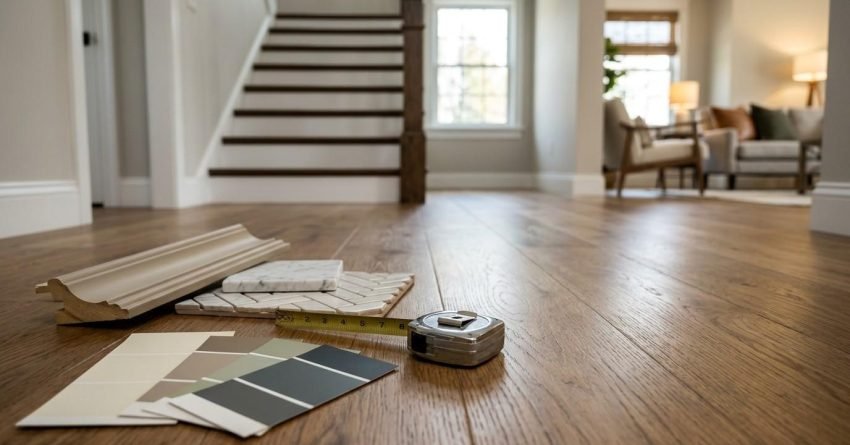
Whole home renovations in Sydney typically cost between $80,000 and $350,000 depending on property size, scope, and finish level, with most mid-range projects landing between $120,000 and $200,000. These questions and answers cover the most common concerns homeowners, first-time renovators, and property investors raise before starting a renovation project.
Planning a whole home renovation involves more decisions than most people expect, and getting the wrong information early leads to budget blowouts, delays, and costly surprises.
This page answers the questions we hear most often, covering costs, timelines, approvals, contractor selection, and how to keep a renovation on budget from start to finish.
How Much Does a Whole Home Renovation Cost in Sydney?
A whole home renovation in Sydney typically costs between $80,000 and $350,000, with the final figure driven by the size of the property, the extent of structural work, the quality of finishes selected, and the number of wet areas being renovated. A basic cosmetic renovation of a three-bedroom home comes in around $80,000 to $120,000, while a full structural renovation with premium finishes exceeds $250,000.
Labour typically accounts for 40 to 50 percent of total project costs in Sydney, with trades including plumbing, electrical, tiling, carpentry, and plastering each carrying their own rate structures. Material costs, council fees, and project management add to the base figure.
What Affects the Overall Cost of a Home Renovation?
The key cost drivers in a whole home renovation are property size, structural complexity, wet area count, finish grade, and whether the existing layout is being changed. Moving walls, relocating plumbing, or upgrading electrical capacity all add high cost compared to cosmetic-only work.
The age and condition of the property also matter. Older homes frequently reveal hidden issues once walls are opened, and those discoveries affect both budget and timeline.
How Much Does Each Room Cost to Renovate?
Kitchen renovations in Sydney typically range from $20,000 to $60,000 depending on layout changes and appliance selections. Bathroom renovations run from $15,000 to $35,000 per wet area, while living areas, bedrooms, and hallways are generally the most cost-effective spaces to refresh.
Wet areas carry the highest per-room cost because they involve licensed plumbing, waterproofing, tiling, and fixture installation. Factoring each room separately gives a more accurate picture of where the budget goes.
What Is the Cost Per Square Metre for a Home Renovation in Sydney?
Whole home renovations in Sydney typically run between $1,500 and $3,500 per square metre, depending on finish level and structural scope. Cosmetic-only work sits at the lower end of that range, while full structural renovations with premium finishes push toward the upper end.
These figures are a useful planning benchmark, not a fixed price. Every property has its own condition, layout, and scope variables that shift the final number.
How Do I Get an Accurate Renovation Quote?
The most reliable way to understand the true project cost is to get a detailed quote from a licensed contractor who assesses the home’s specific scope, condition, and finish requirements in person. A detailed quote itemises labour by trade, material allowances, and any provisional sums for unknown conditions, not just a single lump-sum figure.
Provisional sums are allowances for items not yet fully specified at the time of quoting. They appear in the contract as estimated figures and adjust to actual cost once selections are made, which is why final project costs sometimes differ from the original quote.

How Long Does a Whole Home Renovation Take?
A whole home renovation in Sydney typically takes between 10 and 24 weeks from construction start, depending on the scope of work, the number of trades involved, and whether structural changes are required. Smaller cosmetic renovations complete in 8 to 12 weeks, while full structural renovations with multiple wet areas run 16 to 24 weeks or longer.
Building in a buffer of two to four weeks on any timeline estimate is standard practice for well-managed projects.
What Order Do Renovation Trades Work In?
Trades follow a set sequence on any well-run renovation. Demolition and structural work come first, followed by rough-in plumbing and electrical, then insulation and plastering, then tiling and flooring, then joinery and cabinetry, and finally painting, fixtures, and fittings.
Disrupting this sequence, typically by rushing a trade or allowing late material deliveries to stall one stage, creates delays that flow through every trade that follows. Scheduling discipline is one of the clearest markers of an experienced project manager.
What Can Delay a Home Renovation Timeline?
The most common causes of renovation delays are late material deliveries, trade availability gaps, council approval timeframes, and unexpected structural or waterproofing issues discovered during demolition. Weather affects external works.
We always build a contingency buffer into our project schedules so that one delay does not cascade into a full timeline blowout.
Do I Need Council Approval for a Whole Home Renovation in Sydney?
Whether council approval is required depends on the nature and extent of the work. Many internal renovations, including kitchen and bathroom upgrades, flooring, and painting, are exempt from approval under NSW legislation. Structural changes, additions, changes to the building envelope, or work on heritage-listed properties typically require either a Complying Development Certificate (CDC) or a Development Application (DA).
Each approval path carries different timeframes and documentation requirements, so confirming the correct pathway before work begins protects the project schedule.
What Permits Are Typically Required?
Beyond council approval, most whole home renovations in Sydney require an Owner-Builder Permit or a licensed builder for work valued over $10,000, plumbing and drainage approvals through a licensed plumber, and electrical compliance certificates. Asbestos removal in older homes must be carried out by a licensed removalist with appropriate notifications to SafeWork NSW.
Homes built before 1990 have a higher likelihood of containing asbestos in wall sheeting, floor tiles, and roof materials. Testing before demolition begins is the responsible first step, and licensed removal is a legal requirement, not an optional upgrade.
Should I Move Out During a Whole Home Renovation?
For a whole home renovation, moving out is strongly recommended and in many cases necessary. When multiple rooms are under construction simultaneously, maintaining a liveable space within the home is rarely practical or safe.
Dust, noise, restricted access to kitchens and bathrooms, and the presence of tradespeople throughout the day make day-to-day living difficult. Most clients find that moving out reduces stress significantly and allows trades to work more efficiently.
If budget is a constraint, some homeowners stage the renovation room by room to remain in part of the property. This approach extends the overall timeline and increases costs due to reduced trade efficiency, but it is a workable option for smaller scopes or tighter budgets. We map out a clear staging plan in those cases so the liveable areas stay functional throughout.
Discuss the living situation with the contractor before construction begins so the project schedule is structured accordingly.

How Do I Choose the Right Renovation Contractor in Sydney?
Choosing the right contractor is one of the most important decisions in any renovation project. We recommend looking for a licensed builder with a verifiable track record in whole home renovations, a clear and itemised quoting process, and references from completed projects of similar scope. Licensing is verified through the NSW Fair Trading licence check tool.
A contractor who communicates clearly from the first meeting, provides a detailed written quote, and explains how variations are handled is demonstrating the same discipline they bring to the build itself.
How Do I Compare Renovation Quotes?
Comparing renovation quotes accurately requires looking beyond the bottom-line figure. Check that each quote itemises labour by trade, lists material allowances separately, and specifies how provisional sums are handled.
A lower total quote that relies on vague allowances or excludes key trades often costs more by the time the project finishes. The most useful comparison is scope-for-scope, not number-for-number.
What Should a Renovation Contract Include?
A renovation contract should include a detailed scope of works, itemised pricing by trade and material category, a payment schedule tied to project milestones, a clear variations process, and the builder’s licence and insurance details. It should also specify how unexpected site conditions are managed and what the dispute resolution process is.
Contracts that use vague language around scope or provisional sums are the most common source of cost and timeline disputes. Reading the contract carefully before signing is not optional.
What Questions Should I Ask Before Hiring a Contractor?
Before signing any contract, ask for a copy of the builder’s licence and insurance certificates, a detailed scope of works and itemised quote, a clear payment schedule tied to project milestones, and references from at least two recent projects. Ask how variations are handled and what the process is for managing unexpected site conditions.
Both of those questions reveal how the contractor operates when things do not go to plan, which is the most important thing to know before work begins.

What Is Usually Included in a Whole Home Renovation?
A whole home renovation typically includes demolition and disposal, structural repairs or modifications, new or upgraded plumbing and electrical systems, insulation, plastering, flooring, kitchen and bathroom fit-outs, internal and external painting, joinery, and final fixtures and fittings. Project management and site supervision are included with a full-service contractor.
Understanding what is and is not in the contract scope before work begins prevents the most common source of budget surprises.
What Is Typically Not Included?
Items commonly excluded from standard renovation contracts include landscaping, external fencing, window furnishings, freestanding appliances, furniture, and any work requiring specialist consultants such as structural engineers or heritage advisors.
Provisional sums are included in quotes but adjust to actual cost once final selections are made. Choosing higher-cost materials mid-project is one of the most predictable ways a budget increases after signing.
How Do I Avoid Budget Blowouts on a Home Renovation?
The most effective way to avoid budget blowouts is to lock in a detailed scope of work before construction begins, include a contingency allowance of 10 to 15 percent of the total budget, and avoid making changes to the design or finishes once work has started.
Variations are changes made after the contract is signed. Each variation triggers a separate cost and often a timeline adjustment. The more decisions are locked in before the contract is executed, the fewer variations arise during the build.
What Hidden Costs Should I Plan For?
Hidden costs that frequently catch homeowners off guard include asbestos or hazardous material removal in pre-1990 homes, structural repairs revealed during demolition, upgrading undersized electrical switchboards, waterproofing failures in existing wet areas, and council or certifier fees.
Provisional sums in the original quote also increase when higher-cost materials are selected during the project. A realistic contingency allowance and a disciplined approach to mid-project changes are the two most effective protections against cost overruns.
Conclusion
Whole home renovations in Sydney involve significant investment, careful planning, and the right team. Getting costs, timelines, approvals, and scope right before work begins is the foundation of a well-run project.
At Sydney Home Renovation, we deliver end-to-end renovation solutions with transparent pricing, licensed tradespeople, and clear communication. Contact us today to discuss your project and get a detailed quote.


