Bathroom and kitchen renovations deliver the strongest returns for Australian homeowners, typically adding 50 to 80 percent of their cost back to property value. Strategic upgrades to these high-traffic spaces attract buyers and lift appraisal figures more reliably than cosmetic changes elsewhere in the home.
Understanding which renovations genuinely increase value, rather than simply cost money, separates smart property investment from expensive mistakes. In Sydney’s competitive market, every renovation dollar needs to work harder than ever.
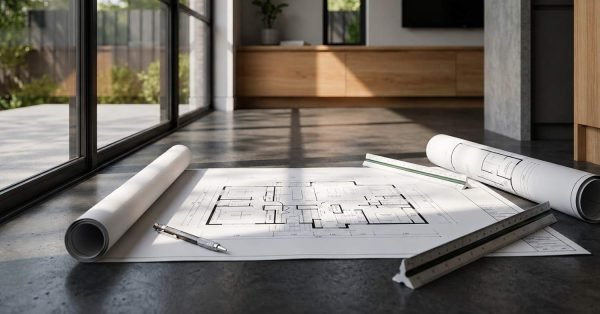
This guide breaks down the renovations that move the needle on Australian property values. I cover realistic costs, expected cost-recovery rates, and practical priorities for homeowners, investors, and first-time renovators planning their next project.
Understanding Home Value and Renovation ROI in Australia
Before committing budget to any renovation, understanding how Australian property valuations work helps you make smarter decisions. Valuers assess homes on comparable sales, condition, functionality, and buyer appeal within your specific suburb and market segment.
Return on investment varies dramatically by property type, location, and the current state of the home. A dated bathroom in a premium suburb returns 80 percent of renovation costs. The same upgrade in an oversupplied market returns closer to 40 percent.
The key principle is simple. Renovations that solve problems buyers care about deliver better returns than personal preference upgrades.
Functional improvements to kitchens, bathrooms, and living spaces outperform luxury additions that appeal to narrow buyer segments. That pattern holds across almost every Australian market I work in.
Renovation Cost Recovery at a Glance
This table summarises what I see across Sydney projects. Cost-recovery rate means the share of your spend that reappears in the property’s value.
Renovation | Typical Cost | Typical Value Added | Cost Recovery |
Paint and cosmetic refresh | $3,000–$10,000 | $10,000–$30,000 | 150–300% |
Front garden and street appeal | $5,000–$15,000 | $15,000–$35,000 | 150–250% |
Bathroom renovation | $15,000–$35,000 | $12,000–$28,000 | 50–80% |
Kitchen renovation | $25,000–$60,000 | $15,000–$40,000 | 50–75% |
Deck or covered outdoor area | $6,000–$16,000 | $5,000–$12,000 | 60–80% |
Flooring replacement | $4,000–$12,000 | $4,000–$10,000 | 70–90% |
Adding a bedroom | $30,000–$80,000 | $40,000–$120,000 | 100–150% |
Solar and insulation | $6,500–$16,000 | $5,000–$14,000 | 70–90% |
Granny flat | $120,000–$220,000 | $100,000–$250,000 | 80–120% |
Second-storey addition | $200,000–$400,000 | $180,000–$400,000 | 80–100% |
Swimming pool | $35,000–$90,000 | $10,000–$40,000 | 25–50% |
Notice the pattern. The cheapest work recovers the most, and the most expensive work recovers the least per dollar spent.
Cosmetic Versus Structural Renovations
This distinction matters more than any individual room. Cosmetic renovations change how a space looks without moving services or walls, covering paint, flooring, tapware, benchtops, cabinet fronts, and landscaping.
Structural renovations move walls, relocate plumbing, or add floor area. They cost several times more and carry approval requirements, trade coordination, and genuine risk of cost blowout.
Cosmetic work almost always recovers more than it costs. Structural work only recovers its cost when it solves a real functional deficiency, such as a two-bedroom house in a three-bedroom street.
How Property Valuers Assess Renovation Impact
Valuers compare your property against recent sales of similar homes nearby. They look for functional condition, not the most expensive finishes.
A well-executed mid-range renovation values similarly to a premium fit-out because both solve the same functional problem. I tell clients this constantly, because it saves them tens of thousands.
Overcapitalisation remains the biggest risk for renovators. It happens when you spend more on improvements than the local market rewards. According to CoreLogic’s national home value data, median values differ sharply between adjoining suburbs, which is exactly why a spend that works in one street fails two kilometres away.
The Suburb Ceiling Rule We Use
Here is the rule we apply before quoting any project. Find the highest recent sale price for a comparable home in your suburb, then subtract your property’s current value. That difference is your realistic ceiling.
Spending beyond it rarely returns. A $100,000 kitchen in a suburb where renovated homes top out at $800,000 loses money regardless of how good the result looks.
As a working guide, total renovation spend above 10 percent of your property’s current value needs a clear functional justification, not just a style preference.
The Australian Property Market Context
Australia’s property market rewards different renovations depending on location and buyer demographics. Family suburbs value extra bedrooms and functional outdoor space. Inner-city apartments benefit most from kitchen and bathroom upgrades that maximise limited square metres.
Regional markets often show stronger renovation returns because purchase prices sit lower relative to construction costs. Australian Bureau of Statistics building activity data shows construction costs vary far less between regions than property prices do.
A $30,000 bathroom renovation represents a larger percentage improvement on a $500,000 regional home than on a $1.5 million Sydney property.
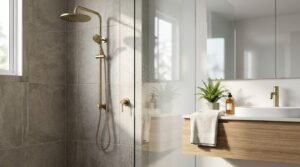
Bathroom Renovations: Australia’s Highest-Value Upgrade
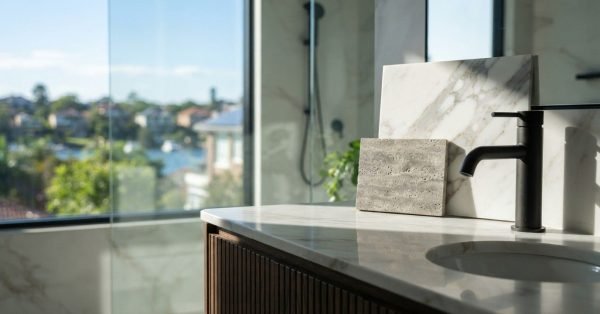
Bathrooms rank as the renovation delivering the strongest value impact for Australian homes. Buyers scrutinise bathrooms closely because they cost a fortune to fix and matter every single day.
A dated or dysfunctional bathroom creates immediate negative impressions that drag down perception of the whole property.
The average Australian bathroom renovation costs between $15,000 and $35,000 for a standard-sized space, with returns ranging from 50 to 80 percent. Housing Industry Association renovation data shows kitchens and bathrooms consistently dominate national renovation activity, which reflects exactly this return profile.
What Bathroom Upgrades Deliver the Best Returns
Waterproofing and structural repairs deliver the highest returns because they solve what buyers fear most. Visible water damage or failed waterproofing raises red flags during inspections and leads straight to reduced offers.
Compliant waterproofing under AS 3740 is not optional, and it is the one element I never let a client value-engineer.
Modern fixtures and fittings give strong visual impact relative to cost. Replacing dated tapware, showerheads, and accessories transforms a bathroom for $2,000 to $5,000, a fraction of full renovation cost. Quality fixtures signal overall property care.
Functional layout improvements matter more than luxury additions. Converting a bath-only bathroom to include a shower addresses a practical concern buyers actually weigh.
Improving storage with a proper vanity does the same. Spa baths and premium features rarely return their cost unless the property targets luxury buyers specifically.
Bathroom Renovation Cost Breakdown
Labour represents 40 to 50 percent of bathroom renovation budgets in Sydney. Qualified waterproofers, plumbers, electricians, and tilers command premium rates, and cutting corners on trades creates expensive problems later.
Material allowances balance quality with market positioning. These ranges hit the sweet spot for most value-focused renovations:
- Mid-range tiles: $50 to $100 per square metre
- Quality tapware sets: $500 to $1,500
- Durable vanities: $800 to $2,500
- Waterproofing (supplied and certified): $800 to $2,000
Hidden costs catch many renovators off guard. Asbestos removal, unexpected plumbing issues, and structural repairs add 15 to 25 percent to initial budgets.
We build a contingency of at least 15 percent into every quote, because a budget without one erodes your return the moment anything unexpected appears.
Kitchen Renovations: The Heart of Home Value
Kitchens influence buyer decisions more than any other room. Families spend real time there, and functionality shapes daily life directly.
A well-designed kitchen suggests a well-maintained home. A dated kitchen raises questions about what else has been neglected.
Full kitchen renovations in Sydney cost $25,000 to $60,000 for standard homes, with premium projects exceeding $80,000. Returns range between 50 and 75 percent depending on execution quality and market alignment.
High-Impact Kitchen Improvements
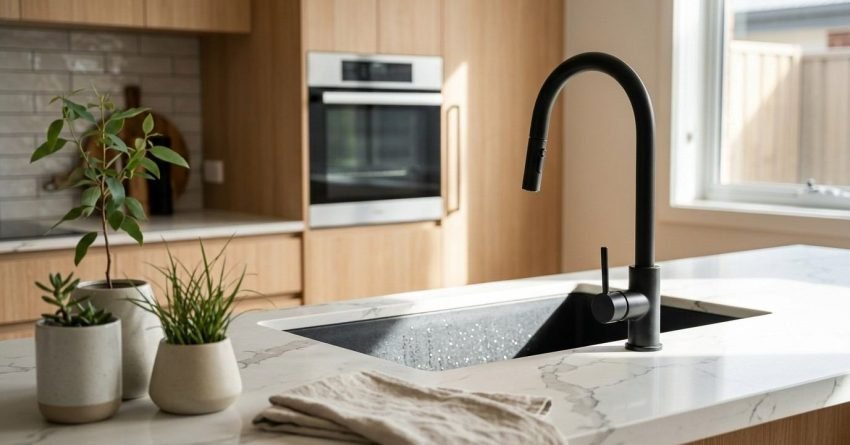
Benchtop replacement offers exceptional value relative to cost. Swapping laminate for stone or quality engineered surfaces costs $3,000 to $8,000 and dramatically changes how the kitchen reads. Buyers notice benchtops within seconds.
Cabinet refacing or repainting delivers budget-friendly transformation. Rather than replacing entire cabinetry at $15,000 to $30,000, professional refinishing at $5,000 to $10,000 achieves similar visual impact.
New handles and hardware finish the refresh for a few hundred dollars.
Appliance upgrades match property positioning. Stainless steel reads as modern and functional across most market segments. Premium brands matter in luxury properties and deliver diminishing returns in standard homes where mid-range quality suffices.
Kitchen Layout Considerations
Open-plan conversions remain popular and require careful cost-benefit analysis. Removing walls to create open living costs $10,000 to $30,000 depending on structural requirements.
Load-bearing walls need engineering sign-off, which adds both cost and time. The return depends heavily on whether your target buyer values open layouts.
Storage optimisation often delivers better returns than expansion. Pull-out pantries, corner cabinet solutions, and drawer organisers improve functionality without touching structure. Buyers appreciate practical storage that makes daily life easier.

Outdoor Living Spaces and Street Appeal
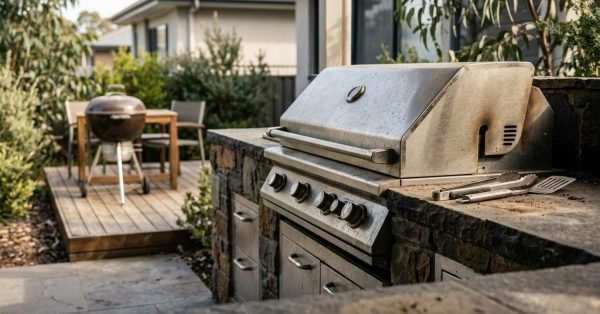
Australian lifestyle prioritises outdoor living, which makes deck, patio, and landscaping improvements consistently strong performers. Well-designed outdoor spaces extend living area at a lower cost per square metre than internal additions.
Street appeal shapes buyer interest before anyone steps inside. Properties with strong street presence attract more inspections and achieve higher sale prices than comparable homes with neglected exteriors.
Deck and Patio Additions
Timber decking costs $300 to $600 per square metre installed. Composite alternatives run $400 to $800 per square metre.
A 20-square-metre deck at $6,000 to $16,000 returns 60 to 80 percent while creating genuinely usable space.
Covered outdoor areas provide year-round functionality that Australian buyers value highly. Pergolas, verandahs, and alfresco additions protect against sun and rain, extending usability across seasons.
Connection between indoor and outdoor spaces matters significantly. Bifold or sliding doors that open living areas onto decks create the flow modern buyers expect.
That integration justifies higher investment because it changes how the entire home functions.
Landscaping and Garden Improvements
Front garden improvements deliver disproportionate returns because they shape first impressions. Professional landscaping of a front yard costs $5,000 to $15,000 and adds $20,000 to $40,000 in perceived value in the right markets.
Low-maintenance gardens appeal to time-poor buyers. Native plantings, automated irrigation, and minimal lawn reduce ongoing work while maintaining visual appeal.
Fencing and boundary improvements provide privacy and security that families value. Quality fencing costs $150 to $300 per linear metre and addresses practical concerns for buyers with children or pets.
What to Prioritise at Each Budget Level
Renovation advice fails when it ignores what you actually have to spend. Here is how we sequence work across three common budget brackets.
Under $15,000
Spend everything here on presentation. Paint throughout, professional carpet replacement or floor refinishing, new tapware and light fittings, and a tidied front garden.
This bracket has the best cost-recovery rate of any renovation spend in Australia. A $8,000 refresh regularly shifts perceived value by $25,000 or more.
$15,000 to $50,000
This range covers one room properly, or two rooms cosmetically. A full bathroom renovation sits here comfortably, as does a kitchen refresh built around benchtops, cabinet refacing, and appliances.
Choose the room that currently drags hardest on the property. One excellent bathroom beats two mediocre ones every time.
$50,000 and Above
Now structural work becomes viable. Kitchen and bathroom together, a bedroom addition, a substantial deck with door integration, or the early stages of an extension.
At this level, approvals, engineering, and project management stop being optional. Sequencing errors here cost far more than material choices.
Additional Renovations That Add Value
Beyond bathrooms, kitchens, and outdoor spaces, several other renovations improve Australian property values when matched to the target market.
Adding a Bedroom or Reconfiguring the Floorplan
Bedroom count is the single biggest valuation lever in family suburbs. Moving a home from two bedrooms to three, or three to four, shifts it into an entirely different buyer pool and price bracket.
Conversions cost $30,000 to $80,000 where the footprint already exists, such as an oversized living room, an underused study, or a large landing. Value added regularly exceeds spend.
Reconfiguring without adding a room works too. Reclaiming a wasted hallway or splitting an oversized bedroom often costs under $25,000.
Flooring Upgrades
Replacing worn carpet with timber or quality hybrid flooring transforms presentation. Hybrid flooring costs $40 to $80 per square metre installed and offers the durability buyers associate with a well-maintained home.
Consistent flooring throughout living areas creates visual flow that makes homes feel larger. Eliminating transitions between floor types in open-plan spaces particularly improves presentation.
Energy Efficiency Improvements
Solar panel installations increasingly influence buyer decisions as energy costs climb. Systems costing $5,000 to $12,000 add similar amounts to property value while delivering ongoing savings.
Clean Energy Regulator data confirms rooftop solar penetration keeps rising across Australian postcodes, and buyers now treat panels as expected rather than exceptional in many suburbs.
Insulation upgrades deliver comfort buyers notice during inspections. Ceiling insulation costs $1,500 to $4,000 for an average home and produces noticeably more comfortable living.
Payback on insulation typically runs three to seven years on energy bills alone, before any resale benefit.
Additional Living Space
Granny flats and secondary dwellings represent significant investments at $120,000 to $220,000 and substantially increase value where rental income matters. Sydney’s housing pressure makes additional dwellings attractive to investors and owner-occupiers alike.
Second-storey additions cost $200,000 to $400,000 and suit properties on small blocks where building out is impossible. Returns approach cost rather than exceeding it, so these projects need a clear lifestyle reason alongside the financial case.
Garage conversions offer lower-cost alternatives. Converting a single garage to a home office or extra room costs $15,000 to $40,000 and appeals to buyers wanting flexible space for remote work.
A laundry upgrade rarely affects a valuation, though a cramped or external laundry does actively deter family buyers.
Renovations to Approach with Caution
Not all renovations deliver positive returns. Understanding which improvements fail to add proportional value helps avoid expensive mistakes.
Swimming Pools
Pools cost $35,000 to $90,000 to install and rarely return more than 50 percent. Maintenance obligations, mandatory fencing compliance, and limited appeal to some buyer segments make them a genuine risk.
In premium suburbs where a pool is expected, absence of one costs you more than installation returns. Everywhere else, treat a pool as a lifestyle purchase rather than an investment.
Highly Personalised Improvements
Custom features reflecting personal taste often require reversal before sale. Bold colour schemes, unusual layouts, and niche hobby spaces all narrow your buyer pool.
Neutral, broadly appealing finishes outperform distinctive choices consistently. I have watched sellers spend $6,000 undoing a $20,000 feature wall.
Over-Specification for the Area
Installing premium finishes in modest suburbs rarely returns investment. Buyers in different price brackets hold different expectations, and exceeding those expectations does not proportionally increase what they pay.
European appliances in a $700,000 home read as a bonus, not a price justification.
Bathroom and Kitchen Overspend
The same rooms that top the value list also top the overspend list. A $60,000 bathroom in a $900,000 home recovers perhaps $25,000.
The functional problem gets solved at $25,000. Everything above that is personal preference dressed as investment.
Solar Batteries and Emerging Tech
Battery storage costs $8,000 to $15,000 and currently adds little to valuation, unlike the panels themselves. Buyers value the panels because they understand them.
Smart home systems face the same problem. Proprietary technology dates quickly and often reads as a liability rather than an upgrade.

Planning Your Renovation for Maximum Value
Strategic planning separates profitable renovations from expensive mistakes. Understanding your property’s market position, your target buyer, and realistic budget constraints drives better decisions.
Assess Your Property’s Current Condition
Walk your home as a buyer, not an owner. Note the first three things a stranger would criticise, because those are your priorities.
Addressing obvious problems such as dated bathrooms, worn kitchens, and tired exteriors delivers better returns than enhancing already-acceptable areas. Fixing a weakness beats improving a strength.
Research Your Local Market
Study recent sales of comparable properties to understand what buyers in your area value. Properties that sold quickly at strong prices reveal what local buyers pay premiums to secure.
Attend three or four inspections of renovated homes in your suburb. Twenty minutes each tells you more about local expectations than any online estimate.
Pay attention to which renovated homes sat unsold. Those reveal the ceiling.
Approvals and Their Effect on Value
Unapproved work actively destroys value. Buyers’ solicitors flag it, lenders question it, and the sale either stalls or the price drops.
Cosmetic work generally needs no approval. Structural changes, additions, and second dwellings need either a Complying Development Certificate or a full Development Application through your council.
NSW Fair Trading sets out licensing and contract requirements for residential building work, and any job over the threshold requires a licensed builder with home building compensation cover.
Renovating to Sell Versus Renovating to Hold
These are different projects with different budgets. Renovating to sell means spending the minimum that removes buyer objections, concentrating on presentation, and finishing within eight weeks of listing.
Renovating to hold means building for your own use over a decade, where quality and layout matter more than cost recovery. Confusing the two produces the worst outcomes we see.
Budget Realistically
Include contingencies of 15 to 20 percent for unexpected costs. Renovation budgets almost always expand, and running out of funds mid-project produces a worse outcome than completing a smaller scope properly.
Get three itemised quotes rather than three lump sums. Itemisation is the only way to compare fairly and the fastest way to spot who has underestimated the job.
Choose Quality Trades
Skilled tradespeople cost more and deliver results that hold value. Poor workmanship surfaces during building inspections and costs more to remedy than the original saving.
Check licences, ask for addresses of recent comparable jobs, and read the contract properly before paying a deposit.
Conclusion
Bathroom and kitchen renovations remain Australia’s most reliable value-adding improvements, returning 50 to 80 percent of investment while solving problems buyers genuinely weigh. Cosmetic refreshes and street appeal work beat both on pure cost recovery, which is why we start most projects there.
The renovations that lose money are almost always the ones that ignore the suburb ceiling. Spend against your market rather than against your wishlist, and the numbers look after themselves.
At Sydney Home Renovation, we help homeowners and investors identify which renovations deliver genuine returns for their specific property and market. Contact our team to discuss your goals and receive honest guidance on what makes financial sense, so you renovate with confidence and avoid costly overcapitalisation.
Frequently Asked Questions
What renovation adds the most value to a house in Australia?
Bathroom renovations deliver the highest returns among major projects, adding 50 to 80 percent of their cost to property value. Kitchens follow closely, and both outrank every other room.
How much does a bathroom renovation cost in Sydney?
Sydney bathroom renovations cost $15,000 to $35,000 for standard spaces. Premium fitouts exceed $50,000, while cosmetic refreshes start around $8,000.
Is it worth renovating before selling in Australia?
Strategic pre-sale renovations return positive value, particularly on dated bathrooms, kitchens, and poor street appeal. Extensive renovations rarely return full investment, so we target obvious problems only.
How much should I spend on a renovation as a percentage of my property value?
We use 10 percent of current property value as a working ceiling for cosmetic and single-room work. Spending beyond that needs a functional justification, not a style preference.
How much value does a new kitchen add to a house in Australia?
Kitchen renovations return 50 to 75 percent of investment, and mid-range work often outperforms premium projects. A $30,000 kitchen adds roughly $15,000 to $22,500.
What outdoor renovations add the most value?
Decking and covered outdoor areas return strongly by extending usable living space cheaply. Front yard landscaping delivers even better cost recovery through improved street appeal.
Should I renovate my investment property?
Renovating an investment makes sense when improvements lift rental returns or sale value beyond cost. We focus on functional work that cuts vacancy rather than premium finishes tenants will not pay for.