
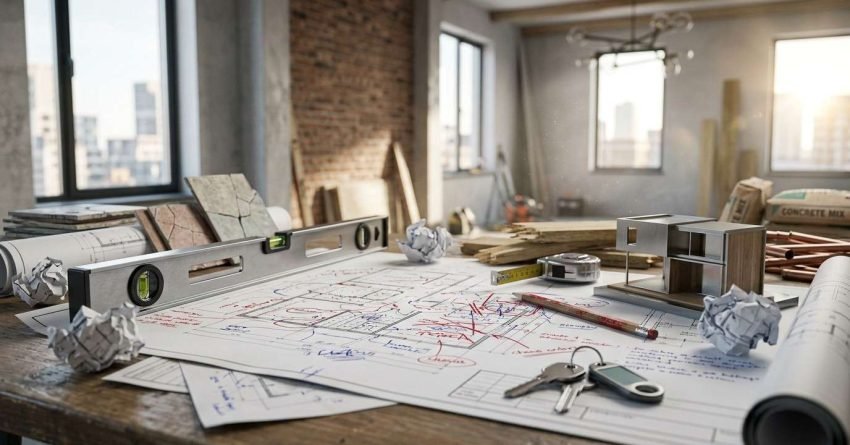
Renovation disputes are more common than most homeowners expect, and the way you handle them in the first 48 hours often determines whether the project gets back on track or spirals into a costly legal battle. Most disputes come down to three things: a weak contract, poor communication, or unmet expectations that were never written down. Understanding where things go wrong is the first step to fixing them.
Knowing your rights and your options early keeps you in control and protects your budget, your timeline, and your renovation outcome.
This article walks through the causes of disputes, how to raise them professionally, formal resolution pathways in NSW, and how to protect yourself legally.
Why Renovation Disputes Happen in the First Place
Most renovation disputes do not come out of nowhere. They build slowly, through small misunderstandings that compound over weeks until one party feels wronged and the other feels blindsided.
The root causes are almost always the same. A contract that leaves too much open to interpretation, a builder who stops communicating clearly, or a homeowner whose expectations were never formally agreed to — these are the conditions that turn a renovation into a dispute.
Recognising the pattern early gives you a real chance to intervene before things escalate.
Poor Contracts and Vague Scope of Work
A vague scope of work is the single biggest driver of renovation disputes in residential construction. When the contract does not clearly define what is included, what materials are specified, and what the payment milestones are tied to, both parties fill the gaps with their own assumptions.
Variations are where this gets expensive. A builder who adds work without a signed variation order, or a homeowner who requests changes without understanding the cost implications, creates the conditions for a dispute almost immediately.
The contract is your legal foundation. If it is thin, your position in any dispute is weak from the start.
Communication Breakdowns During the Build
A builder who stops providing regular progress updates is a warning sign. Site access issues, unexplained delays, and unanswered calls are not just frustrating, they are often the early indicators of a project in trouble.
Written communication matters here. Verbal agreements made on-site carry almost no weight in a formal dispute. Every instruction, every change, and every concern needs to be confirmed in writing, even a simple email or text message creates a record.
When communication breaks down, disputes follow. Keeping a paper trail from day one is not paranoia, it is basic protection.
How to Raise a Dispute With Your Builder Professionally
Raising a dispute badly can make a fixable problem unfixable. The goal is to resolve the issue, not to win an argument, and the way you approach the conversation determines which outcome you get.
Most disputes at this stage are still resolvable without formal intervention. A clear, documented, professional approach gives both parties a path forward without destroying the working relationship or the project timeline.
Document Everything Before You Say a Word
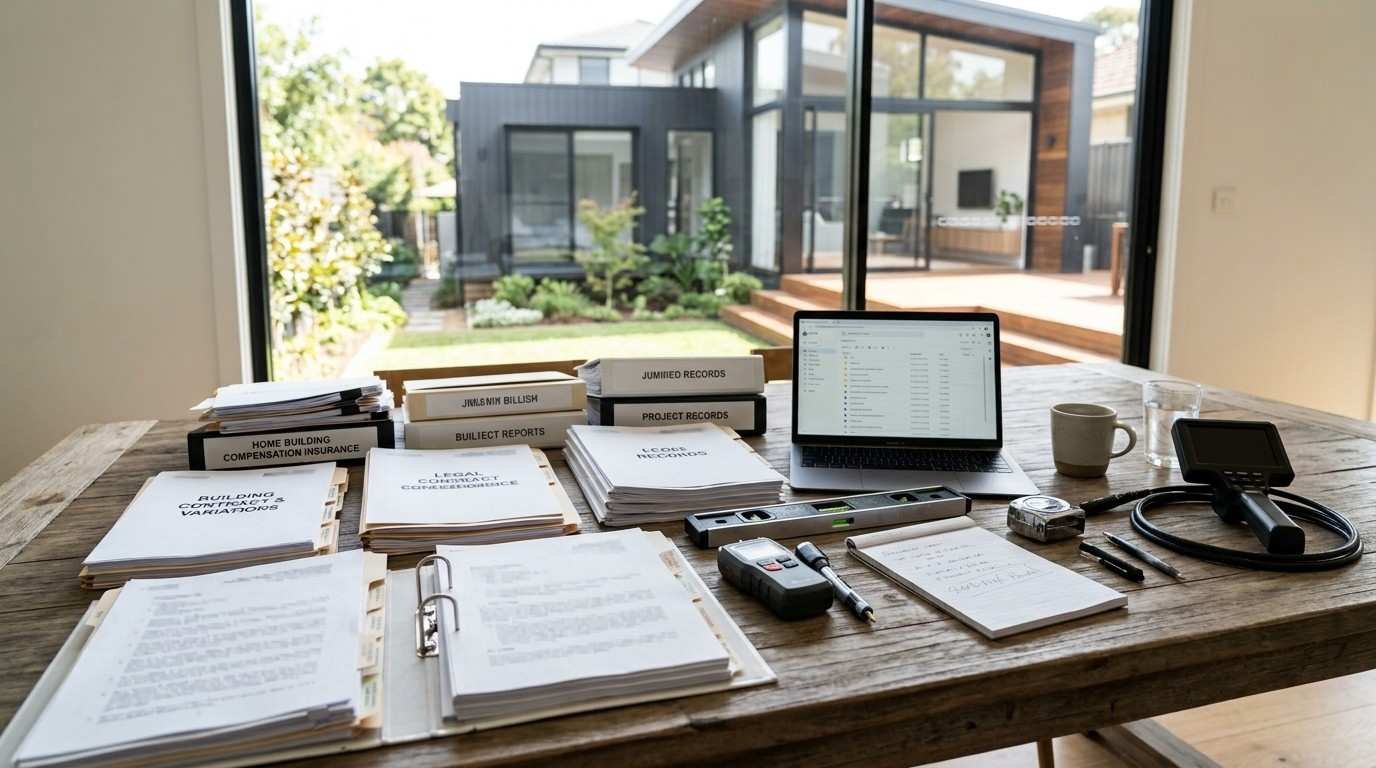
Before you raise anything with your builder, build your evidence file. Photograph every defect, every incomplete item, and every area of concern, with timestamps. Write a clear, dated list of the specific issues you have identified.
Pull out your contract and mark every clause that relates to the problem. Note the dates when issues first appeared and when you first noticed them. This documentation is what separates a credible dispute from a complaint that a builder can easily dismiss.
Going into a dispute conversation without documentation puts you at an immediate disadvantage.
How to Have the Conversation Without Burning the Relationship
Start with a written notice, a formal letter or email that clearly states the issues, references the relevant contract clauses, and requests a specific remedy within a defined timeframe. Keep the tone professional and factual. Avoid emotional language, ultimatums, or accusations.
Give the builder a reasonable opportunity to respond and rectify. Most builders, when presented with a clear and documented concern, will engage constructively, because they want the project finished and paid as much as you want it completed.
If the builder responds and commits to a fix, get that commitment in writing before any further work proceeds.
When Talking Fails, Formal Dispute Resolution Options
When direct communication does not resolve the issue, NSW provides a structured pathway for homeowners. These formal options exist specifically for residential building disputes and carry real authority.
Moving to formal resolution does not mean the relationship is over, but it does mean the dispute is now on record, and both parties are accountable to an external process.
Mediation and Conciliation Services in NSW
NSW Fair Trading offers a free conciliation service for residential building disputes. A conciliator facilitates a structured conversation between the homeowner and the builder, with the goal of reaching a mutually agreed resolution without going to tribunal.
Conciliation is faster and less adversarial than tribunal proceedings. It works best when both parties are willing to engage but have reached an impasse on their own. The process is confidential, and any agreement reached is binding.
This is almost always the right first formal step before escalating further.
NSW Fair Trading and the Home Building Act 1989
The Home Building Act 1989 is the primary legislation governing residential building work in NSW. It sets out the statutory warranties that apply to all residential building work, including that work must be done with due care and skill, in accordance with the plans and specifications, and within a reasonable time.
If your builder has breached these warranties, NSW Fair Trading can investigate and issue rectification orders. For disputes that cannot be resolved through conciliation, the NSW Civil and Administrative Tribunal (NCAT) has jurisdiction to hear residential building disputes and make binding orders.
Understanding your statutory rights under this Act is essential before you enter any formal process.
Protecting Yourself Legally and Financially
Beyond the dispute resolution process itself, there are legal and financial protections available to NSW homeowners that many people do not know about until they need them.
Acting on these protections early, before a dispute escalates, puts you in a significantly stronger position.
Home Building Compensation Fund (HBCF) Coverage
The Home Building Compensation Fund provides insurance cover for homeowners when a licensed builder dies, becomes insolvent, or disappears before completing the work or rectifying defective work. For residential building work over $20,000 in NSW, builders are legally required to hold HBCF insurance before taking a deposit.
This cover is not unlimited and does not apply to every dispute scenario, but it is a critical safety net for the most serious outcomes. Check that your builder holds a current HBCF certificate before any work begins.
If they cannot provide one, do not proceed.
When to Engage a Solicitor or Building Consultant
A building consultant, an independent licensed builder or building inspector, can assess defective work, prepare a scope of rectification, and provide an expert report that carries weight in formal proceedings. This is often more immediately useful than legal advice in the early stages of a dispute.
A solicitor becomes necessary when the dispute involves significant financial loss, a builder who has abandoned the site, or when NCAT proceedings are likely. Legal advice at this stage protects your position and ensures you do not inadvertently waive rights through informal agreements.
Engaging both early, when the stakes are high, is rarely a mistake.
How to Avoid Renovation Disputes Before They Start
The most effective dispute resolution strategy is the one you never need to use. Most renovation disputes are preventable, not through luck, but through deliberate choices made before a single tool is picked up.
The investment in getting the contract right and choosing the right builder pays for itself many times over when a project runs smoothly from start to finish.
What a Strong Renovation Contract Must Include
A solid renovation contract covers the full scope of work in specific detail, the materials and finishes specified by brand and grade, a clear payment schedule tied to defined milestones, a variation process that requires written sign-off before any additional work proceeds, a dispute resolution clause, and a practical completion definition.
It should also include the builder’s licence number, their HBCF insurance details, and the start and finish dates with provisions for legitimate delays. Anything left vague in the contract becomes a potential dispute point later.
Read every clause before you sign. Ask questions about anything unclear. A builder who resists a detailed contract is a builder worth reconsidering.
Choosing the Right Builder From the Start
Verify the builder’s licence through the NSW Fair Trading licence check before you engage them. Check their HBCF insurance status. Ask for references from recent comparable projects and actually call them.
Look at their communication style during the quoting process, it is a reliable indicator of how they will communicate during the build. A builder who is slow to respond, vague about costs, or reluctant to put things in writing during the sales process will not improve once they have your deposit.
Due diligence at the selection stage is the single most effective dispute prevention tool available to any homeowner.
Frequently Asked Questions
What is the first step when I have a dispute with my builder?
Document the issues thoroughly with photos, dates, and written notes before raising anything formally. Then send a written notice to your builder that clearly identifies the problem, references the relevant contract clause, and requests a specific remedy within a defined timeframe.
Can I withhold payment from my builder during a dispute?
Withholding payment is a serious step that can expose you to counter-claims and complicate your legal position. Review your contract’s payment schedule carefully and seek advice from NSW Fair Trading or a solicitor before stopping any payment, even when the dispute feels clear-cut.
How long does a builder have to fix defective work in NSW?
Under the Home Building Act 1989, statutory warranties apply for two years for minor defects and six years for major defects from the date of completion. These timeframes are non-negotiable and apply regardless of what the contract says about defect liability periods.
What does NSW Fair Trading do in a building dispute?
NSW Fair Trading offers a free conciliation service to help homeowners and builders reach a resolution. If conciliation fails, Fair Trading can investigate complaints and refer unresolved disputes to NCAT, which has the authority to make binding rectification and compensation orders.
Do I need a lawyer to resolve a renovation dispute?
Not always. Many disputes resolve through direct communication or NSW Fair Trading conciliation without legal involvement. A solicitor becomes necessary when significant money is at stake, when the builder has abandoned the project, or when NCAT proceedings are the likely outcome.
Conclusion
Renovation disputes are stressful, but they are manageable when you understand the process, document your position clearly, and know which formal pathways are available to you in NSW.
The homeowners who navigate disputes best are the ones who act early, communicate in writing, and use the statutory protections the Home Building Act provides rather than waiting and hoping the problem resolves itself.
At Sydney Home Renovation, we build every project on transparent contracts, clear communication, and honest workmanship, because the best dispute is the one that never happens. Reach out to our team to discuss your renovation with confidence.


