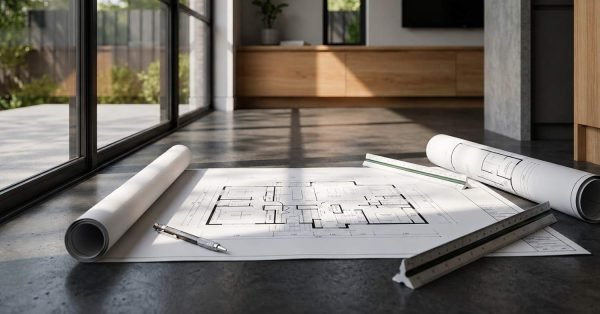
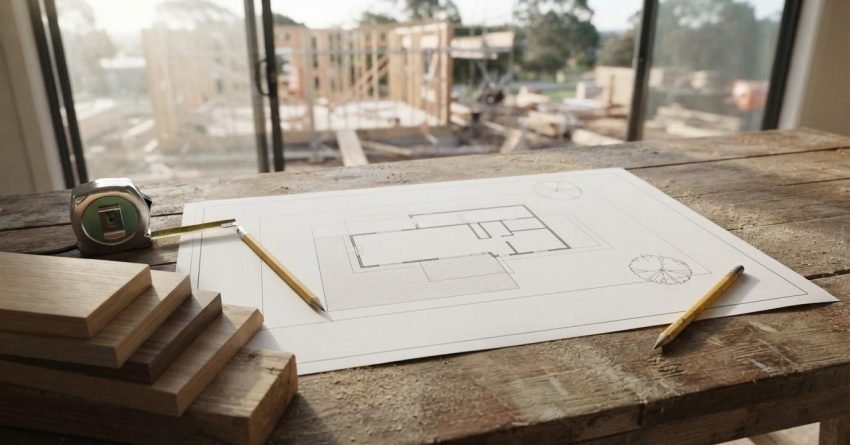
The most affordable house to build is a single-storey, rectangular-plan home constructed using lightweight timber framing or a modular kit system. Simple geometry, minimal roofline complexity, and standardised materials keep labour hours low and material waste to a minimum. These builds are the most cost-efficient starting point for homeowners and investors in Sydney.
Building affordably is not about cutting quality. It is about making deliberate structural and design decisions early, before a single slab is poured. The house type you choose, the land it sits on, and the construction method you use will determine your budget ceiling more than any individual fitting or finish.
The Most Affordable House Types to Build in Sydney
The most affordable house to build in Sydney is a single-storey, simple-form dwelling with a rectangular or square footprint, a skillion or gable roof, and a standard timber or steel frame. These design choices reduce structural complexity, shorten build timelines, and lower both labour and material costs compared to multi-storey or architecturally complex homes.
Kit homes and modular builds take this further by using factory-prefabricated components that reduce on-site labour time significantly. In our experience working across Sydney sites, these two house types consistently deliver the lowest cost per square metre.
Why Single-Storey Homes Cost Less to Build
Single-storey homes eliminate the cost of upper-floor structural systems, staircases, and the additional engineering required for multi-level loads. Every additional storey adds complexity to the foundation, the frame, and the wet area plumbing stack. Removing that complexity removes cost.
A rectangular floor plan reduces the number of external wall corners, which directly reduces framing labour and material. Fewer corners also mean fewer potential waterproofing and weatherproofing failure points, reducing both build cost and long-term maintenance risk. In Sydney, where labour rates are among the highest in Australia, minimising construction hours through smart design is one of the most effective cost controls available.
Kit Homes and Modular Builds – Lower Cost by Design
Kit homes arrive on site as pre-cut, pre-engineered component packages. Modular homes go further, with entire room modules fabricated off-site in controlled factory conditions and craned into position. Both methods reduce on-site labour hours, weather delays, and material waste, three of the largest cost variables in traditional construction.
In Sydney, kit home packages for a basic two-bedroom dwelling can start from significantly less than a comparable site-built home. The trade-off is design flexibility, since kit and modular homes work within standardised dimensions and configurations. For buyers prioritising cost over customisation, we find that trade-off is usually an easy one to accept.
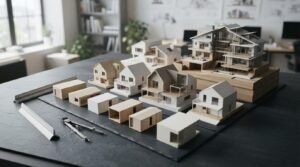
Cost Comparison by House Type in Sydney
Not every affordable house type saves money the same way. The table below shows how common build approaches typically compare on cost per square metre in the Sydney market.
| House Type | Relative Cost per m² | Key Cost Driver |
| Single-storey kit home | Lowest | Prefabricated components, minimal labour |
| Single-storey modular | Low | Factory fabrication, fast site assembly |
| Single-storey site-built | Moderate | Standard framing, on-site labour |
| Double-storey site-built | High | Staircases, upper-floor structure, engineering |
| Architecturally complex custom home | Highest | Custom joinery, non-standard geometry |
We use this comparison with clients early in planning, because it reframes the conversation from finishes to structure, where the real savings actually live.
What Drives the Cost of Building an Affordable Home in Sydney
Choosing an affordable house type sets the baseline. What moves the final cost above that baseline is a combination of site-specific variables, regulatory requirements, and specification decisions that are often underestimated at the planning stage.
Sydney’s land values and council approval processes add layers of cost that do not exist in regional markets. A sloping block requires engineered footings. A bushfire-prone zone triggers BAL ratings that mandate specific construction materials. A heritage overlay can restrict external finishes. None of these show up in a standard kit home price guide.
According to the Australian Bureau of Statistics, average residential construction costs in New South Wales have continued to rise year on year, driven largely by labour and compliance costs rather than material prices alone. This is one of the clearest signals that site and regulatory factors, not just house design, shape the final figure.
Site Conditions, Council Requirements, and Hidden Costs
Soil classification is one of the most overlooked cost variables in residential construction. Sydney’s geology varies significantly across suburbs. Reactive clay soils, rock close to the surface, or contaminated fill all require engineered slab solutions that add cost before the frame goes up.
Council development application fees, long service levy contributions, and Section 7.11 infrastructure contributions are mandatory costs that apply regardless of how simple the house design is. Connection fees for water, sewer, and electricity are separate again. We budget for these early with every client, because underestimating the cost of reaching lock-up stage is the single most common cause of blowouts on affordable builds.
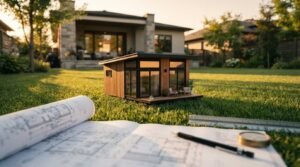
Are Granny Flats a Cheaper Alternative to a New Build?
For some homeowners, a full new build is not the only affordable path. A granny flat or secondary dwelling on an existing block can deliver usable living space at a fraction of the cost of a standalone house.
This works best when the existing land already has services connected, and no significant site remediation is needed. We often recommend this option to clients who want rental income or extra family space without the full cost profile of a ground-up build.
Where to Save and Where Not to Cut Corners
The most effective savings on an affordable build come from design decisions, not material substitutions. Reducing floor area, simplifying the roofline, and standardising window and door sizes to off-the-shelf dimensions all reduce cost without reducing structural integrity or liveability.
Where savings become risks is in the structural and waterproofing envelope. Substandard framing, inadequate waterproofing membranes, and undersized drainage systems create defects that cost multiples of the original saving to rectify. These are not areas to value-engineer.
Fixtures, fittings, and finishes are the legitimate savings zone. Tapware, cabinetry, floor coverings, and appliances can all be specified at entry-level without affecting the structural performance of the home. Upgrading these later is straightforward. Fixing a structural defect is not.
How you choose to manage the build also affects cost and risk exposure. A licensed builder carries insurance and accountability that an owner-builder arrangement does not, and while owner-building can reduce margin costs, it shifts scheduling, compliance, and defect risk directly onto the homeowner. We generally advise clients to weigh that risk carefully against the potential savings before committing to it.
Conclusion
The most affordable house to build combines a single-storey layout, simple rectangular form, and either timber-frame or modular construction, keeping labour hours and material costs as low as possible.
For Sydney homeowners and investors, the real cost discipline happens at the design and planning stage, before construction begins. Smart structural decisions deliver more savings than any individual product substitution.
At Sydney Home Renovation, we help you build with a clear budget, a realistic plan, and the expertise to keep costs controlled from the first consultation to final handover.
Frequently Asked Questions
What is the cheapest type of house to build in Australia?
A single-storey, rectangular kit home or modular dwelling is consistently the cheapest house type to build in Australia, with lower labour costs and reduced material waste compared to site-built alternatives.
Is it cheaper to build or buy a house in Sydney?
In most Sydney markets, buying an established home is cheaper when land costs are factored in. Building offers more control over specification and condition, but total costs including site works and council fees are frequently underestimated.
How much does it cost to build a basic house in Sydney?
A basic single-storey home in Sydney typically starts from $2,000 to $2,500 per square metre for a standard specification, though site conditions, council requirements, and finishes can push costs considerably higher.
What building materials reduce construction costs the most?
Lightweight timber framing, fibre cement sheeting, and colorbond roofing are among the most cost-effective structural and cladding materials for residential builds in Sydney, balancing durability with lower labour and material costs.
Can you build an affordable home in Sydney without sacrificing quality?
Yes. Affordability comes from design simplicity and construction efficiency, not from reducing structural standards. A well-designed simple home built to code delivers long-term performance at a lower cost than a complex home built to the same budget.