
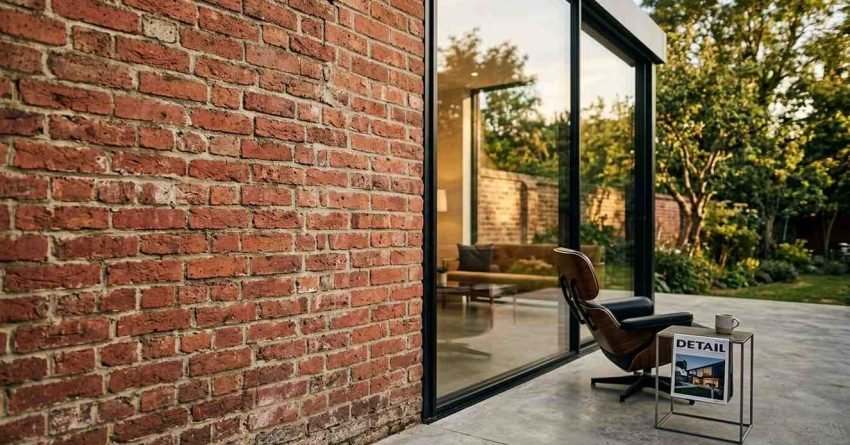
A modern extension on a period home is one of the most design-sensitive renovation projects a Sydney homeowner can undertake. It requires balancing the architectural character of an older dwelling Federation, Victorian, Edwardian, or Interwar with the functional demands of contemporary living. When done well, the result is a home that feels both historically grounded and genuinely liveable. When done poorly, it can compromise heritage character, trigger council refusals, and erode property value.
Getting this balance right demands more than good taste. It requires an understanding of planning controls, structural realities, material compatibility, and the design principles that govern how old and new can coexist on the same site.
This guide covers everything Sydney homeowners need to know: what defines a period home, how planning approvals work, which design principles apply, how to choose materials and extension types, what structural challenges to expect, how to budget accurately, and how to select the right builder for a heritage-sensitive project.
What Is a Modern Extension on a Period Home?
A modern extension on a period home is a new addition typically to the rear, side, or upper level of an existing dwelling that introduces contemporary design, materials, and spatial planning to a property built in an earlier architectural era. In Sydney, this most commonly applies to homes constructed between the 1880s and the 1940s, spanning the Victorian, Federation, Edwardian, and Interwar periods.
The defining challenge of this project type is that the existing home carries architectural DNA: ornate timber detailing, face brick facades, return verandahs, decorative gable ends, and double-hung windows that must be respected, even when the extension itself takes a deliberately modern form. The goal is not to replicate the past but to add to it in a way that is honest, considered, and architecturally coherent.
In Sydney’s inner suburbs, Newtown, Balmain, Glebe, Paddington, Leichhardt, and Marrickville, period homes make up a significant proportion of the residential housing stock. Many sit within heritage conservation areas or carry individual heritage listings, which adds a layer of planning complexity that does not apply to standard residential renovations.
Defining Period Architecture in the Australian Context
Australian period architecture is broadly categorised by construction era and stylistic influence. Victorian homes (1840s–1890s) are characterised by ornate ironwork, steep pitched roofs, and narrow facades. Federation homes (1890s–1915) introduced red brick, terracotta roof tiles, and decorative timber fretwork. Edwardian homes (1901–1915) share many Federation characteristics but tend toward simpler ornamentation. Interwar homes (1915–1940) include the California Bungalow and Spanish Mission styles, with lower rooflines and wider frontages.
Each era carries specific design cues that inform how a modern extension responds: roofline, material palette, window proportions, and setback from the original structure. Understanding which era your home belongs to shapes every design decision in your period home extension.
Planning Approvals and Heritage Considerations in Sydney
Planning approvals are the single most misunderstood aspect of extending a period home in Sydney. Many homeowners assume that because they own the property, they have broad freedom to extend it. In reality, period homes, particularly those in heritage conservation areas or with individual heritage listings, are subject to planning controls that significantly shape what can be built, where it can be built, and how it must look.
In New South Wales, home extensions are governed by the Environmental Planning and Assessment Act 1979, local council Development Control Plans (DCPs), and, where applicable, heritage provisions under the NSW Heritage Act 1977. The relevant controls vary by council, by street, and sometimes by individual property.
When Do You Need Council Approval for a Period Home Extension?
Not all extensions require a full Development Application. Some work can proceed under the State Environmental Planning Policy (Exempt and Complying Development Codes) 2008, which allows certain extensions to be approved as Complying Development, a faster, less complex pathway. However, properties within heritage conservation areas or with individual heritage listings are typically excluded from the Complying Development pathway, meaning a full DA is required.
A DA requires architectural drawings, a Statement of Environmental Effects, and in many cases a Heritage Impact Statement prepared by a qualified heritage consultant. The assessment process considers whether the proposed extension is sympathetic to the heritage significance of the property and its streetscape context.
Complying Development or DA: How to Know Which Applies
The quickest way to determine your approval pathway is to check your property’s heritage status on your council’s online mapping tool before engaging any designer. If your property sits within a heritage conservation area or carries an individual heritage listing, a full DA is almost certainly required. Complying Development is not available to you.
If your property has no heritage overlay and the proposed extension meets the standard setback, height, and floor area controls in the SEPP, Complying Development may be an option. We always recommend confirming this directly with council before committing to a design brief, because discovering mid-project that a DA is required adds months and high cost.
Heritage Overlays vs. Conservation Areas: What’s the Difference?
A heritage conservation area is a geographically defined precinct where the collective character of the streetscape is protected. Individual properties within a conservation area may not be heritage-listed themselves, but they are still subject to design controls that govern materials, colours, setbacks, and the visibility of extensions from the street.
An individual heritage listing applies to a specific property identified as having particular historical, aesthetic, or social significance. Properties with individual listings face the most stringent design scrutiny and typically require a Heritage Impact Statement for any significant external works.
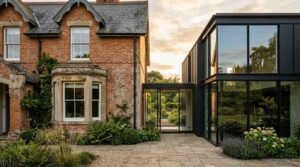
Architectural Design Principles for Blending Old and New
The architectural design of a modern extension on a period home is guided by a set of principles that have evolved through decades of heritage planning practice, design scholarship, and built precedent. These principles do not prescribe a single aesthetic outcome. They provide a framework for making design decisions that are contextually appropriate and architecturally defensible.
The most widely applied framework in Australian heritage practice is the Burra Charter, developed by Australia ICOMOS. It establishes that new work added to a heritage place must be distinguishable from the original fabric while remaining compatible with it. In practical terms, this means the extension reads as clearly new; it does not pretend to be original, but it responds to the scale, proportion, and material character of the existing home. This principle, sometimes described as “new is new, old is old,” underpins most contemporary approaches to period home extension design in Sydney.
The Complementary vs. Contrasting Design Debate
There are two broad design philosophies for period home extensions. The first is complementary design, which seeks to echo the materials, proportions, and detailing of the original home in the new addition. The second is contrasting design, which uses clearly contemporary materials and forms to create a deliberate visual distinction between old and new.
Both approaches are accepted by most Sydney councils, provided the extension does not dominate the original structure, does not replicate heritage detailing in a way that creates a false impression of age, and does not compromise the heritage significance of the property. The choice between complementary and contrasting design is ultimately a function of the property’s heritage status, the council’s DCP requirements, and the homeowner’s aesthetic preferences.
Scale, Proportion, and Setback: Getting the Balance Right
Regardless of the design philosophy chosen, three spatial principles apply universally. Scale refers to the size of the extension relative to the original home; extensions that overwhelm the original structure in height or footprint are consistently refused by heritage councils. Proportion refers to the relationship between the extension’s elements: window sizes, wall heights, and roof pitches that feel coherent with the existing home even when materials differ. Setback refers to the physical and visual separation between the original home and the new addition a recessed connection point, a glazed link, or a change in roofline can signal the transition between old and new without creating a jarring visual break.
These three principles are non-negotiable in heritage council assessments. Getting them right early in the design process is what separates approvals from refusals.

Choosing Materials for a Period Home Extension
Material selection is one of the most consequential design decisions in a period home extension. The materials you choose affect the visual relationship between old and new, the council’s assessment of heritage compatibility, the long-term maintenance requirements of the building, and the overall project cost.
In Sydney, the most common materials used in period home extensions are brick, timber, steel, fibre cement cladding, and glass. Each has distinct performance characteristics, aesthetic qualities, and heritage implications.
Matching Existing Materials vs. Deliberate Contrast
Matching existing materials using the same brick type, the same weatherboard profile, or the same roof tile can create a seamless visual result, but it carries risks. If the match is imperfect, the result can look like a poor imitation rather than a considered addition. It can also create confusion about what is original and what is new, which some heritage councils view unfavourably.
Deliberate contrast using a clearly contemporary material like Corten steel, polished concrete, or dark-stained timber makes the new work legible as new. This approach is increasingly accepted by Sydney councils and is often preferred by heritage architects because it is honest about the building’s history. The contrasting material must be of high quality and must respond to the scale and proportion of the original home.
Sustainable and Low-Maintenance Material Choices
Sustainability considerations are increasingly relevant in Sydney extension projects, driven by the National Construction Code’s energy efficiency requirements and growing homeowner interest in long-term running costs. Thermally efficient cladding systems, double-glazed windows, and materials with high recycled content are all viable choices for period home extensions, provided they are selected with heritage compatibility in mind.
This is one area where contemporary and heritage goals align well. High-performance materials tend to be durable, low-maintenance, and visually distinctive all qualities that serve both the NCC and the heritage assessment.
Extension Types Best Suited to Period Homes
The type of extension you choose rear, side, second storey, or a combination is determined by your block dimensions, your heritage constraints, your budget, and how you intend to use the new space. Each extension type has distinct design implications, structural requirements, and council approval considerations when applied to a period home.
Rear Extensions: The Most Common Choice
Rear extensions are the most common extension type on Sydney period homes, and for good reason. They add significant floor area without altering the street-facing facade, which is typically the most heritage-sensitive part of the property. A well-designed rear extension can open the home to the garden, create a new kitchen and living zone, and dramatically improve the liveability of an older dwelling without triggering the most stringent heritage controls.
The design challenge with rear extensions is managing the transition between the original home’s ceiling heights, floor levels, and room proportions and the new, typically more open-plan addition. A glazed link or a deliberate change in ceiling height at the connection point resolves this transition elegantly.
Second Storey Additions on Federation and Victorian Homes
Second storey additions are the most complex extension type on a period home. They are highly visible from the street and from neighbouring properties, which means they attract the most scrutiny from heritage councils. In many conservation areas, second storey additions are only permitted if they are set back from the front facade so they are not visible from the street a constraint that significantly affects the usable floor area of the addition.
Structurally, adding a second storey to a Federation or Victorian home requires a thorough assessment of the existing footings, wall framing, and subfloor structure, which were not designed to carry an upper level load.
Side Return Extensions and Narrow Block Solutions
Many Sydney period homes sit on narrow blocks with a side passage between the house and the boundary fence. A side return extension fills this passage, adding width to the ground floor plan without extending further into the garden. This is a particularly effective strategy for terrace houses and semi-detached homes where rear garden space is limited.
It is also one of the most cost-effective extension types per square metre gained, because the structural work is typically less complex than a second storey addition.
Interior Design: Connecting the Old and the New
The interior of a period home extension presents a design challenge that is distinct from the exterior: how do you move from a room with 3.2-metre ceilings, ornate cornices, and Baltic pine floorboards into a contemporary open-plan space without the transition feeling abrupt or incoherent?
The answer lies in a series of deliberate design decisions at the threshold between old and new: decisions about flooring, joinery, ceiling height, and the treatment of the opening that connects the two spaces.
Threshold Design: Where the Old Home Meets the New Extension
The threshold is the most important interior design moment in a period home extension. It is the point where two architectural languages meet, and it must be handled with intention. Options include a full-height glazed screen that frames the transition, a change in ceiling height that signals the shift from old to new, or a deliberate material change in the floor that marks the boundary between the original home and the addition.
This moment is also an opportunity. A well-designed threshold makes the contrast between old and new feel intentional and considered rather than accidental.
Flooring, Joinery, and Ceiling Continuity
Flooring is one of the most visible interior elements in a period home extension. Running the same floor material through both the original home and the extension creates visual continuity but can feel forced if the materials are not genuinely compatible. A more considered approach is to use a complementary but distinct material in the extension, for example, polished concrete or large-format stone tiles that respond to the warmth of Baltic pine without imitating it.
Joinery and ceiling treatment follow the same logic. The extension’s built-in elements should feel coherent with the original home’s character without replicating its detailing.
Natural Light, Ventilation, and Thermal Performance
One of the most significant functional improvements a modern extension delivers to a period home is natural light. Older Sydney homes were typically designed with small windows, narrow rooms, and limited north-facing orientation constraints that made sense in an era before air conditioning but that feel oppressive by contemporary living standards.
A well-designed extension fundamentally transforms the light quality of a period home by introducing large glazed openings, skylights, and north-facing living spaces that capture winter sun and manage summer heat gain.
Glazing Strategies for Heritage-Sensitive Extensions
Glazing in a period home extension must balance three competing demands: maximising natural light, managing thermal performance, and maintaining visual compatibility with the heritage character of the original home. Large expanses of glass on the rear elevation are generally accepted by heritage councils because they are not visible from the street. Glazing on side elevations or in roof planes requires more careful consideration of overlooking, privacy, and the visual impact on neighbouring properties.
The rear glass wall has become a defining feature of the Sydney period home extension and for good reason. It delivers light, connection to the garden, and a clear visual distinction between old and new in a single design move.
NCC Compliance and Energy Efficiency in Period Home Additions
Under the National Construction Code, new additions to existing homes must meet current energy efficiency requirements, even when the original home is exempt. This means the extension’s walls, roof, and glazing must achieve a minimum thermal performance standard, typically assessed using the NatHERS software or a deemed-to-satisfy pathway.
In practice, NCC compliance for glazing in Sydney extensions means targeting a U-value of 2.0 or below for windows and a Solar Heat Gain Coefficient (SHGC) appropriate to the orientation, typically 0.4 or lower for north-facing glass to manage summer heat gain. These requirements drive the selection of double-glazed windows, insulated wall and roof systems, and thermally broken framing systems in most Sydney period home extensions.
Structural Considerations Unique to Period Homes
Extending a period home is structurally different from extending a modern dwelling. Homes built before the 1950s were constructed using materials, methods, and standards that differ significantly from current practice, and those differences have direct implications for how an extension is designed, engineered, and built.
Footings, Load-Bearing Walls, and Subfloor Conditions
Period homes in Sydney were typically built on strip footings or pier-and-beam subfloor systems that were not designed to carry the loads imposed by a modern extension. Before any extension work begins, a structural engineer must assess the existing footings and determine whether they need to be upgraded, underpinned, or supplemented with new footings to support the addition.
Load-bearing wall identification is equally critical. In older homes, walls that appear to be non-structural may in fact be carrying roof or floor loads a discovery that significantly affects the design of the extension’s connection to the original home.
Working with Older Building Materials Safely
Period homes frequently contain materials that require careful management during construction. Asbestos-containing materials were used extensively in Australian residential construction from the 1940s through to the mid-1980s, and their presence must be identified and managed by a licensed asbestos removalist before any demolition or alteration work begins.
Lead paint is also common in homes built before 1970 and requires specific handling procedures to protect workers and occupants. We factor both of these into our pre-construction assessment on every period home project we take on.
Budgeting for a Period Home Extension in Sydney
Budgeting accurately for a period home extension in Sydney requires a clear understanding of the cost drivers that are specific to this project type. Period home extensions consistently cost more than equivalent extensions on modern homes, for reasons that are structural, regulatory, and logistical.
What Drives Cost Variation in Period Home Extensions
The primary cost drivers in a period home extension are the size and complexity of the addition, the heritage status of the property, the condition of the existing structure, the materials specified, and the level of finish required. In Sydney, extension costs typically range from $3,500 to $5,500 per square metre for a standard rear extension, with heritage-sensitive projects at the upper end of this range due to the additional design, documentation, and construction care required.
Council fees, heritage consultant fees, and the cost of a Heritage Impact Statement add to the upfront costs of a DA-required project. These costs are often underestimated by homeowners who have not previously navigated the heritage approval process.
Hidden Costs Specific to Heritage and Older Properties
The hidden costs of extending a period home are among the most significant budget risks in this project type. Asbestos removal, lead paint management, footing upgrades, subfloor repairs, and the remediation of deteriorated original fabric are all costs that cannot be fully quantified until construction begins. Experienced builders working on period homes build a contingency allowance of 10–15% into their project budgets specifically to absorb these discoveries.
Other hidden costs include the premium for matching or sourcing period-appropriate materials, the additional time required for heritage-sensitive construction methods, and the cost of rectifying previous non-compliant alterations to the original home that must be addressed before the extension proceeds.
Does a Period Home Extension Add Resale Value?
A well-executed period home extension consistently adds resale value, particularly in Sydney’s inner suburbs where period homes command a premium and buyers actively seek properties that have been extended without compromising heritage character. The key word is “well-executed”: extensions that over-modernise the original home, use poor-quality materials, or lack council approval can reduce value rather than add it.
The strongest value uplift comes from extensions that increase functional floor area, improve north-facing orientation and natural light, and preserve the original home’s heritage character. These are the projects buyers pay a premium for.
Choosing the Right Builder for a Period Home Extension
The quality of your builder is the single most important variable in the outcome of a period home extension. Heritage-sensitive construction requires a level of care, experience, and craft that not all residential builders possess. Selecting the wrong contractor one without genuine experience in period home work is one of the most common and costly mistakes Sydney homeowners make.
What to Look for in a Heritage-Experienced Contractor
A builder with genuine period home experience will be able to demonstrate a portfolio of completed heritage projects, provide references from clients who have navigated the DA process, and articulate a clear understanding of the structural and material challenges specific to older homes. They will also have established relationships with heritage consultants, structural engineers, and council planners relationships that significantly smooth the approval and construction process.
Licensing, insurance, and contract clarity are non-negotiable. In NSW, all residential building work over $20,000 must be carried out under a Home Building Contract, and the builder must hold a current contractor licence issued by NSW Fair Trading. Home warranty insurance is required for contracts over $20,000 and provides protection if the builder fails to complete the work or becomes insolvent.
Heritage Architect, Designer, or Draftsperson: Which Do You Need?
The answer depends on the complexity of your project and your property’s heritage status. A registered architect with heritage experience is the right choice for any property with an individual heritage listing, any project requiring a Heritage Impact Statement, or any extension of significant scale or complexity. Heritage architects understand the Burra Charter framework, have established relationships with council heritage officers, and produce documentation that stands up to rigorous DA scrutiny.
A building designer or experienced draftsperson may be appropriate for simpler extensions on properties within a conservation area but without an individual listing, where the design brief is straightforward, and the DA pathway is clear. We recommend confirming the appropriate professional with your council’s heritage officer before engaging anyone; the cost of getting this wrong is far higher than the cost of the right advice upfront.
How Long Does a Period Home Extension Take?
Timeline is one of the most common questions we hear from homeowners planning a period home extension, and one of the most underestimated aspects of the process.
For a DA-required project on a heritage-listed or conservation area property, the realistic timeline from initial design brief to occupation certificate is typically 12 to 18 months. The DA assessment alone takes 40 to 60 business days for a straightforward application, and heritage-sensitive projects frequently require additional information requests that extend this to four to six months. Design and documentation before lodgement typically takes two to three months.
Construction on a standard rear extension runs three to five months once approvals are in hand. Second storey additions and more complex projects run five to eight months. The occupation certificate process adds two to four weeks at the end.
The single biggest cause of timeline blowout is discovering mid-project that a full DA is required when Complying Development was assumed. Confirming your approval pathway before engaging a designer is the most effective way to protect your timeline.
Common Design Mistakes to Avoid in Period Home Extensions
Even homeowners who invest in good design and experienced builders can fall into predictable traps when extending a period home. Understanding the most common mistakes and why they happen is one of the most effective ways to protect both the heritage character of your home and your renovation budget.
Over-Modernising and Losing Heritage Character
The most common design mistake in period home extensions is over-modernising the original home in an attempt to create visual consistency with the new addition. This typically manifests as replacing original windows with aluminium frames, removing ornate cornices and ceiling roses, or rendering over face brick to create a uniform contemporary finish. These changes are almost always irreversible, and they consistently reduce the heritage value and resale appeal of the property.
The correct approach is to restore and preserve the original fabric of the period home while allowing the extension to speak in a contemporary voice. The contrast between the two is a design asset, not a problem to be solved.
Underestimating the Approval and Documentation Process
The second most common mistake is underestimating the time and cost of the planning approval process. Homeowners who assume their extension qualifies for Complying Development and who engage a builder before confirming this with council frequently discover mid-project that a full DA is required. This discovery adds months to the project timeline and tens of thousands of dollars to the project cost.
The solution is to engage a heritage architect or experienced designer at the outset, confirm the approval pathway with council before any design work is finalised, and budget for the full DA process from the beginning.
Conclusion
A modern extension on a period home brings together heritage architecture, contemporary design, planning regulation, structural complexity, and careful material selection into a single, highly consequential project. Understanding each of these dimensions from council approval pathways to the structural realities of older homes is what separates a successful extension from a costly, character-eroding mistake.
The sections in this guide cover every major decision point in the process, from identifying your home’s heritage era and confirming your approval pathway to selecting materials, managing structural risks, and budgeting accurately for the full scope of work.
At Sydney Home Renovation, we plan, design, and build period home extensions across Sydney’s inner suburbs, combining heritage construction expertise, honest cost guidance, and a genuine respect for the architectural character of older homes. When you are ready to move forward, we are here to help you get it right.
Frequently Asked Questions
Do I need council approval to extend a period home in Sydney?
Most period homes in Sydney require a Development Application for extensions, particularly those in heritage conservation areas or with individual heritage listings. Complying Development pathways are typically unavailable for heritage-listed properties.
What is the difference between a heritage conservation area and an individual heritage listing?
A heritage conservation area protects the collective character of a streetscape precinct. An individual heritage listing applies to a specific property with recognised historical or architectural significance. Individual listings carry stricter design controls and typically require a Heritage Impact Statement.
How much does a modern extension on a period home cost in Sydney?
Period home extensions in Sydney typically range from $3,500 to $5,500 per square metre, depending on size, complexity, heritage status, and finish level. Heritage-sensitive projects sit at the upper end of this range due to additional design, documentation, and construction requirements.
Can I use modern materials on a period home extension?
Yes. Contemporary materials including steel, glass, polished concrete, and dark-stained timber are widely used in period home extensions and are accepted by most Sydney councils, provided the extension does not dominate the original structure and responds appropriately to its scale and proportion.
What structural issues should I expect when extending a period home?
Common structural discoveries include inadequate footings, deteriorated subfloor framing, load-bearing walls in unexpected locations, asbestos-containing materials, and lead paint. A structural engineer’s assessment before design is finalised is essential for managing these risks.
How do I connect the interior of a period home to a modern extension?
The interior connection is best managed through deliberate threshold design: a glazed screen, a change in ceiling height, or a material transition at the connection point. Flooring, joinery, and ceiling treatments in the extension complement rather than imitate the original home’s finishes.
What is the most common mistake homeowners make when extending a period home?
The most common mistake is over-modernising the original home, replacing original windows, removing ornate detailing, or rendering over face brick in an attempt to match the contemporary extension. These changes are typically irreversible and reduce both the heritage value and the resale appeal of the property.


