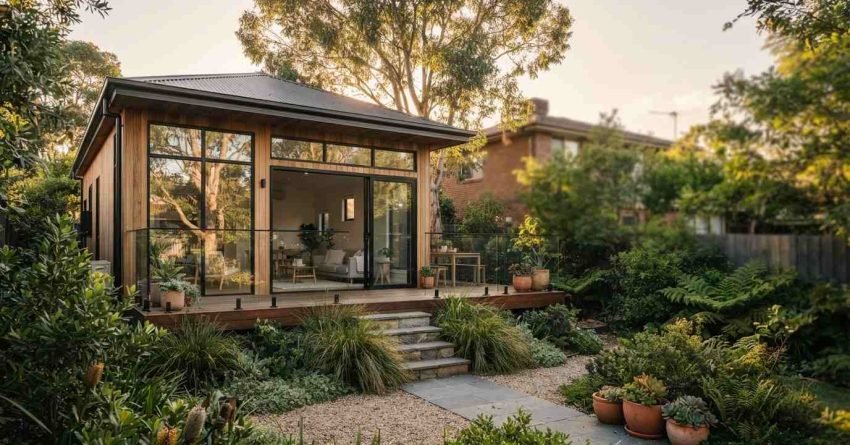
Building a granny flat in Australia typically costs between $80,000 and $200,000, depending on the construction type, size, site conditions, and location. In Sydney, where labour rates and council requirements add complexity, we typically see homeowners budget between $120,000 and $180,000 for a well-built, compliant secondary dwelling. Understanding what drives that range is the difference between a project that stays on budget and one that blows out before the slab is poured.
What Does a Granny Flat Cost in Australia?
A standard granny flat in Australia costs between $80,000 and $200,000 to build. The final figure is shaped by construction method, floor area, site accessibility, and finish level. We find prefabricated and modular options sit at the lower end of the range, while custom-built dwellings with higher-specification finishes push toward the upper end.
Sydney projects typically land in the $120,000 to $180,000 range once trades, compliance, and site preparation are factored in.
Cost by Granny Flat Type
The construction method is the single biggest cost lever we see on every project. Prefabricated or modular granny flats cost between $80,000 and $130,000 installed, offering faster build times and predictable pricing. Custom-built granny flats range from $130,000 to $200,000+, giving homeowners full control over layout, materials, and finishes.
Garage or studio conversions are often the most affordable path, starting around $50,000 to $80,000. Structural upgrades and waterproofing can push these costs higher than expected, though. Each type carries different trade-offs between upfront cost, build timeline, and long-term quality.
Cost by Size and Configuration
Floor area directly determines material quantities, labour hours, and structural requirements. A studio or one-bedroom granny flat between 40 and 60 square metres typically costs $1,800 to $2,500 per square metre to build in Sydney, according to Housing Industry Association cost data. A two-bedroom configuration between 60 and 90 square metres sits closer to $2,200 to $3,000 per square metre once wet areas, additional trades, and compliance costs are distributed across the build.
Larger footprints reduce the cost-per-square-metre slightly. Total project spend still increases significantly as size grows.
Granny Flat Cost Breakdown Table
We put together this itemized breakdown to show where the money actually goes on a typical $150,000 Sydney build.
| Cost Item | Typical Range |
| Design and approvals | $5,000–$15,000 |
| Site preparation | $5,000–$25,000 |
| Slab and foundation | $10,000–$20,000 |
| Frame and structure | $20,000–$35,000 |
| Plumbing and electrical | $15,000–$25,000 |
| Kitchen and bathroom fit-out | $20,000–$35,000 |
| Project management (10–15%) | $10,000–$20,000 |
What Drives Granny Flat Costs Higher?
The quoted build price rarely tells the full story. Site-specific conditions, compliance requirements, and project coordination costs are where budgets most commonly underperform. Knowing these variables before you commit protects your contingency and your timeline.
Site Preparation and Council Compliance Costs
Site preparation costs in Sydney range from $5,000 to $25,000 depending on slope, soil type, drainage requirements, and existing service connections. Steeply sloped blocks require additional excavation and retaining work. Poor drainage or inadequate sewer connections add further cost before a single wall frame goes up.
Council approval requirements in NSW vary by local government area. Complying development certificate (CDC) pathways are not available on every site, and where they aren’t, a development application (DA) is required instead. Development application fees, engineering reports, and certifier costs typically add $5,000 to $15,000 to the total project cost, based on current NSW Planning Portal guidance.
NSW Eligibility Rules for Granny Flats
We always check eligibility before pricing a build, because it changes the entire approval pathway. Most NSW councils require a minimum lot size of 450 square metres for a granny flat to qualify under the Low Rise Housing Diversity Code. Setback rules typically require 900mm from side and rear boundaries, and the granny flat must not exceed 60 square metres of internal floor area under the standard CDC pathway.
Blocks that fall outside these parameters can still proceed, but they move into the DA process instead. This usually adds time and cost to the project.
Trades, Labour, and Project Management in Sydney
Sydney carries some of the highest trade labour rates in Australia. Electricians, plumbers, concreters, and carpenters each represent a significant line item. Coordinating multiple trades without experienced project management creates scheduling gaps that extend timelines and inflate costs.
A fully project-managed granny flat build in Sydney typically includes a 10 to 15 percent project management margin on top of direct trade costs. This is not overhead. It is the cost of keeping a multi-trade project on schedule, on spec, and compliant from slab to handover.
Hidden Costs to Budget For
We see the same overlooked costs trip up budgets again and again. Stormwater connection and disposal can add $3,000 to $8,000 depending on site drainage. Utility connection fees for water, power, and gas typically run $2,000 to $6,000, and landscaping or fencing to restore the site after construction often adds another $3,000 to $10,000.
Building a 10 percent contingency into any granny flat budget covers most of these surprises before they become a problem.
Financing a Granny Flat Build
Most homeowners fund a granny flat through a construction loan, a home equity redraw, or a dedicated renovation loan. Lenders typically release funds in stages tied to construction milestones rather than as a lump sum. According to Moneysmart.gov.au, interest-only construction loan periods are common during the build phase, converting to principal-and-interest once the granny flat reaches completion.
We recommend getting loan pre-approval before finalising your build contract. This keeps your budget locked in before trade and material costs are confirmed.
Is a Granny Flat Worth the Investment in Sydney?
For most Sydney homeowners, a granny flat delivers measurable financial return. The combination of rental income, increased property value, and long-term land use efficiency makes it one of the stronger residential investment decisions available within an existing property boundary.
Rental Yield vs. Build Cost – A Realistic Comparison
A well-located granny flat in Sydney’s middle and outer suburbs generates between $350 and $600 per week in rental income, depending on size, finish, and proximity to transport. At $450 per week, a granny flat costing $150,000 to build delivers a gross rental yield of approximately 15.6 percent annually on the build cost alone, before accounting for the capital value it adds to the overall property.
That return profile is difficult to replicate through most other residential investment strategies at the same entry cost.
Property Value and Tax Considerations
A well-built granny flat typically adds $100,000 to $150,000 to a Sydney property’s market value. Beyond the sale value, investors can generally claim depreciation on the granny flat’s construction cost and fittings over time, which the Australian Taxation Office outlines under capital works deductions for income-producing properties.
We always suggest speaking with an accountant before treating depreciation as guaranteed. Individual circumstances affect what can actually be claimed.
Conclusion
Granny flat costs in Australia range from $80,000 to $200,000+, shaped by construction type, size, site conditions, and Sydney’s labour market. Knowing these variables before you budget prevents the cost overruns that derail most projects.
For homeowners and investors, the build cost is only one part of the equation. Rental yield, property value uplift, and long-term land use make a well-planned granny flat one of the strongest investments a Sydney property can support.
At Sydney Home Renovation, we help you plan, price, and build your granny flat with full cost transparency from day one. Contact us to start your budget conversation.
Frequently Asked Questions
How long does it take to build a granny flat in Australia?
Most granny flat builds take between 12 and 20 weeks from approval to completion. Prefabricated options build faster. Custom builds and complex sites extend the timeline.
Do I need council approval for a granny flat in NSW?
Yes. Most granny flats in NSW require either a complying development certificate (CDC) or a development application (DA), depending on your site and local council requirements.
Can I build a granny flat for under $100,000?
A basic prefabricated or modular granny flat can come in under $100,000, but site preparation, compliance, and connection costs often push the total above that threshold in Sydney.
What is the cheapest type of granny flat to build?
Garage or studio conversions are typically the most affordable option, starting around $50,000 to $80,000, provided the existing structure is sound and services are already connected.
Does a granny flat add value to a property?
Yes. A well-built granny flat typically adds between $100,000 and $150,000 to a Sydney property’s market value, depending on size, quality, and local demand for secondary dwellings.
What size block do I need for a granny flat in NSW?
Most councils require a minimum lot size of 450 square metres for a granny flat to qualify under the standard complying development pathway.
How do I finance a granny flat build?
Most homeowners use a construction loan, home equity redraw, or renovation loan, with funds released in stages tied to building milestones.