Natural light transforms a home extension from a functional addition into a space that genuinely improves how you live. Skylights, clerestory windows, and glass walls are the three primary strategies Sydney homeowners use to flood extensions with daylight, each with distinct structural requirements, thermal performance characteristics, and cost implications.
Choosing the wrong approach for your roof pitch, orientation, or floor plan can leave an extension feeling dark and disconnected from the rest of your home.
This guide compares all three natural light strategies, explains where each performs best, and covers the planning, approval, and cost considerations specific to Sydney home extensions.
Why Natural Light Matters in a Home Extension
A home extension that lacks adequate natural light often feels like an afterthought, visually separate from the main dwelling and uncomfortable to spend time in. Daylighting is not simply an aesthetic preference; it directly affects thermal comfort, energy consumption, and the perceived size of a space.
In Sydney’s climate, well-designed natural light strategies reduce reliance on artificial lighting during daylight hours and contribute to passive solar heating in winter when glazing is correctly oriented. Poor orientation or insufficient glazing creates spaces that overheat in summer and feel cold and dim in winter.
How Daylighting Affects Liveability and Property Value
Extensions with strong natural light consistently perform better in property valuations and attract stronger buyer interest. A well-lit rear extension that connects visually to an outdoor area creates a sense of spatial continuity that adds perceived square meterage beyond the physical footprint.
Getting daylighting right is one of the most consequential decisions we make in home extension planning, and it needs to be resolved before structural design begins.
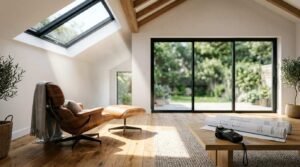
Skylights in Home Extensions: Types, Placement, and Performance
Skylights are the most common natural light solution for single-storey rear extensions in Sydney, particularly where a pitched or skillion roof creates an opportunity to introduce overhead glazing without affecting the building’s side boundaries or neighbour sightlines.
Roof-mounted glazing delivers approximately three times more light per square metre than a vertical window of the same size, making skylights highly efficient in compact extensions where wall space is limited.
Fixed vs. Operable Skylights: Which Is Right for Your Extension?
Fixed skylights are sealed units that admit light without ventilation. They are the lower-cost option and suit spaces where cross-ventilation is already achieved through other openings. Operable skylights, including manually operated and electrically controlled models, open to release hot air and improve airflow, which is particularly valuable in Sydney’s humid summers.
Tubular skylights offer a third option for spaces where a full-size roof penetration is not structurally practical. They channel daylight through a reflective tube from a small roof dome to a ceiling diffuser, making them suitable for internal bathrooms, hallways, and narrow extensions.
Choosing between fixed and operable models affects both ventilation strategy and budget, and the decision is worth resolving early with your builder before the roof framing is locked in.
Where to Position Skylights for Maximum Daylight Gain
North-facing roof planes receive the most consistent daylight in Sydney and allow for passive solar gain in winter when the sun is lower in the sky. East-facing skylights deliver strong morning light, while west-facing positions create afternoon heat gain that becomes problematic in summer without appropriate shading or low-e glazing.
Roof pitch also matters. A steeper pitch on a north-facing plane captures more winter sun but increases glare risk in summer; a shallower pitch distributes light more evenly across the floor year-round. Avoid positioning skylights directly above workspaces or seating areas where direct sun penetration creates glare. Diffused or frosted glazing distributes light more evenly across the floor plane.
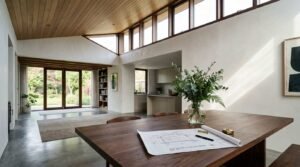
Clerestory Windows: Bringing Light Deep Into Your Extension
A clerestory is a band of windows positioned high on a wall, above the roofline of an adjacent lower structure or above eye level on a raised wall section. In home extensions, clerestory windows are typically integrated into a raised skillion roof or a stepped roof profile where the upper wall section is exposed to the sky.
The key advantage of clerestory glazing over skylights is that it introduces light from the side rather than directly overhead, reducing glare and creating a more even distribution of daylight across the floor. Clerestory windows also provide natural ventilation when operable sashes are included, and they maintain privacy because the glazing sits above sightline height.
Clerestory Design Considerations for Sydney Homes
North-facing clerestory windows are the preferred orientation for Sydney extensions. A north-facing clerestory on a skillion roof that slopes down toward the south captures winter sun low in the sky while the roof overhang above provides shading during summer when the sun is higher.
The structural implications of clerestory design are more complex than standard skylights. The raised wall section requires its own framing, and the roof junction between the lower and upper sections must be carefully detailed to prevent water ingress. This makes early integration into the structural design essential, and it is one reason we recommend resolving the glazing strategy before engaging a structural engineer.
Privacy glazing options, including frosted, tinted, and switchable smart glass, are worth considering for clerestory panels that face a neighbouring property at an angle, even when the sill height is above standard sightlines.
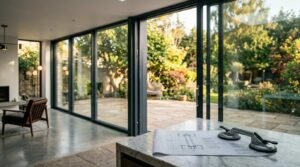
Glass Walls and Glazing Systems for Home Extensions
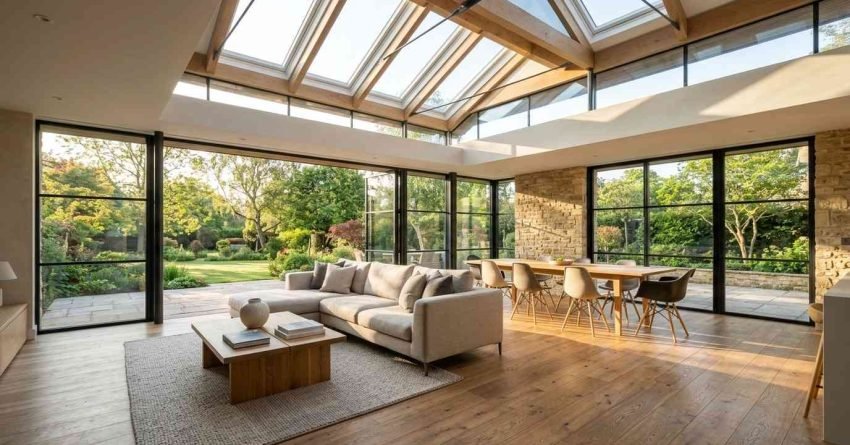
Full-height glazing systems, including bifold doors, sliding glass walls, and frameless glass panels, are the most visually dramatic natural light strategy available for home extensions. They dissolve the boundary between the interior and an outdoor area, creating a connected living space that reads as significantly larger than its actual footprint.
Glass walls are most effective on the north or east boundary of an extension where they face a garden, courtyard, or outdoor entertaining area. They are less suitable on west-facing boundaries without external shading, where afternoon sun creates heat gain and glare that is difficult to manage with glazing alone.
Bifold Doors, Sliding Glass Walls, and Frameless Glazing
Bifold door systems fold back in panels to create a wide opening between the extension and the outdoor area. They are the most popular choice for rear extensions in Sydney because they are widely available, competitively priced, and suit standard opening widths of three to six metres.
Sliding glass wall systems use large panels that stack behind one another rather than folding, allowing wider openings with fewer frame interruptions. Frameless glazing systems use structural glass panels with minimal or concealed framing for a cleaner visual result, though at a higher cost and with more complex installation requirements.
External Shading for Glass Walls and Skylights
External shading is the most effective way to manage solar heat gain through large glazed areas. Fixed eaves sized to the roof pitch and latitude block summer sun while allowing winter sun to penetrate, and they are the lowest-cost shading solution when designed into the structure from the start.
Operable external louvres and retractable blinds give homeowners seasonal control and suit west-facing glass walls where fixed eaves alone are insufficient. Internal blinds and curtains are a fallback, but they trap heat between the glass and the blind rather than blocking it before it enters the room.
Thermal Performance and Energy Efficiency in Glass Extensions
Large glazed areas introduce significant thermal risk if the glazing specification is not matched to the orientation and climate. In Sydney’s temperate climate, double-glazed units with a low-emissivity coating are the minimum recommended specification for full-height glass walls. Single glazing loses heat rapidly in winter and admits solar heat gain in summer that air conditioning cannot efficiently offset.
Triple glazing is rarely necessary in Sydney’s climate given the relatively mild winters, but it becomes worth considering for west-facing glass walls in western Sydney suburbs where summer temperatures regularly exceed 40°C. The additional cost, typically $80 to $150 per square metre more than double glazing, is justified by the reduction in cooling load over the life of the extension.
Condensation on interior glass surfaces is a sign that the glazing unit is underperforming for the conditions. Double-glazed units with warm-edge spacer bars significantly reduce condensation risk compared to standard aluminium-spacer units, and this is worth specifying at the procurement stage rather than addressing after installation.
Comparing Natural Light Strategies: Skylights vs. Clerestory vs. Glass Walls
Each strategy suits different extension types, roof configurations, and budget levels. The table below summarises the key differences to help you identify the right approach for your project.
| Strategy | Best Suited To | Light Quality | Ventilation | Relative Cost | Key Limitation |
| Fixed Skylight | Skillion or pitched roof extensions | Bright, direct overhead | None | Low | Glare risk; no ventilation |
| Operable Skylight | Extensions needing ventilation | Bright, overhead | Good | Medium | Requires roof access for maintenance |
| Tubular Skylight | Narrow or internal spaces | Diffused, soft | None | Low | Limited to small areas |
| Clerestory Windows | Skillion roof with raised wall | Even, diffused | Good (if operable) | Medium–High | Complex structural detailing |
| Bifold Glass Doors | Rear extensions with garden access | Expansive, lateral | Excellent | Medium | Thermal risk if west-facing |
| Sliding Glass Wall | Wide openings, open-plan extensions | Expansive, lateral | Excellent | High | Higher cost; complex installation |
| Frameless Glazing | Premium extensions, design-led projects | Maximum visual openness | Conditional | Very High | Highest cost; specialist installation |
Most Sydney home extensions benefit from combining two strategies. A practical example: a 4m x 6m rear living extension with a north-facing skillion roof works well with a clerestory band along the high wall for ambient overhead daylight, combined with bifold doors across the full south-facing garden boundary for lateral light and outdoor connection. The clerestory handles winter solar gain; the bifold doors handle summer cross-ventilation. A single strategy rarely achieves the full range of light quality, ventilation, and spatial connection that a well-designed extension requires.
Planning and Building Approval for Natural Light Features in Sydney
Most home extensions in Sydney require either a Development Application (DA) through the local council or a Complying Development Certificate (CDC) through a private certifier. The natural light features you choose affect which approval pathway is available and what conditions apply.
Skylights and clerestory windows that fall within the building envelope of a complying development are generally approvable under the CDC pathway, provided they meet setback, height, and privacy requirements under the relevant State Environmental Planning Policy. Glass walls that extend to a boundary or affect overlooking of a neighbouring property are more likely to require a DA.
Privacy screening, obscure glazing, and minimum sill heights are common conditions applied to glazing that faces a neighbouring property. Your builder or certifier should assess these requirements before the design is finalised to avoid costly changes during the approval process.
BASIX and NatHERS Requirements for Glazed Extensions
All home extensions in NSW that increase the floor area of a dwelling require a BASIX certificate, which sets minimum thermal comfort and energy efficiency targets. Glazing area, orientation, and specification directly affect the BASIX thermal score, and a poorly oriented or under-specified glass wall can cause a BASIX failure that requires redesign.
NatHERS star ratings apply to new dwellings and significant alterations. We recommend running a preliminary BASIX assessment before finalising the glazing specification, particularly for extensions with large west-facing glass areas. Your certifier or energy assessor can identify compliance risks before they become construction problems.
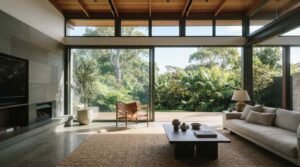
Cost Considerations for Skylights, Clerestory, and Glass Walls in Sydney
Natural light features vary significantly in cost depending on the glazing type, size, structural complexity, and finish quality. The following ranges reflect typical installed costs for Sydney home extensions in 2025 and should be treated as planning estimates rather than fixed quotes.
Fixed skylights typically cost between $800 and $2,500 installed, depending on size and glazing specification. Operable skylights with electric operation range from $2,000 to $5,000 installed. Tubular skylights are generally the most affordable option at $500 to $1,200 installed.
Clerestory window systems involve both glazing and structural framing costs. A standard clerestory band on a skillion roof extension typically adds $3,000 to $8,000 to the structural and glazing budget, depending on the length of the run and the glazing specification.
Bifold door systems for a standard three-metre opening range from $4,000 to $10,000 supplied and installed. Full-width sliding glass wall systems for a six-metre opening range from $12,000 to $25,000 or more depending on the specification.
| Natural Light Feature | Typical Installed Cost (Sydney, 2025) |
| Fixed skylight | $800 – $2,500 |
| Operable skylight (electric) | $2,000 – $5,000 |
| Tubular skylight | $500 – $1,200 |
| Clerestory window band (skillion roof) | $3,000 – $8,000 |
| Bifold doors (3m opening) | $4,000 – $10,000 |
| Sliding glass wall (6m opening) | $12,000 – $25,000+ |
| Frameless glazing system | $20,000 – $40,000+ |
For a complete picture of what a light-focused extension costs from foundation to finish, budgeting for glazing should sit alongside structural modifications, builder fees, and a contingency allowance of at least 10 to 15 percent of the total project cost.
Conclusion
Skylights, clerestory windows, and glass walls each solve the natural light challenge in a home extension differently, and the right choice depends on your roof configuration, orientation, budget, and how you want the space to feel and function.
Combining strategies typically produces the best outcome. Overhead daylight from a skylight or clerestory paired with lateral connection through glass doors creates a space that is bright, comfortable, and genuinely connected to the outdoors.
At Sydney Home Renovation, we design and build light-filled home extensions that integrate glazing, structure, and thermal performance from the first planning stage. Contact our team to discuss how natural light can be built into your extension from the ground up.
Frequently Asked Questions
Do skylights add value to a home extension in Sydney?
Yes. We find that skylights improve the liveability and perceived size of an extension, which positively affects property value. North-facing skylights with appropriate glazing also contribute to passive solar performance, reducing energy costs over time.
What is the difference between a clerestory window and a skylight?
A skylight is mounted horizontally or at a low pitch on the roof surface, admitting overhead light. A clerestory window is positioned vertically on a raised wall section above the main roof line, admitting light from the side at a high level. Clerestory windows generally produce less glare and more even light distribution.
Do I need council approval for a skylight in Sydney?
Most skylights in home extensions are approvable under the Complying Development Certificate pathway without a full DA, provided the extension meets the relevant SEPP requirements. Skylights that affect overlooking or privacy may require additional conditions or a DA. Always confirm with your certifier before proceeding.
What glazing specification is recommended for glass walls in Sydney?
We recommend double-glazed units with a low-emissivity (low-e) coating as the minimum specification for full-height glass walls in Sydney. For west-facing glass walls, a higher-performance glazing with a lower solar heat gain coefficient (SHGC) is advisable to manage summer heat gain.
Can I combine skylights and glass walls in the same extension?
Yes, and this is often the most effective approach. A north-facing clerestory or skylight provides ambient overhead daylight, while bifold or sliding glass doors to the garden create lateral light and outdoor connection. Combining strategies produces a more balanced and comfortable light environment than relying on a single approach.
How much does a clerestory window cost to add to a home extension?
A clerestory window band on a skillion roof extension typically adds $3,000 to $8,000 to the structural and glazing budget in Sydney, depending on the run length, glazing specification, and structural complexity. This cost is in addition to the base extension build cost.
What is the best orientation for natural light in a Sydney home extension?
North-facing glazing is the optimal orientation for Sydney home extensions. It maximises winter sun penetration when the sun is lower in the sky and allows roof overhangs to shade the glazing in summer when the sun is higher. East-facing glazing delivers morning light, while west-facing glazing should be minimised or shaded to prevent afternoon heat gain.