
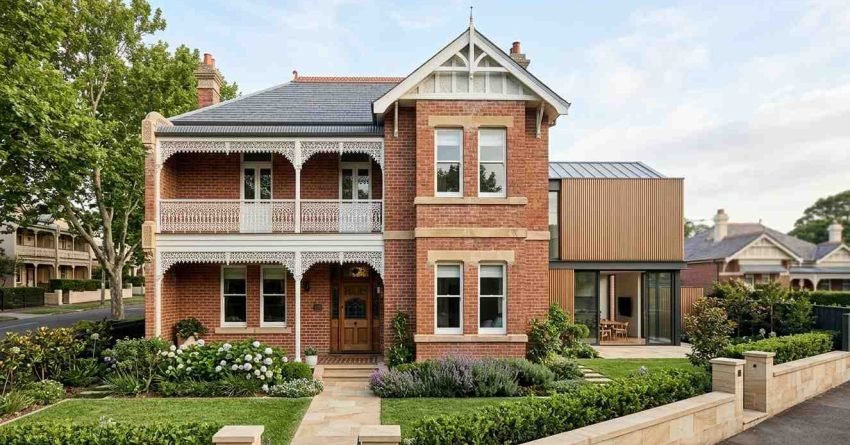
Renovating a heritage home in Sydney means working within a framework of rules that protect the property’s historical significance and understanding those rules upfront saves you time, money, and serious headaches down the track. Heritage-listed properties carry legal obligations that go well beyond a standard renovation, and the consequences of getting it wrong range from stop-work orders to mandatory reinstatement at your own cost.
Heritage compliance shapes every decision you make on site. Knowing what requires approval, what is restricted, and what you can do freely puts you in control of the project from day one.
In this guide, we cover the key rules, common restrictions, council processes, and practical tips that make heritage renovations in Sydney work.
What Makes a Property Heritage-Listed in NSW?
A heritage-listed property is one that has been formally recognised for its historical, aesthetic, scientific, social, or cultural significance. That recognition comes with legal protections under the NSW Heritage Act 1977, and it applies whether the listing sits at the state or local level.
Not every old home is heritage-listed. The listing must be formally recorded either on the State Heritage Register or within a local council’s heritage schedule before any legal obligations attach to the property.
State Heritage Register vs. Local Heritage Listings
The NSW State Heritage Register is managed by the NSW Heritage Council and captures items of state-wide significance. These properties carry the highest level of protection and require the most rigorous approval processes for any changes.
Local heritage listings sit within each council’s Local Environmental Plan (LEP). They cover properties significant at the local level Federation homes, interwar bungalows, Victorian terraces and are far more common across Sydney’s suburbs. Both listing types impose real obligations, but the approval pathway and the level of scrutiny differ.
How to Check If Your Sydney Property Is Heritage-Listed
The fastest way to check is through the NSW Heritage Office’s online register. You can also search your local council’s interactive mapping tool or request a Section 10.7 Planning Certificate, which discloses all heritage constraints on a property.
Do this check before you plan anything. Discovering a heritage listing mid-project is one of the most expensive surprises in residential renovation.
Heritage Renovation Rules You Must Follow in Sydney
The core rule is straightforward: any work that affects the heritage significance of a listed property requires consent before it starts. What counts as “affecting heritage significance” is broader than most homeowners expect.
Structural changes, alterations to the exterior, removal of original fabric, and changes to significant interior elements all fall within scope. The approval pathway depends on the nature and scale of the work.
Development Applications and Heritage Impact Statements
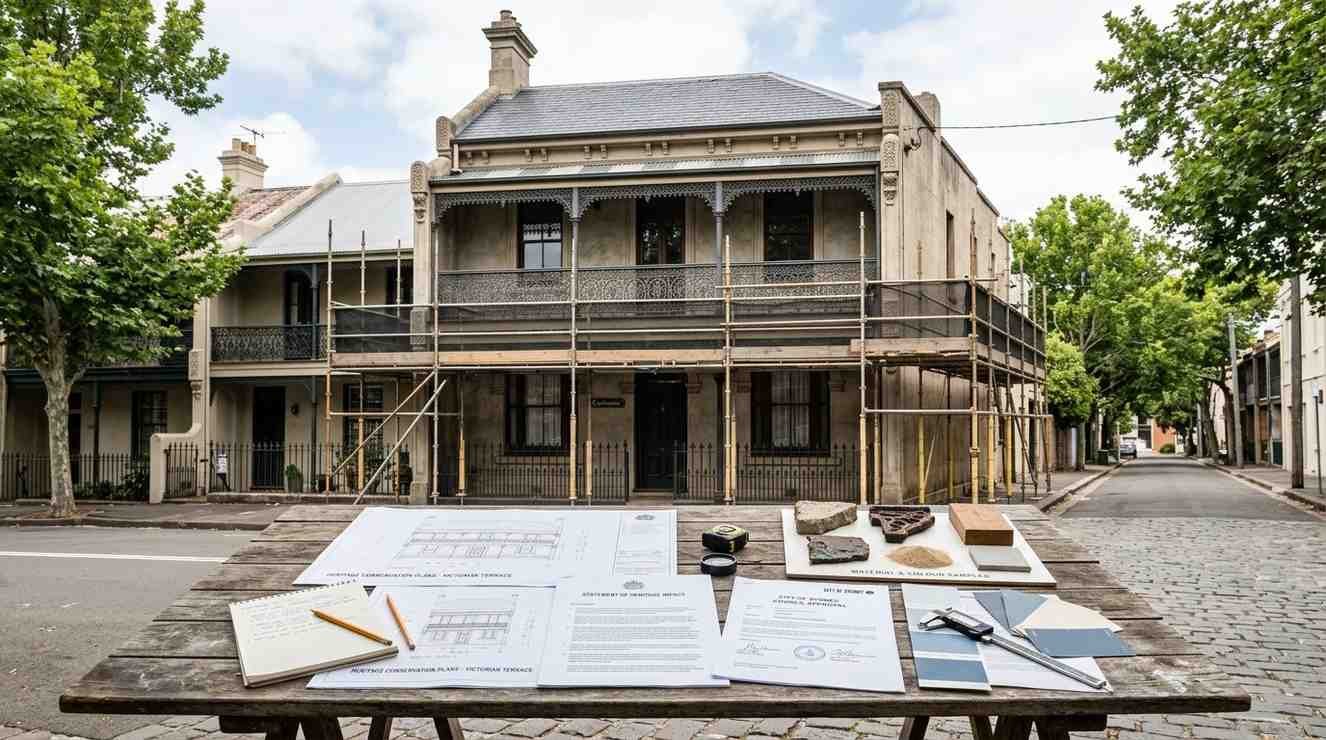
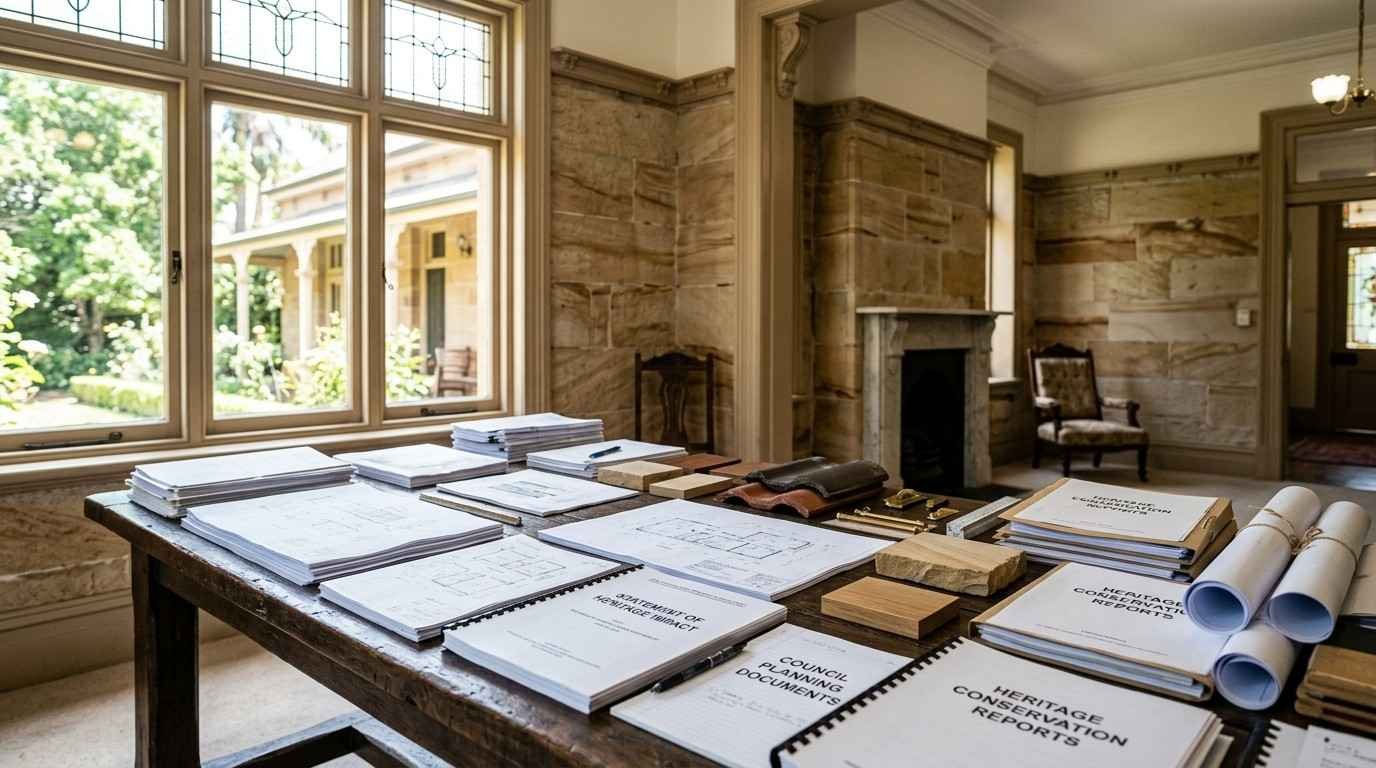
Most significant work on a heritage property requires a Development Application (DA) lodged with your local council. A DA for a heritage property must include a Statement of Heritage Impact a document prepared by a qualified heritage consultant that assesses how the proposed works affect the property’s heritage significance.
The NSW Heritage Office provides guidance on what a Statement of Heritage Impact must cover. Councils use this document to assess whether the proposed works are sympathetic to the heritage values of the property.
What Work Requires Council Approval
Roof replacement, window replacement, facade alterations, additions, demolition of any original fabric, and changes to significant interior elements all require council consent on a heritage-listed property. The threshold is lower than on a standard residential property.
Even work that looks minor replacing a front fence, repainting the exterior in a different colour scheme, or removing a period verandah can trigger the DA process. When in doubt, contact your council’s heritage officer before you start.
Exempt Development: What You Can Do Without Approval
Not everything requires a DA. Under the State Environmental Planning Policy (Exempt and Complying Development Codes) 2008, certain minor works qualify as exempt development and can proceed without council approval even on heritage properties.
Like-for-like repairs using matching materials, internal painting, and routine maintenance generally fall into this category. The key test is whether the work changes the character, appearance, or fabric of the heritage item. Work that does not change anything significant is typically exempt.
Common Restrictions on Heritage Properties
Heritage restrictions exist to preserve what makes the property significant. They are not arbitrary each restriction ties back to a specific heritage value identified in the listing. Understanding the logic behind the restrictions makes them easier to work with.
The most common restrictions relate to the exterior, the interior fabric, and the materials used throughout the renovation.
Exterior Alterations and Facade Requirements
The facade is almost always the most tightly controlled element of a heritage property. Original windows, doors, verandahs, rooflines, and decorative details are considered significant heritage fabric, and councils expect them to be retained, repaired, or replaced in kind.
New additions must be set back from the street so the original facade reads as the primary element. Contemporary additions are generally acceptable but they must be clearly distinguishable from the original without competing with it visually.
Interior Changes and Structural Modifications
Interior restrictions vary depending on the significance of the internal fabric. In a highly significant property, original joinery, fireplaces, cornices, skirtings, and floor layouts may all be protected. In a locally listed property, the interior restrictions are often less prescriptive.
Structural modifications that remove original walls or alter the floor plan of a significant interior require consent and a heritage impact assessment. The principle is adaptive reuse work with the existing layout wherever possible rather than against it.
Materials, Colours, and Period-Appropriate Finishes
Heritage properties require period-appropriate materials wherever original fabric is being repaired or replaced. Lime mortar instead of cement mortar on sandstone or brick. Timber windows instead of aluminium. Heritage paint palettes rather than contemporary colour schemes.
Using the wrong materials causes long-term damage to heritage fabric and creates compliance problems. Cement mortar on a sandstone wall, for example, traps moisture and accelerates deterioration councils will require its removal.
Working With Heritage Consultants and Councils
Navigating heritage approvals is genuinely complex, and the cost of getting it wrong is high. A heritage consultant is not an optional extra on a significant heritage project they are the person who makes the approval process work.
The right consultant knows what councils expect, how to frame a Statement of Heritage Impact, and how to present proposed works in a way that addresses heritage concerns directly.
When You Need a Heritage Consultant
You need a heritage consultant any time your proposed works require a Statement of Heritage Impact. That means any DA on a heritage-listed property where the works affect significant fabric, the exterior, or the structural layout.
For state-listed properties, a heritage consultant is essential from the earliest planning stage. For locally listed properties, the requirement depends on the scale of the works but engaging one early almost always shortens the approval timeline.
How to Navigate the Council Approval Process
Start with a pre-DA meeting. Most Sydney councils offer pre-DA consultation for heritage properties, and it is one of the most valuable steps you can take. The council’s heritage officer will tell you what they expect to see in the DA, flag any known sensitivities, and give you a realistic read on what is likely to be approved.
Lodge a complete DA with a thorough Statement of Heritage Impact, clear drawings, and material specifications. Incomplete applications are the single biggest cause of delays. A well-prepared DA on a heritage property typically takes 8–12 weeks to determine, though complex state-listed properties can take longer.
Practical Tips for Renovating a Heritage Home Successfully
Heritage renovations reward careful planning. The properties are extraordinary the process is demanding. Getting the fundamentals right at the start makes the difference between a project that runs smoothly and one that stalls at every turn.
These are the practical realities we work with on every heritage project.
Budgeting for Heritage Renovation Costs in Sydney
Heritage renovations cost more than standard renovations. Specialist trades, period-appropriate materials, heritage consultant fees, and longer approval timelines all add to the budget. A contingency of 20–25% is realistic on a heritage project not the standard 10–15% you might carry on a conventional build.
Material costs are higher because the specification is tighter. You cannot substitute a cheaper product when the heritage requirement calls for a specific material. Build that reality into your budget from day one.
Choosing the Right Contractor for Heritage Work
Not every licensed builder has experience with heritage properties. Heritage work requires an understanding of traditional construction methods, period materials, and the compliance obligations that come with listed properties.
Ask directly about heritage experience. Ask for examples of completed heritage projects. Ask whether they have worked with heritage consultants and navigated DA processes before. At Sydney Home Renovation, we bring that experience to every heritage project we take on and we coordinate the full process from planning through to completion.
Balancing Modern Functionality With Heritage Requirements
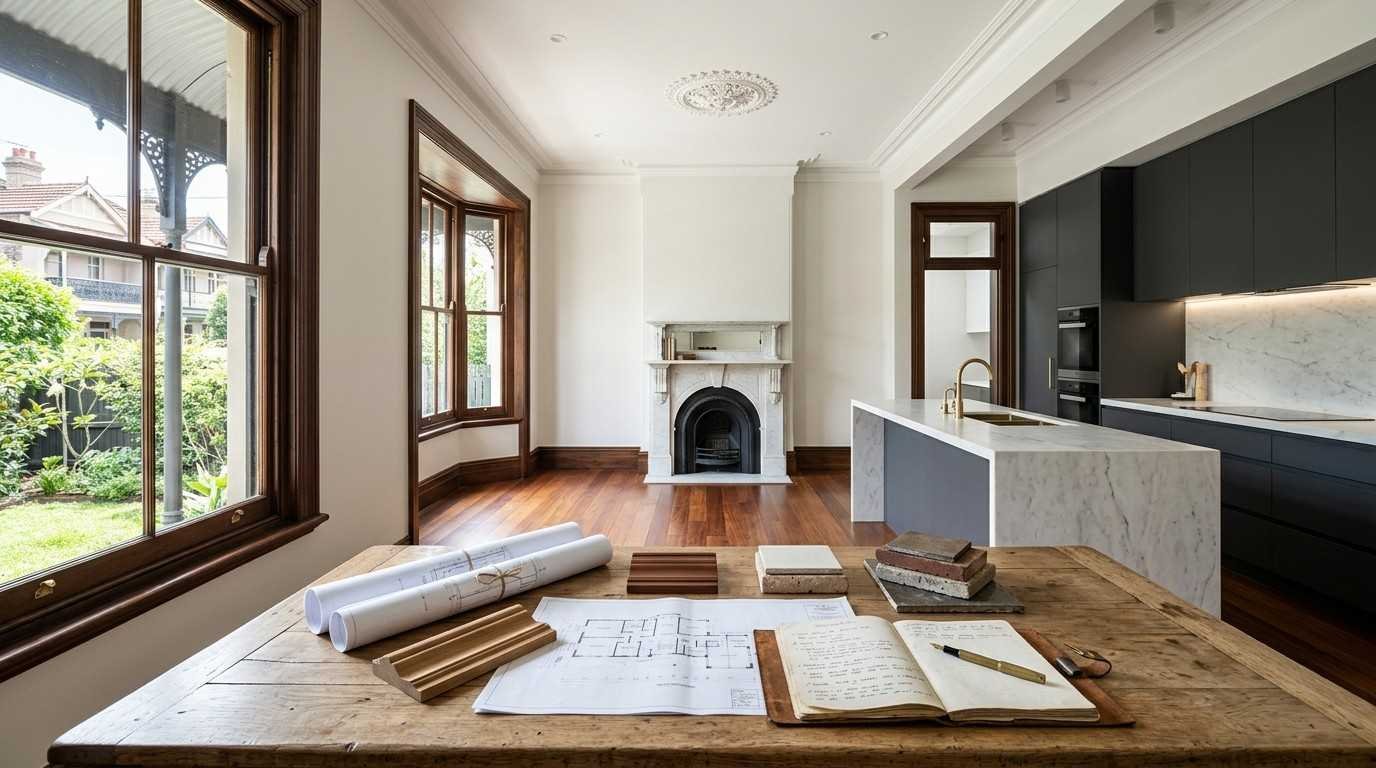
Modern functionality and heritage compliance are not mutually exclusive. The best heritage renovations integrate contemporary kitchens, bathrooms, and living spaces in a way that respects the original character of the home without mimicking it.
The principle is sympathetic design new work that is clearly contemporary but sits comfortably alongside the original fabric. Councils generally support this approach. What they resist is work that either damages original fabric or attempts to replicate it poorly.
Frequently Asked Questions
Can I renovate the interior of a heritage-listed home without approval?
It depends on what you are changing. Minor internal works like painting and floor refinishing are generally exempt. Structural changes, removal of significant joinery, or alterations to a significant interior layout require council consent and a heritage impact assessment.
How long does heritage DA approval take in Sydney?
Most heritage DAs in Sydney take 8–12 weeks from lodgement to determination. Complex works on state-listed properties or incomplete applications can extend that timeline significantly. A pre-DA meeting and a thorough application are the best ways to keep the process on track.
Do heritage restrictions apply to the whole property or just the building?
Heritage listings typically apply to the whole property, including the curtilage the land and setting around the building. Fences, outbuildings, gardens, and significant trees can all fall within the heritage protection. Check your listing documentation for the specific curtilage boundary.
What happens if I renovate a heritage property without approval?
Unapproved works on a heritage property can result in stop-work orders, fines, and mandatory reinstatement orders requiring you to restore the property to its original condition at your own cost. The NSW Heritage Act 1977 gives councils and the Heritage Council significant enforcement powers.
Can I add a modern extension to a heritage home?
Yes modern extensions on heritage homes are regularly approved in Sydney. The extension must be set back from the primary facade, clearly distinguishable from the original building, and designed to avoid damage to significant heritage fabric. A heritage consultant and an experienced architect make this process straightforward.
Is it worth buying a heritage-listed property in Sydney?
Heritage-listed properties in Sydney hold strong long-term value and offer character that is genuinely irreplaceable. The renovation process is more complex and more expensive than a standard property but the result, when done well, is a home that stands apart from anything built in the last 30 years.
Do I need a heritage consultant for every renovation on a listed property?
Not for every renovation. Minor exempt works do not require a consultant. Any works that require a DA and a Statement of Heritage Impact do. For significant projects, engaging a consultant early saves time and money they shape the design to meet heritage requirements before the DA is lodged, not after.
Heritage renovation in Sydney is genuinely rewarding work. The properties are significant, the craftsmanship required is high, and the results speak for themselves when the project is planned and executed properly.
The rules exist to protect something worth protecting. Working within them rather than around them produces better outcomes for the property, the neighbourhood, and the homeowner.
We work with heritage homeowners across Sydney every day. Contact Sydney Home Renovation to talk through your project and get the process started on the right foot.


