
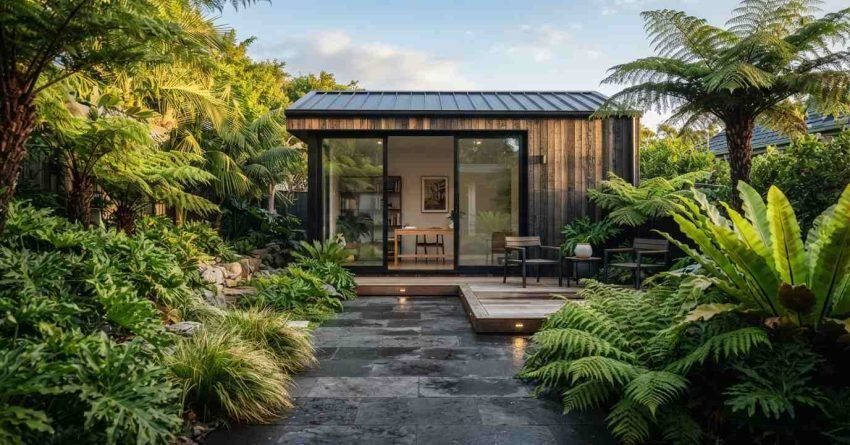
Granny flats are not the only way to add liveable space or rental income to a Sydney property. We work with homeowners and investors who have several practical alternatives, each with different build costs, planning pathways, and return potential. The right choice depends on your block size, zoning, budget, and long-term goals.
We find that understanding what each option involves helps you make a confident, well-informed decision before committing to any construction path.
What Are the Main Alternatives to a Granny Flat?
The main alternatives to a granny flat include dual occupancy dwellings, secondary suites within the existing home, detached studio conversions, and complying development structures. Each option offers a different balance of cost, approval complexity, and liveable outcome. We find the best fit depends on your block dimensions, council zoning, and whether you need a self-contained dwelling or a flexible-use space.
Secondary Dwellings vs. Dual Occupancy
A secondary dwelling is a self-contained unit on the same lot as the primary home, typically under 60 square metres in NSW under the State Environmental Planning Policy (SEPP). It shares the same title as the main property and is designed for occupation by a family member or tenant.
Dual occupancy is a different structure entirely. It involves two separate dwellings on one lot, either attached or detached, and can be subdivided in some zones depending on council rules. We see dual occupancy generally requiring a Development Application (DA) and carrying higher construction costs, but it offers stronger capital growth potential and greater flexibility for investors.
The key distinction is title and scale.
Secondary dwellings are simpler for us to approve and build, while dual occupancy is a more complex, higher-value proposition. Some councils apply additional overlays for dual occupancy subdivision, particularly in heritage conservation areas or on flood-prone lots, so we always check local environmental plans before recommending a pathway.
Studio Conversions and Detached Home Offices
Existing garages, sheds, and underutilised outbuildings can be converted into studio spaces, home offices, or semi-independent living areas. In Sydney, we consider this one of the most cost-effective alternatives because the structural shell already exists.
A basic garage conversion typically costs between $30,000 and $80,000, depending on the level of fit-out, plumbing requirements, and insulation needs, according to Housing Industry Association cost data. Adding a bathroom and kitchenette pushes costs higher but significantly increases rental appeal and functional value. We generally see these projects completed in 6 to 10 weeks, much faster than a new-build secondary dwelling.
Detached home offices built as new structures are another option we build often. They do not qualify as dwellings under planning rules, which simplifies approval, but they cannot be legally rented as independent residences without meeting habitable room standards.
We help clients choose between these options based on what already exists on the block and what outcome they need: flexible workspace, informal accommodation, or a compliant rental unit.
Granny Flat vs. These Alternatives: Which Should You Choose?
We’re often asked whether a standard granny flat still beats these alternatives, and the answer depends on land size and goals. A granny flat under SEPP delivers a straightforward, self-contained rental unit with a well-tested approval pathway.
Dual occupancy suits larger blocks where subdivision potential adds long-term capital value. Studio conversions suit tight budgets and existing structures. We recommend granny flats when speed and simplicity matter most, and alternatives when your block, budget, or investment horizon calls for something different.
Which Alternative Adds the Most Value in Sydney?
For property investors and owner-occupiers focused on long-term returns, we consistently see dual occupancy and complying secondary dwellings deliver the strongest value outcomes in Sydney’s market. They add rentable floor area, increase land use efficiency, and appeal to buyers who want income-generating properties.
Cost vs. Return Comparison by Option Type
| Option | Estimated Build Cost | Rental Income Potential | Approval Complexity | Typical Timeline |
| Secondary Dwelling (new build) | $120,000–$200,000+ | $350–$600/week | Low–Medium (SEPP) | 3–4 months |
| Dual Occupancy | $300,000–$600,000+ | $500–$900/week per unit | High (DA required) | 8–14 months |
| Garage/Studio Conversion | $30,000–$80,000 | Limited (non-compliant) | Low | 6–10 weeks |
| Detached Home Office | $40,000–$100,000 | Not applicable | Low | 4–8 weeks |
Studio conversions and home offices offer the lowest upfront cost but limited rental income potential unless upgraded to meet habitable room standards. We find secondary dwellings offer the most balanced outcome: manageable build cost, a clear approval pathway, and genuine rental yield.
For investors prioritising renovation return on investment, we typically recommend the secondary dwelling pathway under NSW SEPP, since it delivers the most predictable financial outcome relative to construction spend.
Financing Your Granny Flat Alternative
Most clients fund these projects through home equity loans, construction loans, or cash reserves. We recommend speaking with a mortgage broker early, since lenders assess secondary dwellings and dual occupancy projects differently based on projected rental income.
Investors should also factor in depreciation benefits. A compliant secondary dwelling or dual occupancy unit can often be depreciated as a separate asset, which we’ve seen materially improve after-tax returns for our investor clients.
Planning and Approval Considerations in NSW
Every granny flat alternative sits within a planning framework that determines what we can build, where, and how quickly. We find that understanding this framework early prevents costly redesigns and approval delays.
Under NSW SEPP (Housing) 2021, complying secondary dwellings on lots over 450 square metres can be approved as Complying Development, bypassing the full DA process. This significantly reduces approval time, often to 10 business days through a private certifier.
Dual occupancy and larger detached structures typically require a full DA through the local council. Approval timelines vary by council but commonly range from 40 to 120 days. Zoning restrictions, heritage overlays, and flood or bushfire constraints can further limit what’s permissible.
Lot size thresholds, setback requirements, height limits, and car parking obligations all directly affect which alternative is viable on your specific property. We also see individual councils apply stricter overlays in coastal and bushland zones, which can rule out detached structures entirely in some cases.
We always engage with council planning teams early in a project, before spending on design or engineering, so our clients know which pathway is realistic for their site.
Conclusion
Granny flat alternatives range from simple studio conversions to full dual occupancy developments, each suited to different budgets, blocks, and planning conditions.
For Sydney homeowners and investors, the right alternative balances build cost, approval complexity, and long-term rental or capital value a calculation worth getting right before construction begins.
We help you assess your options, navigate NSW planning requirements, and build with confidence. Contact us at Sydney Home Renovation to start planning your project.
Frequently Asked Questions
Can I build a secondary dwelling without council approval in NSW?
Yes, if your lot meets the minimum size requirements under NSW SEPP (Housing) 2021, we can get a secondary dwelling approved as Complying Development through a private certifier.
What is the cheapest granny flat alternative in Sydney?
A garage or outbuilding conversion is typically the most affordable option, with costs starting around $30,000, though it may not qualify as a legal rental dwelling without upgrades.
Is dual occupancy better than a granny flat for investment?
Dual occupancy generally offers stronger capital growth and higher rental income potential, but it carries significantly higher build costs and approval complexity than a standard secondary dwelling.
How much does a secondary dwelling cost to build in Sydney?
We typically build new secondary dwellings in Sydney for between $120,000 and $200,000 or more, depending on size, site conditions, materials, and fit-out level.
Do granny flat alternatives affect property value?
Yes. We find compliant secondary dwellings and dual occupancy structures typically increase property value by adding rentable floor area and improving land use efficiency.
How do I finance a granny flat alternative?
Most of our clients use home equity, construction loans, or cash savings. We recommend speaking with a broker early since lenders treat these builds differently.
How long does it take to build a granny flat alternative in Sydney?
Timelines range from 6 weeks for a studio conversion to over a year for dual occupancy, depending on the approval pathway and construction scope.


