There are four types of remodeling every Sydney homeowner should understand before starting a project: interior, exterior, structural, and emergency repair-based remodeling. Each type carries different costs, timelines, trade requirements, and return on investment.
Choosing the wrong category for your situation leads to budget blowouts and missed opportunities. We break down what separates these four types and why getting the classification right shapes every decision that follows.
This guide covers all four remodeling types, explains how each affects your budget in Sydney, and helps you match the right approach to your property goals.
The Four Types of Remodeling Explained
Remodeling means changing the structure, layout, or finish of an existing space to improve its function, appearance, or value. The four types differ in scope, trade involvement, regulatory requirements, and cost.
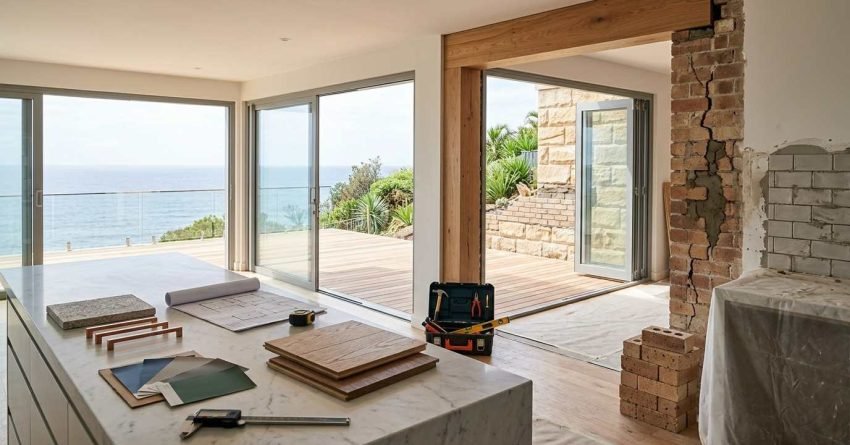
Most renovation projects in Sydney fall clearly into one of these categories, though some span two or more.
1. Interior Remodeling
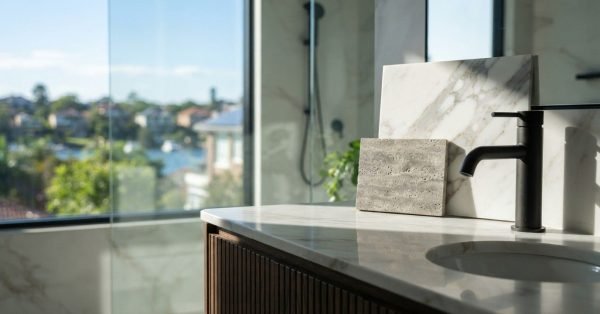
Interior remodeling covers work done inside the home that changes the look, layout, or function of internal spaces without altering the building’s structural framework. This includes bathroom renovations, kitchen upgrades, flooring replacement, painting, cabinetry installation, lighting upgrades, and laundry refits.
We see interior remodeling as the most common type undertaken by Sydney homeowners and property investors. It typically requires tiling, plumbing, electrical, and carpentry trades, but doesn’t usually need structural engineering sign-off unless walls are being removed. It’s the category most directly linked to lifestyle improvement and rental yield increases.
2. Exterior Remodeling
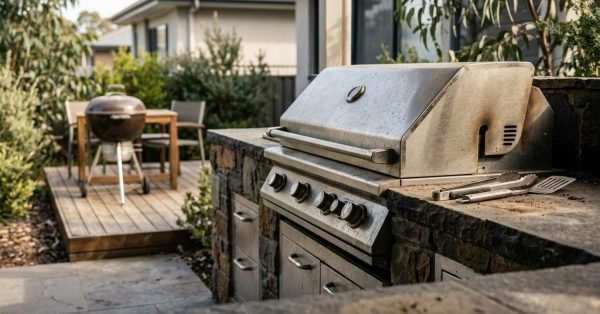
Exterior remodeling involves changes to the outside of the home, including roofing, cladding, rendering, painting, window replacement, deck construction, fencing, landscaping, and garage upgrades. The goal is usually to improve street appeal, weatherproofing, or outdoor functionality.
In Sydney’s competitive property market, exterior remodeling plays a real role in first impressions and resale value. Projects in this category often require council approval depending on scale, particularly for decks, carports, and significant facade changes. Costs vary widely based on materials and the size of the home’s footprint.
3. Structural Remodeling
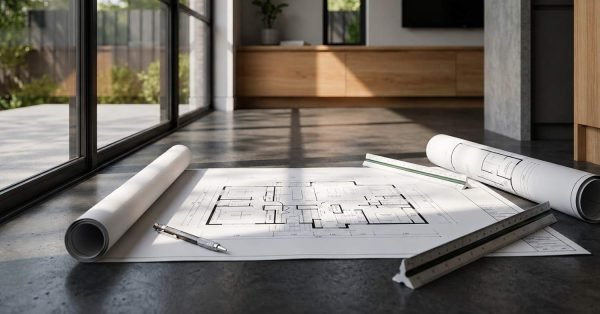
Structural remodeling involves changes to the load-bearing elements of a home: walls, foundations, beams, columns, and floor systems. This includes removing or adding walls, underpinning foundations, adding a second storey, or reconfiguring the floor plan in ways that affect structural integrity.
This is the most complex and regulated type of remodeling we manage. In NSW, structural work requires a licensed builder, engineering certification, and development approval or a complying development certificate in most cases, as outlined by the NSW Planning Portal. Structural remodeling is typically the most expensive category and carries the highest risk of cost overruns without detailed documentation and professional oversight.
4. Emergency or Repair-Based Remodeling
Emergency remodeling addresses urgent defects or damage that compromise the safety, habitability, or weatherproofing of a property. This includes burst pipe repairs, storm roof damage, mould remediation, electrical fault rectification, subsidence repair, and fire or flood restoration.
Unlike planned remodeling, emergency work is reactive and time-sensitive. Costs are harder to predict because the full extent of damage often isn’t visible until work begins. In Sydney, emergency remodeling frequently uncovers secondary issues, particularly in older homes in suburbs like Leichhardt, Newtown, and Balmain, that escalate the scope and cost of the original repair.
Remodeling Cost Comparison at a Glance
| Remodeling Type | Typical Sydney Cost Range | Key Cost Driver |
| Interior (bathroom) | $15,000–$20,000 | Fixtures, plumbing condition |
| Interior (kitchen) | $25,000–$60,000 | Cabinetry, benchtops, appliances |
| Exterior (roof replacement) | $12,000–$30,000 | Roofing material |
| Exterior (deck) | $10,000–$25,000 | Size, footings, materials |
| Structural (wall removal) | $5,000–$15,000 per opening | Span, load requirements |
| Structural (second storey) | $150,000–$350,000+ | Size, site conditions |
| Emergency (water damage) | $5,000–$30,000 | Extent of damage |
How Each Type of Remodeling Affects Your Budget
The type of remodeling you undertake is one of the strongest predictors of total project cost. Each category has a different cost structure, driven by trade complexity, material requirements, regulatory compliance, and the risk of uncovering hidden issues during construction.
Interior Remodeling Costs in Sydney
Interior remodeling in Sydney ranges broadly depending on room and scope. A basic bathroom renovation typically starts around $15,000 to $20,000 for a standard-sized bathroom with mid-range fixtures. A full kitchen remodel with new cabinetry, benchtops, and appliances generally falls between $25,000 and $60,000, according to cost guidance from the Housing Industry Association.
Labour accounts for a significant portion of interior remodeling costs in Sydney, where licensed tradespeople charge competitive market rates. Material allowances, fixture selections, and the condition of existing plumbing and electrical infrastructure all influence the final figure. We recommend a contingency budget of 10 to 15 percent for any interior remodeling project.
Exterior Remodeling Costs in Sydney
Exterior remodeling costs depend heavily on the size of the home and the materials selected. Roof replacement on a standard three-bedroom home can range from $12,000 to $30,000 depending on roofing material. Deck construction typically costs between $10,000 and $25,000 for a mid-sized timber or composite deck with appropriate footings and balustrades.
Rendering and external painting are among the more cost-effective exterior upgrades, with full renders on a single-storey home generally ranging from $8,000 to $18,000. Council approval costs and engineering reports for larger exterior structures add to the total budget and should be factored in during planning.
Structural Remodeling Costs in Sydney
Structural remodeling carries the highest cost per square metre of any remodeling category. Wall removal with structural beam installation typically costs between $5,000 and $15,000 per opening depending on span and load requirements. Second-storey additions range from $150,000 to $350,000 or more depending on size, materials, and site conditions.
The cost is also shaped by the age and condition of the existing building. Homes built before 1980 in Sydney frequently contain asbestos in wall sheeting, eaves, and floor underlays, which requires licensed removal under SafeWork NSW guidelines, adding $3,000 to $15,000 or more depending on the extent.
Emergency Remodeling Costs in Sydney
Emergency remodeling costs are hardest to predict because they depend on the type of damage, how long it’s been present, and what secondary issues surface during repair. A burst pipe with water damage to flooring and cabinetry can cost anywhere from $5,000 to $30,000 depending on the extent of the damage.
Mould remediation in Sydney bathrooms and wet areas is a common trigger, particularly in older apartments and terrace homes. Costs range from $2,000 for surface-level treatment to $20,000 or more when mould has penetrated wall cavities and subfloor structures. Insurance coverage, where applicable, can offset costs but rarely covers the full scope of associated repair work.
Which Type of Remodeling Adds the Most Value to Your Home?
Not all remodeling delivers equal return. In Sydney’s property market, the value added depends on the type of work, the quality of execution, the suburb, and the gap between the property’s current condition and buyer or tenant expectations.
Bathroom Renovations and Return on Investment
Bathroom renovations consistently rank among the highest-returning interior remodeling investments in the Sydney property market. A well-executed bathroom renovation in a mid-range Sydney suburb can add value well above the cost of the work, particularly when the existing bathroom is dated or showing signs of water damage.
For investment properties, a modernised bathroom directly supports higher rental yields and reduces vacancy periods. We see this consistently across the inner west, northern suburbs, and south-western corridors, where tenants prioritise functional, clean, well-finished bathrooms above almost every other feature.
Kitchen Remodeling Value in the Sydney Property Market
Kitchen remodeling is the other high-return interior renovation category. Buyers consistently rate the kitchen as one of the most important rooms in a home, and a dated or poorly laid-out kitchen can suppress a property’s sale price even when the rest of the home presents well.
The return depends heavily on specification alignment with the suburb. A $60,000 kitchen renovation in a $600,000 Western Sydney property delivers a different return profile than the same spend in a $2 million Lower North Shore home. Matching finish quality to the local price bracket is key to maximising ROI.
Structural vs. Cosmetic: Where to Prioritise Your Budget
When budget is limited, we always weigh structural against cosmetic remodeling carefully. Structural issues, including rising damp, foundation movement, and failing roof structures, continue to worsen and increase in cost when deferred. Cosmetic issues, while visible, rarely escalate the same way.
Our general principle is to address structural integrity first, then allocate remaining budget to high-return cosmetic upgrades like bathrooms and kitchens. Spending on cosmetic improvements while structural problems remain unresolved is a costly mistake, and one that can create disclosure obligations at the point of sale.

How to Choose the Right Type of Remodeling for Your Property
Choosing the right remodeling type requires an honest assessment of your property’s current condition, your financial goals, and your timeline. The wrong choice leads to wasted spending, deferred problems, and projects that fail to deliver.
Assessing Your Home’s Current Condition
Before committing to any remodeling type, we recommend a thorough inspection that looks beyond surface finishes to assess plumbing, electrical systems, roofing, subfloor, and load-bearing elements. In Sydney’s older housing stock, particularly pre-war homes in suburbs like Marrickville, Glebe, and Rozelle, cosmetic issues frequently mask structural or services-related problems that need addressing first.
A pre-renovation building inspection by a licensed inspector costs between $400 and $800 in Sydney and can prevent tens of thousands of dollars in unexpected costs. We treat this as a non-negotiable step for any renovation project exceeding $20,000.
Matching Remodeling Type to Your Financial Goals
Your financial goal determines which remodeling type delivers the best return. To increase rental income, interior remodeling, specifically bathrooms and kitchens, delivers the most direct and measurable impact. To prepare a property for sale, a combination of exterior remodeling for street appeal and interior remodeling for presentation typically yields the strongest result.
To increase usable floor area, structural remodeling through extensions, second-storey additions, or floor plan reconfiguration is the right category. It carries higher upfront costs but can deliver substantial value increases in the right location and price bracket.
Owner-Occupier vs. Investment Property Considerations
Owner-occupiers and property investors approach remodeling decisions differently. Owner-occupiers typically prioritise liveability, personal preference, and long-term comfort, making interior remodeling the dominant category for this group.
Property investors prioritise return on investment, tenant appeal, and durability. For investors, we find the most effective decisions are those that reduce maintenance costs, attract quality tenants, and support capital growth, often meaning structural integrity and functional upgrades take priority over high-specification finishes.
Common Mistakes Homeowners Make When Choosing a Remodeling Type
Understanding the four types of remodeling only helps if you apply that knowledge correctly. We see Sydney homeowners and first-time renovators make predictable mistakes when categorising their project, mistakes that lead to budget overruns and disappointing outcomes.
Underestimating Structural Work Hidden Behind Cosmetic Issues
The most costly mistake in residential remodeling is treating a structural problem as a cosmetic one. Cracked tiles in a bathroom may indicate subfloor movement. Peeling paint on an external wall may signal rising damp or failing waterproofing, and sticking doors and windows often indicate foundation movement.
When homeowners proceed with cosmetic remodeling over unresolved structural issues, the cosmetic work fails prematurely while the structural problem worsens underneath. The result is paying twice: once for the cosmetic work that fails, and again for the structural repair that should have come first.
Skipping the Planning Phase for Emergency Repairs
Emergency remodeling creates pressure to act quickly, and that pressure often leads to poor decisions. Homeowners who engage the first available tradesperson without scoping the full extent of the damage frequently find the initial repair uncovers additional issues that weren’t priced or planned for.
We recommend a brief scoping process, even in an emergency, that identifies the likely extent of damage, the trades required, and the potential for hidden secondary issues. This produces a more accurate budget and a better outcome than reacting under pressure.
Misaligning Remodeling Type with Property Goals
Investing heavily in exterior remodeling on a property with a failing bathroom and outdated kitchen is a common misalignment. Street appeal matters, but buyers and tenants make decisions based on the full property, and a beautiful facade with a poor interior creates a disconnect that suppresses value.
Undertaking structural remodeling to add floor area in a suburb where the market doesn’t support the resulting property value is similarly damaging. Matching remodeling type and scale to the realistic value ceiling of the property and suburb is one of the most important disciplines in residential renovation.
How Sydney Home Renovation Manages All Four Types of Remodeling
We work with homeowners, first-time renovators, and property investors across all four remodeling categories, from straightforward bathroom and kitchen upgrades to complex structural projects and emergency repair coordination.
End-to-End Project Coordination
Managing a remodeling project in Sydney requires coordinating licensed trades, council approvals, engineering certifications, material procurement, and site supervision, often simultaneously. Our end-to-end coordination model means you have a single point of contact managing every element, regardless of which remodeling type your project falls into.
This approach eliminates the coordination gaps that cause delays and cost overruns when homeowners manage multiple trades independently. We scope, schedule, and supervise every project from the first site visit through to practical completion.
Transparent Cost Planning for Every Remodeling Category
One of the most common sources of renovation stress is receiving a quote that bears little resemblance to the final invoice. Our cost planning process is built around transparency, providing itemised estimates that separate labour, materials, fixtures, and contingency allowances.
For interior remodeling projects like bathroom renovations, we provide fixed-price contracts with a clearly defined scope. For structural and emergency remodeling where hidden conditions can affect cost, we provide provisional sum allowances with clear explanations of what would trigger additional spend.
Why Homeowners and Investors Trust Our Process
Trust in a renovation contractor is built through consistent delivery: projects completed on time, on budget, and to the agreed quality standard. Our clients across Sydney’s inner west, northern suburbs, eastern suburbs, and south-western corridors return to us for repeat projects because our process is predictable and our communication is clear.
Whether we’re renovating a bathroom in a Surry Hills terrace, updating a kitchen in a Parramatta investment property, or managing a structural repair in a Mosman family home, we bring the same care and accountability to every project.
Conclusion
The four types of remodeling- interior, exterior, structural, and emergency,-each carry distinct costs, trade requirements, and return profiles. Understanding which category your project falls into is the foundation of accurate budgeting and renovation decisions that deliver lasting value.
Matching the right remodeling type to your property’s condition and financial goals prevents the costly mistakes that derail renovation projects in Sydney. Whether you’re prioritising a bathroom upgrade for rental yield or addressing structural issues before they escalate, the decision starts with an honest assessment of what your property actually needs.
We help Sydney homeowners make that assessment with confidence every day. Contact our team at Sydney Home Renovation today to discuss your project, get a transparent cost estimate, and start your renovation with a clear plan built around your goals and your budget.
Frequently Asked Questions
What is the most common type of remodeling for Sydney homeowners?
Interior remodeling is the most common type undertaken by Sydney homeowners. Bathroom renovations and kitchen upgrades are the two most frequently completed projects, driven by strong ROI and direct impact on liveability and rental appeal.
What is the difference between structural and interior remodeling?
Structural remodeling involves changes to load-bearing elements such as walls, foundations, and beams, requiring engineering certification and council approval in NSW. Interior remodeling changes finishes, fixtures, and layout without affecting the structural framework.
Which type of remodeling requires a building permit in NSW?
Structural remodeling almost always requires a development application or complying development certificate. Some exterior work, including decks above a certain height and significant facade changes, also requires council approval. Interior remodeling generally doesn’t unless load-bearing walls are involved.
How long does each type of remodeling typically take?
Interior remodeling, like bathroom renovations, typically takes two to four weeks; kitchens, three to six weeks. Exterior work varies from one week for painting to ten weeks for decks. Structural remodeling, including extensions, typically takes four to twelve months.
Can I combine multiple types of remodeling in one project?
Yes, and many Sydney renovation projects span two or more types. A bathroom renovation needing subfloor repair combines interior and structural remodeling. Combining types requires careful sequencing, with structural work completed before interior finishes.
What type of remodeling is best for increasing rental yield in Sydney?
Interior remodeling, specifically bathroom and kitchen renovations, delivers the most direct and measurable increase in rental yield. Modernised wet areas and functional kitchens are what tenants prioritise most, supporting higher weekly rents and lower vacancy.
How do I budget for different types of remodeling in Sydney?
Identify which remodeling type your project falls into, then research typical cost ranges for that category in your suburb. Get two to three detailed quotes, and include a 10 to 15 percent contingency for interior projects and 15 to 20 percent for structural and emergency work.