
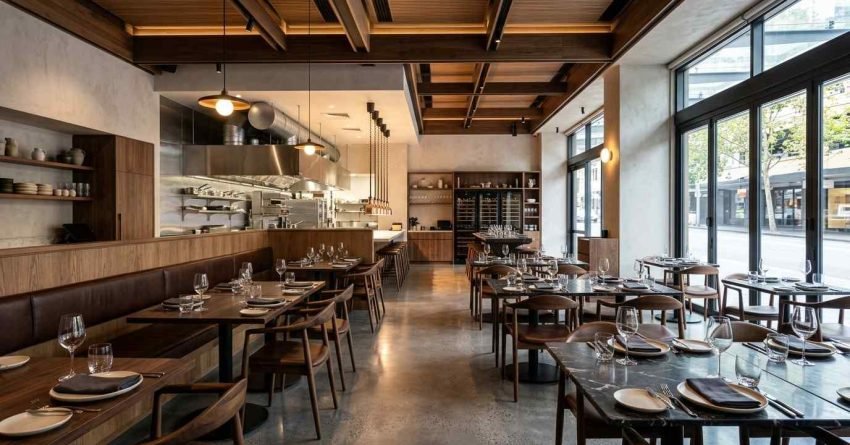
Restaurant renovation costs in Sydney typically range from $80,000 for a basic cosmetic refresh to $500,000 or more for a full commercial fit-out, depending on venue size, scope, and finish quality. Getting the budget wrong at the planning stage is one of the most common reasons restaurant renovations stall, overspend, or deliver results that fall short of expectations.
This guide breaks down every major cost category from kitchen fit-out and labour rates to materials, hidden expenses, and contingency planning so you can build a realistic budget before a single quote arrives.
Restaurant Renovation Cost at a Glance
| Renovation Type | Venue Size | Typical Cost Range |
| Cosmetic refresh (paint, flooring, lighting) | Any | $30,000 – $80,000 |
| Front-of-house fit-out only | 80–150 sqm | $80,000 – $180,000 |
| Full fit-out (FOH + BOH, no structural) | 100–200 sqm | $180,000 – $350,000 |
| Full fit-out with kitchen rebuild | 100–200 sqm | $250,000 – $450,000 |
| Full structural renovation + premium finish | 200+ sqm | $400,000 – $600,000+ |
These are working benchmarks. Every project is shaped by its specific site conditions, compliance requirements, and finish specification, which is exactly what the sections below unpack.
What Drives Restaurant Renovation Costs in Sydney?
Restaurant renovation costs are shaped by a combination of factors that interact in ways that are not always obvious at the outset. The size of the venue sets the baseline, but the type of renovation, the condition of the existing fit-out, and the standard of finish required all push costs up or down significantly.
In Sydney, the commercial construction market adds its own layer of complexity. Trade availability, council requirements, and the cost of commercial-grade materials all sit higher than equivalent residential projects. A renovation that looks straightforward on a floor plan can quickly become a multi-trade, multi-week project once the full scope is understood.
Size and Scope of the Renovation
The total floor area of the venue is the single most reliable predictor of overall cost. As a general benchmark, full commercial fit-outs in Sydney typically cost between $1,500 and $3,500 per square metre, depending on finish level and trade complexity. A 100 sqm venue at mid-range specification sits in a very different budget bracket than a 250 sqm venue with a full kitchen rebuild and custom joinery.
Scope matters as much as size. A cosmetic refresh new paint, flooring, and lighting costs a fraction of a structural renovation that involves moving walls, upgrading electrical capacity, or reconfiguring the kitchen layout.
Cosmetic Refresh vs. Full Structural Renovation
A cosmetic refresh addresses surfaces only: flooring, paint, lighting, and furniture. These projects are faster, cheaper, and carry minimal compliance risk. A full structural renovation involves moving or removing walls, upgrading infrastructure, and often triggering council approval requirements, all of which add cost, time, and complexity.
Understanding which category your project falls into is the first decision that shapes your entire budget. We always recommend clarifying this with your contractor before any figures are discussed.
Type of Restaurant and Fit-Out Requirements
A fast-casual venue has fundamentally different fit-out requirements than a fine dining restaurant or a licensed bar. The cost differences by venue type are significant:
- Fast casual / café: $1,500–$2,200 per sqm: simpler kitchen, lower acoustic requirements, standard finishes
- Casual dining: $2,000–$2,800 per sqm: full kitchen, mid-range finishes, some acoustic treatment
- Fine dining: $2,800–$4,000+ per sqm: premium joinery, custom lighting, high-spec kitchen, acoustic panels
- Licensed bar/venue: $2,500–$3,800 per sqm: bar fit-out, refrigeration, acoustic compliance, extended electrical
Venues requiring a new or upgraded commercial kitchen, bar fit-out, or cool room installation face significantly higher costs than those undertaking front-of-house improvements only.

Restaurant Renovation Cost Breakdown by Area
Breaking the renovation into distinct areas makes it easier to allocate budget, prioritise spending, and identify where costs can be managed without compromising the result.
Kitchen Renovation Costs
The commercial kitchen is consistently the most expensive area of any restaurant renovation. In Sydney, a full commercial kitchen renovation typically costs between $80,000 and $250,000, depending on the size of the kitchen, the equipment specified, and the extent of structural or work required.
Key cost drivers in the kitchen include commercial cooking equipment, ventilation and exhaust systems, gas and electrical upgrades, stainless steel benching and storage, and compliance with food safety and building codes. Any work involving gas or electrical requires licensed trades and council-compliant documentation.
Ventilation, Grease Traps, and Costs
Ventilation and exhaust systems are among the most underestimated cost items in a kitchen renovation. A commercial canopy exhaust system with make-up air and a grease filter typically costs between $15,000 and $45,000, depending on the size of the cooking line and the complexity of the duct run to the external discharge point.
Grease trap installation or upgrade is a separate cost that many operators do not anticipate. A new grease trap installation in Sydney typically costs between $8,000 and $20,000, depending on the size of the trap, the depth of the drainage connection, and whether excavation is required. Council requirements for grease trap sizing vary by local government area and by the volume of food prepared.
Cool room installation adds a further $12,000 to $35,000 depending on size and refrigeration specification.
Dining Area and Front-of-House Costs
The dining area typically accounts for 30 to 50 per cent of the total renovation budget in a full fit-out. Costs in this area are driven by flooring, ceiling treatments, lighting design, custom joinery, acoustic panels, and furniture.
In Sydney, mid-range dining area fit-outs generally cost between $400 and $900 per square metre. High-end finishes with custom joinery, feature lighting, and premium flooring push this figure significantly higher.
Front-of-house renovations offer more flexibility than kitchen work because fewer compliance requirements apply, and the range of material and finish options is broader.
Bathrooms, Entry, and Utility Areas
Bathrooms in commercial venues must meet accessibility and building code requirements, which adds cost compared to a standard residential bathroom renovation. A compliant commercial bathroom renovation in Sydney typically costs between $15,000 and $40,000 per bathroom, depending on size and finish.
Entry areas, service corridors, and utility spaces are often underbudgeted. These areas contribute directly to the customer experience and operational efficiency of the venue; skimping on them can undermine the impact of a well-executed dining area renovation.
Labour Costs for Restaurant Renovation in Sydney
Labour is one of the largest line items in any commercial renovation budget and one of the most variable. In Sydney, trade labour rates for commercial renovation work are consistently higher than residential equivalents, reflecting the complexity of the work, the compliance requirements, and the demand for experienced commercial tradespeople.
As a general guide, expect to allocate between 35 and 50 per cent of the total renovation budget to labour across all trades.
Trade Breakdown and Typical Rates
The primary trades involved in a restaurant renovation include builders and project managers, electricians, plumbers and gas fitters, tilers, plasterers, painters, and specialist fit-out contractors for joinery and commercial kitchen installation.
| Trade | Typical Rate (Sydney, Commercial) |
| Licensed electrician | $120–$180/hr |
| Plumber/gas fitter | $120–$175/hr |
| Tiler (commercial) | $80–$130/hr |
| Plasterer | $70–$110/hr |
| Painter (commercial) | $65–$100/hr |
| Builder/site manager | $600–$1,200/day |
| Project manager | $800–$1,500/day |
| Commercial kitchen installer | $100–$160/hr |
Project management and coordination costs should be factored in from the start. On a complex multi-trade renovation, a dedicated project manager saves significantly more than their fee by preventing delays, managing subcontractors, and keeping the project on schedule.

Materials and Fit-Out Allowances
Material costs in a commercial renovation are driven by specification, durability requirements, and the volume of materials needed. Commercial-grade materials are specified for a reason: they are designed to withstand the demands of a high-traffic hospitality environment and typically carry longer warranties and lower maintenance costs over time.
Commercial-Grade vs. Standard Finishes
The most significant material cost decisions in a restaurant renovation involve flooring, wall cladding, benchtops, and joinery. Here is how the main flooring options compare:
| Flooring Type | Cost per sqm (Supply + Install) | Best For |
| Commercial vinyl (LVT) | $60–$120 | High-traffic dining, kitchens |
| Polished concrete | $80–$150 | Industrial/casual venues |
| Porcelain tile (commercial grade) | $90–$180 | Kitchens, bathrooms, entries |
| Engineered timber | $120–$200 | Dining areas, mid-to-high spec |
| Epoxy resin (kitchen) | $70–$130 | Commercial kitchens, wet areas |
Commercial-grade benchtops and splashbacks are specified to meet hygiene and durability standards that residential materials cannot reliably meet. A practical approach is to apply commercial-grade specifications to all surfaces subject to heavy use, heat, moisture, or regular cleaning and to use mid-range finishes in lower-traffic areas where durability requirements are less demanding.
Hidden Costs and Budget Blowouts to Watch For
The gap between an initial quote and the final invoice on a restaurant renovation is rarely the result of contractor dishonesty. It is almost always the result of scope items that were not identified at the quoting stage, structural issues uncovered during demolition, upgrades required by council, or compliance work triggered by the change of use or fit-out category.
Here are the most common hidden costs we encounter on Sydney restaurant renovations, with realistic cost estimates:
| Hidden Cost Item | Typical Cost Range |
| Asbestos removal (older buildings) | $3,000–$25,000+ depending on extent |
| Electrical switchboard upgrade | $5,000–$18,000 |
| Grease trap installation/upgrade | $8,000–$20,000 |
| Acoustic treatment (council-required) | $10,000–$40,000 |
| Heritage compliance work | $15,000–$60,000+ |
| Structural engineer fees | $3,000–$10,000 |
| DA / CDC application and certification | $5,000–$20,000 |
Engaging a contractor who conducts a thorough pre-construction assessment before quoting is the most reliable way to surface these costs before they become surprises.
How Long Does a Restaurant Renovation Take and What It Costs
Timeline and cost are directly linked in commercial renovation. Longer projects mean more trade days, more project management time, and if the venue is closed during works, more lost revenue to account for in the business case.
As a general guide:
| Renovation Scope | Typical Duration | Key Cost Implication |
| Cosmetic refresh | 2–4 weeks | Minimal; low trade overlap |
| Front-of-house fit-out | 4–6 weeks | Moderate; joinery lead times critical |
| Full fit-out (no structural) | 6–10 weeks | Higher; multi-trade coordination required |
| Full fit-out with kitchen rebuild | 8–12 weeks | Significant; compliance approvals add time |
| Structural renovation | 10–16 weeks | Highest; DA approval can add 4–8 weeks |
Delays are the single biggest driver of cost overruns beyond the original scope. Equipment lead times, council approval timelines, and subcontractor availability all affect the programme, and every week of delay has a cost.
How to Budget for a Restaurant Renovation
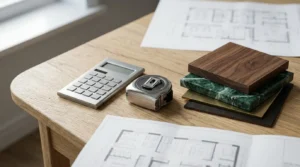
A realistic restaurant renovation budget starts with a clear scope of works, not a number. Working backwards from a fixed budget without understanding what the project actually requires is one of the most common causes of cost overruns and compromised outcomes.
The most effective approach is to develop a detailed scope with your contractor before any budget is set, obtain itemised quotes from licensed trades, and build the contingency allowance into the budget from the start, not as an afterthought.
Council Approvals and Compliance Costs
Most significant restaurant renovations in Sydney require either a Development Application (DA) or a Complying Development Certificate (CDC). The type of approval required depends on the nature of the work, the zoning of the property, and whether the renovation involves a change of use.
DA preparation and lodgement typically costs between $5,000 and $15,000 in professional fees, with council fees on top. Approval timeframes for DAs in Sydney range from 6 to 20 weeks depending on the council and the complexity of the application. Building certification for a CDC is generally faster, typically 2 to 4 weeks, but not all projects qualify.
We always advise clients to confirm approval requirements before finalising their budget. Discovering a DA is required after work has begun is an expensive and avoidable problem.
How to Get and Compare Renovation Quotes
Obtaining three or more itemised quotes from licensed commercial renovation contractors is the baseline. An itemised quote breaks the project into trade-by-trade line items not a single lump sum, so you can compare like for like and identify where quotes diverge.
Watch for quotes that exclude provisional sums for unknown site conditions, or that do not include project management fees. These are the most common sources of quote-to-invoice blowouts. A quote that looks lower because it excludes these items is not a better quote; it is an incomplete one.
What to Look for in a Commercial Renovation Contractor
Experience in commercial hospitality fit-outs is non-negotiable. Residential renovation contractors do not carry the same understanding of commercial kitchen compliance, food safety requirements, or the coordination demands of a multi-trade hospitality project.
Ask for references from completed restaurant or hospitality projects, confirm that all trades are licensed and insured for commercial work, and verify that the contractor has experience managing council approvals in your local government area. A contractor who has completed similar projects in Sydney will anticipate compliance requirements that a less experienced operator will not.
Setting a Realistic Contingency
Industry practice for commercial renovation projects is to set a contingency of between 10 and 20 per cent of the total project cost. For older buildings, venues with complex or projects involving structural work, a 20 per cent contingency is the more prudent position.
The contingency is not a slush fund. It is a structured reserve for scope variations, unforeseen site conditions, and compliance requirements that cannot be fully identified until work begins. Treating it as part of the budget from day one prevents the financial stress that derails projects mid-construction.
Is a Restaurant Renovation Worth the Investment?
For most hospitality operators and property investors, a well-planned restaurant renovation delivers measurable returns through increased revenue, improved operational efficiency, higher lease value, or enhanced asset value. The key word is well-planned.
Renovations that deliver the strongest returns are those where the scope is aligned with the commercial objective, the specification matches the venue’s market position, and the project is delivered on budget and on schedule. Overspending on finishes that the target customer does not value, or underspending on the kitchen and infrastructure that drives operational performance, are the two most common ways a renovation fails to deliver its potential return.
The strongest ROI drivers we see consistently across Sydney hospitality renovations are kitchen efficiency upgrades (which reduce labour costs and increase covers), acoustic improvements (which directly affect dwell time and repeat visitation), and front-of-house presentation upgrades in venues where the existing fit-out is visibly dated relative to the local competition. A renovation that addresses all three within a budget matched to the venue’s revenue potential typically pays back within two to four years in a well-located Sydney venue.
Conclusion
Restaurant renovation costs in Sydney are shaped by venue size, fit-out complexity, trade labour rates, and material specification, with the kitchen and compliance requirements consistently driving the largest cost variables. Understanding each cost category before committing to a budget is the difference between a project that delivers its objectives and one that runs over time and over budget.
A realistic contingency, a detailed scope of works, and a contractor who surfaces hidden costs before construction begins are the three most reliable safeguards against budget blowouts in any commercial renovation. The planning work done before a single trade sets foot on site is what separates projects that finish well from those that don’t.
At Sydney Home Renovation, we provide end-to-end restaurant renovation across Sydney from transparent cost planning and detailed budgeting through to skilled trade coordination and quality finishes. Contact our team today to discuss your project scope and get an honest, itemised assessment of what your renovation will cost.
Frequently Asked Questions
How much does a small restaurant renovation cost in Sydney?
A small restaurant renovation covering cosmetic updates, flooring, paint, lighting, and furniture typically costs between $30,000 and $80,000 in Sydney. Projects involving kitchen work or structural changes sit considerably higher.
How long does a restaurant renovation take?
Most restaurant renovations in Sydney take between four and twelve weeks, depending on scope. Full fit-outs with kitchen rebuilds and structural work typically require eight to twelve weeks, while cosmetic refreshes are completed in four to six weeks.
Do I need council approval for a restaurant renovation?
Council approval requirements depend on the nature and extent of the work. Structural changes, changes of use, and significant fit-out work typically require a Development Application or Complying Development Certificate. Your contractor should advise on approval requirements before work begins.
What is the most expensive part of a restaurant renovation?
The commercial kitchen is consistently the most expensive component, often accounting for 40 to 60 per cent of the total project cost. Ventilation systems, commercial equipment, gas and electrical upgrades, and compliance requirements all contribute to the high cost of kitchen work.
How do I avoid budget blowouts on a restaurant renovation?
Commission a thorough pre-construction assessment before finalising your budget, obtain itemised quotes from licensed trades, and set a contingency of at least 15 to 20 per cent of the total project cost from the outset.
Can I renovate a restaurant while it is still trading?
Staged renovations that allow partial trading are possible in some circumstances, but they add complexity, extend the project timeline, and increase costs. Your contractor should assess the feasibility of a staged approach based on the specific scope and layout of your venue.
What is the cost per square metre for a restaurant fit-out in Sydney?
Full commercial restaurant fit-outs in Sydney typically cost between $1,500 and $3,500 per square metre, depending on finish level, kitchen complexity, and the extent of work required. High-end venues with custom joinery and premium finishes exceed this range.
How much does council approval add to a restaurant renovation budget?
DA preparation, lodgement, and certification typically add $5,000 to $20,000 to the project cost, plus approval timeframes of six to twenty weeks for a DA. We factor approval costs and timelines into every project budget from the start.
Does a staged restaurant renovation cost more overall?
Yes, staged renovations almost always cost more in total than completing the same scope in a single programme. Remobilisation costs, extended project management, and the complexity of working around a trading venue all add to the final figure.


