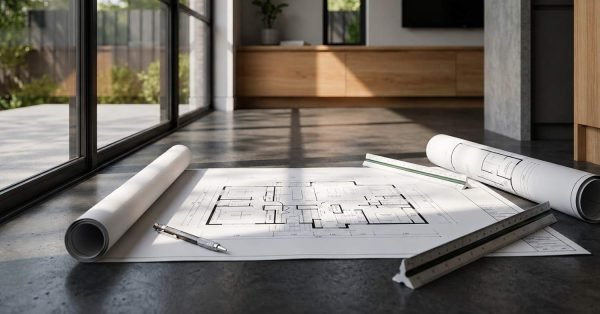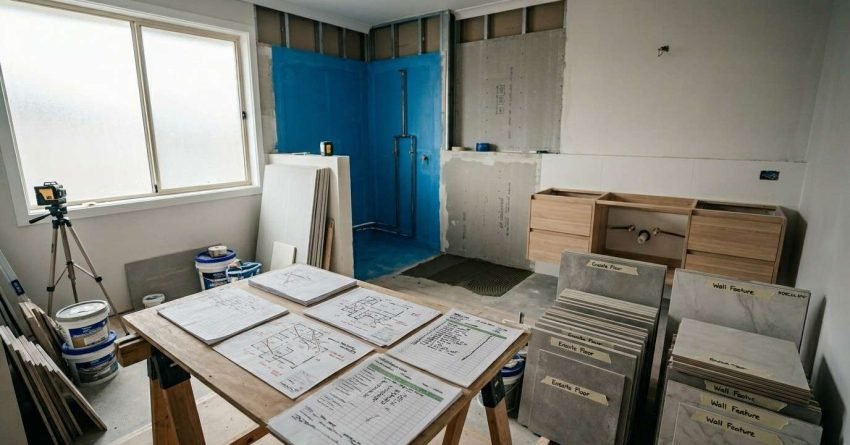
A bathroom renovation in Sydney typically takes four to ten weeks from the first day of demolition to final sign-off, depending on the scope, trade availability, and how well the project is planned before work begins. Getting that timeline right is not a matter of luck. It is the result of deliberate scheduling, clear communication, and a contractor who understands how each phase connects to the next.
Without a structured timeline, even straightforward renovations drift. Trades arrive out of sequence, decisions get made under pressure, and what should have been a six-week project stretches into three months.
This guide explains how renovation timelines are built, what causes them to blow out, and the practical steps you can take to keep your bathroom renovation on track from the first day of planning to the final inspection.
What a Renovation Timeline Actually Looks Like
A renovation timeline is not simply a list of tasks with dates attached. It is a sequenced plan that maps every phase of the project design, approvals, demolition, rough-in work, waterproofing, tiling, fit-off, and final inspection against realistic time allowances and trade availability.
For a bathroom renovation, the timeline begins well before any physical work starts. Design decisions, product selections, and council approvals (where required) all need to be resolved before trades can be booked. Delays at the planning stage almost always translate into delays on site.
The Key Phases Every Project Moves Through
Most bathroom renovations in Sydney move through five core phases: pre-construction planning, demolition and preparation, rough-in works (plumbing, electrical, waterproofing), finishing works (tiling, cabinetry, fixtures), and final fit-off and inspection. Each phase has a defined start and end point, and each one depends on the phase before it being completed correctly.
The pre-construction phase is where the timeline is either protected or compromised. Locking in your design, confirming product lead times, and booking trades in the correct sequence before demolition begins is what separates a smooth renovation from a chaotic one.
How Long Does a Bathroom Renovation Take in Sydney?
For a standard bathroom renovation one bathroom, no structural changes, standard fixtures most Sydney projects run between four and six weeks on site. A larger or more complex renovation involving layout changes, custom joinery, or imported tiles extends to eight to ten weeks or beyond.
These figures assume trades are booked in advance, materials are on-site before work begins, and decisions are not being made mid-build. When any of those conditions are missing, the timeline extends. Bathroom renovation costs in Sydney are directly tied to how well the schedule holds, so aligning your budget and timeline from the start prevents both from blowing out.
Factors That Compress or Extend Your Timeline
Several variables directly affect how long your renovation takes. Trade availability is one of the most significant. In Sydney’s current construction environment, experienced plumbers, waterproofers, and tilers are often booked weeks in advance, and starting your contractor search early gives you access to better tradespeople and more realistic scheduling.
Spring and early summer are the busiest booking periods in Sydney. Renovations starting between September and December typically require trade bookings ten to twelve weeks ahead. Outside peak periods, four to eight weeks of lead time is usually sufficient for most trades.
Product lead times are another critical factor. Imported tiles, custom vanities, and specialty tapware regularly take four to twelve weeks to arrive. If these items are not ordered before demolition begins, the project stalls while you wait. The table below shows typical lead times by product category.
| Product Category | Typical Lead Time | Order Before |
| Standard local tiles | 1–2 weeks | Demolition start |
| Imported tiles | 6–12 weeks | Design sign-off |
| Custom vanity | 4–8 weeks | Design sign-off |
| Specialty tapware | 4–10 weeks | Design sign-off |
| Standard fixtures (toilet, basin) | 1–3 weeks | Rough-in completion |
| Heated towel rail | 2–4 weeks | Rough-in completion |
Structural surprises concealed water damage, non-compliant existing plumbing, or asbestos in older homes add days or weeks to the schedule without warning. Factoring a contingency buffer of five to ten working days into your schedule absorbs most of these without pushing the completion date.

Building Your Renovation Schedule Before Work Starts
The most effective renovation schedules are built backwards from the completion date. Start with when you need the bathroom finished, then work backwards through each phase to identify when decisions, orders, and bookings need to be made.
A practical pre-construction checklist covers every step that must be resolved before demolition begins:
- Finalise your design and specifications
- Confirm all product selections and place orders
- Obtain any required council approvals or building permits
- Book all trades in the correct sequence
- Confirm a site start date with your contractor
None of these steps should be left until after demolition begins. Each one left unresolved at the start of a build creates a predictable delay mid-project.
How to Sequence Trades Without Creating Delays
Trade sequencing follows a strict logic in bathroom renovations. Demolition comes first, followed by any structural or layout changes. Rough-in plumbing and electrical work come next, before walls are closed. Waterproofing must be completed and inspected before any tiling begins. Tiling precedes cabinetry installation, and cabinetry precedes fixture fit-off.
Breaking this sequence even once creates a cascade of delays. A tiler who arrives before waterproofing is inspected cannot start. A cabinet installer who arrives before tiling is complete has nowhere to work. Each out-of-sequence arrival costs time, often adds a call-out fee, and pushes every subsequent trade further out.
Waterproofing Curing Times and Inspection Bookings
Waterproofing is the phase most commonly underestimated in timeline planning. Most waterproofing membranes require a minimum of 24 to 48 hours of curing time before an inspection can be booked, and council or private certifier inspections in Sydney typically require two to five business days of notice.
That means a realistic gap of three to seven days between waterproofing completion and the first tile going down. Build this into your schedule explicitly. A contractor who books the tiler to arrive the day after waterproofing is applied is setting up a delay before the project reaches the halfway point.
The Most Common Causes of Renovation Timeline Blowouts
Timeline blowouts in bathroom renovations almost always trace back to one of four causes: poor pre-construction planning, late product deliveries, unresolved design decisions during the build, and scope changes after work has started.
Poor planning is the most preventable. When trades are booked without confirmed product lead times, or when design decisions are still being made after demolition begins, the project loses momentum quickly. Every day a trade cannot proceed is a day added to the overall timeline.
Late deliveries are often underestimated. A vanity that arrives damaged and needs to be reordered, or tiles that are out of stock and require a substitute selection, stalls a project for two to four weeks at the worst possible moment mid-build, when the bathroom is already stripped and unusable.
How to Identify and Prevent Scope Creep Early
Scope creep happens when the project grows beyond its original definition. A new heated towel rail added mid-build, a decision to retile the floor when only the walls were originally planned, or a request to move the toilet location after rough-in plumbing is complete each addition seems small in isolation, but collectively they extend the timeline and increase costs significantly.
The most effective prevention is a detailed scope of works document agreed upon before work starts. This document should specify exactly what is included, what is excluded, and the process for requesting and approving any changes. Any variation to the original scope should be submitted in writing, priced, and approved before work proceeds.

How to Keep Your Project on Track Once Work Begins
Keeping a renovation on schedule once work starts requires active oversight, not passive observation. This means regular site visits, clear communication with your contractor, and a system for tracking progress against the agreed schedule.
Weekly check-ins with your contractor even a brief ten-minute conversation are enough to surface emerging issues before they become delays. Ask specifically about the next trade due on site, whether materials are confirmed and on-site, and whether any inspections are scheduled. These three questions cover the most common sources of mid-build delay.
Communication Checkpoints That Prevent Costly Surprises
Establish communication checkpoints at the start of each new phase. Before demolition begins, confirm the full trade schedule and product delivery dates. Before waterproofing starts, confirm the inspection booking. Before tiling begins, confirm all tiles are on-site, and the waterproofing certificate has been issued. Before fit-off, confirm all fixtures and fittings are on-site and undamaged.
These checkpoints take minutes to complete and prevent the most common mid-build surprises. A contractor who cannot answer these questions clearly at each phase transition is a contractor who is not managing your project proactively.
Simple Tools for Tracking Progress
You do not need specialist software to track a bathroom renovation. A shared spreadsheet listing each phase, its start date, its completion milestone, and the responsible trade is enough for most projects. A simple WhatsApp thread with your contractor, used consistently for phase sign-offs and delivery confirmations, creates a timestamped record that resolves disputes quickly.
The goal is a single source of truth that both you and your contractor reference. When everyone is working from the same document, delays surface earlier, and accountability is clear.

When to Adjust Your Timeline (And How to Do It Without Losing Control)
Not every timeline adjustment is a failure. Structural surprises, weather delays for outdoor work or a trade illness are legitimate reasons to revise the schedule. The difference between a managed adjustment and a blowout is whether the revision is made deliberately, communicated clearly, and absorbed without cascading into every subsequent phase.
When a delay occurs, the first step is to assess its downstream impact. Which trades are affected? Which product deliveries need to be rescheduled? Does the completion date need to move, or can time be recovered elsewhere in the schedule? A contractor who can answer these questions quickly and clearly has a genuine handle on your project.
Working from a renovation progress checklist that tracks milestones, sign-offs, and outstanding items at every stage makes these assessments faster and more accurate.
What to Do When a Trade Cancels
Trade cancellations mid-build are more common than most homeowners expect, particularly in Sydney’s tight construction market. When a trade cancels, the immediate priority is to assess which subsequent trades are blocked and by how many days.
Contact your contractor the same day. A good contractor maintains relationships with backup tradespeople and can often fill a cancellation within two to four business days without pushing the overall completion date. If the cancelled trade is on the critical path waterproofing or tiling, for example a delay of even three days can push fit-off and final inspection by a week or more.
Document the cancellation in writing, confirm the replacement booking in writing, and update your shared schedule immediately. Keeping the paper trail current means you have a clear record if the delay affects your contract completion date or any penalty clauses.
Conclusion
Renovation timeline management is the discipline that separates a well-run bathroom project from one that drains time, money, and patience. The key variables trade sequencing, product lead times, scope definition, and active oversight are all manageable when they are addressed before work begins rather than after problems emerge.
A realistic timeline, built on accurate phase durations and confirmed trade bookings, gives every decision a clear context and every stakeholder a shared reference point throughout the build.
At Sydney Home Renovation, we build detailed project schedules before a single tile is removed, so your renovation stays on track, on budget, and finished to a standard you can rely on for years to come. Contact us today to discuss your project timeline.
Frequently Asked Questions
How long does a bathroom renovation take in Sydney?
A standard bathroom renovation in Sydney takes four to six weeks on site. Larger projects with layout changes or imported materials take eight to ten weeks, depending on trade availability.
What is the most common reason bathroom renovations run over time?
Poor pre-construction planning is the most common cause. Trades booked before product lead times are confirmed, or design decisions made after demolition starts, create avoidable delays that compound quickly.
Do I need council approval before starting a bathroom renovation in Sydney?
Most like-for-like bathroom renovations do not require council approval. Projects involving structural changes, relocated plumbing, or heritage-listed properties may require a development application or complying development certificate.
How far in advance should I book trades for a bathroom renovation?
In Sydney, experienced trades are typically booked four to eight weeks in advance. For renovations starting in spring or early summer, booking ten to twelve weeks ahead secures your preferred tradespeople.
What is trade sequencing and why does it matter?
Trade sequencing schedules each tradesperson in the correct order so each phase is complete before the next begins. Breaking the sequence causes delays, additional call-out fees, and pushes every subsequent trade further out.
How do I prevent scope creep from extending my renovation timeline?
Agree on a detailed scope of works document before work starts. Specify what is included and excluded, and require all changes to be submitted in writing, priced, and approved before work proceeds.
What should I ask my contractor to keep the renovation on schedule?
At each phase transition, ask three questions: which trade is next and when are they confirmed, are all required materials on-site and undamaged, and are any inspections booked and confirmed.