Renovating a kitchen for $5,000 in Sydney is possible, but only if you understand exactly what that budget can and cannot deliver. At this price point, you are working within tight constraints that demand smart prioritisation, realistic expectations, and careful planning before a single tile is lifted or cabinet door replaced.
For Sydney homeowners, first-time renovators, and property investors, $5,000 represents a meaningful spend. Getting it right means knowing where the money goes, which upgrades deliver the most visible impact, and which hidden costs can quietly consume your entire budget before the job is finished.
This guide breaks down every cost component of a $5,000 kitchen renovation, from labour and materials to fixtures and compliance, so you can plan with confidence and avoid the financial surprises that derail most budget renovations.
What Does a $5,000 Kitchen Renovation Actually Cover in Sydney?
A $5,000 kitchen renovation budget in Sydney sits firmly in the cosmetic refresh category. It is enough to meaningfully improve the look and function of an existing kitchen, but it is not enough to structurally reconfigure the space, relocate plumbing, or replace all cabinetry with custom joinery. Understanding this distinction upfront is the single most important step in planning a budget kitchen renovation that delivers real results.
Sydney labour rates, material costs, and trade fees are among the highest in Australia. What $5,000 achieves in a regional area may only cover half the scope in metropolitan Sydney. Setting realistic expectations based on local pricing is essential before committing to any renovation plan.
What Can Realistically Be Done for $5,000?
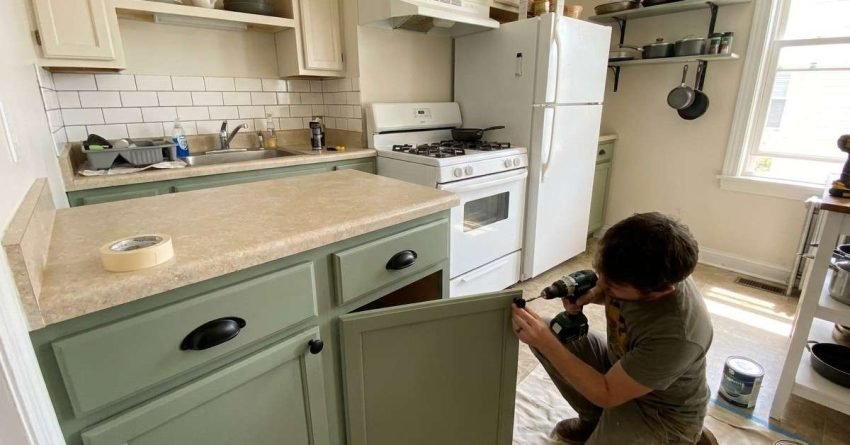
Within a $5,000 kitchen renovation budget in Sydney, the most achievable scope includes cabinet door and drawer front replacements, new benchtop laminate or reconstituted stone, fresh paint on walls and ceiling, updated tapware and sink, new splashback tiles or a peel-and-stick alternative, and basic lighting upgrades such as replacing pendant fittings or under-cabinet strip lights.
This scope works best when the existing cabinet carcasses are structurally sound, the layout remains unchanged, and no plumbing or electrical relocation is required. A cosmetic refresh of this kind can dramatically improve the appearance of a dated kitchen without triggering the higher costs associated with structural or trade-intensive work.
What Falls Outside a $5,000 Kitchen Budget?
A $5,000 budget will not cover a full kitchen gut and rebuild, custom cabinetry, stone benchtops such as engineered quartz or natural marble, new appliances beyond basic freestanding models, floor replacement across a large kitchen area, or any work requiring plumbing or electrical relocation. These elements individually can exceed the entire $5,000 budget on their own.
Structural changes, such as removing a wall to open the kitchen to a living area, require council approval, engineering assessments, and licensed trade work that quickly pushes costs well beyond $10,000 to $20,000 or more in Sydney. If your renovation goals include any of these elements, a $5,000 budget will need to be reconsidered or staged across multiple phases.
Where Does the Money Go? A $5,000 Kitchen Budget Breakdown
Understanding how a $5,000 kitchen renovation budget is distributed across labour, materials, and fittings is the foundation of effective cost planning. In Sydney, labour typically consumes the largest share of any renovation budget, which means the materials and fittings allowance is tighter than most homeowners expect.
The table below provides a realistic indicative breakdown for a cosmetic kitchen refresh within a $5,000 budget in Sydney. These figures are approximate and will vary based on kitchen size, scope, and contractor rates.
| Cost Category | Estimated Allocation | Notes |
| Labour (general trades) | $1,800 – $2,200 | Carpenter, tiler, painter |
| Cabinet doors and drawer fronts | $600 – $900 | Flat-pack or supply-only replacements |
| Benchtop (laminate or basic stone) | $500 – $800 | Per linear metre, supply and install |
| Splashback (tiles or peel-and-stick) | $200 – $400 | Basic tile or adhesive panel |
| Tapware and sink | $250 – $450 | Mid-range supply and install |
| Paint, primer, and sundries | $150 – $250 | Walls, ceiling, and trim |
| Lighting upgrades | $150 – $300 | Pendant or under-cabinet fittings |
| Contingency | $300 – $500 | For unexpected issues |
This breakdown assumes no plumbing relocation, no electrical upgrades beyond light fittings, and no structural changes. Any deviation from these assumptions will compress the remaining budget significantly.
Labour Costs in a Budget Kitchen Renovation
Labour is the dominant cost in any Sydney kitchen renovation, even at the $5,000 budget level. A licensed carpenter for cabinet door replacements and benchtop installation typically charges between $65 and $95 per hour in Sydney. A tiler for splashback work ranges from $60 to $85 per hour, and a painter charges between $50 and $75 per hour depending on the scope and finish required.
For a cosmetic kitchen refresh, expect to allocate between $1,800 and $2,200 for labour across all trades. This assumes a small to medium kitchen with straightforward scope. Any complexity, such as awkward access, non-standard cabinet sizes, or additional preparation work, will push labour costs higher and compress the materials budget.
Materials and Finishes Allowance
Within a $5,000 kitchen renovation, the materials budget is typically between $1,500 and $2,000 after labour is accounted for. This allowance needs to cover cabinet fronts, benchtop, splashback, paint, and any sundry items such as hinges, handles, and adhesives.
Laminate benchtops are the most cost-effective option at this budget level, ranging from $150 to $300 per linear metre supplied and installed. Reconstituted stone benchtops start at around $400 to $600 per linear metre and will consume a larger portion of the materials budget. Flat-pack cabinet door replacements from suppliers such as IKEA or Kaboodle offer the best value for cosmetic cabinet upgrades, with door sets available from $300 to $700 depending on kitchen size and door style.
Fixtures, Fittings, and Appliances
Tapware, sinks, and lighting are the primary fittings within a $5,000 kitchen renovation scope. A mid-range kitchen mixer tap from brands such as Methven, Caroma, or Oliveri ranges from $150 to $350 supply-only, with installation adding $80 to $150 depending on the plumber’s call-out rate.
New appliances are generally outside the scope of a $5,000 kitchen renovation unless existing appliances are being retained. A basic freestanding oven and cooktop combination starts at around $800 to $1,200, which would consume a significant portion of the remaining budget after labour and materials are allocated. If appliance replacement is a priority, the overall budget will need to increase or other scope items will need to be removed.
How to Stretch a $5,000 Kitchen Renovation Budget Further
Getting maximum value from a $5,000 kitchen renovation budget in Sydney requires deliberate decision-making at every stage of the project. The homeowners and investors who achieve the best outcomes at this price point are those who focus spending on high-visibility upgrades, avoid unnecessary trade costs, and select materials that deliver quality appearance without premium pricing.
Three strategies consistently deliver the most value within a constrained kitchen renovation budget.
Prioritise High-Impact, Low-Cost Upgrades
The upgrades that deliver the greatest visual transformation for the lowest cost in a kitchen renovation are cabinet door replacements, new handles and hardware, fresh paint, and a new splashback. These four elements define the aesthetic of a kitchen more than almost any other component, and all four can be completed within a modest budget allocation.
Replacing cabinet doors without touching the carcasses is one of the most cost-effective renovation strategies available. It delivers the appearance of a brand-new kitchen at a fraction of the cost of full cabinet replacement. Combined with new handles, which can be sourced for as little as $3 to $15 per unit, the visual impact is substantial relative to the spend.
Keep the Existing Layout to Avoid Trade Costs
The single most effective way to protect a $5,000 kitchen renovation budget is to keep the existing layout unchanged. Moving a sink requires a licensed plumber to relocate waste and water supply lines, which typically costs between $500 and $1,500 in Sydney depending on the complexity of the relocation. Moving a cooktop or oven to a new location requires a licensed electrician and potentially a gas fitter, adding another $400 to $1,200 to the project cost.
These trade costs are unavoidable when layout changes are required, but they are entirely avoidable when the renovation scope is limited to cosmetic upgrades within the existing footprint. Keeping plumbing and electrical services in their current positions preserves the maximum budget allocation for visible improvements.
Choose Mid-Range Materials Without Sacrificing Quality
At the $5,000 budget level, material selection is a critical lever for controlling costs without compromising the finished result. Laminate benchtops in contemporary woodgrain or stone-look finishes offer excellent durability and aesthetics at a fraction of the cost of engineered stone. Peel-and-stick splashback panels or large-format ceramic tiles provide a clean, modern look without the premium cost of glass or natural stone.
Mid-range tapware from reputable Australian brands delivers reliable performance and a quality appearance without the $500 to $1,500 price tag of designer European fixtures. Selecting products from the mid-tier range of established suppliers allows the budget to stretch further while maintaining a finish that looks considered and well-executed.
Hidden Costs That Can Blow a $5,000 Kitchen Budget
Hidden costs are the most common reason budget kitchen renovations in Sydney exceed their initial estimates. These are costs that are not visible during the planning phase but emerge once work begins, and they can consume a significant portion of the remaining budget if not anticipated and managed proactively.
Understanding the most common hidden cost categories before work starts is the most effective way to protect a $5,000 kitchen renovation budget from unexpected blowouts.
Plumbing and Electrical Surprises
Older Sydney homes frequently have plumbing and electrical infrastructure that does not meet current Australian Standards. When a renovation exposes existing pipework or wiring, a licensed plumber or electrician may be legally required to bring the installation up to code before the renovation can proceed. This is not optional and cannot be deferred.
Replacing corroded copper pipework under a kitchen sink can cost between $300 and $800 depending on the extent of the work. Upgrading an undersized electrical circuit to support a new appliance or additional lighting can add $400 to $900 to the project cost. These are not contractor overcharges but legitimate compliance requirements that protect the homeowner and the property.
Waterproofing, Structural, and Compliance Costs
While waterproofing is more commonly associated with bathroom renovations, kitchens in older Sydney properties can present structural surprises once cabinetry is removed. Rotted substrate behind a sink cabinet, damaged flooring beneath old vinyl, or deteriorated wall sheeting behind a splashback are all issues that require rectification before new finishes can be applied.
Structural repairs of this kind typically cost between $400 and $1,500 depending on the extent of the damage. They cannot be cosmetically covered without addressing the underlying issue, as doing so creates long-term moisture and structural problems that are far more expensive to rectify later. Building compliance requirements for any structural work also need to be considered, particularly in strata properties where owner’s corporation approval may be required.
Disposal, Delivery, and Project Management Fees
Waste disposal, material delivery, and project coordination are costs that are frequently overlooked in initial budget estimates. Removing old cabinet doors, benchtop sections, and splashback tiles generates a volume of waste that typically requires a skip bin or multiple council hard waste collections. Skip bin hire in Sydney ranges from $250 to $450 for a standard 3 to 4 cubic metre bin.
Material delivery fees for benchtops, tiles, and flat-pack components can add $80 to $200 to the project cost depending on supplier and delivery distance. If a project manager or head contractor is coordinating multiple trades, a coordination fee of 10 to 15 percent of the total project cost may apply. For a $5,000 renovation, this represents $500 to $750 that needs to be factored into the overall budget.
$5,000 Kitchen Renovation vs. a Full Kitchen Remodel: What Is the Difference?
The distinction between a $5,000 kitchen renovation and a full kitchen remodel is not simply a matter of budget. It reflects a fundamentally different scope of work, a different level of trade involvement, and a different outcome for the homeowner. Understanding this distinction helps set accurate expectations and prevents the frustration of a budget renovation that was planned as a cosmetic refresh but priced as a full remodel.
Cosmetic Refresh vs. Structural Renovation
A cosmetic kitchen refresh at the $5,000 budget level focuses on replacing surfaces, finishes, and fittings without altering the underlying structure of the kitchen. Cabinet carcasses remain in place, plumbing and electrical services stay in their existing positions, and the floor plan is unchanged. The result is a kitchen that looks significantly updated without the cost and disruption of a full structural renovation.
A full kitchen remodel involves removing all existing cabinetry, benchtops, and appliances, reconfiguring the layout, installing new custom or semi-custom joinery, and potentially relocating plumbing and electrical services. In Sydney, a full kitchen remodel for a standard 10 to 15 square metre kitchen typically costs between $15,000 and $45,000 depending on the level of finish, the extent of structural changes, and the quality of materials and appliances selected.
When Should You Spend More Than $5,000?
Spending more than $5,000 on a kitchen renovation is warranted when the existing cabinet carcasses are structurally compromised, when the layout is genuinely dysfunctional and limiting daily use, when the kitchen is being renovated as part of a property sale strategy that requires a premium finish to achieve a target sale price, or when the scope of work requires licensed trade involvement beyond what a cosmetic refresh entails.
For investment properties in Sydney, a $5,000 cosmetic kitchen refresh can be a highly effective strategy for improving rental appeal and achieving a higher weekly rent without the capital outlay of a full remodel. For owner-occupiers planning to live in the property long-term, a staged approach, starting with a $5,000 cosmetic refresh and budgeting for a full remodel in three to five years, is often the most financially sensible path.
Is a $5,000 Kitchen Renovation Worth It for Sydney Homeowners?
The value of a $5,000 kitchen renovation depends entirely on the starting condition of the kitchen, the renovation goals, and the context in which the property is being used. For the right property and the right scope, a $5,000 kitchen renovation delivers a strong return relative to the investment. For the wrong scope or the wrong property condition, it can feel like money spent without meaningful improvement.
Return on Investment for Budget Kitchen Upgrades
A well-executed cosmetic kitchen renovation consistently ranks among the highest-return renovation investments for residential properties in Sydney. Real estate agents and property valuers regularly identify the kitchen as one of the two rooms, alongside the bathroom, that most directly influences buyer perception and rental appeal.
A $5,000 cosmetic kitchen refresh in a Sydney investment property can support a rental increase of $30 to $80 per week depending on the suburb, the property type, and the quality of the finish. At $50 per week additional rent, the renovation cost is recovered within two years, with ongoing rental income benefit thereafter. For properties being prepared for sale, a fresh, modern kitchen finish can support a sale price premium that significantly exceeds the renovation cost.
Best Scenarios for a $5,000 Kitchen Renovation
A $5,000 kitchen renovation delivers the best outcomes in specific scenarios. Investment properties with dated but structurally sound kitchens benefit most, as the cosmetic upgrade improves rental appeal without the capital outlay of a full remodel. Owner-occupier properties where the kitchen layout functions well but the aesthetic is outdated are also strong candidates, as the refresh delivers daily lifestyle improvement at a manageable cost.
Properties being prepared for sale where the kitchen is visually dated but structurally sound represent another strong use case. A targeted $5,000 spend on cabinet fronts, benchtop, splashback, and tapware can shift buyer perception from “needs work” to “move-in ready,” supporting a stronger sale outcome. The key in all scenarios is ensuring the scope is matched to the budget and the renovation goals are realistic for the price point.
How to Plan a $5,000 Kitchen Renovation in Sydney
Effective planning is what separates a $5,000 kitchen renovation that delivers a strong result from one that runs over budget, falls short of expectations, or creates more problems than it solves. The planning process for a budget kitchen renovation requires the same rigour as a full remodel, even though the scope is smaller.
Step 1 — Define Your Scope Before You Set Your Budget
The most common planning mistake in budget kitchen renovations is setting a dollar figure before defining the scope of work. This approach leads to scope creep, where additional items are added to the project after the budget is set, and the final cost exceeds the original estimate. The correct approach is to define every element of the renovation scope first, then cost each item individually to arrive at a realistic total.
Start by listing every change you want to make to the kitchen, from cabinet doors and benchtop to tapware, splashback, lighting, and paint. Assign a realistic cost range to each item based on current Sydney pricing. Total the costs and compare against your available budget. If the total exceeds $5,000, remove items in order of lowest impact until the budget is met.
Step 2 — Get Itemised Quotes from Licensed Contractors
A single lump-sum quote for a kitchen renovation does not give you the visibility needed to manage a $5,000 budget effectively. Request itemised quotes from at least two to three licensed contractors that break down labour costs by trade, material costs by item, and any additional fees such as waste disposal or project coordination.
Itemised quotes allow you to compare costs at a granular level, identify where one contractor is significantly more expensive than another, and make informed decisions about which scope items to include or exclude based on actual pricing. In Sydney, always verify that contractors hold a current NSW Fair Trading licence before engaging them for any renovation work.
Step 3 — Build a Contingency Buffer Into Your Budget
A contingency allowance of 10 to 15 percent of the total renovation budget is standard practice in residential construction and renovation. For a $5,000 kitchen renovation, this means setting aside $500 to $750 as a contingency reserve before allocating the remaining budget to scope items.
This contingency buffer exists to absorb the hidden costs and unexpected issues that are a normal part of any renovation project. If the contingency is not used, it can be applied to an upgrade or retained for future maintenance. If it is needed, it prevents the renovation from stalling or requiring additional borrowing to complete. Planning without a contingency buffer is one of the most reliable ways to ensure a budget renovation exceeds its target cost.
Conclusion
Renovating a kitchen for $5,000 in Sydney is achievable, but only with a clear scope, realistic expectations, and disciplined budget management. The most successful outcomes at this price point come from focusing on high-impact cosmetic upgrades, keeping the existing layout intact, and planning for hidden costs before work begins.
A well-planned $5,000 kitchen renovation can meaningfully improve the appearance, function, and value of a Sydney property, whether you are refreshing an investment property for better rental returns or updating an owner-occupier home for daily enjoyment. The key is matching your renovation goals to what the budget can genuinely deliver.
At Sydney Home Renovation, we help homeowners and investors plan and execute kitchen renovations with transparent pricing, itemised quotes, and honest guidance on what your budget can achieve. Contact our team today to discuss your kitchen renovation scope and get a clear, detailed quote tailored to your property and goals.
Frequently Asked Questions
Can you renovate a kitchen for $5,000 in Sydney?
Yes, a $5,000 kitchen renovation is achievable in Sydney for a cosmetic refresh. This budget covers cabinet door replacements, a new benchtop, splashback, tapware, and fresh paint, provided the existing layout and cabinet carcasses remain unchanged and no plumbing or electrical relocation is required.
What is included in a $5,000 kitchen renovation?
A $5,000 kitchen renovation typically includes new cabinet door and drawer fronts, a laminate or basic reconstituted stone benchtop, a new splashback, updated tapware and sink, fresh paint, and basic lighting upgrades. It does not include full cabinet replacement, custom joinery, premium stone benchtops, or structural layout changes.
How long does a $5,000 kitchen renovation take?
A cosmetic kitchen renovation at the $5,000 budget level typically takes between three and seven working days to complete in Sydney. The timeline depends on the scope of work, the number of trades involved, material lead times, and whether any unexpected issues are discovered once work begins.
What are the biggest hidden costs in a kitchen renovation?
The most common hidden costs in a kitchen renovation are plumbing and electrical compliance upgrades, structural repairs to damaged substrate or cabinetry, waste disposal fees, and material delivery charges. In older Sydney homes, bringing existing services up to current Australian Standards can add $500 to $2,000 to the project cost.
Should I DIY part of my kitchen renovation to save money?
DIY work on non-trade tasks such as painting, handle replacement, and peel-and-stick splashback installation can reduce labour costs in a $5,000 kitchen renovation. However, any work involving plumbing, electrical, or gas services must be completed by a licensed tradesperson in NSW. Unlicensed trade work is illegal, voids insurance, and creates significant liability risks.
What is the cheapest way to update a kitchen in Sydney?
The most cost-effective kitchen update in Sydney is replacing cabinet doors and handles, repainting walls and ceiling, and installing a new splashback. These three changes deliver the greatest visual transformation for the lowest cost and can be completed for between $1,500 and $3,000 depending on kitchen size and material selection.
How do I get accurate quotes for a budget kitchen renovation?
To get accurate quotes for a budget kitchen renovation, define your full scope of work in writing before approaching contractors, request itemised quotes that break down labour and materials separately, and obtain at least two to three quotes from licensed NSW contractors. Comparing itemised quotes gives you the visibility needed to make informed decisions and identify where costs can be optimised without compromising the quality of the finished result.