
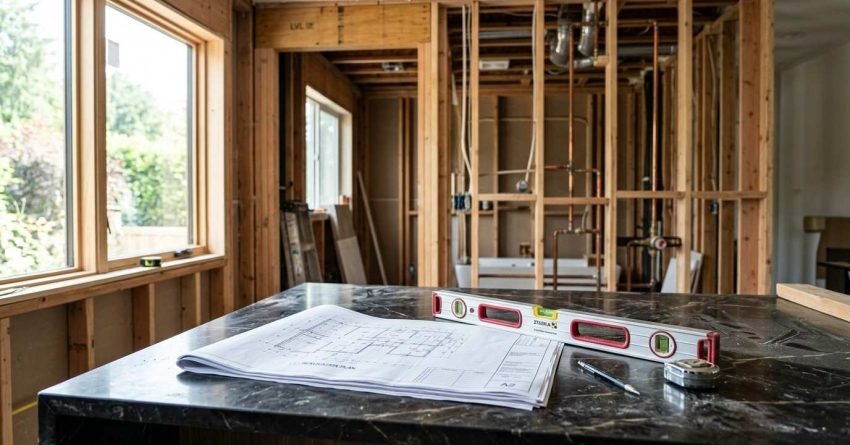
The most expensive part of a house renovation is structural and wet area work, particularly bathrooms and kitchens. Labour complexity, waterproofing requirements, and trade coordination combine to push costs well above any other room in the house. We see this pattern repeat across almost every Sydney renovation we manage.
For Sydney homeowners and property investors, understanding where renovation budgets actually go is the first step toward planning a project that stays on track financially. This guide breaks down the highest-cost categories, explains what drives those prices, and shows you how to allocate your budget where it delivers the most value.
The Most Expensive Parts of a House Renovation Explained
Structural alterations and wet area renovations consistently account for the largest share of any residential renovation budget. Structural work, including wall removal, underpinning, and load-bearing modifications, requires engineering input, council approvals, and specialist labour. Wet areas demand licensed plumbing, waterproofing membranes, tiling, and electrical work, all coordinated across multiple trades.
These two categories routinely represent 50 to 70 percent of total renovation spend before finishes are even selected, according to Master Builders Australia.
Why Structural Work Carries the Highest Price Tag
Structural changes are expensive because they are irreversible, regulated, and technically complex. Removing a load-bearing wall in a Sydney home requires a structural engineer’s report, council approval in many cases, and a licensed builder to execute the work safely.
Labour alone for structural alterations can range from $8,000 to $30,000 or more, depending on the scope. Any mistake at this stage affects the entire building. We treat this stage as non-negotiable on materials, methodology, and trade qualifications, because the cost reflects the risk and compliance requirements, not just the hours worked.
Wet Areas – Bathrooms and Kitchens as Cost Centres
Bathrooms and kitchens are the most expensive rooms to renovate because they concentrate every trade in one space. A single bathroom renovation in Sydney typically involves a licensed plumber, electrician, waterproofer, tiler, and plasterer, often working in sequence.
This sequencing extends the project timeline and multiplies labour costs. A mid-range bathroom renovation in Sydney ranges from $15,000 to $30,000, with premium finishes pushing that figure higher, based on data from the Housing Industry Association.
Kitchens follow a similar pattern. Cabinetry, benchtops, splashbacks, and appliance connections add layers of cost that accumulate quickly once selections are made.

Renovation Cost by Room: A Quick Comparison
We find clients plan more realistically once they see the numbers side by side.
| Room / Work Type | Typical Sydney Cost Range | Key Cost Drivers |
| Structural alterations | $8,000 – $30,000+ | Engineering, approvals, labour risk |
| Bathroom (mid-range) | $15,000 – $30,000 | Waterproofing, trade sequencing |
| Kitchen (mid-range) | $20,000 – $40,000 | Cabinetry, benchtops, appliances |
| Second-storey addition | $150,000 – $300,000+ | Structural load, roofing, services |
| Home extension | $60,000 – $150,000 | Foundations, framing, finishes |
| Granny flat | $120,000 – $180,000 | Full services connection, compliance |
These ranges shift with property condition, access constraints, and design complexity. We always recommend treating them as planning benchmarks rather than fixed quotes.
What Renovation Costs Per Square Metre in Sydney
Sydney renovation costs typically run from $2,000 to $4,500 per square metre for a mid-range whole-home renovation, according to Rawlinsons Construction Cost Guide. Wet area work sits at the top of that range because of the concentrated trade input per square metre.
Structural work and second-storey additions often exceed this benchmark. The added engineering, roofing, and services relocation involved push per-square-metre costs higher than any single-room renovation.
What Drives Renovation Costs Beyond the Obvious
Labour is the single largest cost driver in any renovation, typically representing 40 to 60 percent of the total project budget. In Sydney, trade rates are among the highest in Australia, and demand for licensed tradespeople means scheduling delays are common.
Beyond labour, the age and condition of the existing property significantly affect cost. Older homes frequently reveal outdated wiring, corroded plumbing, or non-compliant waterproofing once walls are opened, all of which must be rectified before new work can proceed.
Council approvals add another layer we plan for early. Development applications and complying development certificates in Sydney can add $1,000 to $5,000 in fees alone, depending on council and project scope, per NSW Planning Portal.
Hidden Costs That Blow Out Renovation Budgets
The costs that rarely appear in initial quotes include asbestos removal, structural rectification, council approval fees, and temporary accommodation during extended works. Waterproofing failures discovered mid-project and outdated electrical switchboards requiring upgrades are among the most common budget surprises we encounter on Sydney projects.
We allocate a contingency of 10 to 15 percent of the total budget on every project we manage. Skipping this buffer is one of the most reliable ways to turn a well-planned renovation into a financial stressor.

How to Prioritise Spending When Every Line Item Feels Expensive
Not every renovation dollar delivers equal return. Structural integrity and waterproofing must be fully funded. These are non-negotiable from both a safety and a resale perspective.
Wet area renovations, particularly bathrooms, consistently deliver strong returns for owner-occupiers and investors alike. They are high-use, high-visibility spaces that buyers and tenants evaluate closely.
Where budget pressure exists, we advise investing in quality labour and waterproofing first, then making considered selections on fixtures and finishes. A well-waterproofed bathroom with mid-range fittings will outperform a poorly waterproofed one with premium tiles every time.
Practical Ways to Control Renovation Costs
We guide every client through the same cost-control checklist before work starts.
- Lock in your design and selections before construction begins to avoid variation costs.
- Get at least three itemised quotes from licensed trades before committing.
- Schedule structural and wet area work together to reduce trade mobilisation costs.
- Keep your contingency untouched unless an unavoidable issue arises.
- Ask your builder which finishes can be staged or upgraded later without reworking trades.
These steps do not eliminate cost, but they prevent the budget blowouts that stall projects mid-build.
Conclusion
Structural work and wet areas are the most expensive parts of any house renovation because they demand the most skilled labour, the most regulatory compliance, and the most trade coordination. For homeowners and investors in Sydney, knowing this upfront prevents the budget shock that derails so many projects mid-build.
Planning your renovation around these cost realities, with a realistic contingency and a clear priority order, is what separates projects that finish well from those that stall.
At Sydney Home Renovation, we help you build a renovation budget that reflects actual costs, not wishful estimates. Contact us to start your project with a clear financial plan.
Frequently Asked Questions
Is the bathroom always the most expensive room to renovate?
Bathrooms are consistently among the most expensive rooms due to trade concentration and waterproofing requirements, but structural alterations can exceed bathroom costs depending on scope.
Why does labour cost so much in Sydney renovations?
Sydney trade rates reflect high demand, licensing requirements, and the cost of living. Labour typically accounts for 40 to 60 percent of total renovation budgets across all project types.
Can I reduce renovation costs by managing trades myself?
Owner-builders can reduce some costs, but licensed trades are legally required for plumbing, electrical, and structural work. Coordination errors between trades often create delays that increase total spend.
How much contingency should I budget for a renovation?
A contingency of 10 to 15 percent of your total budget is standard practice. Older properties and wet area renovations carry higher risk of unexpected costs and warrant the upper end of that range.
Does renovating a bathroom add value to a Sydney property?
Yes. Bathroom renovations consistently deliver strong returns in Sydney’s property market, particularly when waterproofing, layout, and fixture quality meet current buyer and tenant expectations.


