
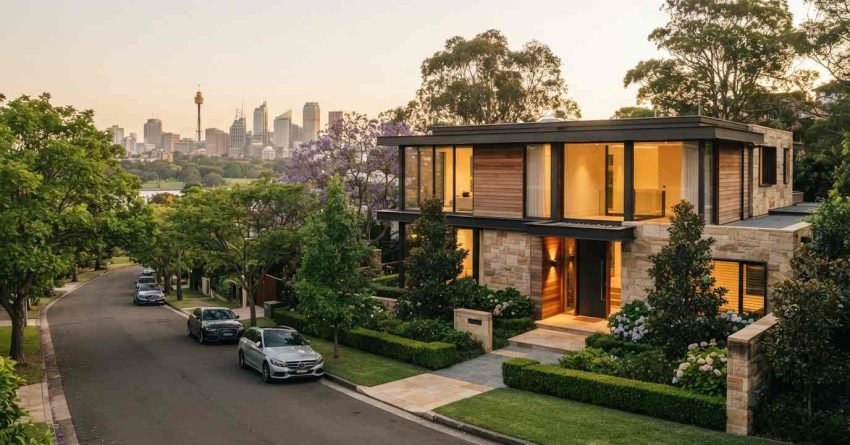
The biggest selling point of a house is location, and nothing else comes close. After that, the ranking shifts to what you actually control, and a renovated bathroom sits at the top of that second list because it removes the objection buyers price in hardest.
I have walked through hundreds of Sydney homes before they went to market. The pattern repeats: buyers forgive a tired laundry, and they punish a tired bathroom.
This guide ranks the selling points that move price, separates the fixed ones from the ones you can change, and shows you where renovation money earns its keep.
The Biggest Selling Points of a House, Ranked
We rank selling points on two axes that matter to a seller: how much the feature moves a buyer, and whether you have any power to change it. Location wins on impact and loses completely on control, which is why the practical conversation starts one row down.
| Rank | Selling Point | Buyer Impact | Can You Change It? | Typical Cost to Improve |
| 1 | Location and suburb | Very high | No | Not applicable |
| 2 | Floor plan and layout | High | Partly | $15,000–$150,000 |
| 3 | Bathroom condition | High | Yes | $18,000–$35,000 |
| 4 | Kitchen condition | High | Yes | $25,000–$45,000 |
| 5 | Kerb appeal | High | Yes | $2,000–$15,000 |
| 6 | Natural light | Medium to high | Partly | $3,000–$25,000 |
| 7 | Storage capacity | Medium | Yes | $2,500–$20,000 |
| 8 | Outdoor living space | Medium | Yes | $8,000–$40,000 |
| 9 | Energy efficiency | Medium | Yes | $4,000–$15,000 |
| 10 | General presentation | Medium | Yes | $3,000–$12,000 |
Read that table as a spending order, not a wish list. We tell clients to work from row three downward, because rows one and two carry either zero control or the highest cost per dollar of return.
Location Remains the Foundation of Property Value
Location dominates every real estate conversation because it is the one element nobody modifies after settlement. A well-positioned Sydney property commands premium pricing regardless of interior condition, and extensively renovated homes in weaker pockets still hit a ceiling the street sets for them.
Proximity to quality schools, transport, employment hubs, and lifestyle amenities creates baseline demand that holds value through market cycles. Buyers calculate commute times and school catchments before they ever look at a kitchen.
What Makes a Location Desirable
Walkability drives buyer preference now, especially among younger purchasers and downsizers. Properties inside walking distance of cafes, parks, and shopping precincts attract competitive offers because they deliver convenience a car never replicates.
Infrastructure investment signals future growth. Suburbs receiving new stations, hospital expansions, or commercial development see values climb as access improves, and we watch council planning documents to find those pockets early for clients.
Safety statistics, demographics, and street presentation all feed location perception. A beautifully renovated home on a neglected street faces different buyer psychology than the same house on a maintained, tree-lined avenue.
Kerb Appeal Sets the Price Anchor
Kerb appeal is the first number a buyer forms, and every room after that gets measured against it. Buyers pull up, take three seconds, and decide whether this is a house they hope to like or a house they expect to discount.
We treat the front fence, the letterbox, the path, the garden edge, and the front door as one connected asset. Paint the door, straighten the fence, mulch the beds, and clear the gutter line, and the interior inherits the goodwill.
Working With Your Location
We cannot relocate the house, so we maximise the locational advantages already there. Naming the transport options, the school quality, and the walkable amenities in the listing beats leaving buyers to discover them on their own.
Street presentation extends your property beyond the front door. Landscaping, fencing, and exterior maintenance shape first impressions and help the home compete inside its own price bracket.

Floor Plan and Layout Drive Buyer Shortlists
Layout decides which homes make a buyer’s shortlist, and dated floor plans lose that contest before presentation matters. Buyers walk through mentally testing whether daily life works here, and a closed-off kitchen or a bathroom accessed through a bedroom breaks that test instantly.
Open-plan living connecting kitchen, dining, and family space remains the strongest layout preference across the Sydney market. Where a structural wall blocks that flow, we assess whether removal is feasible before recommending any cosmetic spend, because the layout fix outranks the finishes fix every time.
Bedroom and Bathroom Count
Bedroom count places your home in a buyer bracket, and moving up a bracket changes the entire pool competing for it. A genuine fourth bedroom lifts a family home into a deeper market, and converting a large single space or an underused study delivers that shift without an extension.
Second bathrooms carry similar weight in family housing. Households with teenagers rule out single-bathroom homes early, and adding an ensuite or a second full bathroom removes that automatic exclusion.
Flow, Zoning, and Wasted Space
Zoning separates noisy living areas from sleeping areas, and buyers feel that separation even when they lack the vocabulary for it. Master suites positioned away from secondary bedrooms present as considered design.
Wasted circulation space reads as poor value. Long dark hallways, awkward alcoves, and dead corners all count against the effective floor area buyers believe they are purchasing.
Renovated Bathrooms Drive Buyer Decisions
After location and layout, interior presentation decides how buyers connect emotionally with a property. Bathrooms carry influence far beyond their square meterage.
Buyers cost out renovations while they stand in a dated bathroom. Tired tiles, stained grout, and old fixtures trigger budget anxiety that lands straight on the offer, and a well-executed bathroom renovation removes that objection before negotiation starts.
Why Bathrooms Matter More Than Size Suggests
Bathrooms are intimate spaces where buyers picture their actual mornings. Dated or poorly maintained rooms create a visceral reaction that no amount of logic talks a buyer out of.
The cost perception gap works in your favour here. Australian homeowners spent an average of $34,000 on bathroom renovations according to the Houzz Australia Bathroom Trends Study, and buyers who have not priced the work recently assume the number sits higher still.
Bathrooms also broadcast maintenance standards for the whole house. A pristine bathroom suggests careful ownership, while failing grout and a leaking tap raise questions about what sits behind the walls.
Bathroom Features Buyers Prioritise
Modern fixtures with clean lines appeal to the widest buyer pool. We steer clients away from heavily trend-led choices that date fast, and neutral palettes in quality materials hold their appeal across years.
Storage answers a practical concern buyers raise on every inspection. Vanities with drawers, mirrored cabinets, and dedicated towel storage demonstrate design that accounts for real households.
Waterproofing and ventilation are non-negotiable quality markers. Buyers now understand that surface presentation means nothing when the membrane underneath fails, and compliant workmanship in those layers protects both your investment and your confidence at sale.
Kitchen Condition Influences Overall Property Perception
Kitchens work as social hubs in Australian homes. Open-plan living pushed the kitchen past meal preparation into entertaining, homework, and family gathering.
Dated kitchens create the same hesitation as dated bathrooms, though the arithmetic differs. Buyers know kitchen work runs expensive, so they discount harder on properties that need it.
Kitchen Elements That Add Value
Functional layout beats luxury appliances every time. Adequate bench space, a logical triangle between sink, cooktop, and fridge, and genuine storage answer the daily usability questions buyers actually care about.
Quality benchtops deliver immediate visual impact. Stone surfaces read as standard in mid and upper-market homes, and laminate handles budget renovations without visibly compromising presentation.
Modern appliances signal a move-in-ready home. Buyers value avoiding immediate replacement costs, particularly for integrated dishwashers, rangehoods, and ovens that need a tradesperson to install.
Balancing Kitchen Investment Against Returns
Kitchen renovations cost more than bathroom upgrades and return a comparable percentage. That arithmetic pushes most sellers toward bathroom investment first when the budget only stretches to one room.
Cosmetic kitchen updates fill the middle ground well. Repainting cabinetry, replacing handles, updating the splashback, and fitting new tapware transform a dated kitchen for a fraction of a full rebuild.
Renovation Return on Investment, Compared
Return varies by room, by starting condition, and by how far the finish sits above or below the street. The pattern below reflects what we see across Sydney projects and what national renovation spending data supports.
| Renovation | Typical Sydney Cost | Value Impact | Best For |
| Cosmetic bathroom refresh | $8,000–$15,000 | Strong relative to spend | Sound bathrooms that only look tired |
| Full bathroom renovation | $18,000–$35,000 | Strong | Failed waterproofing, bad layout, 20+ year rooms |
| Cosmetic kitchen update | $6,000–$14,000 | Strong relative to spend | Solid carcasses, dated doors and benchtop |
| Full kitchen renovation | $25,000–$45,000 | Moderate to strong | Failing joinery or unworkable layout |
| Interior repaint | $4,000–$9,000 | Very strong | Almost every pre-sale property |
| Flooring replacement | $5,000–$18,000 | Strong | Worn carpet, damaged boards |
| Landscaping and kerb appeal | $2,000–$15,000 | Very strong | Every property with a street frontage |
| Second-storey addition | $200,000+ | Variable | Only where the suburb ceiling is well clear |
Australian households spent $13.2 billion on residential alterations and additions in a single year according to Australian Bureau of Statistics building activity data, which tells you how competitive renovated stock has become. Presenting an unrenovated home into that market means competing against sellers who already spent the money.
The rows at the top of that table share one trait: low cost, high visibility, low risk. We start clients there and only move down the list when the budget and the suburb ceiling both allow it.
Upgrades That Do Not Pay You Back
Some renovation spending never returns, and knowing which category you sit in saves more money than any discount a builder offers. Three failures account for most of the losses we see.
Over-Capitalisation Above the Suburb Ceiling
Every suburb carries a price ceiling that buyers refuse to cross regardless of finish. Spend $180,000 on a home in a street where nothing clears $1.4 million, and the market returns the portion that fits under the ceiling and nothing above it.
We check comparable sales before scoping any major project. A worked example: a client planned a $120,000 whole-home renovation on a property valued at $1.25 million in a street topping out near $1.35 million, so we rescoped to a $38,000 bathroom, kitchen, and paint package that captured nearly all the available uplift.
Taste-Specific Choices
Bold tiles, coloured sanitaryware, feature wallpaper, and highly personal joinery narrow your buyer pool. Buyers price in the cost of undoing your taste, which turns a recent renovation into a deduction rather than a premium.
Pools sit in this category more often than owners expect. In a family-focused suburb, a pool adds appeal, and in a downsizer or investor market it reads as maintenance, insurance, and fencing compliance.
Unpermitted and Unfinished Work
Unapproved structures surface during conveyancing and stall settlements. Buyers discount heavily for a granny flat, deck, or bathroom that lacks approval, because they inherit the rectification obligation.
Half-finished work does more damage than no work at all. A partly retiled bathroom or a kitchen missing its splashback signals a distressed seller and invites a low offer.
Natural Light and Space Perception
Buyers respond to light emotionally before they consciously assess room dimensions. Light-filled properties feel larger, cleaner, and more welcoming than darker homes with identical floor plans.
Window placement, ceiling height, and interior colour all shape that perception. North-facing living areas command a premium across Sydney because they deliver warmth and brightness year-round.
Maximising Light in Existing Spaces
Strategic mirror placement multiplies available light by reflecting windows and adding depth. Bathroom and hallway mirrors earn their place functionally while doing that work for free.
Light walls and ceilings bounce light through a room. Dark feature walls suit certain interiors and cost you brightness in any space with limited glazing.
Window treatments balance privacy against light. Sheers, plantation shutters, and blinds that retract fully give buyers maximum light on inspection day and coverage when the owners need it.
Structural Light Improvements
Skylights fix dark central zones that no window reaches. Bathrooms, hallways, and internal laundries transform under overhead natural light and stop relying on artificial lighting through the day.
Larger openings and additional windows need structural assessment and deliver substantial presentation gains. We recommend them where light limitation is the specific thing holding a property back.
Storage Solutions Address Practical Concerns
Australian homes struggle with storage as possessions accumulate. Buyers actively audit storage during inspections, mentally filing their own belongings into your cupboards.
Built-in wardrobes are now a baseline expectation in bedrooms. Homes without adequate wardrobe space attract objections that either cut the offer or remove the buyer entirely.
Storage Features Buyers Value
Walk-in wardrobes in master bedrooms read as aspirational and justify premium pricing. Even a compact walk-in lifts a bedroom above the standard built-in.
Linen cupboards, broom closets, and hallway storage answer everyday household needs buyers recognise instantly. These inclusions signal a home designed by someone who lived in it properly.
Garage systems, garden sheds, and under-stair solutions extend capacity past the interior. Families and hobbyists shortlist homes that hold their equipment, seasonal gear, and bikes without spilling into living space.
Creating Storage Where None Exists
Custom joinery converts awkward volume into usable storage. Under-stair voids, alcoves, and dead corners become genuine assets once purpose-built cabinetry goes in, and most of these projects run between $2,500 and $8,000 in Sydney.
Bathroom storage delivers outsized impact for the cost. Vanity upgrades, mirrored cabinets, and recessed niches solve the storage complaint while lifting the whole room.
One caution on garages: converting the garage to living space removes the parking buyers in most Sydney suburbs treat as essential, and that trade rarely comes out ahead.
Outdoor Living Extends Usable Space
Sydney’s climate supports outdoor living for most of the year, and buyers count that space in their assessment. Covered entertaining areas, functional gardens, and private outdoor rooms add perceived floor area without adding a slab.
Deck and patio condition drives the same arithmetic as interior rooms. Weathered timber, cracked concrete, and neglected planting all trigger renovation costings that come straight off the offer.
Outdoor Features That Sell
Covered alfresco areas protect against sun and rain and pull indoor living outside. These spaces match how Australians actually entertain, and a well-built one justifies its premium.
Low-maintenance landscaping wins with time-poor buyers who want a garden without surrendering their weekends. Native planting, automated irrigation, and defined beds signal considered outdoor design.
Privacy screening answers the density concern every urban buyer carries. Fencing, hedging, and strategic planting create outdoor rooms that feel separate from the neighbours.
Scope and Approvals for Outdoor Work
Decks and pergolas under specific height and area thresholds proceed as exempt development in many NSW council areas, which shortens timelines considerably. We confirm the pathway with the relevant council before design, because an approval surprise mid-build costs weeks.
Material choice drives both cost and longevity outdoors. Hardwood decking and composite boards both present well, and composite removes the annual oiling that many buyers quietly dread.
Energy Efficiency and Sustainability
Environmental thinking now shapes buyer preference, particularly among younger purchasers. Homes demonstrating efficiency attract buyers chasing lower running costs alongside lower emissions.
Solar installations give buyers tangible evidence of that investment. They understand the benefit; they value skipping the upfront cost and the install disruption, and they factor an existing system into what they offer.
Efficiency Features Buyers Recognise
Insulation quality governs comfort and running cost year-round. Ceiling insulation, wall insulation, and draught sealing cut heating and cooling bills and make the house feel better on inspection day.
LED lighting throughout signals modern electrical work and lower running costs. It remains one of the cheapest upgrades that reads as genuine improvement.
Water-efficient fixtures in bathrooms and kitchens answer both environmental and utility concerns. Dual-flush toilets, low-flow showerheads, and efficient tapware are now expected in any renovated wet area.
Efficiency in the Sydney Context
Sydney’s summers put the load on cooling, so ceiling insulation, eaves, external shading, and ceiling fans carry more weight here than heating upgrades. Buyers inspecting in February notice a house that stays comfortable without the air conditioning running.
New work and major renovations trigger BASIX requirements in NSW, which locks in water and energy targets as part of approval. We build those obligations into the scope from the start rather than discovering them at certification.
Presentation and Condition Signal Maintenance Standards
Beyond individual features, overall condition tells buyers how the house has been treated. Well-maintained homes imply that same care extends to plumbing, wiring, and structure nobody can see.
Deferred maintenance breeds anxiety about hidden problems. Peeling paint, damaged flooring, and failing fixtures all prompt the same question: what else has been ignored?
Pre-Sale Preparation Priorities
Fresh interior paint returns more per dollar than almost anything else available. Clean walls in neutral tones satisfy broad buyer taste and read as recent care.
Floor condition drives first impressions hard. Refinished boards, replaced carpet, or professionally cleaned tile shift a property’s presentation for comparatively modest cost.
Fixture updates in bathrooms and kitchens fix dated appearance without full renovation. New tapware, handles, and accessories modernise a room and evidence recent spending.
Pre-Sale Inspection Readiness
Serious buyers order building and pest reports, and whatever that report finds becomes a negotiating lever. We recommend commissioning your own inspection before listing so the surprises land on your timetable instead of theirs.
Minor defects cost little to fix and a lot to leave. Loose balustrades, active leaks, damaged flashing, and borer evidence all read as major risk in a report, even when the repair is genuinely small.
Professional Presentation Services
Styling helps buyers picture their own life in the rooms. Furnished properties photograph better and build the emotional connection empty rooms never manage.
Professional photography presents the home at its best where the first impression actually happens, which is online. Quality images pay for themselves in inspection numbers.
How Bathroom Renovations Maximise Selling Potential
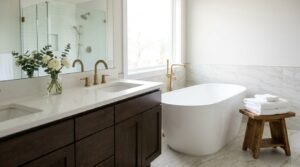
Among the selling points you control, bathroom renovation delivers the most reliable return while hitting a buyer priority directly. The right investment removes a major objection, signals overall quality, and builds the emotional response that lifts offers.
Sydney bathroom renovations run from around $15,000 for a straightforward update to $50,000 and beyond for a luxury rebuild, with the $25,000 to $35,000 band delivering the best value-to-return ratio on most properties. We scope to that band unless the layout or the waterproofing forces a bigger job.
Renovation Scope Decisions
Full renovation suits bathrooms with structural problems, failed waterproofing, or a layout that fights the room. These projects fix the cause and deliver the complete presentation change at the same time.
Cosmetic updates suit sound bathrooms that simply look old. Retiling, fixture replacement, and a new vanity refresh the room without demolition and rebuild costs.
We allocate budget to waterproofing first, tiling second, fixtures third. Saving money on the membrane creates a failure that costs multiples of the original saving.
Timing Bathroom Renovations for Sale
We finish renovations three to six months before listing. That window lets any minor issue surface and settle while the room still presents as new, and rushed jobs carry quality compromises experienced buyers spot immediately.
Market conditions shape the decision too. Strong seller’s markets absorb unrenovated stock, while softer markets, and the spring and early autumn listing windows Sydney agents favour, reward the property that eliminates objections and stands apart from the listings around it.
Professional advice calibrates scope against property value and buyer expectation. Over-capitalisation burns money the market refuses to return, and under-investment leaves value sitting on the table.
Conclusion
Successful sales combine the advantages you inherited with the improvements you chose. Location sets the ceiling, and everything from row three down in our ranking decides how close to that ceiling you land.
Bathroom and kitchen condition carry the heaviest influence among the factors you actually control. We direct clients to those rooms first, then to paint, flooring, and kerb appeal, because that order captures the most value per dollar spent.
At Sydney Home Renovation, we turn bathrooms into genuine selling points through transparent pricing, compliant workmanship, and project management that holds the timeline and the budget. Talk to our team about scope, cost, and timing, and we will tell you honestly whether the work earns its return on your property.
Frequently Asked Questions
What adds the most value to a house before selling?
Bathroom and kitchen renovations add the most value relative to cost. Fresh paint, updated flooring, and kerb appeal follow closely. We fix obvious defects first because they trigger buyer discounting.
How much does a bathroom renovation increase home value?
Quality bathroom renovations recover most of their cost at sale, and dated bathrooms in otherwise updated homes see the strongest gains. Returns depend on starting condition and suburb price ceiling.
Should I renovate before selling or sell as-is?
We renovate when improvements remove defects that reduce offers or eliminate buyers. We compare the likely uplift against cost and time. Strong markets absorb minor issues without major work.
What turns buyers off when looking at houses?
Dated bathrooms, deferred maintenance, poor natural light, and thin storage deter buyers consistently. Odours, clutter, and visible repair needs create negative impressions that follow through to the offer.
How important is the kitchen compared to bathrooms, and does a second bathroom add value?
Both influence decisions heavily, and bathrooms return more per dollar for less spend. A second bathroom lifts family homes into a deeper buyer pool and removes an automatic exclusion for households with teenagers.
What bathroom features do buyers want most, and how long before selling should I renovate?
Modern fixtures, quality tiling, real storage, and proper ventilation top the list, with neutral finishes suiting the widest audience. We finish bathroom renovations three to six months before listing so the room still presents as new.
What is over-capitalisation and how do I avoid it?
Over-capitalisation means spending beyond what your suburb’s price ceiling returns. We check comparable sales before scoping, then size the renovation to sit under that ceiling with room to spare.


