A bathtub-to-shower conversion in Australia typically costs between $2,500 and $20,000, depending on your bathroom layout, material choices, and whether plumbing needs relocating. Most Sydney homeowners spend $5,000 to $12,000 for a mid-range conversion with quality finishes.
Understanding these costs upfront prevents budget blowouts and helps you make smarter decisions about where to invest. Whether you’re renovating for accessibility, convenience, or resale value, knowing the real numbers puts you in control.
This guide breaks down labour rates, material costs, hidden expenses, and money-saving strategies specific to the Sydney market. We cover everything you need for a full wet area budget, whether this conversion is a standalone project or part of a larger bathroom overhaul. You’ll walk away with a clear budget framework for your bathtub-to-shower conversion.
How Much Does a Bathtub to Shower Conversion Cost in Australia?
The total cost of converting a bathtub to a shower varies significantly based on scope, materials, and location. Sydney labour and logistics costs typically push prices higher than in regional NSW.
Here’s what Australian homeowners can expect across three budget tiers.
Basic Conversion Cost Range ($2,500–$5,000)
A basic conversion involves removing the existing bathtub, installing a prefabricated shower base, adding a simple shower screen, and connecting to existing plumbing points. This budget works when your plumbing doesn’t need relocating, and you’re comfortable with standard acrylic bases and basic chrome tapware.
Tiling is typically limited to the immediate shower area with budget-friendly ceramic tiles.
What’s included at this price point:
- Bathtub removal and disposal
- Prefabricated shower base installation
- Basic framed shower screen
- Standard mixer tap and shower head
- Minimal tiling (shower recess only)
- Basic waterproofing
This option suits rental properties, secondary bathrooms, or tight budgets where function matters more than aesthetics.
Mid-Range Conversion Cost Range ($5,000–$10,000)
Most Sydney homeowners land in this bracket. A mid-range conversion includes custom tiling, a tiled shower base or quality acrylic base, frameless or semi-frameless shower screen, and upgraded tapware.
You’ll get better waterproofing with a certified membrane system, quality floor-to-ceiling tiles, and fixtures that look and feel premium without the luxury price tag.
What’s included at this price point:
- Complete bathtub removal and waste disposal
- Tiled shower base or quality formed base
- Semi-frameless or frameless shower screen
- Quality tapware (brands like Caroma, Methven)
- Floor-to-ceiling tiling in shower area
- Full waterproofing with compliance certificate
- Minor plumbing adjustments
This range delivers the best balance of durability, aesthetics, and value for owner-occupied homes.
Premium Conversion Cost Range ($10,000–$20,000+)
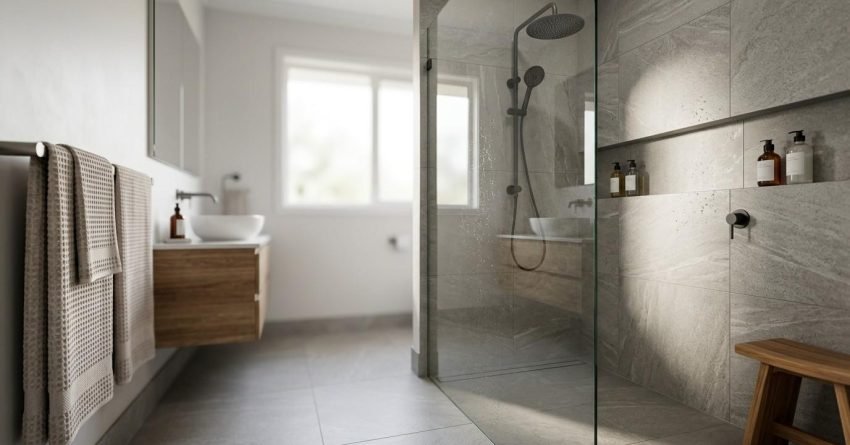
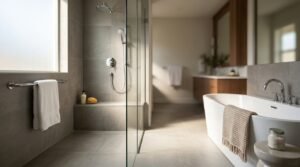
Premium conversions transform your bathroom into a high-end space. Expect custom frameless glass, designer tapware, large-format porcelain tiles, niche shelving, and potentially a complete bathroom refresh.
At this level, you might relocate plumbing for a better layout, install underfloor heating, add a rain shower head system, or incorporate accessibility features like grab rails and a built-in seat.
What’s included at this price point:
- Complete bathroom strip-out and preparation
- Custom shower design with layout changes
- Premium frameless glass (10mm+)
- Designer tapware (brands like Sussex, Brodware)
- Large-format tiles throughout
- Built-in niches and custom features
- Heated towel rails or underfloor heating
- Full compliance documentation
This investment makes sense for primary bathrooms in quality homes or when planning to sell in a competitive market.
What Factors Affect Bathtub to Shower Conversion Costs?
No two bathroom conversions cost the same. Understanding these variables helps you anticipate where your project sits on the cost spectrum.
Bathroom Size and Layout Complexity
Larger bathrooms don’t always cost more. The complexity of your existing layout matters more than square metres.
A straightforward rectangular space with easy access costs less than a bathroom with awkward angles, load-bearing walls, or limited entry points for tradies and materials. Corner bathtubs, spa baths, and built-in tubs require more demolition work, while freestanding tubs are typically easier and cheaper to remove.
Plumbing Modifications Required
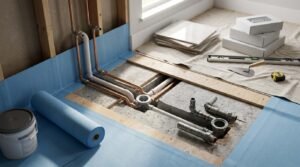
If your new shower can connect to existing drain and water points, you’ll save significantly. Moving plumbing, especially the drain, adds $500 to $2,000 to your project.
Older Sydney homes often have galvanised or copper pipes that plumbers recommend replacing during a renovation. This adds cost but prevents future problems. Relocating the shower to a different wall or changing from a single mixer to separate hot and cold taps also increases plumbing labour.
Waterproofing and Structural Work
Australian building standards require proper waterproofing in wet areas under AS 3740, the national standard governing wet area waterproofing. This isn’t optional. It’s a compliance requirement that protects your home from water damage.
A basic shower conversion needs a waterproofing membrane applied to floors and walls within the shower area. If your subfloor is damaged or the existing waterproofing has failed, remediation adds $800 to $2,500. Structural work becomes necessary when removing built-in bathtubs that share walls with other rooms or when floor joists need reinforcement.
Shower Type and Configuration
Your shower design significantly impacts cost. Walk-in showers (no door, open entry) require careful floor grading and often cost more due to larger waterproofed areas. Alcove showers (three walls, one screen) are the most cost-effective configuration for conversions.
Corner showers work well in smaller bathrooms but require custom screen configurations. Wet room style (fully tiled, no defined shower base) demands extensive waterproofing and premium drainage solutions.
Material and Fitting Selections
Materials account for 30–50% of your total conversion cost. The gap between budget and premium options is substantial.
| Item | Budget | Mid-Range | Premium |
| Shower screen | $400–$700 | $800–$1,500 | $1,800–$3,500 |
| Tiles (per sqm) | $25–$50 | $60–$120 | $150–$400+ |
| Tapware set | $150–$300 | $400–$800 | $1,000–$3,000 |
| Shower base | $200–$400 | $500–$900 | $1,200–$2,500 |
Choosing quality mid-range materials often delivers the best long-term value. Budget fittings may need replacing sooner, while premium options don’t always justify the price difference in durability.
Labour Costs for Bathtub to Shower Conversions in Sydney
Labour typically represents 40–60% of your total project cost. Sydney tradies charge premium rates, but you’re paying for licensed professionals who deliver compliant work.
Plumber Rates and Scope of Work
Licensed plumbers in Sydney charge $80–$120 per hour, consistent with rates published by the Master Plumbers Association. A straightforward bathtub to shower conversion requires 4–8 hours of plumbing work.
Your plumber handles:
- Disconnecting and capping existing bathtub plumbing
- Installing new shower drain and waste connection
- Fitting mixer taps or shower valves
- Connecting water supply lines
- Testing for leaks and compliance
Expect to pay $400–$1,000 for plumbing on a basic conversion, or $1,200–$2,500 if pipes need relocating or replacing.
Tiler Rates and Tiling Requirements
Professional tilers charge $50–$80 per square metre for standard wall tiles in Sydney, in line with benchmarks from the Housing Industry Association. Floor tiles, large-format tiles, and intricate patterns cost more.
A typical shower conversion requires tiling 6–12 square metres depending on your design. Labour for tiling usually runs $600–$1,500.
Waterproofing is often done by the tiler or a specialist waterproofer. Some tilers include waterproofing in their quote, while others charge separately.
Waterproofer and Certification Costs
NSW requires wet area waterproofing to meet Australian Standard AS 3740. You need a waterproofing certificate for compliance.
Licensed waterproofers charge $50–$70 per square metre. A shower area typically costs $400–$800 for membrane application and certification.
This certificate matters for insurance claims, future sales, and building compliance. We never recommend skipping proper waterproofing to save money. Water damage repairs cost far more.
Electrician and Additional Trade Costs
Electrical work may be needed for relocating light switches or power points, installing exhaust fan upgrades, adding heated towel rails, or fitting underfloor heating.
Sydney electricians charge $80–$130 per hour, consistent with rates from NECA. Budget $200–$600 for minor electrical modifications during your conversion.
If your bathroom has old wiring, an electrician may recommend upgrading to current safety standards while walls are accessible.
Material Costs Breakdown for Shower Conversions
Understanding material costs helps you allocate your budget effectively. Here’s what each component typically costs in the Sydney market.
Shower Base and Drain Costs
Prefabricated acrylic bases: $200–$600. These are affordable, quick to install, and available in standard sizes. Quality varies significantly; cheaper bases may flex or discolour over time.
Tiled shower bases: $400–$1,200 (materials) + labour. A tiled base with proper fall to drain looks seamless and allows custom sizing. Requires a shower grate or tile insert drain.
Formed shower bases (solid surface): $600–$1,500. Premium option that combines the durability of tile with easier maintenance. Brands like Marbletrend offer quality Australian-made options.
Shower drains: $80–$400. Basic chrome grates start around $80. Linear strip drains and tile-insert drains cost $200–$400 but create a cleaner look.
Shower Screen and Enclosure Costs
Shower screens vary dramatically in price based on glass type, thickness, and framing.
Framed screens: $400–$800. Budget-friendly with aluminium frames. Functional but dated-looking, and frames can harbour mould if not cleaned regularly.
Semi-frameless screens: $700–$1,400. Minimal framing with thicker glass panels. Popular choice balancing aesthetics and cost.
Frameless screens: $1,200–$3,500. Premium 10mm tempered glass with minimal hardware. Creates an open, modern look, but requires precise installation.
Custom configurations: $2,000–$5,000+ Angled walls, curved glass, or oversized panels require custom manufacturing.
Tiles and Waterproofing Membrane Costs
Ceramic tiles: $25–$60 per sqm. Affordable and available in countless designs. Suitable for walls; less durable for floors.
Porcelain tiles: $50–$150 per sqm. Denser and more water-resistant than ceramic. Better for shower floors and high-traffic areas.
Natural stone tiles: $100–$400+ per sqm. Marble, travertine, and slate create luxury looks but require sealing and careful maintenance.
Large-format tiles (600x600mm+): $80–$200 per sq. Fewer grout lines mean easier cleaning and a more contemporary aesthetic, though they require skilled installation.
Waterproofing membrane: $30–$50 per sqm (materials). Quality membranes from brands like Ardex, Davco, or Gripset are essential. We don’t compromise here.
Tapware and Fixture Costs
Budget tapware sets: $150–$350. Basic chrome mixers from hardware stores. Functional but may lack durability and warranty support.
Mid-range tapware: $400–$900. Quality Australian brands like Caroma, Methven, and Phoenix offer excellent warranties and reliable performance.
Premium tapware: $1,000–$3,500. Designer brands like Sussex Taps, Brodware, and imported European options. Statement pieces with superior finishes.
Shower heads: $50–$500. Basic handheld heads start around $50. Rain shower heads, dual systems, and premium brands cost $200–$500.
Hidden Costs and Budget Surprises to Plan For
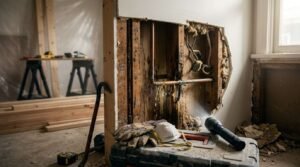
Every experienced renovator knows to budget 10–15% above quoted prices for unexpected issues. Here’s what commonly catches homeowners off guard.
Asbestos Testing and Removal
Homes built before 1990 may contain asbestos in wall linings, floor tiles, or adhesives. Disturbing asbestos without proper handling is illegal and dangerous.
Testing costs $50–$150 per sample. Removal costs $500–$3,000+ depending on extent.
If your bathroom has fibro walls or old vinyl flooring, get testing done before demolition begins. Licensed asbestos removalists must handle any confirmed materials.
Unexpected Plumbing or Structural Issues
Opening up walls and floors often reveals problems invisible during quoting:
- Corroded pipes requiring replacement: $300–$1,500
- Water damage to subfloor: $500–$2,000
- Failed previous waterproofing: $800–$2,500 to remediate
- Termite damage: variable, potentially significant
- Non-compliant previous work: rectification costs vary
A good contractor will alert you immediately when issues arise and provide options before proceeding.
Council Approvals and Compliance Certificates
Most straightforward bathtub to shower conversions don’t require council approval in NSW. They’re classified as exempt development under the NSW planning framework.
However, you may need approval if you’re changing the bathroom footprint, the work affects structural elements, your property has a heritage overlay, or you’re in a strata building requiring body corporate approval.
Strata approval: Often free but time-consuming. Council DA (if required): $200–$1,000+; Compliance certificates: $150–$400
Always check requirements before starting. Unapproved work creates problems when selling.
Waste Removal and Site Cleanup
Bathtub removal generates significant waste. Cast iron tubs are particularly heavy and expensive to dispose of.
Skip bin hire: $300–$600 for a 4–6 cubic metre bin. Tip fees: $150–$300 for mixed construction waste. Asbestos disposal: $500–$1,500 (specialist disposal required)
Some contractors include waste removal in their quotes, while others charge separately. We recommend clarifying this upfront.
DIY vs Professional Bathtub to Shower Conversion
The appeal of DIY savings is understandable, but bathroom renovations have strict legal requirements in Australia.
What You Can Legally Do Yourself
In NSW, unlicensed homeowners can legally perform demolition (excluding asbestos), painting, installing accessories like towel rails and toilet roll holders, and cosmetic work that doesn’t affect waterproofing or plumbing.
You cannot legally do your own plumbing, electrical work, or waterproofing certification, even in your own home.
Licensed Work Requirements in NSW
The following work requires licensed tradespeople:
Plumbing (must be licensed):
- All water supply connections
- Drainage and waste connections
- Gas fitting (if applicable)
Electrical (must be licensed):
- Any electrical modifications
- New circuits or outlets
- Exhaust fan installation
Waterproofing (certification required):
- Membrane application in wet areas
- Compliance certificate issuance
Unlicensed work voids insurance, creates compliance issues, and can result in fines of up to $22,000 for individuals in NSW. Beyond the fine itself, unlicensed work can invalidate your home insurance policy entirely if water damage or structural issues arise later.
Cost Comparison: DIY vs Hiring a Contractor
| Component | DIY Cost | Professional Cost |
| Demolition | $0 (your time) | $300–$600 |
| Plumbing | Must hire licensed | $400–$2,500 |
| Waterproofing | Must hire licensed | $400–$800 |
| Tiling | $400–$800 (materials) | $1,000–$2,500 |
| Screen installation | $500–$1,500 | $800–$2,000 |
| Total | $1,300–$2,800 + licensed work | $2,900–$8,400 |
The DIY savings are modest when you factor in mandatory licensed work. Poor DIY tiling or preparation often costs more to fix than professional installation would have cost initially.
Financing Your Bathtub to Shower Conversion
Not every homeowner pays for a conversion upfront, and several financing paths can spread the cost without derailing your budget.
Personal loans and dedicated renovation loans are the most common routes, typically offering fixed repayments over 1–5 years. Some contractors also offer staged payment plans tied to project milestones, such as deposit, mid-project, and completion payments.
If you’re bundling the conversion into a larger bathroom renovation, a home equity loan or line of credit against your property may offer lower interest rates than an unsecured personal loan. We always recommend comparing total interest paid, not just monthly repayments, before committing to any financing option.
How to Save Money on Your Bathtub to Shower Conversion
Smart planning reduces costs without compromising quality. Here’s how experienced renovators stretch their budgets.
Choose Cost-Effective Materials Without Sacrificing Quality
The biggest savings come from strategic material selection.
Tiles: Mid-range porcelain tiles ($60–$100/sqm) perform as well as premium options for most applications. Save designer tiles for feature walls only.
Tapware: Australian brands like Caroma and Methven offer excellent quality at mid-range prices. Their warranties often match or exceed premium imports.
Shower screens: Semi-frameless screens deliver most of the frameless aesthetic at 40–50% lower cost.
Shower base: A quality acrylic base with proper installation lasts decades and costs half as much as tiled alternatives.
Bundle Your Bathroom Renovation Work
Contractors offer better rates for larger scopes. Replacing the vanity, updating the toilet, refreshing all tapware, and repainting walls and ceiling at the same time as your shower conversion means tradies are already on-site, so additional work adds less proportionally.
A complete bathroom refresh often costs only 30–40% more than a shower conversion alone.
Get Multiple Quotes and Compare Inclusions
Always obtain 3–5 detailed quotes for your project. Compare what’s included (waste removal, waterproofing certificate, etc.), material specifications and brands, timeline and payment terms, warranty coverage, and insurance and licensing.
The cheapest quote isn’t always best value. Vague quotes often lead to expensive variations mid-project.
Time Your Renovation Strategically
Renovation demand fluctuates seasonally. Contractors are typically busiest in spring and early summer.
Best times to book:
- Late autumn (May–June)
- Winter (July–August)
- Post-Christmas (January–February)
You may secure better rates and faster scheduling during slower periods. We recommend avoiding major bookings just before selling or during peak holiday seasons.
Is a Bathtub-to-Shower Conversion Worth It?
Beyond cost, consider whether a conversion makes sense for your situation and goals.
Property Value and Resale Considerations
The impact on property value depends on your home’s configuration.
Positive impact:
- Converting a second bathtub in a home with multiple bathrooms
- Adding accessibility features in areas with ageing populations
- Modernising dated bathrooms in older homes
Potentially negative impact:
- Removing the only bathtub in a family home
- Conversions in suburbs where families with young children dominate
CoreLogic research suggests homes with at least one bathtub sell faster to families. If your home has only one bathroom, consider keeping the tub or ensuring the conversion appeals to your target buyer.
Accessibility and Ageing-in-Place Benefits
Walk-in showers eliminate the fall risk associated with stepping over bathtub edges. For homeowners planning to age in place with accessible bathroom design, this conversion is often essential.
Accessibility features to consider:
- Zero-threshold entry (no step or lip)
- Built-in shower seat
- Grab rails (can be stylish, not institutional)
- Handheld shower head on adjustable rail
- Non-slip flooring
These additions cost $500–$2,000 extra but significantly improve safety and independence.
Daily Convenience and Water Efficiency
Showers use less water than baths, typically 50–80 litres versus 150–200 litres for a full bath, according to Sydney Water household usage data. With Sydney water prices, this adds up over a year.
Daily convenience factors include faster morning routines, easier cleaning with no scrubbing of bathtub surfaces, better ventilation and drying, and more usable floor space in smaller bathrooms.
For households where no one actually uses the bathtub, conversion eliminates wasted space and maintenance.
Conclusion
A bathtub-to-shower conversion in Australia costs between $2,500 and $20,000, with most Sydney homeowners investing $5,000 to $12,000 for quality mid-range results. Your final cost depends on plumbing complexity, material choices, and whether hidden issues emerge during demolition.
Planning your budget accurately means understanding labour rates, material options, and the compliance requirements that protect your investment. Getting multiple detailed quotes, choosing quality mid-range materials, and working with licensed professionals prevents the cost blowouts that derail renovation projects.
We help Sydney homeowners navigate bathroom renovations with transparent pricing and practical expertise. Contact Sydney Home Renovation for a detailed quote on your bathtub-to-shower conversion, and we’ll walk you through every cost so you can renovate with confidence.
Frequently Asked Questions
How long does a bathtub-to-shower conversion take?
A straightforward conversion takes 3–5 days for a professional team. This includes demolition, plumbing, waterproofing with curing time, tiling, and screen installation. Complex projects may extend to 7–10 days.
Do I need council approval for a bathtub-to-shower conversion in Sydney?
Most bathtub-to-shower conversions are exempt development in NSW and don’t require council approval. However, you need approval if you’re changing the footprint, affecting structural elements, or in a heritage-listed property.
Can I convert a bathtub to a walk-in shower in a small bathroom?
Yes, and it often improves the space. Removing a bulky bathtub creates room for a more functional shower. A skilled designer can maximise your layout with corner configurations and smart storage solutions.
What is the cheapest way to convert a bathtub to a shower?
The most affordable approach uses a prefabricated acrylic shower base, a framed shower screen, and connects to existing plumbing without relocation. Budget $2,500–$4,000 for this basic conversion.
Does removing a bathtub decrease home value in Australia?
It depends on your home’s configuration. Removing the only bathtub in a family home may deter buyers with young children. Converting a second bathtub typically adds value instead.
Do I need a waterproofing certificate for a shower conversion?
Yes. NSW building regulations require wet area waterproofing to meet Australian Standard AS 3740. A licensed waterproofer must apply the membrane and issue a compliance certificate.
Should I keep one bathtub in my house?
Generally, yes, especially in family homes. At least one bathtub appeals to buyers with young children and maintains broader market appeal. Converting one while keeping another is ideal.