
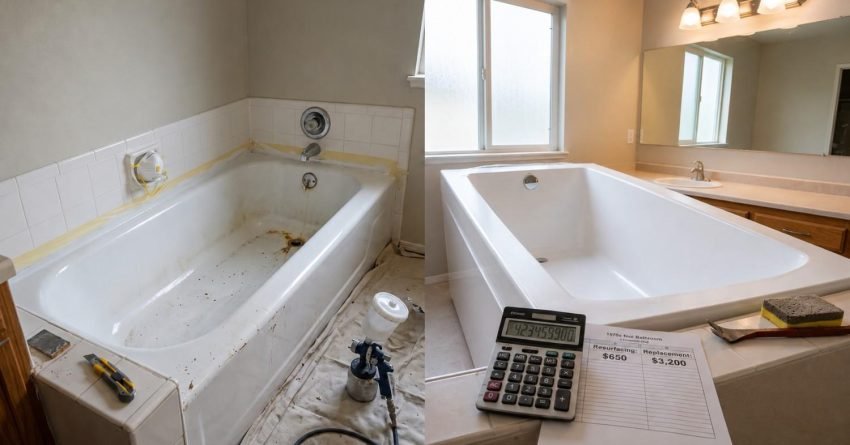
Bathtub resurfacing in Sydney typically costs $300 to $700, while a full replacement runs $2,500 to $8,000 or more depending on the bath type, labour, and site conditions. That gap is significant, and it shapes every budget conversation I have with homeowners and investors before a bathroom renovation begins. Knowing which option suits your situation saves you from either overspending on a replacement you did not need or underspending on a resurface that will not last.
Choosing wrong costs money twice: once for the job, once for the fix. The decision comes down to your bath’s condition, your budget, and how long you plan to hold the property.
This guide breaks down real Sydney costs for both options, exposes the hidden expenses most quotes leave out, and gives you a clear framework for making the right call.
What Is Bathtub Resurfacing and What Does It Cost?
Bathtub resurfacing, also called reglazing or refinishing, is a surface restoration process. A tradesperson cleans the existing bath, repairs minor chips and cracks, applies a bonding primer, and sprays on a new topcoat. The bath stays in place. No demolition, no plumbing disconnection, no tiling.
It is a practical solution for baths that are structurally sound but visually worn. Stained enamel, faded acrylic, and surface scratches all respond well to resurfacing. Structural cracks, delamination, or a bath that flexes underfoot do not.
Average Resurfacing Cost in Sydney
In Sydney, bathtub resurfacing costs between $300 and $700 for a standard alcove or freestanding bath. Most jobs land around $450 to $550 when the surface is in reasonable condition and requires minimal prep work.
Larger baths, heavily stained surfaces, or baths with multiple chips that need filling before coating push the price toward the upper end. A freestanding bath with a curved exterior adds time and material, so expect to pay closer to $600 to $700 for those.
What the Resurfacing Price Includes
A standard resurfacing quote covers surface cleaning and degreasing, minor chip and crack filling, a bonding primer coat, and two to three layers of spray topcoat. Most Sydney tradespeople include a basic warranty of one to three years on the coating.
Cure time is typically 24 to 48 hours before the bath can be used. That is the full scope of a standard job. Anything beyond minor surface repairs deep cracks, delamination, or structural damage moves outside the standard price and into additional prep fees.
What Does Full Bathtub Replacement Cost in Sydney?
Full replacement means removing the existing bath entirely, disconnecting plumbing, supplying and installing a new unit, and making good the surrounding tiles and waterproofing. It is a multi-trade job. A plumber, a tiler, and sometimes a waterproofer are all involved.
The total cost depends on the bath type you choose, the condition of the existing substrate, and how much tile and waterproofing work the removal exposes. Budget ranges vary widely because the variables are real.
Supply Costs: Freestanding, Alcove, and Drop-In Baths
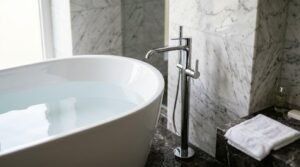
Bath supply costs in Sydney range from $400 for a basic alcove unit to $3,000 or more for a quality freestanding bath. Mid-range freestanding baths from established suppliers sit between $800 and $1,800. Drop-in baths typically fall between $600 and $1,500 depending on size and material.
Acrylic baths are the most affordable and the most common in Sydney renovations. Cast iron and stone resin baths cost significantly more upfront but carry longer lifespans and a premium finish that suits higher-end properties.
Labour and Installation Costs for Replacement
Labour is where replacement costs climb fast. A licensed plumber charges $90 to $150 per hour in Sydney, and a bath replacement typically requires three to five hours of plumbing work for disconnection, repositioning if needed, and reconnection. That puts plumbing labour alone at $270 to $750.
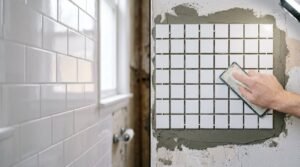
Tiling around the new bath adds another $600 to $1,500 depending on tile selection and the area to be covered. Waterproofing, which is mandatory under Australian standards, adds $300 to $600 for a standard bath recess. Removal and disposal of the old bath adds a further $150 to $300.
Resurfacing vs Replacement: Direct Cost Comparison
The cost difference between resurfacing and replacement is not marginal. It is the difference between a one-trade, one-day job and a multi-trade, multi-day project with compounding variables. Understanding that gap clearly is what lets you make a financially sound decision.
Cost Comparison Table
| Cost Item | Resurfacing | Full Replacement |
| Surface/Bath Supply | Included in labour | $400 – $3,000+ |
| Labour (primary trade) | $300 – $700 | $270 – $750 (plumber) |
| Tiling | Not required | $600 – $1,500 |
| Waterproofing | Not required | $300 – $600 |
| Removal and Disposal | Not required | $150 – $300 |
| Typical Total | $300 – $700 | $2,500 – $8,000+ |
Resurfacing costs roughly one-fifth to one-tenth of a full replacement. For a bath in sound structural condition, that saving is real and immediate.
Hidden Costs That Shift the Budget Either Way
Every renovation budget has a gap between the quote and the final invoice. Bathtub work is no different. The hidden costs on both sides of this decision are predictable once you know where to look.
Hidden Costs in Resurfacing Jobs
The most common hidden cost in resurfacing is additional prep work. If the bath surface has deep chips, hairline cracks, or areas of delamination that were not visible in the initial inspection, the tradesperson charges extra to fill and stabilise those areas before coating. This adds $50 to $200 to the job in most cases.
Poor ventilation in older Sydney bathrooms can also affect cure quality, requiring a second visit or additional coats. And if the existing surface has been previously reglazed with a low-quality product, stripping that layer back before recoating adds time and cost.
Hidden Costs in Full Replacement Projects
Replacement projects carry more exposure to hidden costs because demolition reveals what was hidden behind the old bath. Waterproofing failures are common in Sydney homes built before 2000, and rectifying them is not optional; it is a building code requirement. Fixing a failed waterproofing membrane adds $500 to $1,500 to the project depending on the extent of damage.
Tile matching is another real cost. Removing an alcove bath almost always damages surrounding tiles, and matching discontinued tile ranges in Sydney is difficult and expensive. Replacing the entire tiled area rather than patching adds $800 to $2,000 to the budget. Structural repairs to a rotted or water-damaged substrate behind the bath can add a further $500 to $3,000 in serious cases.
Which Option Delivers Better Long-Term Value?
Cost at the point of purchase is only part of the equation. The smarter question is what each option costs you over the life of the renovation and what it returns when you sell or rent the property.
Lifespan and Durability Compared
A professionally applied resurfacing job in Sydney lasts five to ten years with proper care. That means no harsh abrasive cleaners, no suction bath mats left in place, and prompt attention to any chips before moisture gets underneath the coating. Resurfacing done well holds up. Resurfacing done cheaply or on a structurally compromised surface fails within two to three years.
A new bath acrylic, cast iron, or stone resin carries a lifespan of 20 to 30 years or more. The substrate is new, the finish is factory-applied, and there is no coating to chip or peel. For a property you plan to hold long-term, replacement delivers a longer maintenance-free window.
Return on Investment for Homeowners and Investors
For owner-occupiers planning to sell within five years, resurfacing a tired bath delivers a strong return. A $500 resurface that makes a bathroom look fresh and clean adds perceived value well beyond its cost at inspection time. Buyers notice a clean, bright bathroom. They also notice a stained, yellowed one.
For investors managing rental property bathroom upgrades, resurfacing is often the smarter play. It restores presentation between tenancies at a fraction of replacement cost, keeps the property competitive in the rental market, and preserves capital for higher-priority upgrades elsewhere in the property.
Full replacement makes the strongest financial case for properties undergoing a complete bathroom renovation where the bath is being repositioned, the layout is changing, or the existing unit is beyond surface repair. In those scenarios, replacement is not a luxury; it is the only option that produces a durable, code-compliant result.
When to Choose Resurfacing and When to Replace
The decision is not about preference. It is about the condition of the existing bath, the scope of the surrounding renovation, and the financial outcome you are working toward.
Choose resurfacing when:
- The bath is structurally sound with no cracks, flex, or delamination
- The renovation budget is under $2,000 for the bathroom
- The property is a rental and presentation is the primary goal
- The timeline is tight; resurfacing is a one-day job
- The surrounding tiles and plumbing are in good condition
Choose replacement when:
- The bath has structural cracks, significant delamination, or flexes underfoot
- The bathroom layout is changing, and plumbing is being relocated
- The surrounding tiles are already being fully replaced
- The property is being renovated for sale, and a premium finish is the goal
- The bath has already been resurfaced once, and the coating is failing
A bath that has been resurfaced twice is not a candidate for a third coat. At that point, replacement is the only path to a result that lasts. I see this regularly on Sydney properties where previous owners chose the cheapest fix repeatedly, and the current owner inherits the compounding cost.
Conclusion
Bathtub resurfacing and full replacement both have a place in a well-planned bathroom renovation budget. Resurfacing wins on cost and speed when the bath is structurally sound. Replacement wins on longevity and finish quality when the bath is beyond surface repair, or the renovation scope demands it.
The hidden costs on both sides are real and predictable. Factor them in before you commit to either option, and your final invoice will not surprise you.
At Sydney Home Renovation, we help homeowners and investors make this call with clear, honest cost guidance from the start. Reach out to us for a transparent assessment of your bathtub and a renovation plan that fits your budget and your goals.
Frequently Asked Questions
How long does bathtub resurfacing last?
A professionally applied resurface lasts five to ten years with proper care. Avoiding abrasive cleaners and addressing chips early extends the coating’s life significantly.
Is bathtub resurfacing worth it in Sydney?
Yes, for baths in sound structural condition. A $300 to $700 resurface restores presentation and function at a fraction of replacement cost, making it a strong value decision for most Sydney homeowners.
What is the cheapest way to update a bathtub?
Resurfacing is the most cost-effective update for a structurally sound bath. It costs $300 to $700 in Sydney and delivers a fresh, clean finish in a single day without any demolition or plumbing work.
How much does it cost to replace a bathtub in Sydney?
Full bathtub replacement in Sydney typically costs $2,500 to $8,000 or more. The range depends on the bath type, labour trades required, tiling, waterproofing, and any hidden substrate or plumbing issues uncovered during removal.
Can you resurface a badly damaged bathtub?
No. Resurfacing works on surface-level wear stains, fading, and minor chips. A bath with structural cracks, delamination, or significant flex underfoot needs replacement. Coating over structural damage produces a result that fails quickly.
Does bathtub resurfacing add value to a property?
Yes, in a practical sense. A clean, bright bathroom improves buyer and tenant perception at inspection. A $500 resurface that removes staining and yellowing delivers a return well above its cost in both rental and resale scenarios.
How long does bathtub replacement take compared to resurfacing?
Resurfacing takes one day, with a 24 to 48-hour cure period before use. Full replacement takes two to five days depending on tiling, waterproofing, and plumbing scope. For tight timelines, resurfacing is the clear choice.


