
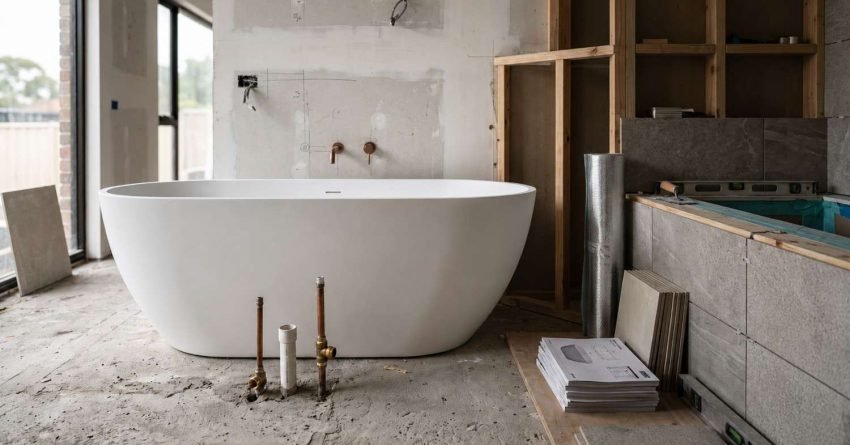
There are five main bathtub types used in Australian bathroom renovations: freestanding, alcove, drop-in, corner, and walk-in, and the one you choose shapes your entire renovation budget, layout, and long-term satisfaction. I’ve worked through enough Sydney bathroom renovations to know that the bathtub decision is where most homeowners either get it right or spend the next decade regretting it.
Choosing the wrong bath doesn’t just affect how the room looks. It affects your plumbing layout, your tiling costs, your waterproofing requirements, and your resale value.
In this guide, I cover every bathtub type, material, size consideration, real Sydney pricing, installation expectations, and the decision framework I use to help homeowners, investors, and first-time renovators choose the right bath for their goals.
What Are the Main Bathtub Types Available for a Renovation?
The bathtub market has expanded significantly over the past decade. What used to be a straightforward choice between a standard alcove bath and a corner spa is now a genuine decision with real trade-offs across five distinct categories.
Each type suits a different bathroom layout, budget, and lifestyle. Understanding the differences before you commit saves you from costly mid-renovation changes.
Freestanding Bathtubs
A freestanding bathtub sits independently on the floor with no surrounding walls or built-in structure. It’s the most visually striking option and the one I see homeowners fall in love with in showrooms, sometimes before they’ve measured their bathroom.
Freestanding baths require floor-mounted tapware or a wall-mounted tap positioned precisely to reach the bath. That plumbing placement needs to be locked in before tiling begins, which adds coordination complexity to the renovation.
They work best in larger bathrooms where the bath can be positioned away from walls and viewed from multiple angles. In a tight space, a freestanding bath can feel cramped and make cleaning behind it genuinely difficult.
Alcove Bathtubs
An alcove bath fits into a three-wall recess and is the most common bathtub configuration in Australian homes. It’s practical, space-efficient, and the most cost-effective option to install because the surrounding walls handle the structural support and tiling surround.
Most alcove baths include an integrated tiling flange, which simplifies the waterproofing and tiling process. This is the bath type I recommend most often for family bathrooms and investment properties because it delivers solid function at a controlled cost.
The design options have improved considerably. Modern alcove baths come in a range of profiles, depths, and finishes that look far more considered than the builder-grade versions of ten years ago.
Drop-In Bathtubs
A drop-in bath is set into a built platform or deck, with the rim sitting flush with or slightly above the surrounding surface. The platform itself becomes a design feature, typically tiled to match the floor or walls.
This configuration gives you a lot of creative flexibility. The platform can incorporate storage, candles, or a tiled ledge that doubles as a seat.
The trade-off is cost. Building a tiled platform adds labour and materials on top of the bath itself. It also creates more grout lines and silicone joints that need ongoing maintenance.
Corner Bathtubs
Corner baths fit diagonally or at a right angle into a bathroom corner. They were popular in the 1990s and early 2000s and are still a practical choice for bathrooms where the corner space is otherwise wasted.
Modern corner baths are more streamlined than their predecessors. Some incorporate spa jets, making them a dual-purpose option for homeowners who want a spa function without a dedicated spa room.
The footprint of a corner bath is larger than it looks on paper. Always check the diagonal measurement against your actual floor plan before ordering.
Walk-In Bathtubs
A walk-in bath has a door built into the side of the tub, allowing the user to step in without climbing over a high rim. They’re designed primarily for accessibility for older Australians, people with mobility limitations, or homeowners planning to age in place.
The door seals watertight once closed, and the bath fills and drains with the user already seated inside. That means waiting for the water to drain before exiting, which takes some adjustment.
Walk-in baths are a growing category in Sydney renovations as the population ages and more homeowners plan for long-term liveability rather than just immediate aesthetics.
How Do Bathtub Materials Compare for Renovation Projects?
The material your bathtub is made from determines its weight, heat retention, durability, surface finish, and long-term maintenance requirements. It also has a significant impact on cost, both the purchase price and the installation complexity.
I’ve installed all five of the main materials in Sydney renovations. Each has a genuine use case, and none is universally the best choice.
Acrylic
Acrylic is the most widely used bathtub material in Australian renovations. It’s lightweight, available in a huge range of shapes and sizes, and relatively affordable. Most entry-to-mid-range freestanding and alcove baths are acrylic.
The surface is warm to the touch and retains heat reasonably well. It’s also repairable; surface scratches and minor chips can be professionally resurfaced rather than requiring full replacement.
The main limitation is durability under heavy use. Acrylic can flex slightly underfoot, and the surface is susceptible to scratching from abrasive cleaners. With proper care, a quality acrylic bath lasts 15 to 20 years comfortably.
Fibreglass
Fibreglass baths are lighter than acrylic and typically sit at the lower end of the price range. They’re manufactured using layers of fibreglass matting coated with a gel finish, which gives them a smooth surface similar to acrylic.
The gel coat finish is the weak point. It fades and dulls faster than acrylic, and once the surface is compromised, it’s harder to restore. I generally recommend acrylic over fibreglass for any renovation where longevity matters.
Fibreglass makes sense in a short-term rental property or a renovation where budget is the primary constraint and the bath will be replaced again within ten years.
Cast Iron
Cast iron baths are the premium end of the traditional market. They’re heavy; a standard cast iron alcove bath can weigh over 100 kilograms before water, and that weight requires structural consideration during installation.
The payoff is exceptional durability and heat retention. A cast iron bath holds water temperature far longer than acrylic or fibreglass, and the enamel surface is extremely resistant to scratching and staining. Many cast iron baths last 50 years or more with basic maintenance.
In Sydney renovations, cast iron baths are most common in heritage homes and high-end renovations where the investment is justified by the property value and the owner’s long-term plans.
Stone Resin
Stone resin baths are made from a composite of crushed natural stone and resin, typically presented in a matte finish. They’re the dominant material in the premium freestanding bath market and the one I see most often in architectural and design-led renovations.
The surface is non-porous, warm to the touch, and visually distinctive. Stone resin holds heat better than acrylic, though not quite at cast iron levels. The matte finish hides water marks and minor surface wear better than a gloss surface.
The cost is high. Quality stone resin baths start around $2,000 and can exceed $8,000 for designer pieces. That’s before installation.
Pressed Steel
Pressed steel baths are manufactured from steel sheet coated with a vitreous enamel finish. They sit between cast iron and acrylic in terms of weight and durability: heavier than acrylic but far lighter than cast iron.
The enamel surface is hard, smooth, and resistant to staining. It’s also cold to the touch initially, which some people find uncomfortable. Heat retention is moderately better than acrylic but not as good as cast iron.
Pressed steel is a solid mid-range choice for alcove installations where durability matters but the budget doesn’t stretch to cast iron.
Which Bathtub Size and Shape Works Best for Your Bathroom?
Getting the size wrong is one of the most common and most expensive bathtub mistakes I see in renovations. A bath that’s too large dominates the room and makes the space feel cramped. A bath that’s too small looks out of proportion and fails to deliver the experience the homeowner was after.
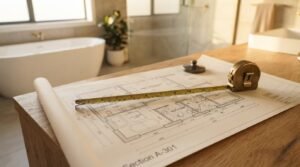
Size decisions need to happen at the planning stage before waterproofing, before tiling, and ideally before the plumbing rough-in.
Standard Dimensions and Space Planning
The standard Australian bathtub is 1,500mm long and 750mm wide, with a height of around 450–500mm. This fits comfortably in most standard bathroom alcoves and suits the majority of adults.
A 1,700mm bath is the next step up and is the most popular upgrade in mid-range renovations. It provides noticeably more room to stretch out without requiring a significant increase in floor space.
Beyond the bath itself, you need to allow for clearance. A minimum of 600mm of clear floor space alongside the bath is the practical standard for comfortable use and cleaning access.
Small Bathroom Bathtub Options
A small bathroom doesn’t automatically mean no bathtub. Compact baths start at 1,200mm and are designed specifically for tight floor plans. Japanese-style soaker baths are shorter but deeper, delivering a genuine soak in a smaller footprint.
The key in a small bathroom is to choose a bath that fits the space proportionally rather than forcing a standard-size bath into a space that can’t accommodate it. A 1,200mm bath that fits well looks far better than a 1,500mm bath that leaves no room to move.
I always recommend a physical floor plan mockup, even just tape on the floor, before committing to a bath size in a small bathroom.
Large Format and Soaker Tub Sizing
Large format baths 1,800mm and above are the territory of master ensuite renovations and high-end projects. A double-ended soaker bath at 1,800mm is a genuine statement piece and requires a bathroom floor plan that can accommodate it without the room feeling overwhelmed.
Deep soaker baths prioritise water depth over length. They’re typically 500–600mm deep, compared to the standard 400–450mm, and deliver a more immersive bathing experience. The trade-off is that a deep soaker uses significantly more hot water per fill.
For investment properties, large format baths are rarely the right call. For an owner-occupier master ensuite, they can be the centrepiece of the entire renovation.
What Does a Bathtub Cost in a Sydney Bathroom Renovation?
Cost is where the bathtub decision gets real. The supply price of the bath is only one part of the equation. Installation labour, plumbing adjustments, waterproofing, and finishing work all add to the total.
I give clients a full cost picture from the start because surprises mid-renovation are the fastest way to blow a budget.
Bathtub Supply Costs by Type
| Bathtub Type | Entry Level | Mid-Range | Premium |
| Alcove (Acrylic) | $300–$600 | $600–$1,200 | $1,200–$2,500 |
| Freestanding (Acrylic) | $800–$1,500 | $1,500–$3,500 | $3,500–$7,000+ |
| Freestanding (Stone Resin) | $2,000–$3,500 | $3,500–$6,000 | $6,000–$12,000+ |
| Drop-In | $700–$1,500 | $1,500–$3,000 | $3,000–$6,000+ |
| Cast Iron | $1,500–$3,000 | $3,000–$6,000 | $6,000–$15,000+ |
| Walk-In | $2,500–$4,000 | $4,000–$7,000 | $7,000–$12,000+ |
| Corner | $800–$1,500 | $1,500–$3,000 | $3,000–$6,000+ |
These are supply-only figures. They don’t include installation, tapware, waste fittings, or any associated building work.
Installation Labour Costs in Sydney
Bathtub installation in Sydney involves at minimum a licensed plumber and, in most cases, a tiler. For a straightforward alcove bath replacement, expect to pay $800–$1,500 in combined labour.
A freestanding bath installation is more complex. Floor-mounted tapware requires precise plumbing rough-in, and the floor waste position needs to be confirmed before tiling. Labour for a freestanding installation typically runs $1,200–$2,500 depending on the complexity of the plumbing changes required.
Drop-in baths with a tiled platform add a carpentry and tiling component. Budget an additional $1,500–$3,000 for the platform construction and tiling on top of the plumbing labour.
Hidden Costs and Budget Allowances
The costs that catch renovators off guard are rarely the bath itself. Waterproofing membranes, substrate repairs, waste pipe relocation, and disposal of the old bath all add to the final figure.
Waterproofing to AS 3740 compliance is non-negotiable in any wet area renovation in NSW. Budget $400–$800 for waterproofing labour and materials around the bath zone, depending on the area covered.
If the existing substrate the wall or floor behind the old bath is damaged or water-affected, repairs add $500–$2,000 before any new work begins. I always allow a 10–15% contingency on the total bath installation budget for exactly this reason.
Freestanding vs Built-In Bathtubs: Which One Is Right for You?
This is the question I get asked most often in the planning stage of a bathroom renovation. And the honest answer is that it depends entirely on your bathroom size, your budget, and what you actually want from the space.
Both options have genuine strengths. Neither is universally better.
Aesthetic and Design Considerations
A freestanding bath is a design statement. It draws the eye, creates a focal point, and signals a deliberate, considered renovation. In the right space, it’s genuinely beautiful.
A built-in bath alcove or drop-in integrates into the room. It’s part of the architecture rather than a feature on its own. Done well, a built-in bath with quality tiling and tapware looks just as considered as a freestanding option.
The design choice should follow the room, not the trend. A freestanding bath in a small bathroom rarely looks as good in reality as it does in the inspiration photo.
Practical and Maintenance Differences
Built-in baths are easier to clean. The tiled surround is a continuous surface with defined grout lines, straightforward to maintain. The bath itself has no exposed underside or gap between the bath and the wall.
Freestanding baths have an exposed underside and a gap between the bath and the floor. Dust, hair, and moisture accumulate in that gap. Cleaning behind and underneath a freestanding bath requires more effort, and in a tight bathroom, it can be genuinely awkward.
This is a practical reality that showrooms don’t mention. I always raise it with clients before they commit.
Cost and Installation Complexity
A built-in alcove bath is the most cost-effective installation. The structure is simple, the plumbing is straightforward, and the tiling surround is a standard trade task.
A freestanding bath costs more to install even if the bath itself is similarly priced. The floor waste, the floor-mounted tapware, and the precise plumbing rough-in all add labour time and coordination. Budget at least $500–$1,000 more for a freestanding installation compared to a like-for-like alcove replacement.

How to Choose the Right Bathtub for Your Renovation Goals
The right bathtub isn’t the most expensive one or the most visually impressive one. It’s the one that fits your space, your budget, your lifestyle, and your long-term plans for the property.
I use a simple framework with clients based on three distinct renovation profiles.
Owner-Occupier Priorities
Owner-occupiers have the most freedom in the bathtub decision because they’re choosing for their own daily experience. Comfort, durability, and lifestyle fit matter more than resale calculations.
For a family bathroom, an alcove bath in a durable material quality acrylic or pressed steel delivers the best combination of practicality and longevity. For a master ensuite, a freestanding or deep soaker bath is a genuine quality-of-life upgrade that the homeowner will use and appreciate every day.
The key question I ask owner-occupiers is simple: how often do you actually use a bath? If the answer is rarely, a premium freestanding bath is a beautiful but underutilised investment.
Investment Property and Rental Considerations
For investment properties, the bathtub decision is a financial one. Tenants expect a functional, clean, and modern bathroom. They don’t need a stone resin freestanding bath.
A quality acrylic alcove bath in a neutral colour, installed to a clean finish with good tapware, is the right call for most investment properties in Sydney. It’s durable, easy to maintain, and appeals to the broadest range of tenants.
The one exception is a high-end rental property targeting premium tenants. In that market, a freestanding bath in the master ensuite is a genuine point of difference that justifies a higher weekly rent.
First-Time Renovator Decision Framework
First-time renovators often overcomplicate the bathtub decision. My advice is to start with three constraints: your floor plan, your total bathroom budget, and your timeline.
Lock in the floor plan first. Measure the alcove or the available floor space and identify which bath types physically fit. Then set a realistic budget for the bath, including installation, not just the supply price. Finally, choose the simplest installation type that meets your design goals, because simpler installations have fewer variables and fewer opportunities for cost blowouts.
An alcove bath in a quality acrylic finish, with good tapware and clean tiling, is a renovation outcome that any first-time renovator can be proud of.
Bathtub Features and Upgrades Worth Considering
Once the core bathtub type and material decision is made, there are a range of features and upgrades that can enhance the experience. Some are genuinely worth the investment. Others are showroom upsells that add cost without adding value.
Jets, Spa Functions, and Hydrotherapy Options
Spa baths with air jets or water jets are available across most bathtub types. Air jet systems pump warm air through small jets in the base of the bath, creating a gentle effervescent effect. Water jet systems recirculate bath water through larger jets for a more powerful hydrotherapy experience.
The appeal is real. The maintenance reality is less glamorous. Jet systems require regular cleaning of the internal pipework to prevent mould and bacteria buildup. In a family bathroom or investment property, that maintenance burden is a genuine consideration.
For an owner-occupier who will use the spa function regularly and maintain it properly, a quality spa bath is a worthwhile upgrade. For a rental property, I recommend against it.
Overflow and Waste Fitting Choices
The overflow and waste fitting is a small detail that affects both the look and the function of the bath. The overflow prevents the bath from flooding if the tap is left running. The waste controls drainage.
Click-clack wastes operated by pressing the plug down are the most common modern choice. Pop-up wastes operated by a lever on the overflow plate are a more traditional option. Both work well; the choice is largely aesthetic.
The overflow plate is a visible element on the bath interior. Matching it to your tapware finish chrome, brushed nickel, matte black is a small detail that makes a noticeable difference to the finished look.
Accessibility and Safety Features
Accessibility features in bathtubs are increasingly relevant for Sydney homeowners planning for long-term liveability. Non-slip base surfaces, integrated grab rails, and lower rim heights all reduce the risk of falls and make the bath safer for older users and young children.
Walk-in baths are the most comprehensive accessibility solution, but they’re not the only option. A standard alcove bath with a non-slip insert and a wall-mounted grab rail addresses most safety concerns at a fraction of the cost.
For homeowners planning to age in place, I recommend discussing accessibility requirements with your renovation contractor at the planning stage, not as an afterthought once the bath is already installed.
How Bathtub Selection Affects Your Bathroom Renovation Budget
The bathtub is rarely the highest single cost in a bathroom renovation, but it’s the decision that has the most downstream budget consequences. The type of bath you choose determines your plumbing layout, your tiling scope, your waterproofing requirements, and your tapware budget.
Value-Adding Choices vs Budget Traps
A quality alcove bath in a durable material, installed to a clean finish, adds genuine value to a property. It’s a practical, lasting upgrade that appeals to buyers and tenants alike.
A premium freestanding bath in a bathroom that’s otherwise mid-range is a budget trap. The bath becomes the most expensive element in a room that doesn’t support it, and the return on that investment is limited.
The principle I apply is consistency. The bathtub quality should match the overall quality of the renovation. A $5,000 stone resin bath in a bathroom with $15 per square metre tiles and builder-grade tapware is money poorly spent.
Where to Spend and Where to Save
Spend on the bath itself and on the tapware. These are the elements that get touched every day and that define the experience of the room. A quality bath in a mid-range material with premium tapware delivers a better outcome than a premium bath with cheap fittings.
Save on the tiling surround if the bath is a freestanding type; the tiles play a supporting role rather than a starring one. Save on the platform construction for a drop-in bath by keeping the design simple and the tiling straightforward.
The waste fitting and overflow plate are worth spending a little more on to match your tapware finish. It’s a small cost with a visible impact.
ROI of Bathtub Upgrades in Sydney Property
A bathroom renovation in Sydney delivers strong return on investment when it’s executed well. According to the Housing Industry Association, bathroom renovations consistently rank among the highest-returning home improvement projects in the Australian residential market.
The bathtub contributes to that return when it’s the right choice for the property. A well-chosen, well-installed bath in a family home or investment property adds to buyer appeal and rental desirability. An over-specified bath in the wrong context adds cost without adding proportional value.
The sweet spot for most Sydney properties is a quality mid-range bath: acrylic or pressed steel for practical properties, stone resin or cast iron for premium renovations installed to a high standard with quality tapware and clean tiling.
What to Expect During Bathtub Installation in a Renovation
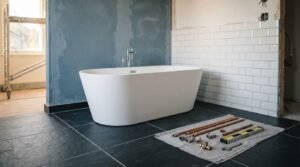
Understanding the installation process helps you plan your renovation timeline and budget accurately. Bathtub installation is not a single-trade job; it involves plumbing, waterproofing, and tiling at minimum, and sometimes carpentry for platform builds.
Removal of the Existing Bathtub
The first step in any bathtub replacement is removing the existing bath. For an alcove bath, this means disconnecting the waste and overflow, cutting any silicone seals, and lifting the bath out of the recess. Most standard acrylic alcove baths can be removed in two to three hours.
Cast iron baths are a different matter. Their weight often requires cutting the bath into sections for removal, which adds time and labour cost. Budget an additional $300–$600 for cast iron removal compared to a standard acrylic removal.
Once the bath is out, the substrate the walls and floor behind and beneath the bath needs to be inspected for water damage, mould, or structural issues before any new work begins.
Plumbing and Waterproofing Requirements
All bathtub installations in NSW must comply with AS 3740, the Australian Standard for waterproofing of wet areas. This means a continuous waterproofing membrane applied to the walls and floor around the bath zone before tiling begins.
The plumbing rough-in the waste pipe, the overflow connection, and the tapware supply lines must be positioned correctly before waterproofing and tiling lock everything in. For a freestanding bath, the floor waste and floor-mounted tapware positions are critical and must be confirmed with your plumber before any floor work proceeds.
Changes to the plumbing layout, moving the waste, and relocating supply lines add cost and time. Keeping the new bath in the same position as the old one is the most cost-effective approach when the existing layout works.
Tiling, Surrounds, and Finishing Work
For an alcove bath, the tiling surround is the final major trade task. The tiles go up after waterproofing is complete and cured, and the bath is set in position. The tiling flange on the bath sits behind the tiles, and the joint between the bath rim and the tiles is sealed with flexible silicone, not grout.
That silicone joint is critical. It accommodates the slight movement between the bath and the tiled wall. Grout in that joint cracks within months. A properly applied silicone bead, colour-matched to the grout, lasts years and keeps the junction watertight.
For a freestanding bath, the tiling work is simpler: the floor tiles run under and around the bath, and there’s no tiled surround to manage. The complexity shifts to the plumbing rather than the tiling.
Common Bathtub Renovation Mistakes and How to Avoid Them
I’ve seen the same mistakes repeated across enough Sydney bathroom renovations to know exactly where things go wrong. Most of them are avoidable with better planning and honest advice at the start of the project.
Choosing Style Over Function
The most common mistake is choosing a bathtub based on how it looks in a showroom or an Instagram photo rather than how it fits the actual bathroom and the actual lifestyle of the people using it.
A freestanding bath in a 3m x 2m bathroom looks stunning in the render. In reality, it leaves no room to move, makes cleaning a chore, and dominates a space that needed breathing room. The style decision overrode the functional reality.
The fix is simple: measure first, choose second. Bring your floor plan to the showroom, not the other way around.
Underestimating Installation Complexity
Homeowners consistently underestimate how much work goes into a bathtub installation beyond the bath itself. The plumbing, waterproofing, substrate preparation, and tiling all add time and cost that aren’t visible in the supply price of the bath.
A $1,500 freestanding bath can easily require $3,000–$4,000 in installation work when you account for all the associated trades. That’s not a problem if you’ve budgeted for it. It’s a serious problem if you haven’t.
Get a full installation quote, not just a supply price, before committing to a bathtub type.
Skipping Waterproofing Standards
Waterproofing is the most important and least visible part of any wet area renovation. It’s also the area where shortcuts are most tempting because the work is hidden behind tiles and no one can see it once the bathroom is finished.
Inadequate waterproofing leads to water ingress, structural damage, mould, and in serious cases, damage to the floors and walls of the rooms below. Rectifying water damage after the fact costs far more than doing the waterproofing correctly the first time.
In NSW, waterproofing to AS 3740 is a legal requirement, not a recommendation. Any licensed contractor who suggests skipping or reducing the waterproofing scope is not a contractor worth using.
Conclusion
Bathtub selection sits at the intersection of design, budget, and long-term renovation value. The right choice depends on your floor plan, your lifestyle, and your goals for the property, not on what looks best in a showroom.
Getting the material, size, and installation type right from the start protects your budget and delivers a bathroom that works as well as it looks. The decisions made at the planning stage determine the outcome far more than any individual product choice.
At Sydney Home Renovation, we help homeowners, investors, and first-time renovators navigate every bathtub decision with honest pricing, clear guidance, and the construction expertise to deliver it properly. Reach out to our team to start planning your bathroom renovation with confidence.
Frequently Asked Questions About Bathtub Options for Renovation
What is the most popular bathtub type for Australian bathroom renovations?
The alcove bathtub is the most common choice in Australian bathroom renovations. It’s practical, space-efficient, and the most cost-effective option to install, making it the default for family bathrooms and investment properties alike.
How long does a bathtub installation take in a renovation?
A straightforward alcove bath replacement takes one to two days for the combined plumbing and tiling work, not including waterproofing cure time. A freestanding bath installation with floor-mounted tapware typically takes two to three days. Allow an additional 24–48 hours for waterproofing to cure before tiling begins.
Is a freestanding bath worth the extra cost?
For an owner-occupier with a bathroom large enough to accommodate it, yes. A freestanding bath delivers a genuine design and lifestyle upgrade. For an investment property or a small bathroom, the extra cost rarely delivers proportional value.
What is the best bathtub material for a family bathroom?
Quality acrylic is the best all-round material for a family bathroom. It’s durable, warm to the touch, easy to clean, repairable if scratched, and available in a wide range of sizes and styles at a price point that suits most renovation budgets.
Do I need council approval to replace a bathtub in Sydney?
Replacing a bathtub in the same location with the same configuration is generally considered exempt development in NSW and does not require council approval. Any changes to the plumbing layout or structural work may require a plumbing permit. Your licensed plumber handles the permit requirements.
How much should I budget for a complete bathtub replacement in Sydney?
For a standard alcove bath replacement in Sydney, budget $2,500–$5,000 all-in, including the bath, tapware, waste fittings, plumbing labour, waterproofing, and tiling. A freestanding bath installation in a mid-range renovation typically runs $5,000–$10,000 all-in depending on the bath specification and the complexity of the plumbing work.
Can I keep my existing bath and just retile around it?
Yes, in many cases. If the existing bath is structurally sound and the surface is in good condition, retiling the surround and replacing the tapware and waste fittings is a cost-effective refresh. A professional assessment of the bath condition and the existing waterproofing is essential before proceeding.
What is the difference between a spa bath and a regular bath?
A spa bath incorporates an air or water jet system that creates a hydrotherapy effect. A regular bath has no jet system. Spa baths cost more to purchase and require regular maintenance of the internal jet pipework to prevent mould and bacteria buildup.
How do I choose between a bath and a shower-only bathroom?
The decision depends on your lifestyle, your property type, and your target market. For a family home, retaining a bath is strongly recommended; buyers with young children prioritise bath access. For a single-person apartment or a secondary bathroom, a shower-only configuration is often more practical and space-efficient.
What waterproofing standard applies to bathtub installations in NSW?
AS 3740 Waterproofing of Domestic Wet Areas is the applicable Australian Standard for all wet area waterproofing in NSW, including around bathtubs. Compliance is a legal requirement for any licensed renovation contractor.


