
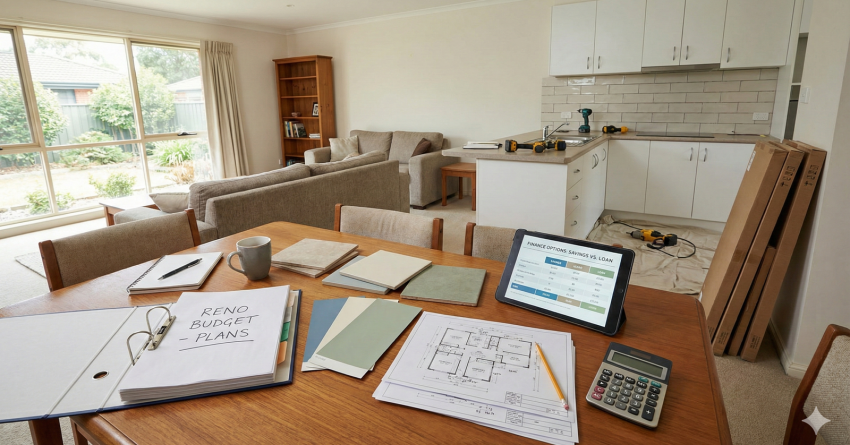
The best way to pay for renovations depends on your project size, available home equity, and financial situation. Cash is the least risky option. Refinancing offers the lowest interest rates for large projects. Personal loans provide speed and flexibility for smaller updates. Sydney homeowners face tough choices when funding home improvements. The right payment method can save thousands of dollars.
Many Sydney families struggle to choose between these options. They worry about interest rates, long-term debt, and protecting their savings. Expert Home Renovations Contractors understand these concerns. We help customers make smart financial decisions every day.
This guide breaks down each renovation financing Australia option clearly. You will learn which method suits your specific situation. Keep reading to discover the best path for your Sydney home renovation.
Best Ways to Pay for Home Renovations
Sydney homeowners have three main ways to fund renovations. Each option works differently based on your needs. The right choice depends on project size and your financial health.
Renovation financing Australia has changed in recent years. More homeowners now use multiple funding sources. They combine cash, equity, and loans for different project stages.
Cash or Savings
Savings funded renovations eliminate interest costs completely. Homeowners who pay cash avoid debt and monthly repayments. This method protects your assets from risk.
Cash works best for minor updates under $20,000. Sydney homeowners with strong savings accounts benefit most. Money in offset accounts or redraw facilities can fund smaller projects easily.
Refinancing or Home Equity
Home equity loans offer the lowest borrowing costs for major projects. Sydney property values have grown significantly. Many homeowners can access substantial equity for renovations.
Equity release renovations provide larger sums at mortgage-level rates. The line of credit renovations option gives flexible access to funds. However, this method places your home at risk.
Personal Loan
Personal loans home improvements suit small to medium projects. They offer quick approvals without using your home as security. Sydney homeowners get funds within days.
These loans work well when speed matters most. Loan amounts typically cap at $50,000 to $100,000. The trade-off is higher interest rates than secured lending.
Detailed Breakdown of Options
Understanding each option helps you make better decisions. Sydney homeowners need clear facts about costs and terms. This section covers the essential details.
Best Uses for Each Option
Cash suits cosmetic updates and minor repairs. Savings funded renovations work for bathroom refreshes or new flooring. Projects under $15,000 often use this method.
Home equity loans fit major structural work. Kitchen renovations and extensions benefit from lower rates. Sydney homeowners doing $50,000+ projects often refinance.
Personal loans home improvements handle medium projects quickly. They suit urgent repairs or time-sensitive upgrades. Amounts between $10,000 and $50,000 work well.
Interest Rate Comparison
Interest rates vary dramatically between options. Cash costs nothing in interest. This saves Sydney homeowners thousands over time.
Home equity loans currently range from 6% to 8% annually. These rates match standard mortgage products. Variable rate renovation loans may change over time.
Personal loans carry rates from 8% to 15% or higher. Unsecured loans cost more than secured options. Your credit score affects the rate you receive.
Loan Term Differences
Loan terms impact your monthly payments significantly. Home equity loans extend over 10 to 30 years. Longer terms mean smaller monthly costs.
Personal loans typically run 2 to 7 years. Shorter terms create higher monthly repayments. However, you pay less total interest.
Cash has no term at all. Sydney homeowners avoid repayment schedules entirely. This provides maximum financial freedom.
Access to Funds
Speed varies between funding options. Cash provides instant access to your money. No approvals or paperwork delays your project.
Personal loan approvals often take 1 to 3 days. Sydney homeowners get quick decisions from most lenders. Funds arrive in your account fast.
Refinancing takes 2 to 6 weeks typically. The loan approval process Australia requires more documentation. Property valuations add extra time.
Collateral Requirements
Collateral determines your risk level. Cash requires no security at all. Your assets stay completely protected.
Home equity loans use your property as security. Sydney homeowners risk their homes if repayments fail. This is a serious consideration.
Personal loans are usually unsecured. No collateral is needed for most products. Your home stays safe from lender claims.
Key Considerations
Several factors should guide your decision. Sydney homeowners must weigh multiple elements carefully. The right choice balances cost, speed, and risk.
Project Size and Scope
Small projects under $10,000 suit cash payments. Medium projects between $10,000 and $50,000 work with personal loans. Large projects over $50,000 benefit from refinancing.
Construction loans Australia handle major builds and extensions. These products release funds in stages. Staged payment renovations match builder progress claims.
Cost vs. Speed
Fast funding costs more in interest. Personal loans provide speed but charge higher rates. Sydney homeowners pay for convenience.
Slower options save money long-term. Refinancing takes time but costs less overall. Renovation budgeting strategies should include this trade-off.
Financial Health and Risk
Your current finances affect the best choice. Strong savings make cash payments possible. Limited savings may require borrowing.
Credit score renovation impact matters for loan applications. Higher scores qualify for better rates. Sydney homeowners should check their credit first.
When Is Paying With Cash the Best Option?
Cash becomes the best option when you want to avoid long-term interest costs. Sydney homeowners with strong savings benefit most. This method protects future borrowing power.
Advantages of Using Savings
Savings funded renovations eliminate all interest charges. Sydney homeowners keep their full budget for actual work. No money goes to lenders.
Cash payments provide complete control. You negotiate better deals with builders. Many contractors offer discounts for upfront payment.
Emergency fund protection remains important though. Keep 3 to 6 months of expenses aside. Never drain all savings for renovations.
Situations Where Cash May Not Be Ideal
Cash falls short for large structural projects. Sydney homeowners rarely have $100,000+ in savings. Major renovations often require borrowing.
Using all savings creates financial risk. Unexpected costs can arise during projects. Renovation budgets frequently exceed expectations by 10% to 20%.
Cash also misses potential tax benefits. Tax deductible renovations on investment properties need loan interest. Negative gearing requires borrowing costs to claim.
When Should You Consider Refinancing or Using Home Equity?
Refinancing suits large renovation projects where low interest rates matter most. Sydney homeowners with significant equity benefit greatly. This option provides the cheapest borrowing costs.
Home equity loans work best for projects over $50,000. Kitchen renovations, extensions, and structural work fit well. The lower rates save thousands over time.
The 80/20 refinancing guideline helps avoid extra costs. Borrow up to 80% of your home value. This prevents lender’s mortgage insurance charges.
Sydney property values have grown substantially. Many homeowners have more equity than they realize. A property valuation reveals your borrowing capacity.
Equity release renovations do carry risks though. Your home secures the loan completely. Missed repayments could lead to serious consequences.
When Is a Personal Loan the Right Choice?
Personal loans suit small to medium projects where speed and flexibility matter. Sydney homeowners needing quick funds benefit most. No home equity is required.
These loans work for projects between $5,000 and $50,000. Bathroom updates, flooring, and painting fit well. Personal loans home improvements provide fast approvals.
Renters can also use personal loans for improvements. No property ownership is needed. This opens options for more Sydney residents.
The loan approval process Australia is simpler for personal loans. Less documentation speeds up decisions. Funds often arrive within 48 hours.
Higher interest rates are the main drawback. Sydney homeowners pay more over the loan term. Shorter terms help reduce total interest costs.
Cost Comparison: Which Option Saves You the Most?
Understanding true costs helps Sydney homeowners decide wisely. Different options create different long-term expenses. This section breaks down the real numbers.
Interest Cost Over Time
Cash costs zero in interest. A $30,000 renovation costs exactly $30,000. Sydney homeowners keep every dollar for actual work.
Home equity loans at 7% over 10 years add about $12,000 in interest. The total cost reaches $42,000. Lower rates still add significant costs.
Personal loans at 12% over 5 years add roughly $10,000 in interest. The total reaches $40,000. Higher rates offset shorter terms.
How Loan Terms Impact Monthly Payments
Loan terms dramatically affect monthly budgets. A $30,000 home equity loan over 20 years costs about $230 monthly. The same loan over 10 years costs $350 monthly.
Personal loans create higher monthly payments. A $30,000 loan over 5 years costs about $670 monthly. Shorter terms mean bigger monthly commitments.
Sydney homeowners must balance monthly costs with total interest. Longer terms ease monthly budgets. Shorter terms save money overall.
Long-Term vs Short-Term Financial Impact
Short-term thinking focuses on monthly payments. Long-term thinking considers total costs. Smart Sydney homeowners consider both perspectives.
Cash flow renovation planning helps manage monthly budgets. Lower payments free money for other needs. Higher payments build equity faster.
Renovation ROI calculations should include financing costs. A $50,000 renovation adding $70,000 in value sounds great. But $15,000 in interest reduces the real gain.
How Renovation Financing Affects Your Home’s Value
Smart financing maximizes your renovation return. Sydney property values respond well to quality improvements. The right funding approach protects your investment.
Capital gains tax implications matter for investment properties. Renovation costs reduce taxable gains when selling. Keep all receipts and loan documents.
Renovation ROI calculations vary by project type. Kitchens and bathrooms typically return 50% to 80% of costs. Extensions can return even more in Sydney’s market.
Over-borrowing reduces your net benefit. A $100,000 renovation with $30,000 in interest needs strong value gains. Sydney homeowners should calculate true returns carefully.
Green renovation rebates and solar rebate programs add value. Energy efficient loan schemes offer better rates. These improvements attract buyers and reduce bills.
Common Mistakes to Avoid When Funding Renovations
Sydney homeowners often make costly funding errors. Learning from others’ mistakes saves money and stress. These common problems are preventable.
Over-borrowing tops the list of mistakes. Homeowners take more than needed for safety margins. Extra borrowed money costs interest for years.
Ignoring renovation budgets frequently exceed expectations causes problems. Most projects run 10% to 20% over budget. Smart homeowners include contingency funds.
Choosing speed over cost wastes money. Personal loans seem convenient but cost more. Taking time to refinance often saves thousands.
Forgetting about fees creates budget surprises. Refinancing involves application fees, valuation costs, and legal charges. These add $1,000 to $3,000 typically.
Not comparing multiple quote financing options costs money. Different lenders offer different rates. Shopping around saves Sydney homeowners significantly. Using credit cards renovation funding for large amounts is expensive. Rates often exceed 20% annually. This option suits only very small purchases.
Step-by-Step Guide to Choosing the Right Option
Follow this process to find your best funding method. Sydney homeowners can make confident decisions. Each step builds toward the right choice.
Step 1: Calculate your total renovation budget. Include 15% contingency for unexpected costs. This gives your true funding need.
Step 2: Check your available cash and savings. Determine how much you can contribute without risk. Protect your emergency fund.
Step 3: Assess your home equity position. Sydney property values determine borrowing capacity. Get a current valuation if needed.
Step 4: Review your credit score. Higher scores qualify for better rates. Fix any errors before applying.
Step 5: Compare options for your specific amount. Get quotes from multiple lenders. Calculate total costs including all fees.
Step 6: Consider your monthly budget capacity. Ensure repayments fit comfortably. Leave room for other expenses.
Step 7: Think about your timeline. Urgent projects may need faster funding. Flexible timelines allow cheaper options.
Step 8: Make your decision based on total cost and risk. The cheapest option with acceptable risk wins. Document your reasoning.
Conclusion
Choosing the right renovation payment method requires careful thought. Sydney homeowners must balance cost, speed, and risk. Cash saves the most money but requires strong savings. Refinancing offers low rates for large projects. Personal loans provide speed for smaller updates.
Sydney Home Renovation understands these financial decisions matter. We help customers plan projects that match their budgets. Our team provides honest advice about realistic costs.
Contact Sydney Home Renovation today for your free consultation. We will help you plan a renovation that fits your financial situation. Call us now to start your home transformation journey.