To modernize a restaurant, we refresh its design, technology, layout, and operations to match current dining expectations while improving efficiency and profitability. A successful modernization combines updated interiors, smarter kitchen systems, digital ordering, and brand-aligned finishes. For Sydney owners, the goal is balancing aesthetic appeal with practical upgrades that increase customer comfort, staff productivity, and long-term return on every dollar invested in the renovation.
What Does It Mean to Modernize a Restaurant?
Modernizing a restaurant means upgrading its physical space, technology stack, and operational systems so the venue meets current diner expectations. We look at compliance with updated codes and efficiency gains in the same breath. It covers interior design, kitchen equipment, POS systems, lighting, ventilation, and customer-facing touchpoints.
Each upgrade we recommend should improve experience, reduce running costs, or ideally both.
Core Areas of Restaurant Modernization
We typically focus modernization work across five areas: front-of-house design, back-of-house workflow, kitchen equipment, technology integration, and energy efficiency. Front-of-house upgrades include seating layouts, lighting, acoustics, and finishes that reinforce brand identity. Back-of-house improvements address staff flow, storage, and prep zones.
Technology upgrades cover POS systems, online ordering, kitchen display systems, and inventory tracking, and we’ve seen QR-code ordering and integrated loyalty apps become near-standard across Sydney venues. Energy-efficient HVAC, lighting, and appliances reduce monthly overhead while supporting sustainability goals important to Sydney’s diners. Many owners we work with now pursue basic sustainability credentials, such as energy-rated appliances and water-efficient fixtures, as a point of difference with environmentally conscious customers.
Signs Your Restaurant Needs Modernizing
Several signals point to overdue modernization. Declining covers, rising maintenance costs, outdated décor, slow service flow, and equipment breakdowns all indicate the venue is falling behind. Negative reviews mentioning ambience, noise, or wait times often reflect structural issues rather than service problems.
Compliance gaps with current Sydney building codes, accessibility standards, or food safety regulations also force action. We find that identifying these signs early helps owners plan upgrades strategically rather than react to costly emergencies.
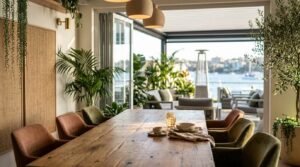
2026 Restaurant Design Trends Sydney Owners Are Adopting
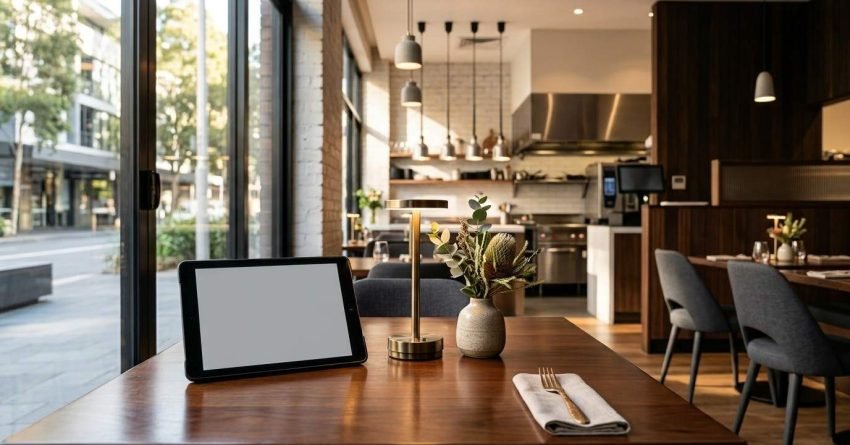
We’re seeing a clear shift toward warm, textured interiors that soften acoustics while keeping a premium feel. Biophilic elements, exposed timber, and softer lighting temperatures are replacing the stark industrial look many venues adopted a decade ago. Outdoor and alfresco dining spaces are also getting serious investment, with retractable shading, heating, and weatherproof finishes extending usable trading hours year-round.
Flexible seating configurations that adapt between casual daytime service and evening dining are another priority for Sydney owners chasing higher table turnover.
Step-by-Step Approach to Modernizing a Restaurant
A structured approach prevents costly missteps. We start with a clear brief covering concept, target diner, and operational goals. From there, we commission a condition report on plumbing, electrical, HVAC, and structure.
Engaging an experienced designer and renovation contractor early keeps feasibility, compliance, and cost aligned from day one. We sequence works logically: structural first, services second, finishes last. A typical project runs through three broad phases: planning and approvals (2 to 4 weeks), structural and services work (4 to 8 weeks), and fit-out and finishes (2 to 4 weeks), with buffer time built in for council approvals, trade availability, and supply lead times common across Sydney’s renovation market.
Restaurant Modernization Cost Breakdown
Costs shift depending on scope, but we generally see the following ranges across Sydney restaurant modernizations.
| Renovation Scope | Typical Cost per m² | What’s Included |
| Cosmetic refresh | $600–$1,200 | Paint, lighting, furniture, minor finishes |
| Mid-level renovation | $1,200–$2,200 | Flooring, joinery, POS upgrade, partial kitchen work |
| Full modernization | $1,500–$3,500 | Structural changes, full kitchen upgrade, compliance work |
We always recommend locking in scope before comparing quotes, since cost per square metre varies significantly with kitchen complexity and compliance requirements.
Budgeting and Prioritizing Upgrades
We ask owners to set a realistic renovation budget before locking in design decisions. Allocating roughly 50% to labour and trades, 30% to materials and fittings, and 20% to contingency for hidden costs keeps most projects on track. Prioritizing upgrades that drive revenue or reduce running costs, kitchen efficiency, customer flow, and brand-defining finishes delivers the strongest return.
Defer cosmetic extras until core systems are sound. For owners stretching cash flow, staged financing or equipment leasing can spread kitchen upgrade costs without delaying the renovation timeline. Honest pricing from a trusted contractor protects margins and prevents mid-project blowouts.
Choosing the Right Renovation Contractor
The contractor you choose shapes the entire outcome of a restaurant modernization. We recommend asking for a detailed scope of works, a fixed-price or clearly itemized quote, and references from recent hospitality fit-outs specifically, not just general residential work.
A contractor who understands commercial kitchen compliance, grease trap regulations, and council approval processes will save weeks of delay. We also suggest confirming trade licensing, insurance coverage, and a realistic project timeline in writing before signing anything.
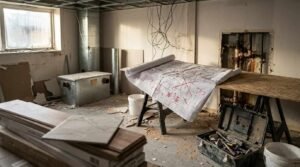
Common Pitfalls and Hidden Costs to Avoid
Most modernization budgets blow out for predictable reasons. Skipping condition reports hides plumbing, electrical, or waterproofing issues that surface mid-build. Underestimating compliance work, including grease traps, ventilation, and disability access, creates expensive rework.
Changing the scope after trades commence triggers variations and delays. Choosing finishes on cost alone leads to early replacement, and ignoring acoustic treatment damages diner experience long after the renovation is finished.
We’ve found that working with a contractor who delivers transparent quotes and detailed scopes from the start protects both budget and timeline.
Conclusion
Modernizing a restaurant is a coordinated upgrade of design, technology, and operations that lifts diner experience and protects long-term profitability across Sydney’s competitive hospitality market.
With a clear brief, honest budgeting, and disciplined sequencing, we help owners renovate confidently and avoid the hidden costs that derail unplanned projects.
At Sydney Home Renovation, we deliver transparent pricing, expert coordination, and quality finishes on every restaurant fit-out we take on. Contact us to plan your restaurant modernization with confidence.
Frequently Asked Questions
How much does it cost to modernize a restaurant in Sydney?
Costs vary widely, but we generally see most Sydney restaurant modernizations range from $1,500 to $3,500 per square metre, depending on scope, finishes, and kitchen upgrades required.
How long does a restaurant modernization take?
A full modernization typically takes 8 to 16 weeks, depending on structural work, council approvals, trade scheduling, and the complexity of kitchen and compliance upgrades.
Can I modernize my restaurant while staying open?
Staged renovations allow partial trading, but we find most owners get faster completion, lower labour costs, and better quality outcomes from a short full closure.
What modernization upgrade gives the best return?
Kitchen efficiency and front-of-house lighting deliver the strongest return, improving service speed, reducing energy costs, and lifting diner perception without major structural investment.
Do I need council approval to modernize a restaurant?
Cosmetic upgrades rarely need approval, but structural changes, ventilation, plumbing, signage, and accessibility works typically require council consent under Sydney’s development regulations.
Can I finance a restaurant modernization instead of paying upfront?
Yes, many owners use staged payments or equipment leasing to spread kitchen and fit-out costs, which helps manage cash flow without delaying the renovation timeline.