
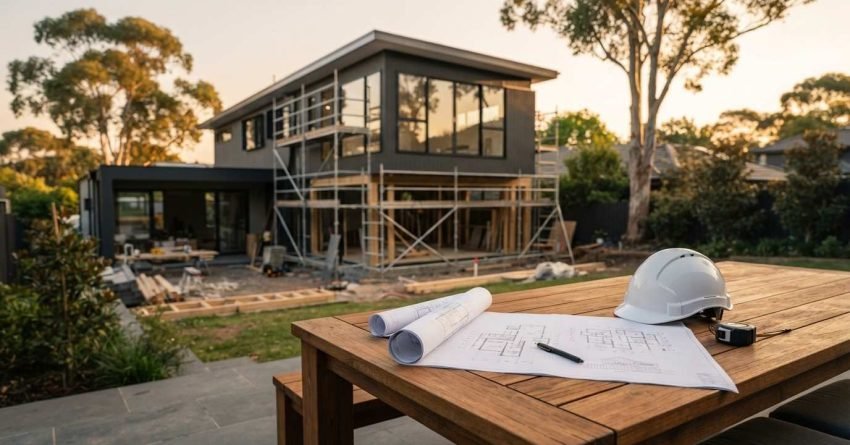
A second storey addition in Australia typically costs between $300,000 and $600,000, with most Sydney projects landing around $3,500 to $5,500 per square metre. The final figure depends on size, structural complexity, finishes, and site access.
We know that for homeowners weighing this investment, understanding the cost breakdown early helps prevent budget blowouts. It also ensures the project delivers genuine long-term value across both lifestyle and property equity.
Average Cost of a Second Storey Addition in Australia
A standard second storey addition in Australia costs between $300,000 and $600,000, equating to roughly $3,500 to $5,500 per square metre. We see premium builds with high-end finishes, complex rooflines, or heritage overlays push costs beyond $700,000, particularly in Sydney’s inner suburbs.
Every project we scope starts with this baseline before layering in site-specific variables.
Second Storey Addition Cost Breakdown
We find homeowners plan more confidently when they can see costs itemised rather than as one lump figure. Here is a typical breakdown for a mid-range Sydney addition:
| Cost Category | Typical Range |
| Structural reinforcement | $30,000–$60,000 |
| Roof removal and reconstruction | $40,000–$80,000 |
| Framing, plasterboard, insulation | $60,000–$100,000 |
| Staircase installation | $8,000–$20,000 |
| Kitchens and bathrooms (if included) | $50,000–$120,000 |
| Council approvals and engineering | $5,500–$15,000 |
| Temporary accommodation | $15,000–$40,000 |
These figures shift depending on finish level, site access, and how much of the ground floor needs reinforcing.
Cost Per Square Metre Breakdown
Pricing varies sharply by build quality. We see basic additions start near $3,200 per square metre, covering standard framing, plasterboard, and mid-range fixtures.
Mid-tier builds sit between $4,000 and $5,000 per square metre, including upgraded insulation, quality windows, and improved finishes. High-end second storey additions exceed $5,500 per square metre once custom joinery, premium flooring, designer bathrooms, and architectural detailing enter the equation.
Sydney rates typically run 10 to 15 per cent higher than regional NSW due to labour demand, compliance requirements, and material logistics.
Cost by Addition Size and Layout
We find size and layout drive cost as much as finish level. A single-bedroom addition of around 20 to 30 square metres often lands near the lower end of the per-square-metre range, since fixed costs like scaffolding and roof removal get spread across less floor area.
A full second storey covering 80 to 120 square metres, complete with multiple bedrooms and a bathroom, tends to sit closer to the higher end of the total budget. We generally recommend homeowners think in terms of “cost per usable room” rather than total square metres alone, since layout efficiency changes what each dollar delivers.
What Influences the Final Price
Five factors shape the final cost most significantly. Structural reinforcement of the existing ground floor often adds $30,000 to $60,000, depending on foundation strength.
Roof removal and reconstruction adds another major line item. Internal staircase placement affects layout efficiency and downstairs disruption, and finishes, including kitchens and bathrooms, can swing the total by $50,000 or more.
Site access in tight Sydney blocks frequently increases scaffolding, crane hire, and labour hours. We always assess these five variables first before quoting any project.
Understanding the headline figures is one part of the picture. Navigating Sydney council approval requirements is the other, and it directly shapes timelines, design constraints, and total project spend.
Materials That Affect Your Build Cost
We often get asked whether timber or steel framing makes the biggest difference to price. Timber framing remains the more affordable option for most second storey additions, typically costing less per square metre than steel alternatives.
Steel framing costs more upfront but suits homes needing wider spans or additional load-bearing strength. Roofing material choice matters too; colorbond roofing is generally more cost-effective than tiled alternatives, though tiles can better match an existing roofline in heritage-sensitive streets.
Hidden Costs and Budget Considerations in Sydney
Beyond the headline build cost, several expenses catch homeowners off guard. Temporary accommodation during construction typically costs $15,000 to $40,000 across a six- to nine- month build.
Demolition and waste removal add $8,000 to $20,000. Service upgrades, including electrical mains and plumbing reconfiguration, often add $10,000 to $25,000.
We recommend building a contingency of at least 10 to 15 per cent into every budget to absorb these hidden costs comfortably.
Council Approvals, Engineering, and Site Factors
Sydney councils require detailed plans, BASIX certificates, and often neighbour notifications, with application fees ranging from $2,500 to $8,000. Most straightforward second storey additions can proceed through a Complying Development Certificate (CDC), which is generally faster than a full Development Application (DA).
Heritage overlays, bushfire zones, or non-compliant setbacks usually push a project into DA territory, adding weeks to months of processing time. Structural engineering assessments for additions typically cost $3,000 to $7,000 and determine whether the existing slab and walls can carry the new load.
Sloping sites, heritage zones, and bushfire overlays each add compliance costs that can shift budgets by tens of thousands.
Common Causes of Budget Blowouts
We see the same few issues push projects over budget time and again. Unexpected structural issues like inadequate footings discovered mid-build are the most common cause, since they’re rarely visible until construction begins.
Scope creep is another frequent culprit, where homeowners add upgrades once walls are already open. Delayed council approvals and poor site access planning round out the top causes we encounter across Sydney projects.
How Homeowners Finance a Second Storey Addition
Most homeowners fund a second storey addition through a construction loan, which releases funds in stages as building milestones are completed. Others use a home equity loan against their existing property value, particularly if they have significant equity built up.
We recommend getting pre-approval and a detailed fixed-price quote before finalising finance, since lenders typically want a clear cost breakdown before releasing staged payments.
Is a Second Storey Addition Worth the Investment?
For most Sydney homeowners, a well-executed second storey addition delivers strong returns. A quality build typically adds 60 to 80 per cent of construction cost back into property value, with sought-after suburbs seeing higher returns.
The return on renovation investment in Sydney depends on suburb demand, design quality, and how the addition integrates with the existing home’s character and flow. We often compare this against knocking down and rebuilding entirely; going up usually preserves more of the existing structure’s value and disrupts the block less than a full rebuild.
Conclusion
A second storey addition in Australia generally costs $300,000 to $600,000, shaped by size, finishes, site conditions, and Sydney-specific compliance requirements that demand careful early planning.
For Sydney homeowners and investors, transparent budgeting from day one prevents costly surprises and ensures the addition delivers genuine lifestyle gains alongside measurable long-term property value.
At Sydney Home Renovation, we deliver honest pricing, detailed cost breakdowns, and skilled project management. Talk to our team today to plan your second storey addition with confidence.
Frequently Asked Questions
How long does a second storey addition take to build in Sydney?
Most second storey additions take six to nine months from approval to completion, depending on size, weather, and council processing times for plans and inspections.
Do I need to move out during a second storey addition?
Many families relocate for three to six months during roof removal and structural work, though some stay onsite if downstairs remains liveable and weatherproofed throughout the build.
Is a second storey cheaper than extending out?
Going up is often 20 to 30 per cent more expensive than extending out per square metre, but it preserves yard space and suits narrow Sydney blocks better.
Can every house support a second storey addition?
Not always. A structural engineer must assess foundations, wall strength, and slab condition. Older or lightweight homes may require significant reinforcement before construction can safely proceed.
What size second storey addition is most cost-effective?
Additions between 60 and 90 square metres typically offer the best cost-per-metre value, balancing construction efficiency with meaningful living space gains for growing families.


