
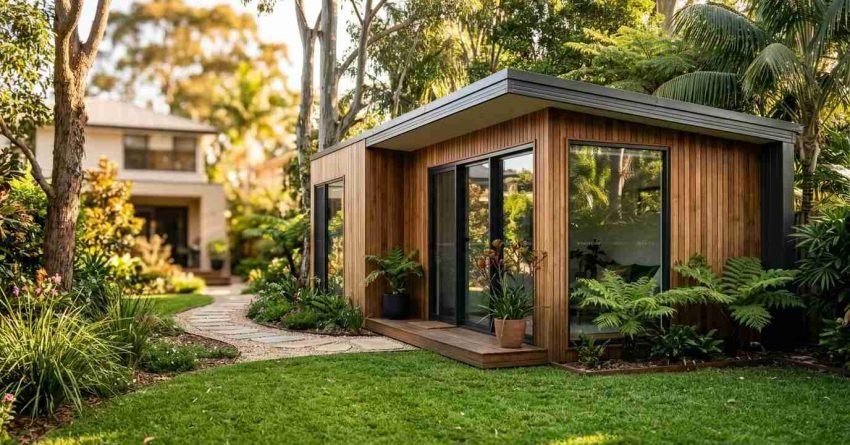
Yes, we can confirm that granny flats increase property value in Sydney, but the size of that increase depends on several factors most homeowners overlook before they build. A well-designed, council-approved granny flat adds measurable equity, generates rental income, and broadens buyer appeal when you sell. A poorly planned one can do the opposite.
Understanding what drives the uplift, and what limits it, is the difference between a smart investment and an expensive mistake.
How Much Value Can a Granny Flat Add to Your Property?
A granny flat typically adds between 20% and 30% to a Sydney property’s market value, though the actual figure varies by suburb, block size, build quality, and rental yield potential. We’ve seen this uplift shift significantly depending on local conditions.
The uplift is not automatic. It reflects how the market perceives the additional dwelling as a functional, income-generating asset rather than simply extra square footage.
Typical Value Increases Seen in Sydney
Sydney’s property market responds strongly to dual-income potential. In high-demand suburbs where rental vacancy rates are tight, a granny flat with a separate entrance, private outdoor space, and self-contained amenities can push a property’s valuation significantly above comparable homes without one.
We consistently see quality granny flats in Sydney’s western and south-western corridor suburbs like Liverpool, Blacktown, and Campbelltown add between $80,000 and $150,000 in perceived value, according to CoreLogic’s Sydney property value data. In tightly held inner-ring suburbs such as the inner west, that figure can climb higher again due to constrained land supply and stronger buyer competition.
What Drives the Valuation Uplift?
Three factors consistently determine how much value a granny flat adds. First, rental yield: a granny flat generating $350 to $550 per week in Sydney’s current rental market, per SQM Research’s rental data, creates a quantifiable income stream that valuers and buyers price into the property.
Second, build quality matters. A granny flat that matches the main dwelling’s standard of finish signals long-term durability and reduces buyer risk perception.
Third, site suitability counts. A block that accommodates the granny flat without compromising the main home’s liveability, parking, or outdoor space retains full appeal for both owner-occupiers and investors.
We always tell clients this: understanding granny flat build costs in Sydney, which vary considerably based on size, materials, and site conditions, is essential before committing to a build, because the investment has to make sense against the projected uplift.

How Valuers and Banks Assess Granny Flat Value
Valuers don’t simply add a flat percentage to your property because a granny flat exists. They assess it as an income-producing asset, weighing rental yield against comparable sales in the area.
Banks typically factor in a portion of the projected rental income when calculating serviceability for a construction loan, which is why a well-documented rental appraisal strengthens your case. We recommend getting an independent rental appraisal before you build, not after it gives you a realistic uplift figure to plan around rather than a guess.
Tax and Depreciation Benefits Worth Knowing
A granny flat used as a rental property can generate depreciation benefits that improve your overall return, separate from the capital value uplift. Under current Australian Taxation Office guidelines, owners can claim depreciation on both the building structure and eligible fixtures over time.
We suggest engaging a quantity surveyor to prepare a depreciation schedule before the property is tenanted. It’s a small upfront cost that often pays for itself within the first year of claims.
How Financing Affects Your Overall Return
The way you fund a granny flat build can influence how much of the value uplift you actually keep. Drawing on existing home equity is common, but the interest cost over the loan term needs to be weighed against the rental income and capital gain the flat generates.
We generally advise clients to model the full financing cost against projected rental yield before committing. A granny flat that adds $120,000 in value means little if the financing costs erode most of the annual return.
When Granny Flats Don’t Add the Value You Expect
Not every granny flat delivers a strong return. Several conditions consistently limit or eliminate the expected uplift, and recognising them before you build protects your investment.
The Factors That Limit or Reduce the Uplift
Overcapitalisation is the most common risk we see. When the combined cost of land and construction exceeds what the market will pay for the finished property, the granny flat destroys value rather than creating it.
This happens most often on smaller blocks in lower-price-point suburbs where buyer budgets cap the ceiling regardless of what has been built.
Poor design compounds the problem. A granny flat that feels cramped, lacks natural light, or shares too much with the main dwelling reduces its appeal as a rental and as a selling point.
Buyers and tenants both discount properties that feel like afterthoughts.
We also flag council approval timelines as a real risk factor. The design, size, and approval requirements under NSW planning rules exist precisely to prevent substandard secondary dwellings entering the market, and delays or non-compliance can push out your build timeline and add holding costs that eat into the eventual uplift.
Location also matters at the suburb level. In areas with low rental demand or an oversupply of similar properties, the income argument weakens and so does the valuation case.

Granny Flats as Rental Income vs. Capital Growth – Which Matters More?
For most Sydney homeowners and property investors, the answer is both, and the two are connected. A granny flat generating consistent rental income improves the property’s yield profile, which directly influences how a bank or valuer assesses its worth.
Strong yield supports a higher valuation, which supports capital growth over time.
We find owner-occupiers often prioritise the capital growth angle: build now, benefit from the equity uplift, and sell later with a broader buyer pool. Investors typically focus on the income return first, treating capital growth as a secondary benefit.
Both strategies are valid. The key is matching the build specification and budget to the strategy you’re pursuing, rather than building speculatively and hoping the market rewards it.
Conclusion
Granny flats increase property value in Sydney when they’re well-designed, properly approved, and matched to genuine market demand in the target suburb. We’ve found the strongest outcomes come from treating the granny flat as a planned financial asset, not an afterthought.
Understanding which renovations deliver the strongest return before committing your budget makes the difference between a smart investment and a costly one.
At Sydney Home Renovation, we help you build granny flats that add real, measurable value with transparent costings, quality construction, and zero guesswork. Contact us to start planning.
Frequently Asked Questions
Do granny flats add value in all Sydney suburbs?
No. Value uplift is strongest in suburbs with high rental demand and larger block sizes. Lower-demand areas may see limited or no measurable increase in market value.
How much does a granny flat cost to build in Sydney?
A standard granny flat in Sydney typically costs between $120,000 and $250,000 to build, depending on size, materials, site conditions, and whether a new service connection is required.
Does a granny flat increase council rates?
Yes. Adding a granny flat increases the improved value of your property, which can result in higher council rates. The exact increase varies by local government area across Sydney.
Can I sell a granny flat separately from the main house?
Generally no. In NSW, granny flats are classified as secondary dwellings on a single title and cannot be strata-titled or sold separately without subdivision approval, which is rarely granted.
Is a granny flat worth building for rental income alone?
It can be. In Sydney’s tight rental market, a granny flat generating $400 to $500 per week can return the build cost within eight to twelve years, making it a viable long-term income strategy.


