
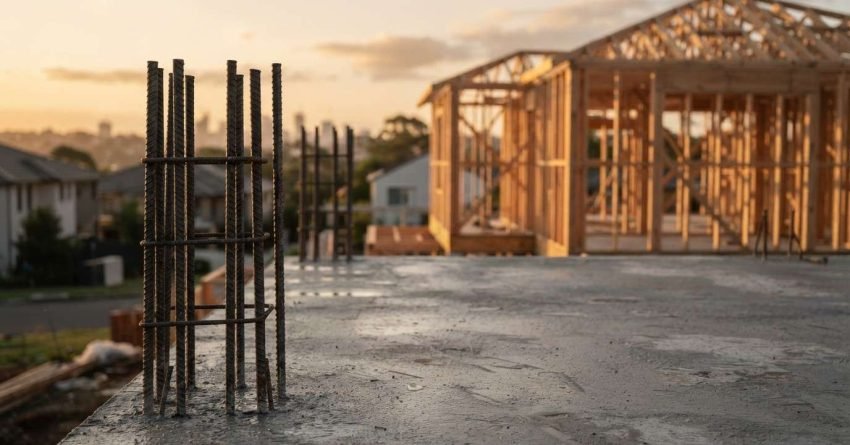
The most expensive part of building a house is the structural work, which includes foundations, framing, and roofing combined. These three elements routinely consume between 40% and 50% of a total residential construction budget before a single fixture is installed. For Sydney homeowners and property investors, understanding where the bulk of build costs sit is the first step toward making confident, well-informed decisions about project scope, budget allocation, and long-term return on investment.
The Most Expensive Part of Building a House
Structural and foundation work is the single largest cost category in residential construction. Unlike finishes and fittings, which can be upgraded or replaced over time, structural elements must be engineered correctly from the start. They carry the entire load of the building and determine its longevity, and they cannot be cut without serious consequence to safety and compliance.
The foundation, structural frame, and roof together form the core of your build budget. Every other cost category, including plumbing, electrical, insulation, cladding, and interiors, sits beneath them in both construction sequence and financial weight.
It is also worth separating land cost from build cost early in the planning process. Land value in Sydney can rival or exceed construction cost itself, but it is the structural build cost we focus on here, since this is the portion within your direct control once a block is secured.
Why Structural and Foundation Work Costs So Much
Foundations are expensive because they are engineered to the specific conditions of a site. Soil type, slope, drainage, and load-bearing requirements all influence the design. A standard concrete slab suits stable, level ground, while reactive clay soils, sloping blocks, or high water tables require deeper footings, pier-and-beam systems, or reinforced raft slabs, each adding high cost.
Labour intensity drives the price further. Foundation work requires excavation equipment, formwork, reinforcement steel, concrete pours, and inspections at multiple stages. In Sydney, geotechnical conditions vary significantly across suburbs, from sandstone ridges in the north to clay-heavy western corridors, so site-specific engineering is rarely optional.
Material costs compound the total. According to the Australian Bureau of Statistics, construction material prices have remained elevated through 2025, with structural steel and concrete subject to ongoing supply chain pressure. A standard single-storey home in Sydney can see foundation and slab costs alone reach $30,000 to $80,000 depending on site complexity.
How the Frame and Roof Add to the Total
Once the foundation is set, the structural frame is the next major cost. Timber or steel framing defines the walls, floors, and ceiling structure of the entire home. For a standard 250-square-metre single-storey build in Sydney, framing costs typically range from $50,000 to $90,000, depending on design complexity, ceiling heights, and material choice.
The roof structure adds another significant layer. Roof framing, sarking, battens, and the chosen roofing material, whether Colorbond steel, concrete tiles, or terracotta, each carry their own cost. A complex roofline with multiple pitches, valleys, or skylights increases both labour time and material waste, pushing costs higher.
Roofing on a mid-size Sydney home commonly falls between $20,000 and $45,000 before guttering and downpipes are included. Together, foundations, framing, and roofing represent the non-negotiable core of construction spend.
These are the costs that protect every dollar invested in everything that follows.
Cost Breakdown by Building Stage
| Building Stage | Typical Share of Budget | Sydney Cost Range (250m² single storey) |
| Foundation and slab | 15%–20% | $30,000–$80,000 |
| Structural framing | 18%–22% | $50,000–$90,000 |
| Roofing | 8%–12% | $20,000–$45,000 |
| Finishes and fittings | 30%–40% | Varies by specification |
| Services (plumbing, electrical) | 10%–15% | Varies by design |
Understanding what costs most is only part of the picture. How we structure a construction budget around these fixed structural costs, and where flexibility genuinely exists, shapes whether a project stays on track or runs over.
Cost Per Square Metre: What Sydney Builders Charge
Sydney build costs per square metre give a useful sanity check against fixed quotes. A standard single-storey home typically runs $2,200 to $3,500 per square metre, while double-storey builds and homes with complex rooflines or sloping sites often push past $3,800 per square metre.
We find this figure most useful as a cross-check rather than a planning tool on its own. Two homes at the same square metre rate can carry very different structural cost splits depending on soil conditions, so we always pair a per-square-metre estimate with a detailed structural quote before locking in a budget.
What Drives Construction Costs Higher in Sydney
Sydney consistently ranks among the most expensive cities in Australia to build in. The reasons are structural to the market itself, not incidental. Land values, trade availability, council requirements, and material logistics all push base construction costs above national averages.
Site Conditions, Labour, and Material Pricing
Sydney’s diverse topography creates site-specific challenges that inflate structural costs before a design is even finalised. Sloping blocks in the Hills District, sandstone in the Northern Beaches, and reactive soils across Western Sydney each require tailored engineering responses. Retaining walls, cut-and-fill earthworks, and specialised footings add cost that flat, stable sites in other markets avoid entirely.
Labour pricing reflects Sydney’s cost of living. Licensed tradespeople, including concreters, carpenters, roofers, and structural engineers, command higher day rates than most other Australian cities. Trade shortages following sustained construction demand have tightened availability further, extending lead times and increasing project costs for those without established contractor relationships.
Material pricing in Sydney includes freight premiums, supplier margins, and the volume demands of a high-activity market. Structural steel and engineered timber in particular have seen sustained price pressure. We recommend locking in material pricing early through fixed-price contracts to protect against mid-project cost increases.
Council approval requirements also vary by local government area, and some LGAs carry stricter bushfire, flood, or heritage overlay conditions that add engineering and certification costs before construction even starts.
Fixed-Price vs. Cost-Plus Contracts
The type of contract you sign directly affects your exposure to structural cost blowouts. A fixed-price contract locks in your structural, framing, and roofing costs before construction begins, giving you budget certainty regardless of material price shifts.
A cost-plus contract, by contrast, passes material and labour price increases directly to you. This carries more financial risk in Sydney’s volatile material pricing environment. We always recommend homeowners clarify this distinction before signing, since it has more impact on final cost outcomes than almost any finish or fitting decision.
Does Using a Licensed Builder Change Structural Costs?
A licensed builder typically quotes higher upfront than an unlicensed operator, but the gap usually reflects insurance, compliance, and warranty coverage on structural work. Structural defects are the most expensive category to fix after handover, so we see licensing as risk reduction rather than pure cost.
Owner-builder arrangements can lower headline cost, but they shift engineering accountability onto the homeowner. In Sydney’s variable soil and council environment, we rarely recommend this path for the structural stages specifically.
How to Prioritise Your Budget Around the Biggest Costs
Knowing that structural work dominates the budget changes how smart homeowners approach the planning phase. The goal is not to reduce structural quality. It is to make deliberate decisions about where flexibility exists and where it does not.
Structural costs are largely fixed by site, design, and engineering requirements. Savings are rarely found here without compromising safety or compliance. The genuine flexibility in a residential build sits in finishes, fittings, and fixtures, the elements that can be staged, upgraded later, or value-engineered without affecting structural integrity.
We recommend building in a contingency allowance of 10% to 15% on top of your structural budget. Site surprises, such as unexpected rock, unstable fill, or drainage issues discovered during excavation, are common in Sydney and are best planned for rather than reacted to.
Beyond site surprises, most budget blowouts we see come from mid-project design changes, delayed council approvals, and unclear scope documentation at contract signing. Locking in drawings and material selections before the build starts removes most of this risk.
Prioritise spend in this order: get the structure right, waterproof correctly, then allocate remaining budget to the finishes that deliver the strongest return. For investors, that means kitchens and bathrooms. For owner-occupiers, it means the spaces used most daily.
A well-built structure with modest finishes outperforms a poorly built structure with premium finishes every time, in durability, resale value, and long-term cost of ownership. We always encourage clients to engage a builder who provides transparent, itemised cost breakdowns from the start.
Conclusion
Structural work, including foundations, framing, and roofing, is the most expensive part of building a house, and for good reason. These elements carry every other investment made in the build.
For Sydney homeowners and investors, understanding this cost hierarchy early prevents budget shock and enables smarter decisions across the entire project. Knowing where costs are fixed and where flexibility exists is what separates a well-planned build from one that runs over.
At Sydney Home Renovation, we provide transparent, itemised cost planning from day one, so you build with confidence, not guesswork. Contact us to start your project the right way.
Frequently Asked Questions
What percentage of a house build budget goes to structural work?
Structural work, including foundations, framing, and roofing, typically accounts for 40% to 50% of a total residential construction budget in Australia, before finishes and fittings are included.
Is it cheaper to build or buy a house in Sydney?
Building can offer better value for specific block types and custom requirements, but Sydney’s high land and construction costs mean buying an established home is often faster and more cost-predictable for most buyers.
What is the most expensive room to build in a house?
The kitchen and bathrooms are the most expensive rooms per square metre due to the concentration of plumbing, waterproofing, cabinetry, tiling, and fixtures required within a compact footprint.
How can I reduce the cost of building a new home?
Simplify the roofline, choose a rectangular floor plan, select a flat or gently sloping block, and lock in material pricing early through a fixed-price contract with a transparent, experienced builder.
What hidden costs should I expect when building a house?
Common hidden costs include site preparation, council fees, engineering reports, connection of services, landscaping, driveways, and a contingency allowance of 10% to 15% for unforeseen site conditions.


