Some renovations actively work against you when it comes time to sell. In our experience, upgrading a home feels like a smart investment on paper, but certain changes reduce buyer appeal, shrink your potential market, create legal complications, and ultimately suppress your sale price. Understanding which renovations hurt resale value before you commit to them is one of the most important financial decisions a homeowner or property investor can make in Sydney’s competitive property market.
Renovations That Actively Reduce Buyer Appeal
Renovations that reflect highly personal taste, reduce functional space, or ignore broad buyer expectations consistently make homes harder to sell. Buyers are purchasing potential, not just a finished product. When a renovation locks a property into one aesthetic or removes a feature the majority of buyers expect, it narrows the field of interested purchasers and weakens negotiating leverage at sale time.
Over-Personalised Interiors and Niche Design Choices
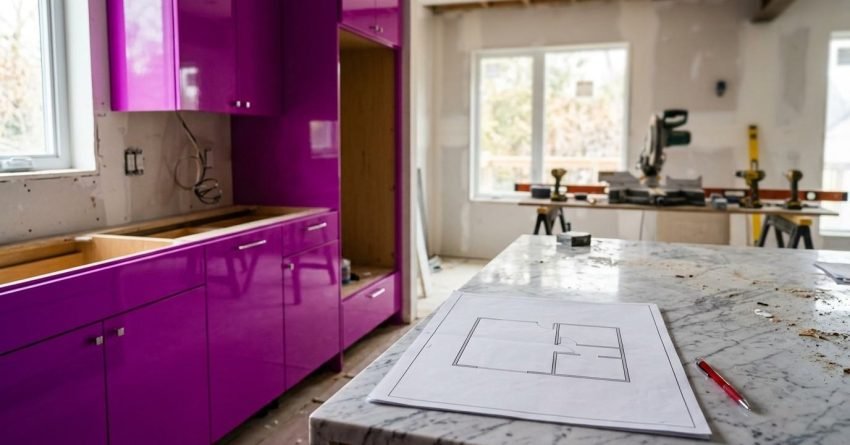
Bold colour schemes, unconventional floor plans, themed rooms, and luxury finishes that suit a specific lifestyle rarely translate into broad buyer appeal. A home cinema replacing a fourth bedroom, a wine cellar consuming garage space, or floor-to-ceiling custom joinery in a mid-range suburb all signal additional cost to buyers rather than added value.
Buyers mentally calculate what it will cost to undo your choices. That calculation reduces what they are willing to offer.
Removing Bedrooms or Reducing Functional Living Space
Combining two bedrooms into one oversized master suite, converting a bedroom into a walk-in wardrobe, or absorbing a room into an open-plan living area removes a key value driver. Bedroom count is one of the primary filters buyers use when searching for property. Dropping from four bedrooms to three in a family-oriented suburb can meaningfully reduce your comparable sale price and eliminate a significant portion of your target buyer pool entirely.
Structural and Compliance Changes That Create Risk Signals
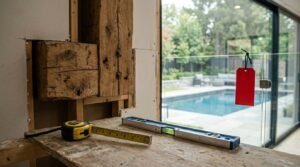
Beyond aesthetics, certain renovations introduce legal and structural complications that buyers and their conveyancers will identify during due diligence. These issues do not just reduce appeal. They can stall or collapse a sale entirely.
Unpermitted Work and Non-Compliant Additions
Garages converted to living space without council approval, structural walls removed without engineering sign-off, and extensions built outside approved plans are among the most damaging discoveries a buyer can make. In New South Wales, sellers are required to disclose known defects under NSW conveyancing disclosure obligations, which extend to unpermitted structural work.
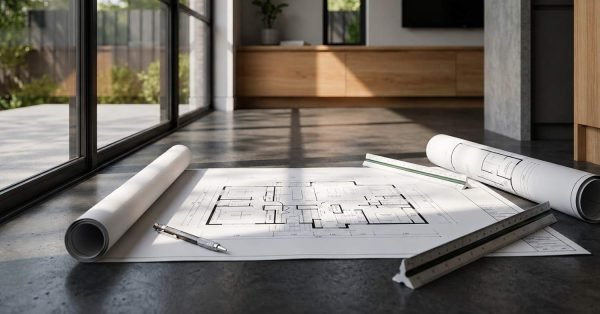
We also see garage conversions cost sellers on parking appeal specifically. Losing a legal car space in inner Sydney suburbs can be just as damaging to buyer interest as the compliance issue itself. Unpermitted work creates liability, complicates finance approvals, and forces buyers to either walk away or demand significant price reductions to account for rectification costs.
Pool Additions Without Safety Compliance
A swimming pool that does not meet current NSW pool safety barrier regulations under the Swimming Pools Act requirements is not an asset. It is a liability.
Buyers face mandatory compliance inspections before settlement. A non-compliant pool requires rectification at the seller’s or buyer’s expense, depending on negotiation outcomes. In many cases, buyers simply discount their offer to cover the anticipated cost, or they walk away from the property altogether.
Over-Capitalising for Your Suburb
We regularly see homeowners renovate to a standard the local market cannot support. A high-end kitchen renovation in a suburb with a firm price ceiling rarely returns its full cost at sale.
Buyers compare your home against recent sales in the same street and suburb, not against what you spent. When your renovation pushes the home well above comparable sales, buyers hesitate, finance valuations can fall short, and the property sits on the market longer than it should. Matching renovation scope to the suburb’s actual price ceiling protects your return far better than maximising finish quality alone.
Renovations That Limit Your Buyer Pool
Some renovations do not create legal problems or remove functional space. They simply make the property harder to maintain, harder to insure, or harder to live in for the average buyer. These upgrades often reflect the seller’s lifestyle rather than the market’s expectations.
High-Maintenance Landscaping and Outdoor Overinvestment
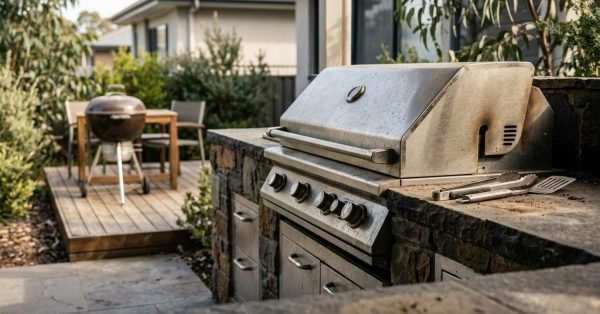
Elaborate water features, extensive formal gardens, custom outdoor kitchens, and resort-style pool areas can cost significantly more than they return at sale. Buyers see ongoing maintenance costs, not lifestyle value. In Sydney’s inner suburbs and family markets, a well-presented, low-maintenance outdoor space consistently outperforms an elaborate one.
Removing a Second Bathroom or Off-Street Parking
We treat bathroom count and parking the same way buyers do: as non-negotiable search filters, not nice-to-haves. Converting a second bathroom into a linen press or laundry to expand another room removes a feature that family buyers specifically search for.
The same applies to removing a driveway or carport for landscaping or extra garden space. In most Sydney suburbs, losing off-street parking narrows your buyer pool immediately, regardless of how attractive the rest of the renovation looks.
Poor-Quality or Unlicensed Workmanship
Not every value-reducing renovation is about design choices. We see plenty of homes where the renovation itself was completed to a poor standard, using unlicensed trades or unqualified labour to cut costs.
Building and pest inspectors are trained to spot shortcuts: uneven tiling, inadequate waterproofing, non-standard electrical work, and poor structural finishing. These issues surface in pre-purchase inspection reports and give buyers direct leverage to renegotiate price, request rectification before settlement, or walk away entirely. A renovation completed by licensed, qualified trades protects your sale price just as much as good design does.
How to Renovate Without Hurting Resale Value
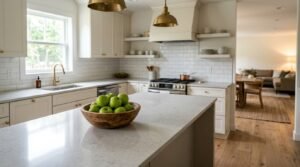
The renovations that protect and grow resale value share a common characteristic. They appeal to the broadest possible buyer demographic for that suburb and price point.
Kitchens, bathrooms, and structural improvements that meet current building standards consistently deliver stronger returns than personalised upgrades. Neutral finishes, functional layouts, and compliant construction are not compromises. They are the foundation of a property that sells quickly and at price.
When we plan a renovation scope with a client, aligning decisions with buyer expectations in that specific market is the single most effective way to protect the investment.
Conclusion
Renovations that reflect personal taste, remove functional space, or bypass compliance requirements consistently reduce buyer confidence and suppress sale outcomes. Every renovation decision made without considering resale implications carries financial risk.
For homeowners and investors in Sydney, the most valuable renovations are those that meet buyer expectations, comply with current regulations, and improve the property’s functional appeal across the widest possible market. Careful renovation budget and scope decisions made early protect long-term property value.
At Sydney Home Renovation, we help you renovate with resale value in mind, combining honest planning, compliant construction, and practical expertise to ensure every dollar you spend works harder for your property.
Frequently Asked Questions
Does a swimming pool add value to a Sydney home?
A pool can add value in the right suburb and price bracket, but only when it meets current NSW safety compliance requirements. A non-compliant pool typically reduces buyer confidence and suppresses offers at sale time.
Can removing a bedroom hurt your property value?
Yes. Bedroom count is a primary search filter for buyers. Reducing bedroom count in a family-oriented suburb can significantly lower your comparable sale price and eliminate a large portion of your target buyer pool.
What home improvements have the best ROI before selling?
Kitchen and bathroom updates, fresh neutral paint, updated flooring, and landscaping that is clean and low-maintenance consistently deliver the strongest return on investment relative to cost in the Sydney property market.
Do unpermitted renovations need to be disclosed when selling?
In New South Wales, sellers are required to disclose known defects, which include unpermitted structural work. Undisclosed non-compliant renovations can create post-settlement legal liability and significantly complicate the conveyancing process.
What renovations should you avoid before selling a house?
Avoid over-personalised design choices, removing bedrooms, adding high-maintenance outdoor features, and any structural or addition work completed without council approval. These consistently reduce buyer appeal and sale price in the Sydney market.