The right renovation can add $100,000 or more to a Sydney property’s value, but only when the scope, quality, and budget are matched to what the local market actually rewards. Not every upgrade delivers that return, and choosing the wrong project can cost more than it earns.
For homeowners, first-time renovators, and property investors in Sydney, understanding which renovations move the needle on a formal valuation is the difference between a smart capital decision and an expensive mistake. The Sydney property market is competitive, and buyers and valuers have clear expectations.
This guide breaks down the renovations that consistently add significant value in Sydney, what they cost, what they return, and how to plan a budget so the numbers work in the homeowner’s favour.
Which Home Renovations Add the Most Value in Sydney?
Not all renovations are created equal when it comes to property valuation. In Sydney’s market, value is driven by what buyers are willing to pay and what licensed valuers can justify against comparable sales. The renovations that consistently add the most value are those that improve liveability, modernise key functional spaces, and align with the expectations of buyers in a specific suburb and price bracket.
The renovations most likely to add $100,000 or more to a Sydney home include bathroom renovations, kitchen upgrades, structural layout changes such as open-plan conversions, additional bedrooms or bathrooms, and facade improvements. Each of these addresses a core buyer priority: functional space, modern finishes, and a property that feels move-in ready.
The key distinction is that value-adding renovations solve a problem the market cares about. A dated bathroom in a suburb where comparable homes have been renovated is a liability. Fixing it removes a discount buyers would otherwise apply, and in some cases positions the property above the median, which is where the $100,000 uplift becomes achievable.
How Property Valuers Assess Renovation Impact
Licensed property valuers in Sydney use a comparable sales method to determine market value. They look at recent sales of similar properties in the same suburb, adjust for differences in size, condition, and features, and arrive at a figure that reflects what a willing buyer would pay in the current market.
Renovations add value when they close the gap between a property and the best comparable sales, or when they push it into a higher comparable bracket. A bathroom renovation that brings a 1990s ensuite up to a contemporary standard can shift a property from comparing against unrenovated stock to comparing against renovated stock, which in many Sydney suburbs represents a price difference of $80,000 to $150,000.
Valuers also assess quality of workmanship, compliance with building codes, and whether the renovation is consistent with the rest of the property. A premium bathroom in a home with a neglected kitchen and worn flooring will not achieve its full valuation potential because the overall presentation is inconsistent.
What $100,000 in Added Value Actually Looks Like
Adding $100,000 to a property’s value is not a single renovation outcome. It is typically the result of one or two well-executed, high-impact projects that lift the property’s position in the local market.
In practical terms, a $100,000 value uplift in Sydney might look like a full bathroom renovation that transforms a dated, non-functional bathroom into a contemporary, well-finished space, combined with a kitchen refresh that modernises benchtops, cabinetry, and appliances. Alternatively, it might be a structural change that adds a second bathroom to a three-bedroom home that previously had only one.
Consider a typical case: a three-bedroom, one-bathroom home in Marrickville renovates its single bathroom for $28,000 and refreshes its dated kitchen for $32,000. Combined, that $60,000 investment shifts the property’s comparable set from “original condition” stock to “renovated” stock, closing an $80,000 to $120,000 valuation gap.
The $100,000 figure is achievable, but it requires deliberate planning. The renovation must address what the market values, be executed to a standard consistent with comparable properties, and be completed within a budget that leaves a meaningful margin between cost and return.
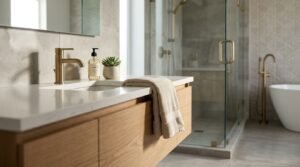
Bathroom Renovations and Their Effect on Property Value
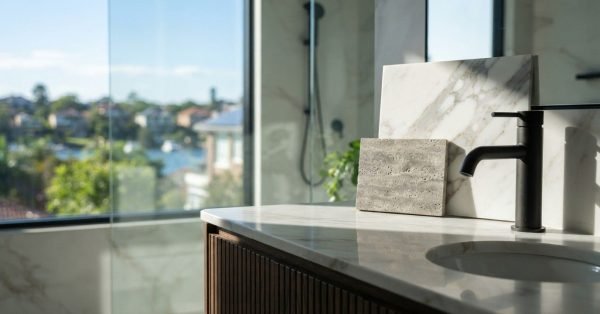
Bathroom renovations are consistently ranked among the highest-return renovation investments in Australian residential property. In Sydney, where buyer expectations are high and competition between comparable properties is intense, a well-executed bathroom renovation can be one of the most effective ways to add significant value.
The bathroom is a space buyers scrutinise closely during inspections. Dated tiles, poor waterproofing, inadequate storage, and inefficient layouts are all factors buyers use to negotiate price reductions.
A modern, functional bathroom removes those negotiating points and positions the property as move-in ready, which commands a premium in Sydney’s market. For property investors, a renovated bathroom also supports higher rental yields and reduces vacancy periods, which improves the investment case beyond the capital value uplift.
Why Bathrooms Are One of the Highest-Return Renovations
The return on a bathroom renovation is driven by the gap between buyer expectations and the current condition of the space. In Sydney suburbs where the median house price sits above $1.2 million, buyers expect bathrooms to be modern, waterproofed, and well-finished.
A bathroom renovation costing $18,000 to $35,000 in Sydney can generate a value uplift of $40,000 to $80,000 in the right suburb and price bracket. That return is not guaranteed, but it is consistently achievable when the renovation is planned to match the expectations of buyers in that specific market.
The return is also compounded when the bathroom renovation is part of a broader presentation strategy. A renovated bathroom alongside fresh paint, updated flooring, and a tidy kitchen creates a cohesive impression that supports a higher comparable sale price.
What a Value-Adding Bathroom Renovation Costs in Sydney
A value-adding bathroom renovation in Sydney typically costs between $18,000 and $45,000 for a standard bathroom, depending on the size of the space, the quality of fittings and finishes selected, and whether structural or waterproofing work is required.
At the lower end of that range, a renovation includes new tiles, a new vanity, toilet, shower screen, tapware, and lighting, with waterproofing and tiling labour included. At the upper end, the scope expands to layout changes, floor-to-ceiling tiling, freestanding baths, heated towel rails, and premium fixtures from brands such as Caroma, Reece, or Rogerseller.
The cost breakdown for a mid-range Sydney bathroom renovation typically looks like this:
| Cost Category | Estimated Cost Range |
| Waterproofing and tiling | $4,500 – $8,000 |
| Vanity, basin, and tapware | $1,800 – $4,500 |
| Toilet suite | $600 – $1,800 |
| Shower screen and fittings | $900 – $2,500 |
| Lighting and exhaust fan | $400 – $1,200 |
| Labour (plumbing and electrical) | $4,000 – $8,000 |
| Project management and coordination | $1,500 – $3,500 |
| Contingency (10-15%) | $1,500 – $3,500 |
| Total | $15,200 – $33,000 |
These figures reflect Sydney labour rates and current material costs. Older homes may require additional waterproofing remediation, asbestos testing, or structural repairs that sit outside the base renovation scope.
Budget vs. Mid-Range vs. Premium Bathroom Renovations
Understanding the three tiers of bathroom renovation helps homeowners and investors match spend to the return available in their specific suburb.
Budget bathroom renovation ($12,000 – $18,000): Focuses on replacing like-for-like fittings, retiling, and refreshing the space without layout changes. Suitable for investment properties or entry-level homes where the market does not reward premium finishes.
Mid-range bathroom renovation ($18,000 – $35,000): The most common value-adding tier for Sydney owner-occupiers. Includes quality fittings, full retiling, updated layout where beneficial, and finishes that align with buyer expectations in the $1.2 million to $2.5 million price bracket.
Premium bathroom renovation ($35,000 – $65,000+): Appropriate for high-value properties in prestige suburbs such as Mosman, Balmain, or Hunters Hill, where buyers expect luxury finishes and comparable sales support the investment. Over-capitalising at this tier in the wrong suburb is a real risk.
Kitchen Renovations That Increase Home Value
The kitchen is the second space buyers and valuers focus on after the bathroom. In Sydney, a dated or poorly functional kitchen is one of the most common reasons a property sells below its potential.
Kitchen renovations add value by improving functionality, modernising the aesthetic, and signalling that the home has been well maintained. In family-oriented suburbs, the kitchen is the social centre of the home, and buyers place significant weight on its quality and layout.
The return on a kitchen renovation in Sydney is strong when the scope is matched to the property’s price bracket. A kitchen renovation that costs $25,000 to $45,000 can generate a value uplift of $50,000 to $90,000 in the right market conditions.
What Buyers and Valuers Look for in a Kitchen
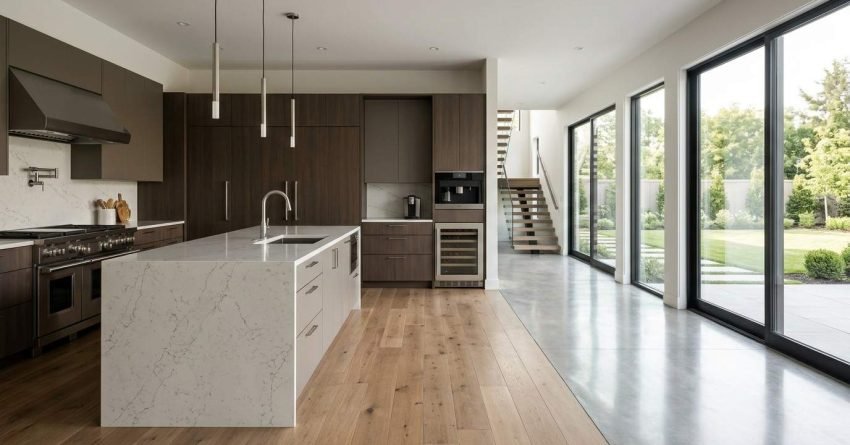
Buyers in Sydney’s competitive market look for kitchens that are functional, modern, and consistent with the overall quality of the home. The specific features that drive buyer preference and valuation uplift include stone benchtops, quality cabinetry with soft-close hardware, integrated or stainless steel appliances, adequate storage, and a layout suited to modern family use.
Valuers assess kitchens against comparable sales. A kitchen with stone benchtops and quality appliances in a suburb where renovated homes consistently sell above $1.5 million will support a higher valuation than the same kitchen in a suburb where the median is $900,000.
Buyers also respond strongly to kitchens that connect to outdoor entertaining areas. In Sydney’s climate, a kitchen that opens to a deck or alfresco space is a significant lifestyle feature that supports premium pricing.
Kitchen Renovation Costs vs. Value Added in Sydney
A mid-range kitchen renovation in Sydney typically costs between $25,000 and $55,000, depending on the size of the kitchen, the quality of cabinetry and appliances selected, and whether structural changes such as wall removal or island bench addition are included.
| Kitchen Renovation Tier | Cost Range | Estimated Value Uplift |
| Budget refresh (new benchtops, paint, hardware) | $8,000 – $15,000 | $15,000 – $30,000 |
| Mid-range full renovation | $25,000 – $45,000 | $50,000 – $90,000 |
| Premium renovation with structural changes | $50,000 – $90,000+ | $80,000 – $150,000+ |
The value uplift figures above are indicative and depend heavily on the suburb, the current condition of the property, and the quality of comparable sales. A kitchen renovation in Parramatta will have a different return profile than the same renovation in Paddington.
Structural and Layout Changes That Unlock Hidden Value
Some of the most significant value gains in Sydney property come not from cosmetic upgrades but from structural changes that improve the functional layout of the home. These renovations are more complex and carry higher costs.
A three-bedroom home with one bathroom in a family suburb is functionally limited compared to a three-bedroom home with two bathrooms. A home with a closed, compartmentalised layout feels smaller and less liveable than the same floor area in an open-plan configuration.
These functional differences translate directly into price differences at sale.
Open-Plan Conversions and Their Impact on Appraisals
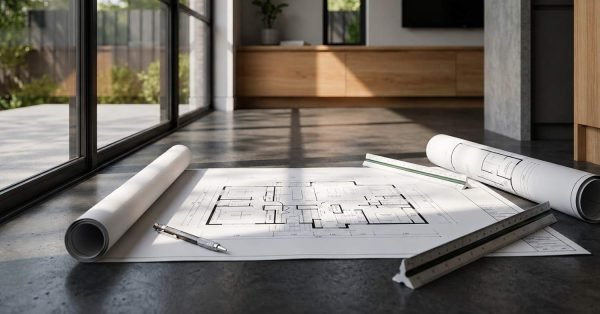
Removing a non-structural wall to create an open-plan kitchen, dining, and living area is one of the most consistently value-adding structural renovations in Sydney. Buyers strongly prefer open-plan living, and properties with closed, compartmentalised layouts are frequently discounted against comparable open-plan homes.
The cost of an open-plan conversion in Sydney ranges from $15,000 to $45,000, depending on whether the wall is structural, the extent of flooring and ceiling work required, and whether the kitchen needs to be relocated. When a structural wall is involved, engineering certification and council approval may be required, which adds cost and time.
The value uplift from a well-executed open-plan conversion can be $40,000 to $80,000 in suburbs where open-plan living is a strong buyer preference.
Adding a Bedroom or Bathroom to Increase Property Value
Adding a bedroom or bathroom to a Sydney property is one of the most direct ways to increase its market value because it changes the property’s comparable category. A two-bedroom home that becomes a three-bedroom home is compared against three-bedroom stock, which in most Sydney suburbs commands a significantly higher price.
Adding a bedroom through a garage conversion, attic conversion, or extension typically costs between $30,000 and $80,000 in Sydney. The value uplift from moving from two to three bedrooms in a suburb like Marrickville or Leichhardt can be $100,000 to $200,000, making this one of the highest-return structural renovations available.
Adding a second bathroom to a three-bedroom home in a family suburb follows similar logic. The cost ranges from $20,000 to $45,000, and the value uplift in family-oriented suburbs can be $50,000 to $100,000.
Granny Flats and Secondary Dwellings as a $100,000+ Value Strategy
A granny flat or secondary dwelling is one of the most direct ways to add both rental income and capital value to a Sydney property. Unlike a single-room addition, a self-contained secondary dwelling changes what the property offers a buyer entirely, appealing to multi-generational families and investors seeking dual income.
A granny flat in Sydney typically costs $120,000 to $180,000 to build under a complying development pathway, depending on size and finish level. The value uplift can range from $100,000 to $180,000, with the added benefit of rental income that improves serviceability for investors.
This strategy works best on blocks with adequate space and side or rear access, and it should be assessed against council minimum lot size and setback requirements before committing to a budget.
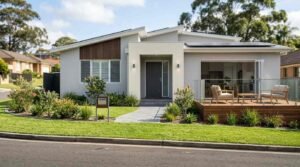
Outdoor and Facade Renovations That Boost Kerb Appeal
First impressions matter in property. The facade and outdoor areas of a Sydney home are the first things buyers see at an inspection, and they set the tone for everything that follows.
Outdoor renovations that add value in Sydney include landscaping, decking, alfresco entertaining areas, and facade upgrades such as painting, rendering, and replacing dated cladding. These renovations are often lower in cost than structural or wet area renovations, but their impact on buyer perception can be substantial.
Landscaping, Decking, and Outdoor Entertaining Areas
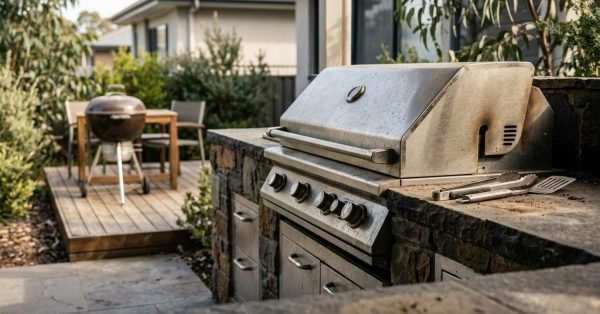
Sydney’s climate makes outdoor living a genuine lifestyle priority for buyers. A well-designed outdoor entertaining area, whether a timber deck, a concrete alfresco, or a landscaped garden with a pergola, is a feature buyers actively seek and are willing to pay for.
A timber deck in Sydney costs between $8,000 and $25,000 depending on size, materials, and whether council approval is required. A landscaped garden with turf, garden beds, and irrigation can cost $5,000 to $20,000. The combined value uplift from a well-presented outdoor area can be $20,000 to $50,000.
The return on outdoor renovations is highest when the outdoor area connects logically to the indoor living space and when the quality of the outdoor finish is consistent with the interior presentation.
Facade Upgrades and First Impressions at Appraisal
A fresh exterior paint job, rendered facade, or updated front landscaping can transform the street presence of a Sydney home and generate a disproportionate return relative to cost. Buyers form an impression of a property within seconds of arriving.
Exterior painting in Sydney costs between $4,000 and $12,000 for a standard house, depending on size and surface preparation required. Rendering a brick facade costs $8,000 to $25,000. The value uplift from a strong facade upgrade can be $15,000 to $40,000.
Energy efficiency improvements are increasingly part of this first impression. Solar panels, upgraded insulation, and double glazing are features buyers actively ask about, and their presence can reinforce the impression of a well-maintained, forward-planned property even before a valuer weighs them financially.
Renovations That Rarely Add $100,000 in Value
Not every renovation delivers a strong return. Some projects are expensive to complete but generate limited valuation uplift because they address features the market does not strongly reward.
Understanding which renovations rarely add $100,000 in value is as important as knowing which ones do. Spending $60,000 on a renovation that adds $30,000 in value is a $30,000 loss, regardless of how much the homeowner enjoys the result.
Over-Capitalising: When Renovation Costs Exceed Returns
Over-capitalising occurs when the total cost of a renovation exceeds the value it adds to the property. It is one of the most common and costly mistakes Sydney homeowners and investors make, almost always the result of misaligning the renovation standard with the suburb’s price ceiling.
Every suburb has a price ceiling, the maximum price buyers in that market will pay regardless of the quality of the property. If comparable homes in a suburb sell for $1.1 million at their best, spending $150,000 on renovations to achieve a $1.2 million sale price is unlikely to work.
Over-capitalising is most common with premium kitchen and bathroom renovations in entry-level suburbs, swimming pool additions, and home theatre or entertainment room installations. These features appeal to a narrow buyer segment and do not generate broad market demand.
Cosmetic Upgrades With Limited Valuation Impact
Cosmetic upgrades such as new carpet, fresh internal paint, updated light fittings, and new curtains improve the presentation of a property and can support a faster sale, but they rarely add $100,000 in value on their own. Their primary function is to remove buyer objections, not to fundamentally shift market position.
Internal paint in Sydney costs $4,000 to $12,000 for a standard home. New carpet costs $3,000 to $8,000. These are worthwhile investments before a sale, but they should be understood as presentation tools rather than value-creation strategies.
Which renovations give the best return on investment for Sydney homeowners? The answer depends on the property’s current condition, the suburb’s price ceiling, and the gap between what the property offers and what comparable sales deliver.
How to Prioritise Renovations for Maximum Return on Investment
Prioritising renovations for maximum return requires a clear understanding of a property’s position in the local market. The starting point is not what an owner wants to renovate but what the market is rewarding in that suburb right now.
The most effective approach is to identify the gap between a property and the best comparable sales in its suburb. If the top comparable sales have two bathrooms and the property has one, adding a bathroom is a high-priority renovation.
Matching Renovation Scope to Your Suburb’s Price Ceiling
Every suburb in Sydney has a price ceiling, and every renovation decision should be made with that ceiling in mind. The price ceiling is determined by the quality and price of comparable sales, not by the cost of the renovation.
Before committing to a renovation budget, research recent sales of renovated properties in the suburb. Identify the highest prices achieved and the features those properties offered, since that research sets the upper limit of the renovation investment.
In Sydney’s inner west, northern beaches, and eastern suburbs, price ceilings are high enough to support significant renovation investment. In outer western suburbs, the ceiling is lower, and renovation budgets need to be calibrated accordingly.
Renovation Sequencing: What to Do First for Best Results
The order in which renovations are completed affects both the cost and the quality of the outcome. Structural and wet area work should always come before cosmetic finishes.
The recommended renovation sequence for a Sydney home targeting maximum value uplift is:
- Structural work (wall removal, extensions, additions)
- Wet area renovations (bathrooms, laundry)
- Kitchen renovation
- Flooring and internal painting
- Outdoor and facade improvements
- Styling and presentation
Following this sequence minimises rework and protects completed finishes. A full multi-room renovation typically takes 10 to 16 weeks from start to finish once council approvals are secured, with single-room projects such as a bathroom or kitchen usually completed in 3 to 6 weeks.
Hidden Costs That Reduce Your Renovation ROI
Hidden costs are one of the most common reasons renovation budgets blow out, and returns fall short of expectations. In Sydney, where labour costs are high and older housing stock frequently conceals compliance and structural issues, understanding the full cost of a renovation before starting is essential.
Council Approvals, Permits, and Compliance Costs in Sydney
Many renovations in Sydney require council approval or a complying development certificate before work can begin. Structural changes, additions, and certain wet area renovations all fall within this scope.
Council approval costs in Sydney vary by council and project scope. A development application for a structural renovation can cost $2,000 to $8,000 in fees alone, with additional costs for architectural drawings, engineering certification, and surveying. The approval process can also add four to twelve weeks to the project timeline.
Complying development certificates, a faster approval pathway for eligible projects, typically cost $1,500 to $4,000 and can be processed in ten to twenty business days.
Structural Surprises and Contingency Budgeting
Older Sydney homes, particularly those built before 1980, frequently contain structural issues, asbestos-containing materials, and substandard waterproofing that are not visible until walls or floors are opened up. These discoveries can add $5,000 to $30,000 to a renovation budget depending on the extent of the issue.
Asbestos testing and removal in Sydney costs $1,500 to $8,000 depending on the quantity and type of material involved. Structural repairs to damaged framing or subfloor can cost $3,000 to $15,000.
The standard industry recommendation is to include a contingency of 10 to 15 percent of the total renovation budget. For a $30,000 bathroom renovation, that means holding $3,000 to $4,500 in reserve. For a $100,000 multi-room renovation, the contingency should be $10,000 to $15,000.
How to Plan a Renovation Budget That Protects Your Return
A renovation budget that protects a return is one built on accurate cost information, accounts for all likely expenses including contingencies, and is calibrated to the value the renovation can realistically achieve.
The most common budgeting mistake is underestimating costs and overestimating returns. Both errors lead to the same outcome: a renovation that costs more than expected and delivers less value than planned.
Getting Accurate Quotes and Comparing Contractors
Accurate quotes are the foundation of a reliable renovation budget. In Sydney, renovation costs vary significantly between contractors, and the cheapest quote is rarely the best value.
When comparing renovation quotes, ensure each quote covers the same scope of work. Request itemised quotes that break down labour, materials, fittings, and project management separately. It is also worth confirming licensing directly, since unlicensed or underqualified trade work can create compliance issues that reduce a property’s valuation and complicate a future sale.
Three quotes are the minimum for any renovation project above $15,000. For larger projects, engaging a quantity surveyor or independent cost consultant to review quotes can identify discrepancies and protect the budget.
Financing a Value-Adding Renovation
Most Sydney homeowners fund renovations through a combination of savings, a construction loan, or a redraw against existing home equity. Lenders generally require a fixed-price building contract and council-approved plans before releasing progress payments, so having accurate quotes early also speeds up finance approval.
For investors, renovation costs financed through equity should still be measured against the same price-ceiling logic that applies to cash-funded projects. Borrowing more than the local market will return on resale or refinance simply shifts the over-capitalisation risk onto a loan rather than removing it.
How Sydney Home Renovation Helps You Renovate With Confidence
At Sydney Home Renovation, we understand that the financial outcome of a renovation matters as much as the physical result. Our approach starts with transparent cost breakdowns that give homeowners a clear picture of what their renovation will cost before work begins, not after.
We provide itemised quotes covering every aspect of the project, from waterproofing and tiling to plumbing, electrical, and project coordination. We identify potential hidden costs during the planning phase and build realistic contingencies into the budget so clients are not caught off guard mid-project.
Our team coordinates every trade, manages the project timeline, and communicates clearly at every stage. Whether renovating a bathroom to add value before a sale, upgrading a kitchen to attract better tenants, or building a granny flat to unlock a property’s full potential, we deliver the expertise, honesty, and workmanship that Sydney homeowners and investors rely on.
Conclusion
The renovations that add $100,000 to a Sydney home’s value are those that address what the market rewards: functional wet areas, modern kitchens, improved layouts, and strong street presence. Bathroom and kitchen renovations consistently deliver the strongest returns, particularly when scope and quality are matched to the suburb’s price ceiling.
Planning matters as much as execution. Hidden costs, over-capitalisation, and misaligned renovation scopes are the most common reasons renovations fall short of their financial potential, and getting the budget right from the start is what separates a profitable renovation from an expensive one.
At Sydney Home Renovation, we help homeowners and investors plan and deliver renovations that are built for value. Contact us today to discuss your renovation goals and get a transparent, itemised quote that gives you the confidence to move forward.
Frequently Asked Questions
What renovation adds the most value to a home in Sydney?
Bathroom and kitchen renovations consistently add the most value to Sydney homes relative to their cost. A mid-range bathroom renovation costing $18,000 to $35,000 can generate a value uplift of $40,000 to $80,000 in the right suburb.
Can a bathroom renovation really add $100,000 to a property’s value?
Yes, in the right suburb and price bracket, a bathroom renovation can contribute significantly to a $100,000 value uplift, particularly when combined with other improvements such as a kitchen refresh or open-plan conversion. The return depends on the property’s current condition and the gap against comparable sales.
How much does a value-adding bathroom renovation cost in Sydney?
A value-adding bathroom renovation in Sydney typically costs between $18,000 and $45,000 for a standard bathroom. Budget renovations start from around $12,000, while premium renovations in prestige suburbs can exceed $65,000.
What is over-capitalising and how do I avoid it?
Over-capitalising occurs when the cost of a renovation exceeds the value it adds to the property. To avoid it, research the price ceiling in the suburb by reviewing recent sales of renovated comparable properties, and set the renovation budget so the expected return comfortably exceeds the cost.
Do I need council approval for a bathroom renovation in Sydney?
Most standard bathroom renovations do not require council approval, provided they do not involve structural changes or alterations to the building’s footprint. Removing walls or relocating plumbing beyond minor adjustments may require a complying development certificate.
What is the best renovation to add a bedroom to a Sydney home?
The most cost-effective ways to add a bedroom include garage conversions, attic conversions, and internal reconfiguration of existing floor space. In family-oriented suburbs, moving from two to three bedrooms can add $100,000 to $200,000 in market value.
How much contingency should I budget for a Sydney renovation?
The standard recommendation is a contingency of 10 to 15 percent of total renovation cost. Older Sydney homes built before 1980 may warrant 15 to 20 percent due to the increased likelihood of discovering asbestos or structural issues once walls and floors are opened.