
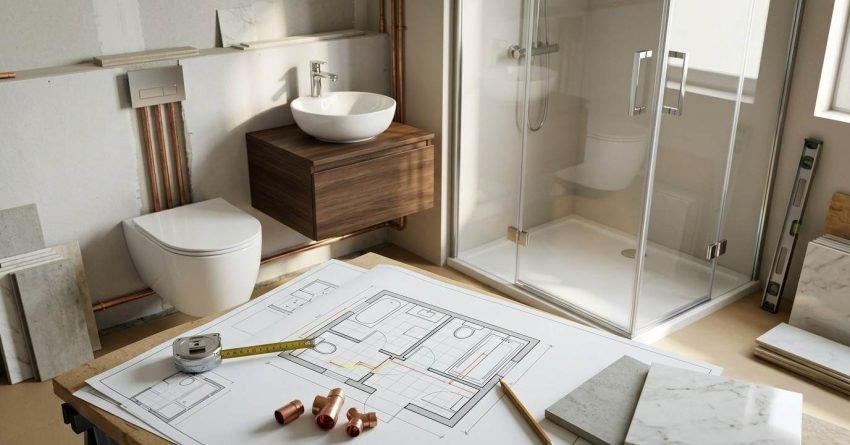
We generally recommend positioning the toilet next to the shower for the best plumbing efficiency, while the sink offers more flexibility in where it sits. Keeping fixtures on a shared wet wall reduces pipe runs and can save you real money on a bathroom renovation.
For Sydney homeowners planning a renovation, we’ve found that fixture placement isn’t just about aesthetics. It shapes your plumbing costs, your waterproofing requirements, and how smoothly your bathroom works day-to-day.
In this guide, we break down the practical, financial, and compliance factors behind bathroom layout decisions. We cover which configurations work best for different bathroom sizes and how you can avoid costly mistakes.
Why Bathroom Fixture Placement Matters for Your Renovation
Layout decisions made during planning ripple through your entire renovation budget. The position of your toilet, sink, and shower determines how much plumbing work you’ll need, how waterproofing gets applied, and whether your finished bathroom actually works for your household.
How Layout Affects Plumbing Costs
Every fixture in your bathroom connects to two systems: water supply and drainage. The drainage system is where layout decisions get expensive.
Toilets require a 100mm waste pipe connecting to your home’s main sewer stack. Showers and sinks use smaller 50mm pipes. When fixtures sit close together on the same wall, plumbers can connect them efficiently to a single drainage run.
Moving a toilet away from the existing stack usually means cutting into floor slabs, extending pipework, and ensuring correct fall gradients. We’ve seen relocation add meaningfully to a plumbing bill depending on access and slab conditions. Keeping your toilet adjacent to the shower, both connected to the same wet wall, minimises these costs.
The Connection Between Fixture Position and Daily Functionality
Beyond budget, layout affects how your bathroom performs every morning. A toilet positioned directly opposite the shower door creates awkward sightlines, and a sink placed too far from the shower means wet footprints across the floor.
We consider traffic flow, door swings, and how multiple household members use the space at once when we plan a layout. The best configurations balance plumbing efficiency with practical daily use.
Should the Toilet Be Next to the Shower?
We recommend positioning your toilet adjacent to the shower for most bathroom renovations. Here’s why this configuration works well.
Plumbing Efficiency and Cost Savings
The toilet is the most expensive fixture to relocate because of its large-diameter waste pipe requirements. When it sits next to the shower, both fixtures share the same wet wall and drainage stack.
This shared infrastructure reduces pipe materials, labour hours for plumbing rough-in, and waterproofing complexity by consolidating the wet zone. Keeping the toilet on its original wall is one of the biggest cost-saving decisions you can make in a bathroom renovation.
Space Considerations in Sydney Bathrooms
Sydney bathrooms, particularly in apartments and older homes, often measure between 3 and 5 square metres. In compact spaces, every centimetre matters.
Placing the toilet next to the shower along one wall frees up the opposite wall for the vanity and mirror. This creates a clear circulation path and makes the room feel larger.
The minimum clearance required in front of a toilet is 450mm under Australian standards. Positioning it beside the shower rather than opposite helps you maintain this clearance without cramping the room.
Privacy and Comfort Factors
Some homeowners worry about privacy when the toilet sits close to the shower. In our experience, this concern is manageable.
A fixed glass shower screen or partial wall provides visual separation, and the toilet remains accessible without being the first thing visible when the bathroom door opens. For households where multiple people use the bathroom at once, we often recommend a layout with the toilet slightly recessed or screened by a half-wall, adding privacy without sacrificing plumbing efficiency.
Should the Sink Be Next to the Shower?
The sink, or vanity, offers more placement flexibility than the toilet. Whether it should sit next to the shower depends on your bathroom’s size, ventilation, and how you use the space.
Wet Zone Planning and Waterproofing Benefits
Australian waterproofing standards require specific treatment for wet areas, and the shower is always a wet zone. The area around the sink may or may not need full waterproofing depending on its position.
Placing the sink adjacent to the shower can simplify waterproofing by consolidating the wet zone on one side of the bathroom. A vanity sitting outside the shower’s splash zone, typically more than 900mm away, may only need water-resistant materials rather than a full membrane, which can reduce costs slightly.
Ventilation and Moisture Control
Sinks positioned near showers experience higher humidity levels. We see this affect mirror fogging, cabinet longevity, and mould risk around silicone seals and grout.
A properly sized exhaust fan rated for your bathroom’s volume is essential regardless of layout. We find that separating the vanity from the shower slightly can reduce direct steam exposure.
Practical Access and Morning Routines
We always ask clients how their household uses the bathroom during peak times. When one person showers while another uses the sink, positioning these fixtures apart provides functional separation, and the person at the vanity stays dry with clear mirror access.
In smaller bathrooms where simultaneous use isn’t practical, placing the sink near the shower creates a compact, efficient layout. We consider this trade-off acceptable when space is genuinely limited.
Australian Building Code Requirements for Bathroom Layouts
Bathroom renovations in NSW must comply with the Building Code of Australia (BCA) and relevant Australian Standards. These regulations set minimum clearances and wet area requirements that shape your layout options.
Minimum Clearances Around Fixtures
The BCA and AS 3740 specify minimum clearances for bathroom fixtures:
| Fixture | Minimum Front Clearance | Minimum Side Clearance |
| Toilet | 450mm | 200mm to wall or fixture |
| Shower | 750mm x 750mm internal | N/A |
| Vanity | 450mm | Varies by configuration |
These clearances ensure safe, accessible use, and comfortable bathrooms exceed these minimums where possible. For toilets, the 200mm side clearance allows placement directly adjacent to a shower screen or wall, which is why toilet-next-to-shower layouts work well even in compact spaces.
Wet Area Compliance in NSW
Waterproofing requirements under AS 3740 define wet areas as the entire shower recess floor and walls to 1800mm height, floor areas within 100mm of the shower at minimum, and any area subject to direct water exposure.
Your waterproofing contractor must provide a certificate of compliance. Fixture placement affects how much area requires waterproofing membrane application, which influences both cost and inspection requirements. We find that keeping fixtures consolidated on one or two walls simplifies compliance and reduces waterproofing labour.

Cost Implications of Different Bathroom Layouts
Your bathroom layout directly impacts renovation costs. Understanding these cost drivers helps you make informed decisions about fixture placement.
How Moving Fixtures Increases Labour and Materials
Relocating fixtures from their existing positions triggers additional work across plumbing, waterproofing, and finishing trades.
| Fixture | Relocation Impact | Relative Cost Level |
| Toilet | Waste pipe extension, possible slab cutting, additional waterproofing | High |
| Shower | New floor waste, extended supply lines, new waterproofing | Medium–High |
| Vanity | Extended supply/waste lines, possible electrical relocation | Low–Medium |
These costs compound quickly when a layout moves all three fixtures to new positions. We always recommend budgeting conservatively if a full relocation is on the table.
Budget-Friendly Layout Strategies
The most cost-effective approach keeps fixtures in their original positions or moves them minimally along the same wall. Strategies we recommend to control costs:
- Keep the toilet on its existing stack; this single decision often saves the most money
- Maintain the shower in its current corner, since floor waste relocation is disruptive and expensive
- Adjust vanity position for aesthetics, since sinks are cheapest to move and offer design flexibility
- Use the same wet wall for toilet and shower to consolidate plumbing and waterproofing
For Sydney renovations on a tight budget, we suggest working with existing plumbing positions while upgrading fixtures and finishes.
When Relocating Fixtures Is Worth the Investment
Sometimes moving fixtures makes sense despite the cost. We consider it worthwhile when correcting a genuinely dysfunctional layout, expanding a small bathroom into adjacent space, improving accessibility for ageing in place, or maximising resale value in premium properties.
When your current layout creates real problems, poor ventilation, inadequate clearances, or impractical traffic flow, we recommend a professional assessment to determine whether the benefits justify the costs.
Best Bathroom Layout Configurations for Sydney Homes
Different bathroom sizes call for different layout strategies. Here are configurations we see work well.
Small Bathroom Layouts (Under 4sqm)
Compact bathrooms demand efficient use of every centimetre. We favour two approaches here.
A linear layout runs all fixtures along one wall, toilet, shower, and vanity in sequence, maximising floor space and circulation in narrow bathrooms. A corner shower layout places the shower in the corner with the toilet adjacent and the vanity on the opposite wall, which works well in square rooms under 3sqm.
In small bathrooms, we almost always place the toilet next to the shower. It consolidates plumbing and leaves the remaining wall free for the vanity and door swing.
Standard Bathroom Layouts (4–6sqm)
Mid-sized bathrooms offer more flexibility. An L-shaped wet zone puts the shower and toilet on one wall with the vanity on an adjacent wall at 90 degrees, creating clear separation between wet and dry zones.
An opposite wall layout puts the shower and toilet on one wall with the vanity centred on the opposite wall, creating symmetry, though it requires a minimum room width of 1.8m. We find these layouts work well for family bathrooms where functionality and durability matter most.
Large or Master Bathroom Layouts
Bathrooms over 6sqm allow for premium configurations. A separate toilet alcove places the toilet in a semi-enclosed space with the shower and vanity in the main area, offering maximum privacy at a higher cost.
A double vanity with a freestanding bath layout screens the toilet from the main space and includes twin basins for couples, requiring a minimum of 8sqm for comfort. In larger bathrooms, we let clients prioritise aesthetics and comfort over pure plumbing efficiency, though keeping the toilet near the main stack still reduces costs.
Common Mistakes When Planning Bathroom Fixture Placement
Avoiding these errors saves money and prevents regret after your renovation is complete.
Ignoring Existing Plumbing Locations
The most expensive mistake we see is designing a dream layout without considering where pipes currently run. Before finalising any design, we identify the location of the main sewer stack, existing floor waste positions, hot and cold supply line routes, and any access limitations in the floor or walls.
Working with existing infrastructure, or making only minor adjustments, keeps your budget under control.
Prioritising Aesthetics Over Function
Pinterest-worthy bathrooms don’t always function well in real life. We regularly flag floating vanities with inadequate storage, frameless glass screens in tight spaces that need precise installation and upkeep, and toilets hidden in awkward corners that create cleaning difficulties and poor ventilation.
We always balance visual appeal with practical considerations. A beautiful bathroom that frustrates you daily isn’t a successful renovation.
Underestimating Waterproofing Requirements
Waterproofing failures cause the most serious bathroom problems: mould, structural damage, and costly repairs. Layout decisions affect waterproofing complexity, since fixtures spread across multiple walls increase the waterproofed area and showers without proper hobs or setdowns risk water escaping the wet zone.
Your waterproofing must be inspected and certified before tiling. We ensure every layout we design allows for proper membrane application and drainage falls.
How to Decide the Right Layout for Your Bathroom Renovation
Making the final decision requires balancing multiple factors. Here’s the framework we use with clients.
Assessing Your Current Plumbing Stack
We start by locating the main stack, usually visible in the ceiling space below or accessible via an inspection point, identifying floor waste positions, and checking supply line access. This information shapes which layout options are cost-effective, and we map these elements during the quoting process.
Balancing Budget, Space, and Lifestyle Needs
We work through a priority list with every client. A budget-first approach keeps fixtures in existing positions and upgrades fittings, tiles, and finishes. A function-first approach relocates fixtures that create daily problems and invests in usability improvements. A resale-first approach chooses layouts that appeal to broad buyer preferences and prioritises quality finishes.
Most successful renovations blend these priorities based on how long you’ll live in the property and your available budget.
Working with a Renovation Contractor
We help clients navigate layout decisions by providing realistic cost estimates for different configurations, identifying hidden issues like asbestos, structural limitations, or access problems, recommending proven layouts for your bathroom size, and coordinating trades so plumbing, waterproofing, and tiling align.
We recommend early consultation, before you finalise designs, to prevent expensive changes mid-project. Bring your ideas and budget to the initial meeting and let us advise on what’s achievable.
Conclusion
Bathroom fixture placement decisions shape both your renovation budget and daily experience. Positioning the toilet next to the shower typically offers the best balance of plumbing efficiency and cost savings, while the sink gives you more flexibility depending on your space and preferences.
Understanding Australian building requirements, cost implications, and layout options helps you make confident decisions. Whether you’re working with a compact Sydney apartment bathroom or a spacious master ensuite, the right configuration maximises value without unnecessary expense.
We help Sydney homeowners plan and execute bathroom renovations with transparent pricing and practical expertise. Contact Mr. Local Services to discuss your layout options and receive a detailed quote tailored to your property.
Frequently Asked Questions
Does it cost more to put the toilet away from the shower?
Yes. Moving the toilet away from the shower increases plumbing costs because it requires a large-diameter waste pipe extension. Greater distance means more pipework, potential slab cutting, and additional labour.
What is the ideal distance between toilet and shower?
The minimum side clearance from a toilet to any fixture or wall is 200mm under Australian standards. In practice, 300 to 500mm provides comfortable access for cleaning and use, and greater separation increases plumbing costs.
Can I move my toilet to a different wall during renovation?
Yes, though it’s an expensive change. Relocating a toilet requires extending the waste pipe, ensuring correct drainage fall, and potentially cutting into concrete slabs, so we recommend budgeting generously for this work.
Should the vanity be inside or outside the wet area?
The vanity can sit either way. Placing it outside the wet zone reduces waterproofing requirements and protects cabinetry from moisture, while a vanity inside the wet area needs water-resistant materials and adequate ventilation.
What layout works best for a small Sydney bathroom?
Linear layouts with all fixtures along one wall work best for bathrooms under 4sqm. We position the toilet next to the shower to consolidate plumbing and place the vanity on the opposite wall.
How does fixture placement affect resale value?
Functional, well-planned layouts appeal to buyers. Awkward configurations, toilets visible from doorways, cramped clearances, or poor ventilation can deter purchasers and reduce resale appeal.
Do I need council approval to change my bathroom layout?
Minor layout changes within an existing bathroom typically don’t require council approval in NSW. Structural changes or work affecting plumbing stacks may need certification, so we always confirm compliance requirements before starting.


