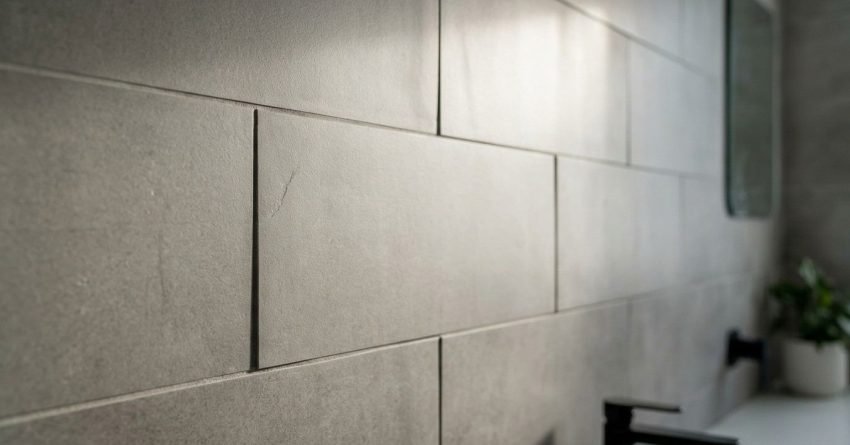
The 50 percent offset tile pattern, where each tile sits exactly halfway along the one below, creates significant lippage problems that make a finished floor or wall look uneven and unprofessional. This classic brick bond layout worked well with small, handmade tiles, but it causes visible height differences between tile edges when used with modern, large format tiles.
We see this issue come up constantly in bathroom renovation projects across Sydney.
Understanding why tilers and manufacturers advise against this pattern can save thousands in remediation costs. The issue comes down to tile manufacturing tolerances and how even slight warping becomes magnified at the halfway point.
This guide explains the technical reasons behind the recommendation, shows which offset patterns work better, and helps homeowners make informed decisions about tile layouts that deliver lasting results without budget blowouts.
What Is a 50 Percent Offset Tile Layout?
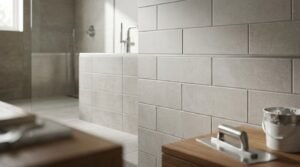
The 50 percent offset pattern positions each row of tiles so the centre of one tile aligns with the joint of the row below. This creates the traditional running bond or brick pattern that has been used in construction for centuries.
While visually appealing, this layout places maximum stress on the weakest point of tile installation: the junction where tile edges meet. Understanding how offset patterns work helps explain why this particular configuration causes problems with contemporary tiles.
Understanding Tile Offset Patterns
Tile offset refers to how much each row shifts horizontally compared to the row beneath it. A 0 percent offset means tiles stack directly on top of each other in a grid pattern, while a 50 percent offset shifts each row by exactly half a tile length.
The offset percentage determines where the corner of one tile meets the edge of tiles in adjacent rows. At 50 percent, this meeting point occurs at the exact centre of the tile below, precisely where manufacturing imperfections are most pronounced.
How 50 Percent Offset Differs from Other Layouts
With a 33 percent offset, each tile overlaps one third of the tiles below, distributing stress across multiple contact points. The 25 percent offset reduces this further, creating four contact points instead of two.
The critical difference lies in how these patterns handle tile imperfections. At 50 percent offset, any bow or warp in the tile creates maximum height difference at the centre point, while smaller offsets move this contact point closer to tile edges where warping is less severe.
Why Tilers and Manufacturers Advise Against 50 Percent Offset
Professional tilers across Sydney consistently recommend against 50 percent offset for tiles larger than 300mm. This isn’t personal preference. It reflects hard-learned experience with installation failures and manufacturer specifications that explicitly warn against this pattern.
We find this recommendation exists because modern tile manufacturing, despite advanced quality control, cannot produce perfectly flat tiles. Every tile has slight variations that become visible problems at certain offset percentages.
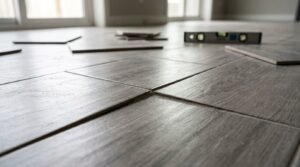
Lippage and Uneven Tile Edges
Lippage occurs when adjacent tile edges sit at different heights, creating a visible and tactile step between tiles. Australian tiling standards define acceptable lippage tolerances for floor tiles based on joint width, and staying within those tolerances becomes far harder at wider offsets.
At 50 percent offset, even tiles within manufacturing tolerance can produce lippage well beyond acceptable limits. This happens because the centre of a tile, where the adjacent tile’s corner lands, represents the point of maximum deviation from flat.
Beyond the visual problem, excessive lippage creates a genuine trip hazard and makes floors harder to clean, since dirt and moisture collect along the raised edges.
Tile Warping and Curvature Issues
All ceramic and porcelain tiles experience some degree of warping during the firing process. Manufacturing tolerances permit a small amount of bow across the length of each tile, and this is a normal part of production even with quality tiles.
When two tiles with opposing warps meet at their centres in a 50 percent offset, the combined deviation compounds. Two tiles bowed in opposite directions at their centre points can create a height difference that’s clearly visible and potentially hazardous underfoot.
Industry Standards and Manufacturer Guidelines
Major tile manufacturers explicitly state maximum recommended offsets in their installation guides. Most specify no greater than 33 percent offset for tiles over 300mm in any dimension.
These guidelines exist because manufacturers understand their own production tolerances. Ignoring them can void warranties and leave homeowners responsible for costly repairs when installations fail.
The Technical Problems with 50 Percent Offset Installation
Beyond lippage, the 50 percent offset creates structural vulnerabilities in the tile installation itself. These technical issues compound over time, leading to grout failure, tile cracking, and premature wear that requires complete replacement.
Understanding these problems helps homeowners appreciate why proper installation techniques cost more upfront but deliver better long-term value.
Substrate Flatness Requirements
For a 50 percent offset to work without lippage, the substrate must be exceptionally flat according to Australian tiling standards. Most Sydney bathroom floors and walls don’t meet this specification without extensive preparation.
Achieving this flatness requires self-levelling compounds on floors and render corrections on walls. This preparation work can meaningfully add to a renovation budget, often more than simply choosing a different offset pattern.
Grout Joint Stress and Cracking
The 50 percent offset concentrates stress at specific points along grout lines. When tiles expand and contract with temperature changes, this stress causes grout to crack at predictable locations, typically at the corners where four tiles meet.
Cracked grout allows water penetration behind tiles, leading to waterproofing failures, mould growth, and structural damage. In bathrooms, this moisture ingress can compromise the entire wet area installation within years rather than decades.
Large Format Tile Complications
The trend toward large format tiles, including 600x600mm, 600x1200mm, and larger sizes, amplifies every problem with a 50 percent offset. Larger tiles have more surface area for warping, greater weight creating stress, and more visible lippage due to longer edge lengths.
Tile industry guidelines in Australia recommend a maximum offset of around 25 percent for tiles with any dimension exceeding 600mm. Many Sydney renovators discover this requirement only after purchasing tiles, forcing expensive layout changes.
What Tile Offset Is Recommended Instead?
We recommend offset patterns that minimise lippage while maintaining visual appeal. These alternatives work with tile manufacturing tolerances rather than against them, delivering installations that look better and last longer.
Choosing the right offset during the planning stage costs nothing extra but prevents problems that can add thousands to a renovation budget.
Offset Percentage Comparison at a Glance
| Offset Percentage | Best Suited Tile Size | Relative Lippage Risk | Typical Use Case |
| 0% (Straight Stack) | Any, especially large format | Lowest | Modern, minimalist bathrooms |
| 25% | Over 600mm | Low | Large format floors and walls |
| 33% | Up to 600mm | Moderate | Standard bathroom tiles |
| 50% | Under 300mm only | High (on large tiles) | Subway tiles, heritage-style layouts |
The 33 Percent (One-Third) Offset Standard
The 33 percent offset has become the industry standard for most tile installations. This pattern shifts each row by one-third of a tile length, moving the critical contact point away from the tile centre where warping is most pronounced.
Visually, 33 percent offset maintains the staggered appearance homeowners want while meaningfully reducing lippage compared to 50 percent offset. Most people cannot distinguish between the two patterns once installed.
25 Percent Offset for Large Format Tiles
For tiles larger than 600mm, we recommend a 25 percent offset or less. This pattern creates a subtle stagger that minimises lippage while still avoiding the rigid appearance of straight stacking.
The 25 percent offset works particularly well with rectangular tiles in subway or plank formats. It creates visual interest without the technical problems that plague half-offset installations with large tiles.
Straight Stack and Other Alternatives
Straight stack, or 0 percent offset, eliminates offset-related lippage entirely by aligning tiles in a perfect grid. This modern, minimalist look has gained popularity in contemporary bathroom designs and works well with large format tiles.
Other options include herringbone and chevron patterns, which use tile orientation rather than offset to create visual interest. These patterns require more cutting and skilled installation but avoid the lippage problems inherent in running bond layouts.
When Can You Use 50 Percent Offset Successfully?
Despite the general recommendation against it, 50 percent offset can work in specific circumstances. Understanding these exceptions helps homeowners decide when the classic brick pattern remains appropriate.
The key factors involve tile size, tile quality, and installation preparation, all of which affect whether the pattern will succeed or fail.
Small Format Tiles Under 300mm
Tiles smaller than 300mm in both dimensions typically have minimal warping due to their size. The shorter span means less material to bow, and any deviation remains within acceptable lippage tolerances even at 50 percent offset.
Classic subway tiles, typically 75x150mm or 100x200mm, work perfectly in a 50 percent offset. The traditional brick pattern suits these tiles because they were designed for this layout long before large format tiles existed.
Rectified Tiles with Minimal Warping
Rectified tiles undergo additional machining after firing to create perfectly square edges and consistent dimensions. Premium rectified tiles from quality manufacturers often have tighter warpage tolerances than standard tiles.
We always recommend verifying actual tile flatness before committing to a 50 percent offset with rectified tiles, rather than assuming a premium price guarantees perfect flatness.
Professional Assessment and Preparation
An experienced tiler can assess specific tiles and substrate conditions to determine whether a 50 percent offset is feasible. This assessment involves checking multiple tiles for warpage, evaluating substrate preparation needs, and calculating likely lippage outcomes.
Homeowners who want a 50 percent offset for their design vision should budget for additional substrate preparation and discuss the risks honestly with their tiler. The extra preparation cost can be worthwhile for the right aesthetic.
How to Avoid Costly Tiling Mistakes in Your Bathroom Renovation
Tile layout decisions made early in renovation planning prevent expensive problems during installation. Working with experienced professionals and understanding the cost implications of different choices helps homeowners achieve the look they want within budget.
These practical considerations apply whether renovating a small ensuite or a large family bathroom in Sydney.
Choosing the Right Tile Layout for Your Space
We always encourage clients to consider tile size, bathroom dimensions, and design preferences when selecting a layout pattern. Large format tiles in small bathrooms can look stunning but require careful offset selection to avoid lippage in high-visibility areas.
Bringing tile samples to a tiler before finalising purchases lets them demonstrate how different offsets will look and identify potential problems before materials are locked in.
Working with Experienced Tilers
Qualified tilers understand the relationship between tile characteristics and installation patterns. They can recommend layouts that achieve design goals while avoiding technical problems that compromise the finished result.
We suggest asking potential tilers about their experience with a chosen tile size and their preferred offset patterns. Tilers who insist on appropriate offsets demonstrate the expertise that protects the investment.
Budget Considerations for Proper Installation
Proper tile installation involves labour costs plus additional costs for waterproofing, substrate preparation, and materials, all of which form a noticeable portion of a bathroom renovation budget. Cutting corners on installation to save money often results in failures that cost more to fix than doing it right the first time.
We encourage homeowners to budget for the preparation work that quality installation requires. Self-levelling compounds, appropriate adhesives, and adequate time for proper technique all contribute to installations that last decades rather than years.
Conclusion
The 50 percent offset tile pattern creates lippage, grout stress, and installation failures that make it unsuitable for most modern tile installations. Understanding the technical reasons behind this recommendation helps homeowners choose layouts that deliver better results without compromising a bathroom’s appearance.
For Sydney homeowners planning bathroom renovations, selecting appropriate tile offsets represents one of many decisions that affect both immediate costs and long-term value. Working with professionals who understand these technical requirements ensures a renovation investment delivers lasting satisfaction.
We help homeowners navigate these decisions with honest guidance and skilled installation. Contact Sydney Home Renovation to discuss your bathroom project, and we’ll help ensure your tile choices deliver the beautiful, durable results you deserve.
Frequently Asked Questions
What does 50 percent offset mean in tiling?
A 50 percent offset positions each tile row so the centre of one tile aligns with the joint between tiles in the row below. This creates the traditional brick or running bond pattern where tiles are staggered by exactly half their length.
Why do large tiles show more lippage with 50 percent offset?
Large tiles have more surface area that can warp during manufacturing. At 50 percent offset, adjacent tile corners meet at the centre point where warping is most pronounced, creating visible height differences between tile edges.
What offset do professional tilers recommend?
Most professional tilers recommend a 33 percent offset for standard tiles and 25 percent or less for large format tiles over 600mm. These offsets minimise lippage while maintaining an attractive staggered appearance.
Can I use a 50 percent offset with subway tiles?
Yes, traditional subway tiles, typically 75x150mm or 100x200mm, work well with a 50 percent offset. Their small size means minimal warping, and the classic brick pattern suits their proportions perfectly.
How does tile warping affect offset patterns?
All tiles warp slightly during firing, bowing up or down from their centre. At 50 percent offset, tile corners land at this centre point, magnifying any warping into visible lippage.
What is lippage and why does it matter?
Lippage is the height difference between adjacent tile edges. Excessive lippage creates visible steps between tiles, catches on bare feet, makes cleaning difficult, and indicates installation problems that may worsen over time.
How much does proper tile installation cost in Sydney?
Professional tile installation costs vary based on labour, materials, waterproofing, and substrate preparation needs. Quality installation costs more upfront but prevents expensive failures and repairs down the line.