
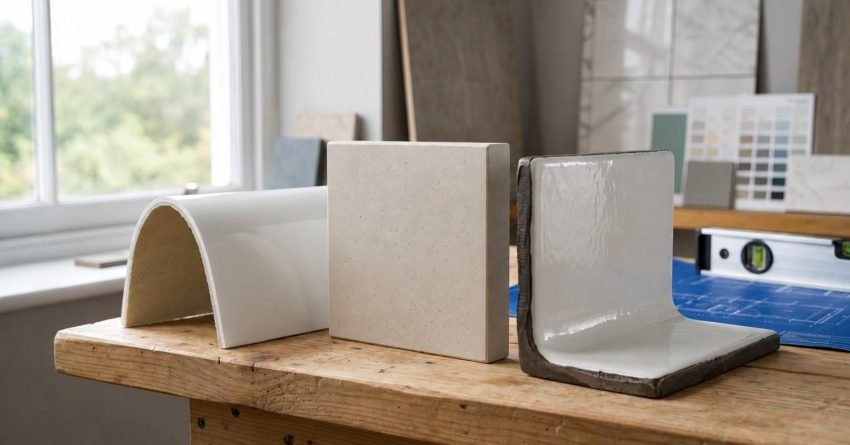
Acrylic, stone resin, and cast iron are the three dominant bathtub materials on the Australian market, and each one carries a completely different cost profile, installation requirement, and long-term performance outcome.
The material you choose shapes your renovation budget, your bathroom’s structural demands, and how the space holds up over the next decade or two. Getting this decision wrong is an expensive mistake.
I’m going to break down all three materials across every factor that actually matters: cost, weight, durability, maintenance, and design so you can walk into your renovation with a clear, confident decision already made.
What Each Bathtub Material Actually Is
Before comparing performance, it helps to understand what you’re actually buying. These three materials are fundamentally different in how they’re made, and that difference drives everything else.
Acrylic Bathtubs
Acrylic bathtubs are made from vacuum-formed acrylic sheets, typically reinforced underneath with fibreglass for structural rigidity. The surface is smooth, non-porous, and available in a wide range of shapes and colours.
They’re the most widely installed bathtub type in Australian homes, largely because they’re affordable, lightweight, and easy to work with during a renovation. The acrylic surface can be repaired and resurfaced if it scratches or dulls over time.
Stone Resin Bathtubs
Stone resin bathtubs are manufactured from a composite blend of crushed natural stone, usually quartz or limestone, bound together with a high-density resin. The result is a solid, heavy material with a smooth matte or gloss finish.
These are almost exclusively sold as freestanding units. The thermal mass of the material means the bath holds heat exceptionally well, and the solid construction gives it a premium, weighty feel that acrylic simply can’t replicate.
Cast Iron Bathtubs
Cast iron bathtubs are moulded from solid iron and coated with a layer of porcelain enamel on the interior surface. They’ve been manufactured this way for well over a century, and the design hasn’t changed much because it doesn’t need to.
The enamel surface is extremely hard and resistant to scratching. The iron core retains heat better than any other bathtub material. And a well-maintained cast iron bath genuinely lasts a lifetime; some are still in active use after 80 or 100 years.
Weight and Installation Requirements
Weight is one of the most practical factors in a bathtub decision, and it’s one that catches a lot of renovators off guard. The three materials sit at completely different ends of the weight spectrum.
Acrylic: Lightweight and Flexible
A standard acrylic bathtub weighs between 25 and 45 kilograms. Two people can carry and position it without specialist equipment, and it places no unusual load on the subfloor or floor joists.
This makes acrylic the easiest material to work with in a renovation. It fits into tight access spaces, requires no structural assessment, and can be installed in virtually any bathroom without modification.
Stone Resin: Heavy but Manageable
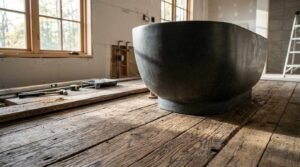
Stone resin bathtubs typically weigh between 100 and 180 kilograms depending on size. That’s a significant load, and it needs to be factored into the installation plan before the bath arrives on site.
Most residential floors handle stone resin without structural reinforcement, but your builder or renovator should confirm the floor loading capacity before committing. Installation generally requires two or three people and careful positioning once a stone resin bath is set; moving it is a serious undertaking.
Cast Iron: Structural Reinforcement Required
Cast iron bathtubs are the heaviest option by a considerable margin. A standard cast iron bath weighs between 150 and 250 kilograms, and a large freestanding model can push past 300 kilograms when filled with water.
This weight almost always requires a structural assessment of the subfloor. In older Sydney homes, particularly those with timber floor framing, additional reinforcement is frequently needed before installation can proceed. That reinforcement adds cost and time to the project, and it’s a factor that needs to be scoped before the bath is purchased.
Durability and Longevity Compared
All three materials are durable, but they fail in different ways and at different rates. Understanding how each one wears helps you match the material to how the bathroom will actually be used.
Scratch and Impact Resistance
Acrylic scratches more easily than the other two materials. Abrasive cleaners, rough sponges, and sharp objects all leave marks on the surface over time. The upside is that light scratches in acrylic can be buffed out, and the surface can be professionally resurfaced if it deteriorates significantly.
Stone resin is harder than acrylic and more resistant to surface scratching. It can chip under a sharp, direct impact; dropping a heavy object onto the rim is the most common cause, but under normal use it holds up very well.
Cast iron with a porcelain enamel coating is the hardest surface of the three. It resists scratching almost entirely. The vulnerability is chipping: a hard impact can crack the enamel, and once the enamel chips, the exposed iron underneath is prone to rust if left untreated.
Heat Retention and Surface Wear
Cast iron wins on heat retention. The dense iron core absorbs and holds heat so effectively that bathwater stays warm significantly longer than in an acrylic or stone resin bath. For anyone who values a long, hot soak, this is a genuine functional advantage.
Stone resin performs well on heat retention too, better than acrylic, though not quite at cast iron’s level. Acrylic loses heat relatively quickly because the thin shell has low thermal mass.
In terms of surface wear over decades of use, cast iron and stone resin both outlast acrylic. A quality acrylic bath has a realistic lifespan of 10 to 15 years before the surface shows meaningful wear. Stone resin and cast iron, properly maintained, last 30 to 50 years or more.
Cost Comparison: Supply and Installation
Cost is where the three materials diverge most sharply. I’m going to give you realistic Sydney figures across supply and installation so you can budget accurately.
Acrylic Bathtub Costs in Sydney
Acrylic bathtubs range from around $300 for a basic builder-grade unit to $1,500 for a quality freestanding model. Mid-range built-in acrylic baths, the most common renovation choice, typically sit between $500 and $900 for supply.
Installation labour for an acrylic bath in Sydney generally runs between $400 and $800, depending on whether it’s a straight swap or part of a full bathroom renovation. Total installed cost for a mid-range acrylic bath: $900 to $1,700.
Stone Resin Bathtub Costs in Sydney
Stone resin bathtubs start at around $1,500 for entry-level freestanding models and climb to $5,000 or more for premium designer pieces. The mid-range sits between $2,000 and $3,500 for supply.
Installation is more involved than acrylic. Labour typically runs $600 to $1,200, and if floor reinforcement is required, that adds another $500 to $1,500 to the project. Total installed cost for a mid-range stone resin bath: $2,600 to $5,200.
Cast Iron Bathtub Costs in Sydney
Cast iron bathtubs are the most expensive option across both supply and installation. Supply costs range from $2,000 for a basic reclaimed or entry-level unit to $8,000 or more for a new premium freestanding model.
Installation labour is higher because of the weight and the frequent need for structural work. Budget $800 to $1,500 for installation labour alone, plus $500 to $2,000 for any required subfloor reinforcement. Total installed cost for a mid-range cast iron bath: $3,300 to $7,500 or more.
Maintenance and Cleaning Requirements
Ongoing maintenance is a practical consideration that often gets overlooked in the excitement of choosing a material. All three require different care routines.
Acrylic is the most forgiving to clean. A non-abrasive liquid cleaner and a soft cloth are all it needs. Avoid anything gritty or solvent-based; those degrade the surface over time. The main maintenance task with acrylic is resealing the perimeter silicone every few years to prevent water ingress behind the bath.
Stone resin is similarly low-maintenance. The non-porous surface resists staining and doesn’t require sealing. A mild bathroom cleaner and a soft cloth keep it in good condition. The matte finish common on stone resin baths can show water spots more readily than a gloss surface, so a quick wipe-down after each use keeps it looking sharp.
Cast iron requires the most careful approach. The porcelain enamel surface is hard, but not indestructible abrasive cleaners scratch it, and harsh chemicals can dull the finish. Gentle, non-abrasive cleaners only. If the enamel chips, the exposed iron needs to be treated promptly to prevent rust from spreading beneath the surface.
Aesthetic Versatility and Design Options
Each material has a distinct aesthetic range, and the right choice depends on the style direction of your bathroom renovation.
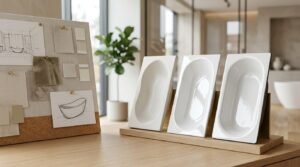
Acrylic offers the widest variety of shapes, sizes, and configurations. Built-in, freestanding, corner, and drop-in formats are all available. Colour options extend beyond white to include off-white, grey, and black in many product ranges. For a contemporary or minimalist bathroom, acrylic delivers flexibility that the heavier materials can’t match.
Stone resin is almost exclusively a freestanding bathtub material. The aesthetic is clean, modern, and premium; it suits contemporary and Scandinavian-influenced bathroom designs particularly well. The solid, sculptural quality of stone resin makes it a genuine design feature in the room, not just a functional fixture.
Cast iron carries a heritage aesthetic that suits period homes, Victorian-style bathrooms, and classic clawfoot designs. It’s available in modern formats too, but its natural home is in a bathroom that leans into traditional or heritage styling. The weight and permanence of cast iron reinforces that aesthetic; it looks and feels like it belongs in a room built to last.
Which Bathtub Material Is Right for Your Renovation?
The right material depends on your budget, your home’s structure, and what you’re trying to achieve with the renovation. Here’s how I’d frame the decision.
Best for Budget-Conscious Renovators
Acrylic is the clear choice for renovators working within a tight budget. The supply cost is low, installation is straightforward, and the finished result looks clean and contemporary. For a rental property or a renovation focused on maximising return without overspending, acrylic delivers solid value.
Best for Luxury and Long-Term Value
Stone resin is the strongest choice for a luxury bathroom renovation where the bath is intended to be a design centrepiece. The material cost is higher, but the longevity, the heat retention, and the visual impact justify the investment, particularly in an owner-occupied home where the bathroom will be used and enjoyed for decades.
Best for Heritage or Period Homes
Cast iron is the natural fit for a heritage home renovation. The aesthetic is authentic, the durability is unmatched, and a quality cast iron bath adds genuine character to a period bathroom. The structural requirements and higher cost are real considerations, but for the right home, cast iron is worth every dollar.
Conclusion
Acrylic, stone resin, and cast iron each serve a different renovation need. Acrylic suits budget-focused projects and rental properties. Stone resin delivers premium longevity and design impact for owner-occupied bathrooms. Cast iron belongs in heritage homes where authenticity and permanence matter most.
The material decision also shapes your installation scope, your structural requirements, and your long-term maintenance commitment. Getting it right at the planning stage saves high cost and frustration down the track.
We help Sydney homeowners and property investors make these decisions with confidence. At Sydney Home Renovation, we scope the full picture: material selection, structural requirements, installation, and budget so your renovation stays on track from day one. Get in touch to start planning your bathroom renovation today.
Frequently Asked Questions
How long does an acrylic bathtub last?
A quality acrylic bathtub lasts between 10 and 15 years under normal residential use. With careful maintenance and periodic resurfacing, some acrylic baths extend beyond that range, but surface wear becomes noticeable after the first decade.
Is stone resin worth the extra cost?
For an owner-occupied bathroom where longevity and aesthetics matter, yes. Stone resin outlasts acrylic by decades, holds heat better, and delivers a premium finish that genuinely elevates the bathroom. For a rental property or a short-term renovation, the cost premium is harder to justify.
Can cast iron bathtubs be installed in any bathroom?
Not without assessment. The weight of a cast iron bath often 150 to 250 kilograms before water, requires a structural check of the subfloor. Timber-framed floors in older Sydney homes frequently need reinforcement before a cast iron bath can be safely installed.
Which bathtub material is easiest to clean?
Acrylic and stone resin are both easy to clean with a soft cloth and a mild non-abrasive cleaner. Cast iron requires more care to protect the enamel surface. Of the three, stone resin’s non-porous surface is arguably the most resistant to staining and the simplest to maintain long-term.
Does bathtub material affect resale value?
It contributes to the overall bathroom presentation, which does influence buyer perception. A stone resin or cast iron bath in a well-finished bathroom signals quality and longevity. Acrylic is neutral; it reads as standard, which is fine for most buyers but doesn’t create the same impression as a premium material.
What is the cheapest bathtub material in Australia?
Acrylic is the most affordable option across both supply and installation. Entry-level acrylic baths start below $400, and total installed costs can sit under $1,200 for a straightforward renovation. No other bathtub material comes close at that price point.
Can I refinish or resurface any of these materials?
Acrylic can be professionally resurfaced to restore a worn or scratched surface. Cast iron enamel can be re-enamelled by a specialist, though it’s a more involved process. Stone resin is the hardest-to-refinish surface; repairs are possible for chips and cracks, but full resurfacing is not a standard service.


