
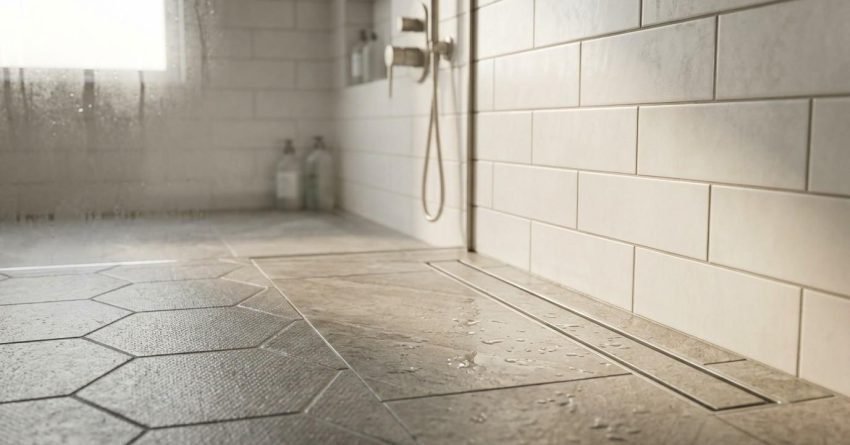
The tile you choose for your shower does more than set the look; it determines how safe, durable, and easy to maintain your bathroom will be for years to come.
Choosing wrong costs you twice: once at installation, and again when you’re replacing tiles that weren’t built for wet areas. Getting it right from the start saves money and headaches.
We cover every tile type worth considering for shower walls and floors, compare costs in Sydney, and give you a clear framework for making the right call.
What Makes a Tile Good for Showers?
Not every tile belongs in a shower. The wet environment is demanding, and tiles that look great in a showroom can fail fast once water, steam, and daily use hit them.
There are three performance criteria that matter most: slip resistance, water absorption, and surface hardness. Get all three right, and the tile will perform well for decades.
Slip Resistance and Safety Ratings
Slip resistance is measured using the Pendulum Test Value (PTV) and classified under Australian Standard AS 4586. For shower floors, you need a minimum P4 or P5 rating; anything lower is a safety risk in a wet, barefoot environment.
Wall tiles carry less slip-resistance pressure since they’re vertical, but the rating still matters if you’re tiling a shower niche or ledge where water pools. Always check the rating before you buy, not after.
Water Absorption and Porosity
Tiles are classified by water absorption rate. Vitrified and fully vitrified tiles absorb less than 0.5% water, making them the gold standard for wet areas. Highly porous tiles absorb moisture into the body of the tile, which leads to cracking, staining, and mould growth behind the surface.
Porcelain sits at the low-absorption end of the scale. Natural stone sits at the high end and needs sealing to compensate. Ceramic falls in the middle, acceptable for walls, but choose carefully for floors.
Durability and Surface Hardness
The Mohs hardness scale and the PEI (Porcelain Enamel Institute) wear rating both tell you how a tile handles daily contact. For shower floors, aim for PEI 3 or higher. For walls, PEI 2 is sufficient since foot traffic isn’t a factor.
Harder tiles resist scratching and surface wear from cleaning products. Softer tiles, particularly some natural stones, need more careful maintenance to stay looking sharp.
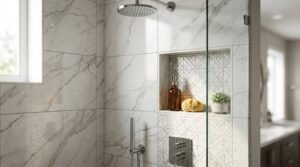
Best Tiles for Shower Walls
Shower walls need tiles that handle constant moisture, steam, and cleaning without deteriorating. These four options consistently perform well and cover the full range of budgets and styles.
Large-Format Porcelain Tiles
Large-format porcelain tiles, typically 600x600mm, 600x1200mm, or larger, are the most popular choice for shower walls in Sydney right now. They’re dense, low-porosity, and virtually maintenance-free.
Fewer grout lines mean less surface area for mould to take hold. That’s a practical advantage in a shower, not just an aesthetic one.
These tiles work in both contemporary and classic bathroom designs. Rectified edges allow tight grout joints, which gives the wall a seamless, high-end finish.
Ceramic Subway Tiles
Ceramic subway tiles remain one of the most cost-effective and versatile options for shower walls. The classic 75x150mm format has been a bathroom staple for over a century, and it still works because the proportions are genuinely good.
Modern ceramic tiles are available in matte, gloss, and textured finishes. Gloss finishes reflect light and make smaller showers feel larger, a useful trick in Sydney’s compact apartment bathrooms.
Ceramic is softer than porcelain, so it’s better suited to walls than floors. On a wall, that’s not a limitation; it’s a perfectly appropriate application.
Natural Stone Tiles (Marble and Travertine)
Marble and travertine bring a warmth and texture that manufactured tiles can’t fully replicate. They’re a premium choice, and they come with premium maintenance requirements.
Both materials are porous and must be sealed before installation and resealed annually. Skip the sealing schedule, and you’ll see staining and surface deterioration within a few years.
Marble works best in low-traffic, carefully maintained showers. Travertine has a more rustic character and suits earthy, organic bathroom palettes. Both are genuinely beautiful when installed and maintained correctly.
Glass Mosaic Tiles
Glass mosaic tiles are the go-to choice for feature walls, shower niches, and accent strips. They’re non-porous, which makes them naturally resistant to water and mould a genuine performance advantage, not just a style one.
The reflective surface amplifies light, which works well in showers that lack natural light. The trade-off is that glass shows water spots and soap residue more readily than matte surfaces.
They’re labour-intensive to install due to the small format and mesh backing, which pushes up installation costs. Use them as an accent rather than a full-wall tile to keep the budget in check.
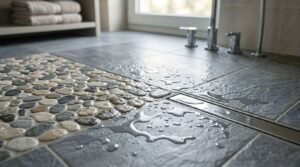
Best Tiles for Shower Floors
Shower floors take more punishment than walls. They’re wet constantly, walked on barefoot, and cleaned with abrasive products. The tile you choose here needs to prioritise grip and durability above everything else.
Small Mosaic Tiles (Porcelain and Ceramic)
Small mosaic tiles 25x25mm to 50x50mm are the traditional choice for shower floors, and the reason is practical: more tiles mean more grout lines, and more grout lines mean more grip.
The increased number of joints creates a naturally textured surface that performs well under the P4/P5 slip-resistance requirement. Porcelain mosaics are the more durable option; ceramic mosaics are more affordable and still perform well in residential showers.
The downside is grout maintenance. More grout lines mean more surface area to clean and more potential for discolouration over time. A quality epoxy grout reduces that problem significantly.
Textured Porcelain Floor Tiles
Textured porcelain tiles designed specifically for wet areas are the modern alternative to mosaics. They come in larger formats, typically 300x300mm or 300x600mm with a surface texture engineered to meet P4 or P5 slip-resistance ratings.
These tiles combine the low-maintenance benefits of large-format porcelain with the safety performance of a textured surface. They’re easier to clean than mosaics and still meet the slip-resistance requirements for shower floors.
This is the option we recommend most often for Sydney homeowners who want a clean, contemporary look without compromising on safety.
Pebble Tiles
Pebble tiles natural river stones set on a mesh backing create a tactile, spa-like shower floor. They’re genuinely slip-resistant due to the irregular surface, and they look striking in the right bathroom.
The maintenance commitment is real, though. The uneven surface traps soap scum and requires regular sealing. They’re also harder to clean thoroughly than smooth or lightly textured tiles.
Pebble tiles suit homeowners who are committed to the maintenance routine. For a rental property or a low-maintenance bathroom, a textured porcelain tile is a more practical choice.
Wall Tiles vs Floor Tiles: What’s the Difference?
This is one of the most common questions we get, and the answer matters more than most people realise.
Why You Can’t Always Use Wall Tiles on the Floor
Wall tiles are manufactured to different specifications than floor tiles. They’re typically thinner, softer, and carry lower PEI wear ratings because they’re designed for vertical surfaces that don’t bear weight or foot traffic.
Using a wall tile on a shower floor creates two problems: the surface wears faster under foot traffic, and the slip-resistance rating is often insufficient for a wet floor. In a worst case, it’s a safety issue. In the best case, it’s a tile that looks worn within a few years.
Always check the tile’s intended application before purchasing. The product specification sheet lists whether it’s rated for walls only, floors only, or both.
Mixing Wall and Floor Tiles in the Same Shower
Mixing tiles in the same shower is a design choice that works well when the materials are complementary. A large-format porcelain wall tile paired with a smaller textured porcelain floor tile in a similar tone is a combination that looks intentional and performs well.
The key is to ensure the floor tile meets the slip-resistance requirement regardless of what you choose for the walls. The wall tile can be selected primarily on aesthetics; the floor tile needs to earn its place on performance first.
Tile Sizes and How They Affect Your Shower
Tile size affects the visual scale of the space, the number of grout lines, and the practical maintenance load. It’s worth thinking through before you commit.
Large Tiles in Small Showers: Does It Work?
Large-format tiles in small showers are a design approach that works, but only when the layout is planned carefully. A 600x1200mm tile in a 900x900mm shower cubicle means significant cutting, more waste, and higher installation costs.
The visual effect can be worth it; fewer grout lines make a small shower feel more open and less busy. But the tile-to-cut ratio needs to make financial sense. Your tiler will advise on the most efficient layout before you order.
Grout Lines, Slip Risk, and Maintenance
Grout line width affects both the look and the maintenance load of a shower. Narrow grout lines 1.5mm to 3mm look cleaner and are easier to maintain. Wider grout lines 5mm or more are more forgiving of slight tile size variations but create more surface area for mould and staining.
On shower floors, grout line width also affects slip resistance. More and wider grout lines increase grip. This is why mosaic tiles perform so well on floors; the grout network itself contributes to the slip-resistant surface.
Use a quality epoxy grout in showers. It’s harder, more stain-resistant, and doesn’t require sealing. The upfront cost is higher than cement grout, but the long-term maintenance saving is significant.
How Much Do Shower Tiles Cost in Sydney?
Tile costs in Sydney vary significantly by material, format, and supplier. Here’s a realistic breakdown of what to budget for supply and installation.
Tile Supply Costs by Material Type
Ceramic tiles are the most affordable option, typically ranging from $30 to $80 per square metre for wall tiles suitable for showers. Standard porcelain tiles sit between $50 and $150 per square metre, with large-format and rectified options at the higher end.
Natural stone marble, travertine, and slate range from $100 to $300 per square metre or more depending on the stone grade and origin. Glass mosaic tiles typically cost between $80 and $200 per square metre for the tile supply alone.
These are supply-only figures. Installation costs are separate and depend on tile format, layout complexity, and site conditions.
Tiling Labour Costs in Sydney
Tiling labour in Sydney currently runs between $45 and $85 per square metre for standard wall and floor tiling in a shower. Complex layouts, herringbone, diagonal, large-format with significant cutting attract higher rates, typically $80 to $120 per square metre.
A standard shower recess of approximately 4–5 square metres of tiled surface will cost between $200 and $600 in labour alone, depending on tile choice and layout. Waterproofing, which is a mandatory step before tiling, adds a further $300 to $600 for a standard shower.
We always provide a detailed cost breakdown before any work starts. Transparent pricing is how we operate no surprises mid-project.
Common Tiling Mistakes to Avoid in Showers
Most tiling problems in showers come down to a small number of avoidable mistakes. These are the ones we see most often.
Using Unrated Tiles in Wet Areas
Buying tiles without checking the slip-resistance and water absorption ratings is the most common mistake. A tile that looks perfect in a showroom display may carry a wall-only rating or a PEI wear rating too low for a shower floor.
Always ask for the product specification sheet before purchasing. If the supplier can’t provide it, that’s a signal to look elsewhere. The Australian Standard AS 4586 rating should be clearly documented for any tile sold for wet area use.
Skipping Waterproofing Under the Tiles
Waterproofing is not optional in a shower; it’s a requirement under the National Construction Code. Tiles are not waterproof on their own. Water penetrates grout lines and tile joints, and without a waterproof membrane beneath the tiles, that moisture reaches the substrate and causes structural damage over time.
A properly applied waterproofing membrane applied to the floor and at least 150mm up the walls is what keeps the shower watertight for the long term. It’s a step that adds cost upfront and saves significant money on remediation later.
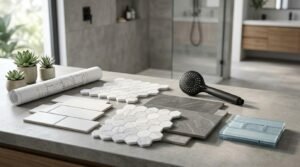
How to Choose the Right Tile for Your Shower
With the options laid out, the decision comes down to two things: how the shower gets used, and what you want it to look like.
Match Tile Type to Shower Use and Traffic
A family bathroom with daily use from multiple people needs tiles that are durable, easy to clean, and slip-resistant without question. Textured porcelain on the floor and large-format porcelain on the walls is the combination that ticks every box for high-traffic residential use.
A master ensuite used by one or two people has more flexibility. Natural stone becomes a realistic option when the maintenance commitment is manageable. Glass mosaic accents work well in a lower-traffic space where the cleaning load is lighter.
Balancing Aesthetics with Practicality
The best shower tile is the one that performs well and that you’ll still love in ten years. Trends shift; the tile you install stays.
Neutral tones in porcelain and ceramic age well and don’t date. Bold patterns and statement materials work when they’re chosen deliberately and installed with quality. The finish matte, gloss, or textured affects both the look and the maintenance load, so factor that into the decision.
We help clients work through this balance on every project. The goal is always a shower that performs as well as it looks.
Frequently Asked Questions
What is the best tile for a shower floor?
Textured porcelain tiles rated P4 or P5 for slip resistance are the best all-round choice for shower floors. They’re durable, low-maintenance, and meet Australian safety standards for wet areas. Small mosaic tiles are a strong alternative if you prefer a more traditional look.
Are large tiles suitable for shower floors?
Large tiles work on shower floors only if they carry a P4 or P5 slip-resistance rating and a surface texture designed for wet areas. A smooth large-format tile, even a high-quality porcelain is not safe on a shower floor regardless of its other specifications.
What is the difference between wall tiles and floor tiles?
Wall tiles are thinner, softer, and carry lower wear ratings because they’re designed for vertical surfaces. Floor tiles are manufactured to handle foot traffic, weight, and slip-resistance requirements. Using a wall tile on a shower floor creates safety and durability problems.
How many tiles do I need for a shower?
Measure the total square metreage of the surfaces you’re tiling walls and floor separately then add 10–15% for cuts and waste. A standard 900x900mm shower recess with 2.1m-high walls has approximately 7–8 square metres of tiled surface in total.
What tiles are easiest to clean in a shower?
Large-format porcelain tiles with a matte or lightly textured finish are the easiest to clean. Fewer grout lines mean less surface area for soap scum and mould to accumulate. Pair them with an epoxy grout and the maintenance load drops significantly compared to smaller tiles with cement grout.
Conclusion
The right shower tile comes down to three things: performance rating, material suitability, and a finish that holds up over time. Porcelain covers the most ground for most homeowners: durable, low-maintenance, and available in formats that suit every budget and style.
Natural stone and glass mosaic tiles earn their place in the right project, but they come with maintenance commitments that need to be factored in from the start. Getting the specification right before purchase saves money and avoids problems that are expensive to fix.
At Sydney Home Renovation, we guide clients through tile selection, supply, waterproofing, and installation as part of every bathroom renovation. Reach out to us, and we’ll help you choose tiles that perform as well as they look.


