
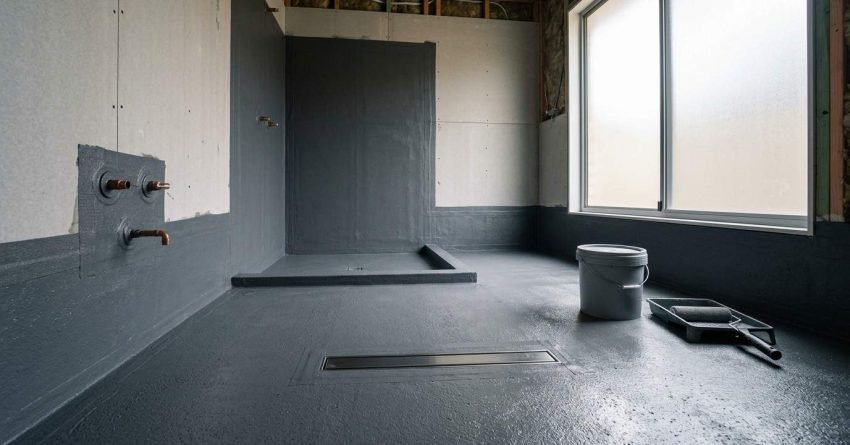
Bathroom waterproofing in Sydney typically costs between $300 and $1,200, depending on the size of the space, the areas being waterproofed, and the membrane system used. I see homeowners consistently underestimate this line item, treating it as a minor add-on rather than a foundational cost that protects the entire renovation. Getting the number right from the start means fewer surprises and a bathroom that holds up for decades.
What Does Bathroom Waterproofing Cost in Sydney?
In Sydney, most standard bathroom waterproofing jobs fall between $300 and $800 for a shower recess and between $600 and $1,200 for a full bathroom floor and wet area. These figures cover labour and materials for a licensed waterproofing contractor applying a compliant membrane system to Australian Standard AS 3740 requirements. Complex layouts, remedial work, or premium membrane products push costs toward the upper end of that range.
Cost by Bathroom Size
Bathroom size directly shapes the waterproofing quote. A compact ensuite or small shower recess typically under 4 square metres sits at the lower end of the pricing range, often between $300 and $500. A standard family bathroom running 6 to 10 square metres lands between $500 and $900. Larger bathrooms or those with multiple wet zones push past $1,000 once labour time and membrane coverage are factored in.
We always price waterproofing by the square metre of treated surface, not by the room. That distinction matters when you’re comparing quotes.
Cost by Waterproofing Area (Shower vs. Full Bathroom)
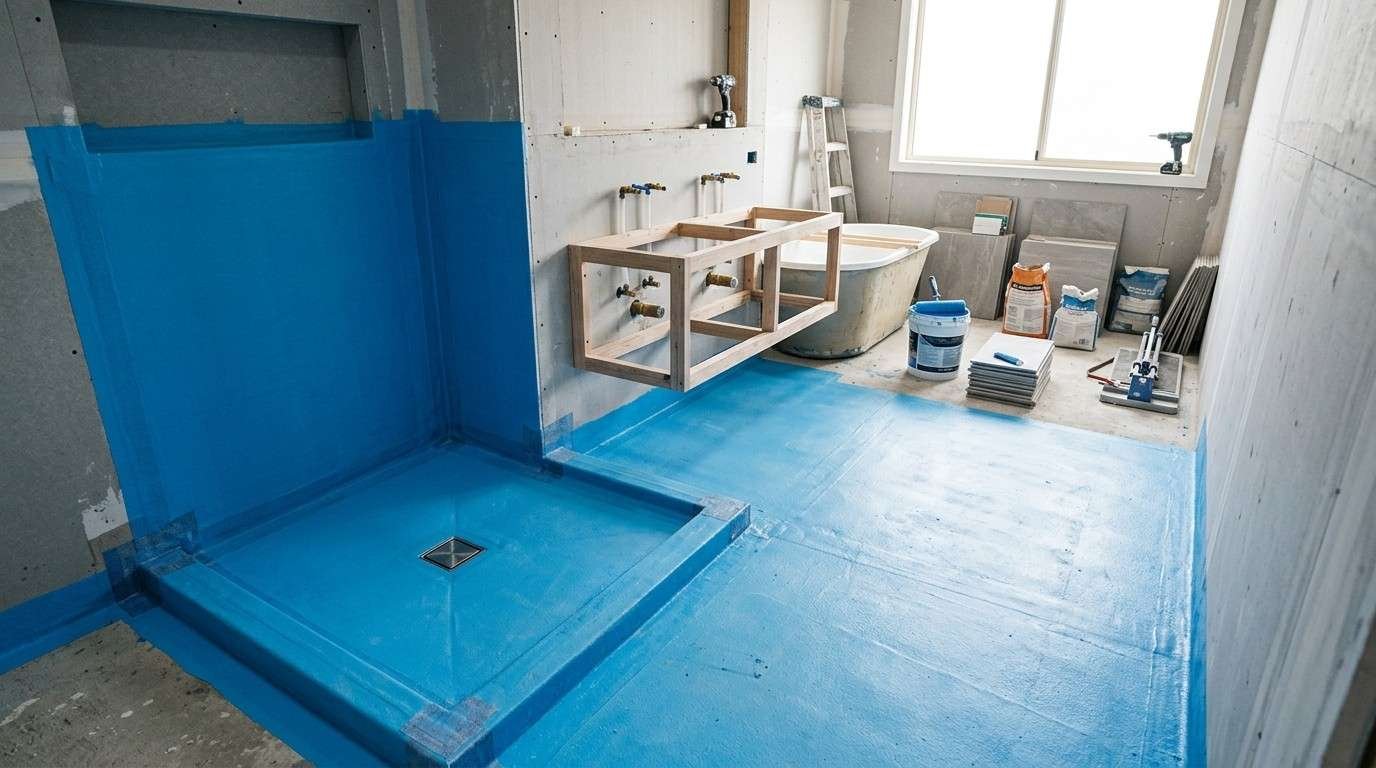
Waterproofing a shower recess only is the most common and most affordable scope. It covers the shower floor, the bottom 100mm of walls, and the full height of any tiled shower walls typically $300 to $600 in Sydney. Extending waterproofing to the full bathroom floor, around the bath, and behind the vanity adds surface area and labour time, bringing the total to $700 to $1,200. The broader the wet zone coverage, the stronger the long-term protection against water ingress and structural damage.
Understanding waterproofing costs is the starting point. Putting those costs into context alongside tiling, fixtures, and labour is where a full bathroom renovation budget takes shape.
What Drives the Cost of Bathroom Waterproofing?
Two factors move the price more than anything else: who does the work and what product they use. Both are worth understanding before you accept a quote.
Labour Rates and Tradesperson Licensing
In New South Wales, bathroom waterproofing must be carried out by a licensed contractor. That licensing requirement exists because waterproofing failures are one of the most expensive defects in residential construction remediation costs routinely exceed $10,000 once tiles are removed and structural drying is completed. Licensed waterproofing contractors in Sydney charge between $60 and $120 per hour, with most jobs taking half a day to a full day depending on scope. Unlicensed work is cheaper upfront and far more expensive later.
Membrane Type and Material Allowances
The membrane system accounts for roughly 30 to 40 percent of the total waterproofing cost. Sheet membranes, liquid-applied systems, and cementitious coatings each carry different price points and performance profiles. Liquid-applied membranes are the most common choice in Sydney residential bathrooms they conform to irregular surfaces and bond directly to the substrate. Sheet membranes cost more but offer consistent thickness across the surface. How waterproofing membranes are applied determines both the durability of the system and the preparation work required before tiling begins.
Hidden Costs That Blow Out Waterproofing Budgets
The quoted price rarely tells the full story. Three costs catch homeowners off guard more than any others.
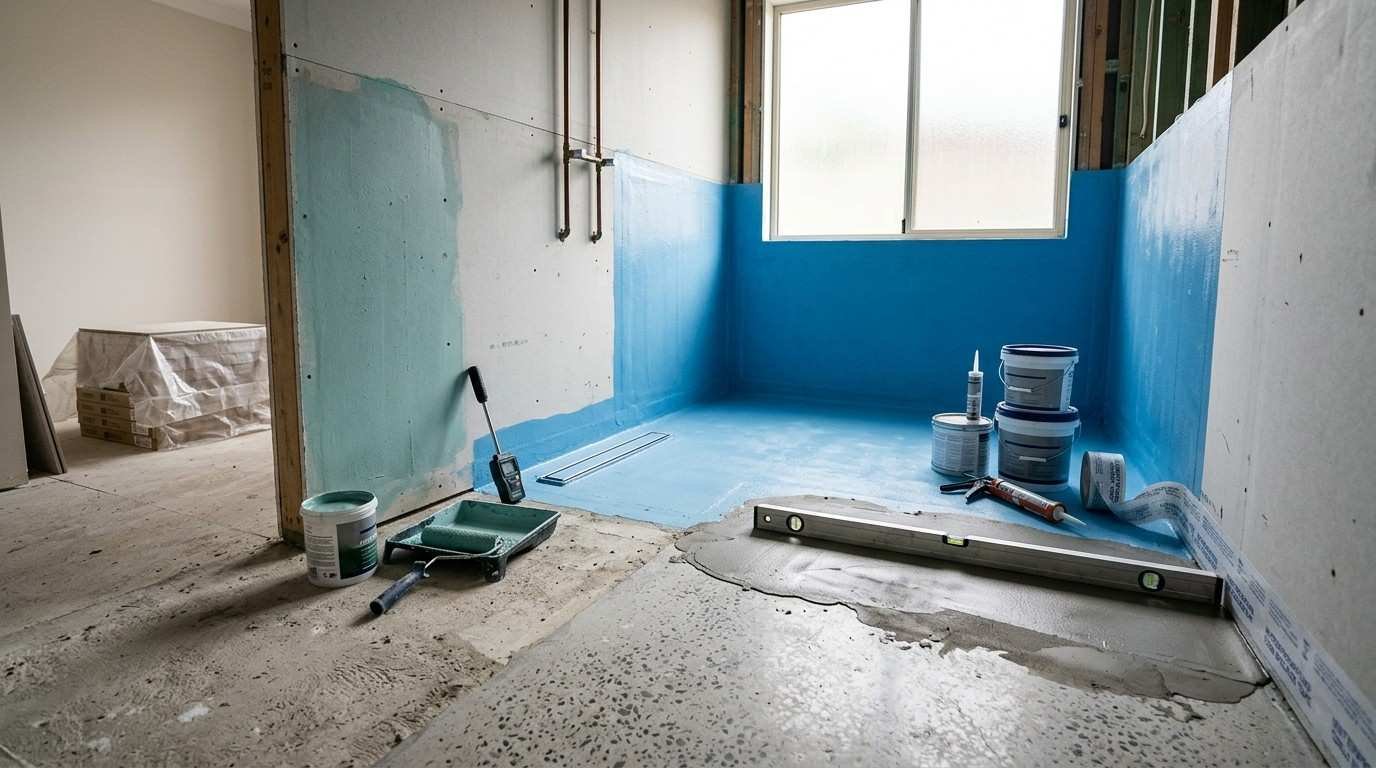
Substrate preparation is the first. If the existing floor or wall surface is uneven, contaminated, or previously waterproofed with an incompatible product, the contractor needs to grind, prime, or patch before applying the membrane. That preparation work adds $100 to $400 to the job and is almost impossible to price accurately until the old tiles come off.
Curing time is the second. Most membrane systems require 24 to 48 hours of curing before tiling can begin. On a tight renovation schedule, that delay costs money in tradesperson downtime or rescheduling fees.
Inspection and certification is the third. Some councils and certifiers require a waterproofing inspection before tiling proceeds. The inspection itself is straightforward, but failing it and needing to reapply membrane adds both cost and time to the project.
Conclusion
Bathroom waterproofing in Sydney costs between $300 and $1,200, shaped by size, scope, membrane type, and substrate condition. It is one of the most cost-effective investments in a renovation when done correctly.
For homeowners and investors, waterproofing is not where you cut the budget. A failed membrane means stripped tiles, structural repairs, and mould remediation costs that dwarf the original saving.
We help you plan and price every stage of your bathroom renovation with complete transparency. Talk to Sydney Home Renovation before your project starts.
Frequently Asked Questions
How long does bathroom waterproofing take in Sydney?
Most standard bathroom waterproofing jobs take four to eight hours on-site, plus 24 to 48 hours of curing time before tiling can begin. Complex layouts or remedial preparation extend that timeline.
Is waterproofing included in a bathroom renovation quote?
It depends on the contractor. Some renovation quotes bundle waterproofing into the overall price; others list it as a separate line item. Always confirm what is included before signing off on a quote.
Can I waterproof a bathroom myself to save money?
In New South Wales, waterproofing must be completed by a licensed contractor to comply with AS 3740 and building regulations. DIY waterproofing is not compliant and will not pass inspection or certification.
How often does bathroom waterproofing need to be redone?
A correctly applied waterproofing membrane lasts 10 to 15 years or longer. It typically needs attention during a full bathroom renovation, after significant tile movement, or when water ingress signs appear.
What happens if bathroom waterproofing is done incorrectly?
Failed waterproofing allows water to penetrate the substrate, causing structural timber damage, mould growth, and tile delamination. Remediation requires full tile removal and reapplication, with costs commonly exceeding $10,000.


