
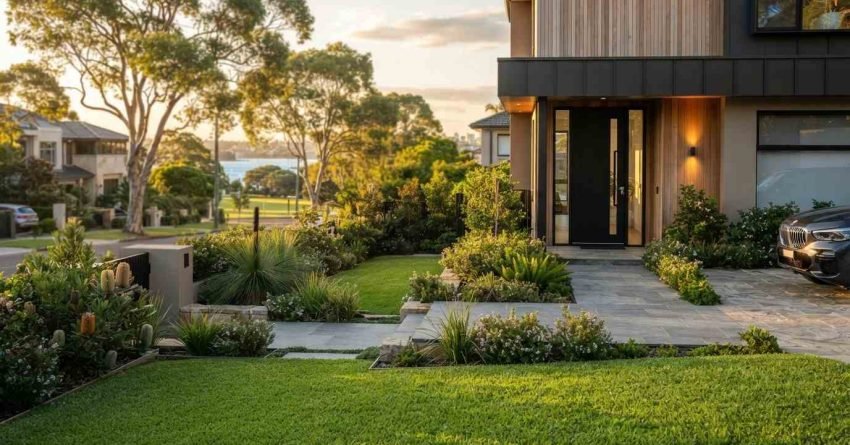
Location quality, school catchment zones, curb appeal, energy efficiency, and market timing are the top factors that raise property value beyond renovations. These elements can add tens of thousands of dollars to a home’s worth without touching a single wall.
We find that many homeowners focus only on kitchen and bathroom upgrades. They overlook powerful value drivers sitting right outside their front door. Smart property owners know that external factors often matter more than internal changes.
In this blog, we explain what factors, beyond renovations, raise property value the most.
Location and Neighbourhood Desirability
Your property’s address determines up to 70% of its value, according to CoreLogic research. Buyers pay premium prices for homes near employment hubs, transport links, and lifestyle amenities. A house in Sydney’s Eastern Suburbs can cost three times more than an identical home in outer suburbs.
Neighbourhood safety scores directly impact buyer interest. Properties in low-crime areas sell faster and for higher prices. Access to parks, cafes, and shopping centres adds measurable value to nearby homes.
Proximity to water views or green spaces creates lasting price premiums. Harbour-view properties in Sydney command 40-60% higher prices than comparable homes without views. Even partial water glimpses add significant value.
Land size and block dimensions also shape value independently of the dwelling itself. A larger block with future subdivision or extension potential often outperforms a bigger house on a small lot. A 600sqm block with a north-facing rear yard, for example, can outsell a larger but awkwardly-shaped 750sqm block nearby. We always factor block shape and orientation into any renovation advice we give clients.
Key location factors that boost value:
- Walking distance to train stations or ferry wharves
- Proximity to major employment centres
- Access to beaches, parks, or bushland reserves
- Established tree-lined streets with character homes
- Low traffic noise and pollution levels

School Catchment Zones and Educational Proximity
School zones create some of Australia’s most dramatic property premiums. Homes within top public school catchments sell for 20-30% more than those just outside boundaries, based on Domain school zone research. This premium has grown consistently over the past decade.
Parents actively compete for homes in sought-after catchments. They often pay hundreds of thousands extra for the same house type. Well-regarded selective school catchments across Sydney consistently show the strongest premiums.
Private school proximity also matters to buyers. Families value short commutes to prestigious institutions. Properties near multiple quality schools attract broader buyer pools.
How school zones affect your property:
- Catchment boundaries can shift, changing values overnight
- Primary school zones often matter more than high school zones
- Selective school access points create localised demand
- Childcare and preschool proximity appeals to young families
- University proximity attracts investor buyers seeking rental income
Curb Appeal and Street Presentation
First impressions happen in seven seconds, according to real estate psychology research. Buyers form emotional connections before entering your home. Strong curb appeal can increase sale prices by 5-11%, according to realestate.com.au buyer research.
Landscaping delivers exceptional return on investment. Professional garden design costs $5,000-15,000 but can add $30,000-50,000 to sale prices. Mature trees, hedging, and lawn quality signal a well-maintained property.
External presentation extends beyond gardens. Clean driveways, painted fences, and modern house numbers matter. Letterboxes, outdoor lighting, and entry paths create buyer confidence.
We also recommend professional staging alongside exterior presentation. A well-styled entryway and tidy facade help buyers picture themselves living there before they even step inside.
High-impact curb appeal improvements:
- Professional landscaping with native Australian plants
- Pressure-cleaned driveways and pathways
- Fresh exterior paint on fences and trim
- Modern outdoor lighting fixtures
- Well-maintained lawn edges and garden beds
- Updated front door hardware and house numbers
Energy Efficiency and Sustainability Features
Energy-efficient homes now command premium prices of 5-10% above standard properties. Buyers increasingly prioritise running costs and environmental impact. Solar panels, insulation, and efficient appliances attract competitive offers.
Solar panel systems deliver dual benefits. They reduce electricity bills and increase property values. Homes with 6.6kW solar systems add approximately $29,000 to property values on average, according to Clean Energy Council data.
Energy ratings influence buyer decisions significantly. Properties with higher NatHERS ratings sell faster in competitive markets. Buyers understand that efficient homes cost less to operate long-term. If you’re planning energy-focused improvements, choosing the right combination of insulation, glazing, and solar capacity matters more for resale than any single upgrade on its own.
Value-adding sustainability features:
- Rooftop solar panel systems with battery storage
- Double-glazed windows and quality insulation
- LED lighting throughout the property
- Water tanks and greywater recycling systems
- Smart home energy management systems
- Electric vehicle charging infrastructure
Market Timing and Economic Conditions
Property values fluctuate with broader economic cycles. Selling during peak market conditions can add 10-15% to your sale price, according to SQM Research market data. Understanding market timing helps maximise returns.
Interest rate movements directly impact buyer capacity. Lower rates increase borrowing power and competition. The Reserve Bank’s cash rate decisions ripple through property markets within weeks.
Seasonal patterns affect Sydney property sales. Spring typically delivers the highest prices and strongest competition. Winter sales often attract fewer buyers but more serious purchasers.
Market timing considerations:
- Monitor Reserve Bank interest rate announcements
- Track local auction clearance rates weekly
- Watch days-on-market statistics for your suburb
- Consider listing during high-demand spring season
- Avoid major holiday periods when buyer activity drops
How Comparable Sales Set Your Property’s Ceiling Price
Recent comparable sales, or “comps,” often set the practical ceiling on what buyers will pay in your street or suburb. Agents and valuers lean heavily on properties sold within the last three to six months. Even an exceptional renovation struggles to break far past what similar nearby homes have recently achieved.
We encourage clients to research comps before committing to a major renovation budget. A $200,000 extension rarely makes sense if neighbouring comparable sales cap realistic resale value well below that spend.
Understanding your suburb’s comp ceiling helps you scale renovation decisions sensibly. Buyers and valuers also weigh comps more heavily than online estimate tools. A property that stands out too far from its comparable sales can actually sell more slowly, as buyers and lenders alike treat it with caution.

Development Potential and Zoning Classifications
Zoning classifications determine what buyers can build on your land. Properties with development potential attract investors and developers. This buyer pool often pays significant premiums for future opportunities.
Dual occupancy potential adds substantial value. Land zoned for granny flats or secondary dwellings appeals to investors. These properties can generate rental income while building equity, and it’s one of the most common value-strategy questions property investors bring to us.
Subdivision potential creates the highest premiums. Large blocks in growth corridors attract developer interest. Even future rezoning possibilities influence current market values.
Zoning factors that increase value:
- R3 or R4 zoning allowing medium-density development
- Compliant development pathways for granny flats
- Corner blocks with dual street access
- Minimum lot sizes allowing future subdivision
- Proximity to areas undergoing rezoning reviews
Infrastructure and Transport Accessibility
New infrastructure announcements create immediate value increases. Properties near planned metro stations have gained 10-20% before construction begins, according to Transport for NSW project impact studies. Smart buyers purchase ahead of infrastructure completion.
Public transport access remains a primary value driver. Homes within 800 metres of train stations command consistent premiums. Bus routes, light rail, and ferry access also influence prices.
Road infrastructure affects commute times and lifestyle. Properties with easy motorway access appeal to working families. However, proximity to major roads can reduce values due to noise.
Infrastructure factors affecting value:
- Planned metro or train line extensions
- New motorway connections reducing commute times
- Hospital and medical precinct developments
- Shopping centre expansions and upgrades
- University campus growth and student accommodation demand
Conclusion
Property value depends on many factors beyond internal renovations. Location, schools, curb appeal, and market timing all play crucial roles. Understanding these elements helps you make smarter property decisions.
At Sydney Home Renovation, we help homeowners maximise their property’s potential by combining renovation expertise with these broader value-creation strategies. Our team looks at your specific location, comps, and zoning before recommending any renovation scope, so every dollar you spend works harder toward your property’s real market ceiling.
If you’re planning a renovation and want it to genuinely lift your home’s value, reach out to our team today. We’ll walk you through which upgrades make sense for your property and which market factors are already working in your favour.
Frequently Asked Questions
How much does school zone proximity add to property value?
Properties in top school catchments typically sell for 20-30% more than comparable homes outside boundaries. This premium varies by school reputation and location. Some elite catchments in Sydney show even higher premiums.
Can curb appeal really increase my home’s sale price?
Yes, strong curb appeal can boost sale prices by 5-11%. Professional landscaping and external presentation create positive first impressions. Buyers often decide emotionally before viewing interiors.
Do solar panels add value to Australian homes?
Solar systems add approximately $29,000 to average property values. Buyers value reduced electricity costs and environmental benefits. Battery storage systems increase this premium further.
How does market timing affect property sale prices?
Selling during peak market conditions can add 10-15% to your sale price. Spring typically delivers the strongest results in Sydney. Interest rate environments significantly impact buyer competition.
What zoning classifications increase property value most?
R3 and R4 zoning, allowing medium-density development, creates the highest premiums. Dual occupancy and subdivision potential attract investor buyers. Development-ready sites command significant price increases.
How far should my property be from public transport?
Properties within 800 metres of train stations show consistent value premiums. This distance represents comfortable walking access for most buyers. Planned infrastructure can create value before completion.
Does neighbourhood safety affect property prices?
Low-crime areas consistently achieve higher property prices. Buyers research crime statistics before purchasing. Safe neighbourhoods also sell faster with less negotiation.


