Asbestos removal during a renovation is not optional, it is a legal obligation in NSW, and getting it wrong carries serious health and financial consequences. I’ve seen homeowners unknowingly disturb asbestos-containing materials during a bathroom or kitchen gut-out, turning a straightforward renovation into a costly remediation job.
Sydney’s housing stock makes this a real and present issue. Hundreds of thousands of homes built before 1987 contain asbestos in some form, and renovation work is the most common trigger for exposure.
This guide covers what you need to know: where asbestos hides, what the law requires, how the removal process works, what it costs, and how to find the right contractor in NSW.
Why Asbestos Is Still Found in Sydney Renovation Projects
Sydney has one of the highest concentrations of asbestos-containing homes in the world. According to SafeWork NSW, approximately one in three Australian homes built before 1987 contains asbestos materials. That number is even higher in older Sydney suburbs where fibro construction was the dominant building method from the 1940s through to the early 1980s.
The problem surfaces the moment renovation work begins. Cutting, drilling, sanding, or demolishing walls, ceilings, or floors in these homes releases asbestos fibres into the air, and that is where the health risk becomes acute.
Common Building Materials That Contain Asbestos
Asbestos was used across a wide range of residential building products in Australia. The most common materials found during Sydney renovations include:
- Fibro (fibrous cement) sheeting used in walls, ceilings, and eaves
- Roof shingles and corrugated roofing sheets
- Floor tiles and the adhesive backing beneath them
- Textured paint and decorative ceiling coatings
- Pipe lagging and insulation around hot water systems
- Backing boards behind bathroom tiles
Many of these materials look completely ordinary. There is no visual way to confirm asbestos content, testing is the only reliable method.
Age and Construction Type as Risk Indicators
The single most reliable indicator is build date. Homes constructed before 1987, when asbestos was banned from new building products in Australia, carry a meaningful risk of containing asbestos materials. Fibro homes built between the 1940s and 1970s carry the highest risk, but brick veneer homes from the same era often contain asbestos in internal linings, wet areas, and eaves as well.
If your home was built before 1987 and you are planning any renovation work, treat it as asbestos-present until a licensed assessor confirms otherwise.

Legal Requirements for Asbestos Removal in NSW
NSW has some of the most clearly defined asbestos regulations in Australia, governed primarily by the Work Health and Safety Regulation 2017 (NSW) and administered by SafeWork NSW. These rules apply to residential renovation work, not just commercial or industrial sites.
Understanding your obligations before work starts is not just good practice, it is a legal requirement.
Licencing Rules, Who Can Legally Remove Asbestos
The rules in NSW are straightforward. For non-friable (bonded) asbestos, a homeowner can remove up to 10 square metres themselves, but only if the material is in good condition and not damaged or deteriorating. Anything beyond 10 square metres requires a licensed Class B asbestos removalist.
Friable asbestos, the loose, crumbly type, requires a Class A licence regardless of the quantity involved. Class A work is restricted to licensed professionals only, with no DIY allowance whatsoever.
Friable vs Non-Friable Asbestos, Different Rules Apply
The distinction between friable and non-friable asbestos is the most important classification in NSW asbestos law. Non-friable (bonded) asbestos is the type found in fibro sheeting and floor tiles — the asbestos fibres are locked into a solid matrix and are relatively stable when undisturbed. Friable asbestos is loose, powdery, and releases fibres easily. It is found in pipe insulation, sprayed coatings, and some ceiling materials.
Friable asbestos is significantly more dangerous and attracts stricter legal controls at every stage, removal, transport, and disposal.
Notification and Disposal Obligations Under NSW Law
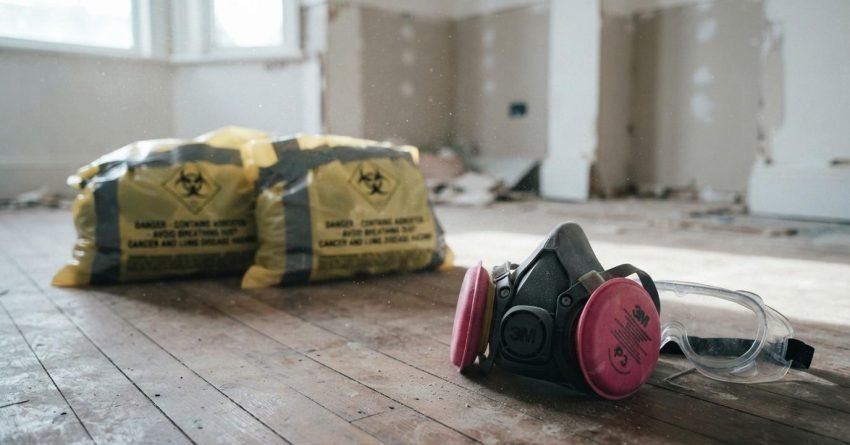
Licensed removalists working on jobs above a certain threshold are required to notify SafeWork NSW before work begins. All asbestos waste, regardless of quantity, must be double-bagged in clearly labelled, heavy-duty plastic bags and transported to a NSW EPA-licensed asbestos waste facility. Dumping asbestos waste in general skip bins or at unlicensed sites is illegal and carries significant penalties.
The Asbestos Removal Process, Step by Step
A properly managed asbestos removal job follows a defined sequence. Skipping any step, particularly the inspection or clearance phases, creates legal exposure and genuine health risk.
Pre-Removal Inspection and Asbestos Testing
Before any removal work begins, a licensed asbestos assessor inspects the site and collects samples for laboratory analysis. Samples are sent to a NATA-accredited laboratory for testing, which confirms whether asbestos is present and identifies the type. This inspection report forms the basis of the removal plan and is required documentation for licensed removal jobs.
Do not skip this step. Guessing at asbestos content, even based on building age, is not a compliant approach.
Site Preparation, Containment, and PPE Requirements
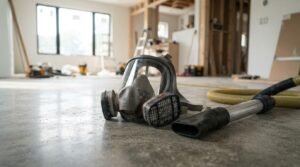
Once asbestos is confirmed, the site is prepared before any material is touched. Licensed removalists seal the work area with heavy-duty plastic sheeting, establish negative air pressure where required, and restrict access to the zone. All workers wear appropriate personal protective equipment, at minimum a P2 respirator, disposable coveralls, gloves, and eye protection.
This containment step is what prevents fibres from migrating to other parts of the home during removal.
Safe Removal Techniques and Handling Procedures
The wet method is the standard approach for most non-friable asbestos removal. Materials are dampened with water or a PVA solution before being carefully removed, this suppresses fibre release during the process. Sheets and tiles are removed whole where possible rather than broken up, and all waste is double-bagged immediately at the point of removal.
Cutting, grinding, or high-pressure cleaning of asbestos materials is prohibited. These methods generate airborne fibres and are never acceptable on a compliant job site.
Clearance Inspection and Air Monitoring After Removal
When removal is complete, an independent licensed asbestos assessor, separate from the removalist, conducts a clearance inspection. This includes a visual inspection of the work area and, for Class A removal jobs, air monitoring to confirm fibre levels are within safe limits. A clearance certificate is issued only when the site passes both checks.
This certificate is your legal confirmation that the area is safe to re-enter and that renovation work can continue.
How Much Does Asbestos Removal Cost in Sydney?
Asbestos removal costs in Sydney vary considerably depending on the scope, material type, and site conditions. I find that homeowners are often surprised by the total, not because the rates are unreasonable, but because the full cost includes inspection, removal, disposal, and clearance as separate line items.
Cost Factors That Affect the Final Price
The main variables that drive cost are the volume of material being removed, whether it is friable or non-friable, site accessibility, and the number of separate areas involved. Friable asbestos removal costs significantly more than non-friable work due to the higher licence class required, more intensive containment, and stricter disposal requirements.
Difficult access, roof spaces, subfloor areas, or multi-storey work, adds to labour time and therefore cost.
Typical Price Ranges for Common Renovation Scenarios
Based on current Sydney market rates, typical asbestos removal costs fall within these ranges:
| Scenario | Typical Cost Range (Sydney) |
| Pre-removal inspection and testing | $300 – $600 |
| Non-friable removal (small area, up to 10m²) | $1,000 – $2,500 |
| Bathroom fibro lining removal | $2,000 – $5,000 |
| Roof sheet removal (full roof) | $5,000 – $15,000+ |
| Friable asbestos removal (any quantity) | $3,000 – $10,000+ |
| Clearance inspection and air monitoring | $400 – $900 |
These figures are indicative. Get at least two written quotes from licensed removalists and confirm that disposal and clearance costs are included.
How to Find a Licensed Asbestos Removalist in NSW
The starting point is the SafeWork NSW licensed asbestos removalists register, which lists all currently licensed Class A and Class B removalists operating in NSW. Checking this register before engaging anyone is non-negotiable, it takes two minutes and confirms the contractor is legally authorised to do the work.
Word of mouth from a trusted renovation contractor is also a reliable path. We work with licensed asbestos removalists regularly and can refer homeowners to vetted professionals as part of our pre-renovation planning process.
What to Check Before Hiring a Contractor
Before signing anything, verify the contractor’s licence class matches the work required, confirm they carry public liability and workers compensation insurance, and ask whether their quote includes the clearance inspection or whether that is a separate engagement. A reputable removalist will provide a written scope of works, a timeline, and documentation of their disposal method.
Be cautious of any contractor who offers to remove asbestos without an inspection first, or who cannot produce a current licence number on request.
What Happens If You Disturb Asbestos Without a Licence?
Unlicensed asbestos disturbance in NSW carries serious consequences on two fronts: legal and health-related. Under the Work Health and Safety Act 2011 (NSW), penalties for unlicensed asbestos removal can reach $50,000 for individuals and $250,000 for corporations, with additional penalties for repeat offences or reckless conduct.
Beyond the fines, the practical consequences are significant. Disturbing asbestos without proper containment contaminates the surrounding area, potentially requiring a full professional decontamination before renovation work can legally continue. That remediation cost often far exceeds what a licensed removal job would have cost in the first place.
The health risk is the most serious consideration. Asbestos-related diseases, including mesothelioma and asbestosis, have long latency periods, meaning the consequences of exposure may not appear for decades. There is no safe level of asbestos fibre inhalation.
Frequently Asked Questions
Can I remove asbestos myself in NSW?
In NSW, homeowners can remove up to 10 square metres of non-friable asbestos themselves, provided the material is in good condition. Any quantity of friable asbestos, or non-friable asbestos exceeding 10 square metres, requires a licensed removalist. I always recommend getting a professional assessment first regardless of the quantity involved.
How do I know if my home contains asbestos?
The only reliable way to confirm asbestos is laboratory testing of a sample collected by a licensed asbestos assessor. Visual inspection alone is not sufficient. If your home was built before 1987, treat it as potentially containing asbestos until testing confirms otherwise.
How long does asbestos removal take?
Most residential asbestos removal jobs in Sydney take one to three days, depending on the volume and type of material. Larger jobs, such as full roof removal or whole-house fibro, can take longer. The clearance inspection adds at least one additional day after removal is complete.
Do I need a clearance certificate after asbestos removal?
Yes. A clearance certificate issued by an independent licensed asbestos assessor is required after all licensed asbestos removal work. It confirms the area is safe to re-enter and that removal was completed to the required standard. Without it, you have no legal confirmation the site is clear.
What is the difference between friable and non-friable asbestos?
Non-friable (bonded) asbestos has fibres locked into a solid matrix, fibro sheeting and floor tiles are common examples. Friable asbestos is loose and crumbly, releasing fibres easily when disturbed. Friable asbestos is significantly more hazardous and requires a Class A licence for removal, regardless of the quantity involved.
Is asbestos removal covered by home insurance in Australia?
Most standard home insurance policies in Australia do not cover asbestos removal as a routine renovation cost. Some policies may cover emergency asbestos remediation following an insured event, such as storm damage to a fibro roof, but this varies by insurer and policy. Check your policy wording directly with your insurer before assuming coverage.
How do I dispose of asbestos waste in NSW?
All asbestos waste must be double-bagged in heavy-duty, clearly labelled plastic bags and transported to a NSW EPA-licensed asbestos waste facility. It cannot be placed in general skip bins, taken to unlicensed tips, or disposed of in household waste. Your licensed removalist handles this as part of the job, confirm it is included in their quote.
Conclusion
Asbestos removal during renovation is one of the most legally and health-critical steps in any Sydney renovation project. The regulations exist for good reason, and the process, inspection, licensed removal, proper disposal, and clearance, is designed to protect everyone on and around the site.
Getting this right from the start protects your health, your property, and your renovation timeline. Cutting corners here creates problems that cost far more to fix than the original removal job.
At Sydney Home Renovation, we coordinate asbestos assessment and licensed removal as part of our pre-renovation planning process. Reach out to our team before your renovation begins, we’ll make sure this step is handled correctly so your project can move forward with confidence.