
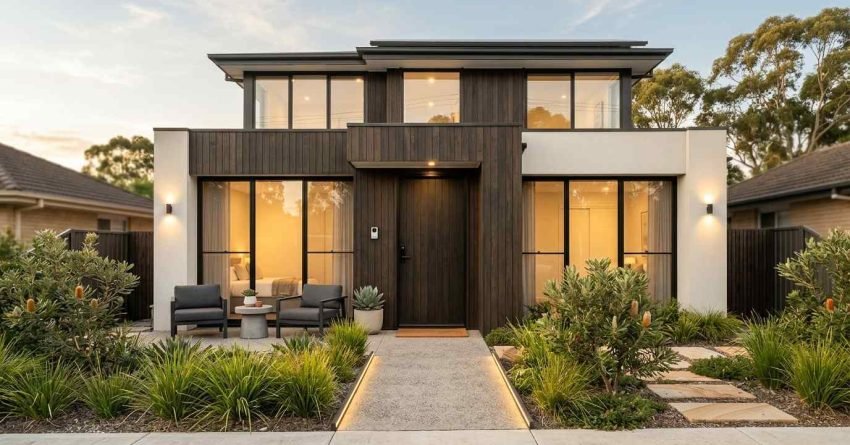
Short-term rental rules in NSW are governed by a formal state framework that covers registration, day-limits, fire safety, strata rights, and tax and getting any one of these wrong carries real consequences for property owners and investors.
These rules affect every landlord, investor, and homeowner listing a property on Airbnb, Stayz, or any booking platform in New South Wales.
In this guide, I cover the full NSW STRA framework, the 180-day cap, council variations, fire safety requirements, strata restrictions, and what the ATO expects from your rental income.
What Counts as a Short-Term Rental in NSW?
Short-term rental accommodation in NSW is any residential dwelling rented out for a fee for periods of less than 90 consecutive days. That definition comes directly from the state planning framework, and it matters because it determines which rules apply to your property.
The distinction between hosted and unhosted rentals is equally important. A hosted rental means you, the owner, are present on the property during the guest’s stay. An unhosted rental means the property is rented out entirely without you there.
The Legal Definition Under NSW Planning Law
Under the NSW State Environmental Planning Policy (Exempt and Complying Development Codes) 2008, short-term rental accommodation is defined as a dwelling used to provide temporary or short-term accommodation for guests in exchange for payment. The policy was significantly updated in 2021 to formalise the STRA framework across the state.
This definition applies to the whole dwelling or individual rooms. It does not matter whether you list on a platform or rent privately.
How Short-Term Rental Differs from Long-Term Leasing
A long-term lease in NSW is governed by the Residential Tenancies Act 2010, which gives tenants formal rights around security of tenure, bond, and notice periods. Short-term rental sits entirely outside that Act.
That separation is deliberate. STRA guests have no tenancy rights, and hosts have no tenancy obligations. The trade-off is that STRA hosts carry a separate set of compliance obligations under the planning and fair trading frameworks instead.
The NSW Short-Term Rental Accommodation (STRA) Framework
NSW introduced a formal STRA framework in November 2021, making it one of the first Australian states to regulate short-term rentals at a state-wide level. The framework sits under the State Environmental Planning Policy and is administered jointly by the NSW Department of Planning and NSW Fair Trading.
The framework has three core pillars: a mandatory state register, a Code of Conduct, and planning rules that set day-limits and approval pathways. Every NSW host operating legally needs to understand all three.
The State Policy and Planning Rules
The planning rules under the SEPP determine whether your STRA activity is classified as exempt development or requires a development application. Exempt development means you can operate without council approval, provided you meet the conditions set out in the policy.
Those conditions include the 180-day cap for non-hosted properties, compliance with fire safety standards, and registration on the NSW STRA Register. Fail any one of those conditions and your property no longer qualifies as exempt development.
The 180-Day Cap How It Works and Who It Applies To
The 180-day cap is the most discussed rule in the NSW STRA framework. It applies to non-hosted properties in Greater Sydney and limits the number of days per year a property can be rented out as short-term accommodation without the owner present.
According to NSW Planning, non-hosted properties in Greater Sydney are capped at 180 days per calendar year. Outside Greater Sydney, local councils set their own day-limits, and some have gone significantly lower Byron Shire, for example, has applied for a 60-day cap.
Hosted properties have no day-limit cap under the state framework. You can rent out a room in your own home every night of the year if you choose.
Exempt Development vs. Development Consent
If your property meets all the SEPP conditions registered, fire-safe, within the day-limit it operates as exempt development. No council approval is needed.
If your property does not meet those conditions, or if your local council has applied stricter controls through its Local Environmental Plan, you need development consent before operating. Running an unregistered or over-limit STRA without consent is a planning breach and can attract significant penalties.
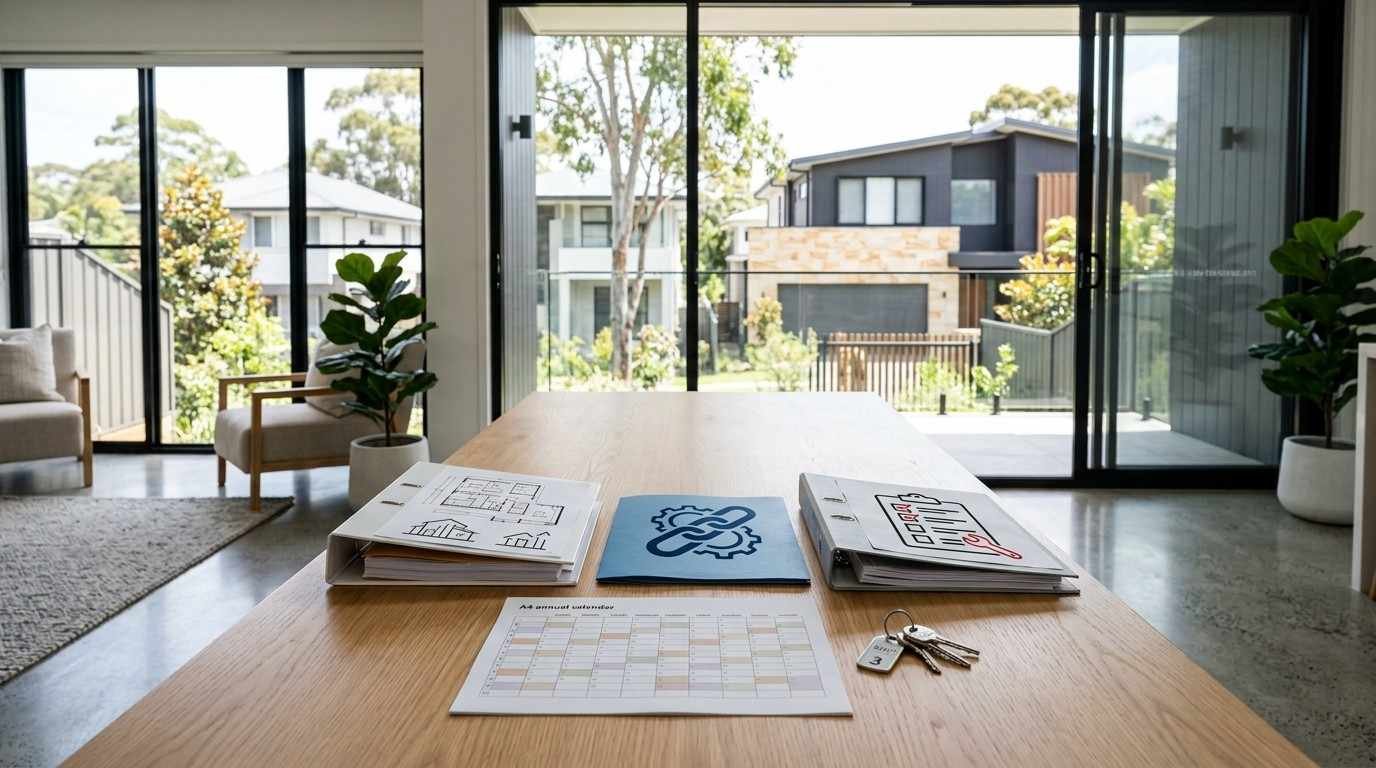
Registration, Compliance, and the NSW STRA Register
Every short-term rental host in NSW must register their property on the NSW STRA Register before listing it on any platform. This is not optional. NSW Fair Trading administers the register and requires hosts to renew their registration annually.
Registration is the entry point to legal STRA operation in NSW. Without a valid registration number, your listing is non-compliant regardless of how well you meet every other requirement.
How to Register on the NSW STRA Register
Registration is completed through Service NSW. You need to provide your property address, confirm the property type, declare compliance with fire safety standards, and pay the registration fee.
Once registered, you receive a unique registration number that must be displayed on all booking platform listings. Platforms operating in NSW are required to verify that registration numbers are valid before allowing listings to go live.
The Code of Conduct for Hosts and Guests
The NSW STRA Code of Conduct sets out the obligations of hosts, guests, and booking platforms. It is a legally binding document, not a set of guidelines.
Hosts are responsible for ensuring guests comply with the Code during their stay. Serious or repeated breaches can result in a host or guest being placed on the NSW STRA Exclusion Register, which bans them from participating in the STRA market for up to five years.
Council Rules and Local Variation Across NSW
The state STRA framework sets the floor, not the ceiling. Local councils have the power to apply stricter controls through their Local Environmental Plans, and many have done exactly that.
This is the part of NSW short-term rental law that catches the most hosts off guard. What is legal in one council area can be a planning breach two suburbs away.
How Local Councils Can Restrict STRA Further
Under the SEPP, councils can reduce the non-hosted day-limit below 180 days, restrict STRA to certain zones, or require development consent for properties that would otherwise qualify as exempt development. These controls are embedded in the council’s Local Environmental Plan or Development Control Plan.
Before listing any property, check the specific rules for that council area directly. The NSW Planning Portal is the most reliable starting point for current LEP controls.
Key Differences: Sydney vs. Regional NSW
In Greater Sydney, the 180-day non-hosted cap applies uniformly across all council areas unless a council has applied for and received approval to reduce it further. Most Sydney councils operate under the standard 180-day limit.
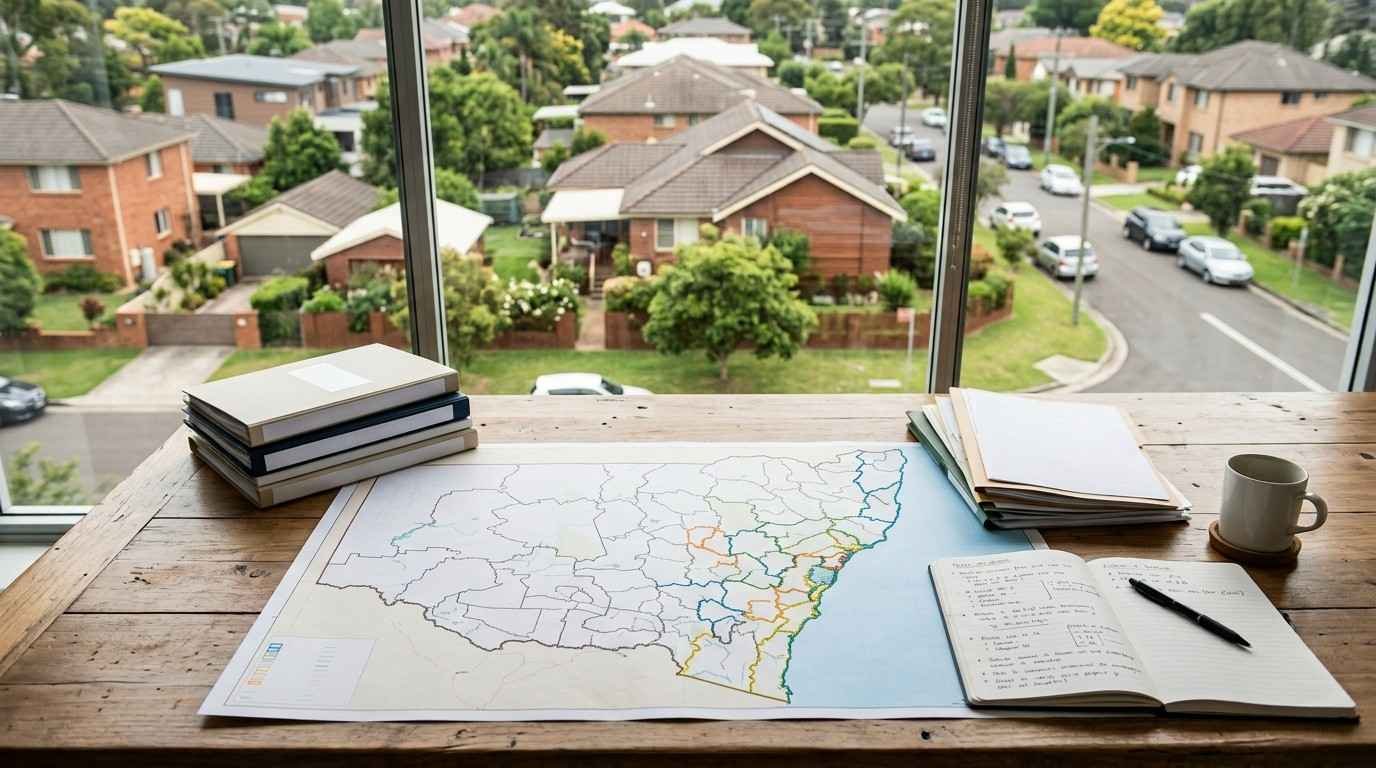
Regional NSW is more variable. Coastal and tourist-heavy areas like Byron Bay, the South Coast, and the Hunter Valley have pushed for tighter restrictions due to housing availability pressures. Byron Shire Council has been the most aggressive, seeking a 60-day annual cap for non-hosted properties a move that reflects the broader tension between STRA economics and local housing supply.
Fire Safety and Property Standards for STRA
Fire safety compliance is a non-negotiable condition of exempt development status under the NSW STRA framework. A property that does not meet the fire safety standards cannot legally operate as short-term rental accommodation without development consent.
These requirements exist because STRA guests are unfamiliar with the property layout, making early warning and clear evacuation information critical.
Mandatory Fire Safety Requirements for STRA Properties
Under the NSW STRA planning rules, all short-term rental properties must have interconnected smoke alarms installed in every bedroom, hallway, and on every level of the dwelling. The alarms must comply with Australian Standard AS 3786-2014, which governs smoke alarm performance.
Properties must also have a portable fire extinguisher, a fire blanket in the kitchen, and a clearly displayed evacuation diagram. The evacuation diagram must show exit routes and the location of fire safety equipment.
These requirements apply to every STRA property in NSW regardless of size, age, or whether the property is hosted or unhosted.
Insurance, Strata, and Body Corporate Rules
Operating a short-term rental without the right insurance is one of the most common and costly mistakes NSW hosts make. Standard home and contents insurance policies typically exclude commercial rental activity, which means a guest injury or property damage during an STRA booking may not be covered.
Strata properties add another layer of complexity. The owners corporation has rights that can directly affect your ability to operate.
STRA Insurance Requirements in NSW
NSW does not mandate a specific STRA insurance product, but the practical reality is that hosts need a policy that explicitly covers short-term rental activity. Some booking platforms offer host protection programs, but these are not substitutes for standalone STRA insurance they have exclusions and coverage gaps that a dedicated policy addresses.
Speak to an insurance broker who specialises in property investment before listing. The cost of the right policy is small compared to the exposure of operating without one.
Strata Schemes and the Right to Ban Short-Term Rentals in NSW
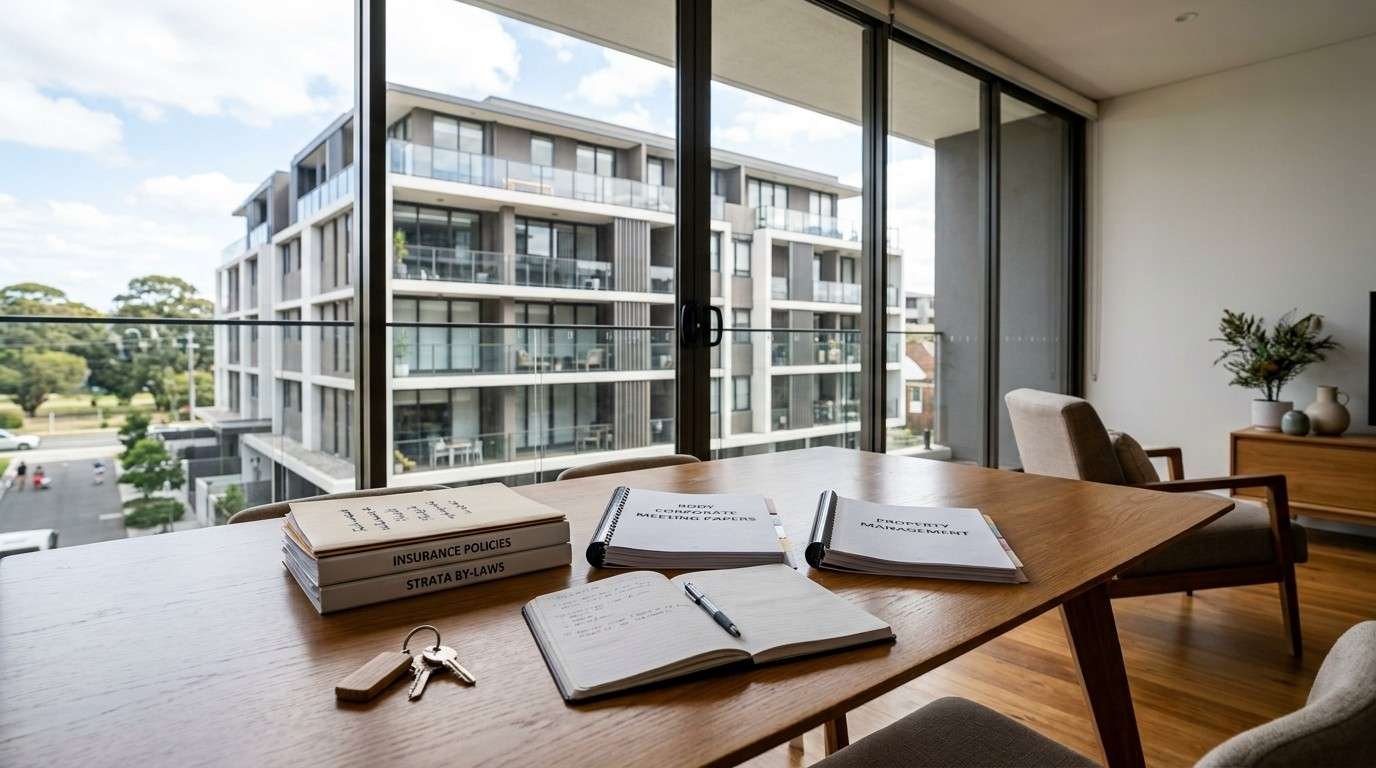
This is where the NSW framework gets genuinely complex. Under the Strata Schemes Management Act 2015, an owners corporation can pass a by-law banning short-term rental accommodation in the building but only for lots that are not the owner’s principal place of residence.
That distinction matters. If you live in your apartment and rent out a spare room, the owners corporation cannot ban you. If you own an investment unit and rent the whole property on Airbnb, a valid by-law can prohibit that entirely. The by-law requires a 75% vote at a general meeting to pass.
Tax Obligations for NSW Short-Term Rental Hosts
Short-term rental income is assessable income in Australia. The Australian Taxation Office treats STRA income the same way it treats any other rental income it must be declared, and expenses must be apportioned correctly.
Getting the tax treatment wrong is a common issue for first-time hosts, particularly around capital gains tax and the main residence exemption.
What the ATO Expects from STRA Income
All income received from short-term rental bookings must be declared in your annual tax return. You can claim deductions for expenses directly related to the rental activity cleaning, platform fees, insurance, and a proportion of utilities and interest if the property is also used privately.
The main residence exemption for capital gains tax is affected when you rent out your home. According to the ATO, the portion of time and floor space used for income-producing purposes reduces your CGT exemption proportionally. This is a significant consideration for homeowners who rent out their primary residence during holidays or extended absences.
GST does not apply to residential rental income, including STRA, unless your annual turnover from all sources exceeds $75,000.
Conclusion
NSW short-term rental rules cover registration, day-limits, fire safety, strata rights, council controls, and tax and every one of these areas carries real compliance risk for hosts who are not across the detail.
Understanding the framework before you list protects your investment, your insurance coverage, and your standing with the owners corporation and local council.
At Sydney Home Renovation, we work with property investors and homeowners who want their properties performing at their best whether that means a renovation that meets STRA fire safety standards or a fit-out that maximises short-term rental appeal and long-term value.
Frequently Asked Questions
Do I need council approval to list my property on Airbnb in NSW?
Not always. Properties that meet the NSW STRA exempt development conditions registered, fire-safe, and within the applicable day-limit do not need council approval. Properties that fall outside those conditions require development consent before operating.
What is the 180-day rule for short-term rentals in NSW?
The 180-day rule caps non-hosted short-term rental properties in Greater Sydney at 180 days of bookings per calendar year. Hosted properties, where the owner is present during the stay, have no day-limit cap under the state framework.
Can a strata building ban short-term rentals in NSW?
Yes. An owners corporation can pass a by-law banning STRA for investment properties in the building. The by-law requires a 75% vote to pass and applies only to lots that are not the owner’s principal place of residence.
Do I need to register my property for short-term rental in NSW?
Yes. Every NSW short-term rental host must register their property on the NSW STRA Register through Service NSW before listing on any booking platform. Registration must be renewed annually, and the registration number must appear on all listings.
What fire safety equipment is required for STRA in NSW?
NSW STRA properties must have interconnected smoke alarms compliant with AS 3786-2014 in every bedroom, hallway, and on every level. A portable fire extinguisher, a kitchen fire blanket, and a displayed evacuation diagram are also mandatory for all STRA properties.
Is short-term rental income taxable in NSW?
Yes. The ATO treats short-term rental income as assessable income that must be declared in your annual tax return. Deductions are available for rental-related expenses, but the main residence CGT exemption is reduced proportionally for any period the property is used for income-producing purposes.


