
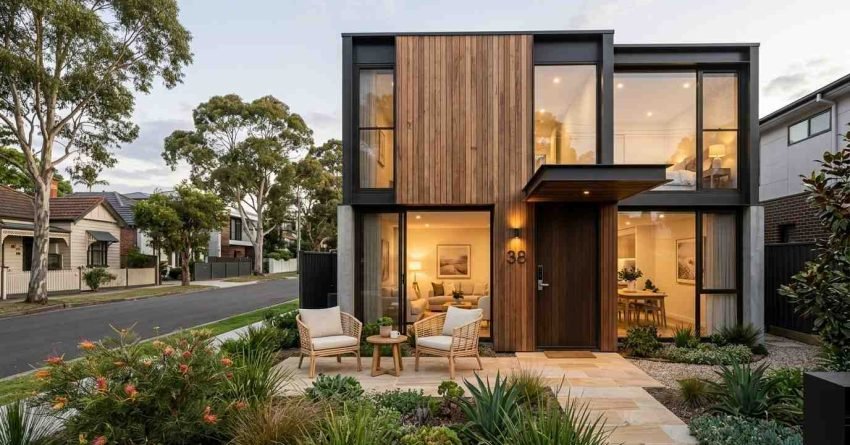
NSW short-term rental laws require every host to register on the NSW STRA Register, comply with a mandatory Code of Conduct, and observe night-cap limits that vary by council and non-compliance carries fines of up to $1,100 per breach. Getting this right before your first guest checks in is not optional. It is the foundation of a profitable, legally protected short-term rental business.
The regulatory landscape has tightened significantly since 2021, and Sydney councils are actively enforcing rules that many hosts still don’t know exist.
This guide covers everything: the legal framework, registration steps, compliance obligations, renovation priorities, bathroom budgeting, planning approvals, insurance, and tax so you can host with confidence.
What Is a Short-Term Rental Under NSW Law?
Before anything else, you need to know exactly what the law is regulating. The definition matters because it determines whether your property is subject to the full STRA framework and most hosts are surprised by how broadly it applies.
How NSW Defines Short-Term Rental Accommodation
Under the NSW Government’s STRA planning framework, a short-term rental accommodation (STRA) is any dwelling rented out for a fee for a period of fewer than 90 consecutive days. This includes entire homes, apartments, granny flats, and individual rooms listed on platforms like Airbnb, Stayz, or Booking.com.
The 90-day threshold is the key number. Anything under it triggers the STRA rules. Anything at or above it falls under standard residential tenancy law instead.
The definition applies regardless of how often you list, how many guests you host, or whether you consider it a “casual” arrangement. If money changes hands and the stay is under 90 days, you are operating an STRA.
The Difference Between Hosted and Unhosted STRAs
NSW law draws a clear line between two types of STRA operations, and the distinction directly affects how many nights you can legally rent.
A hosted STRA is one where the host lives on the property during the guest’s stay. An unhosted STRA is one where the host is absent the guest has the property to themselves. Unhosted arrangements face stricter night-cap limits in most council areas, particularly in Greater Sydney.
This distinction is not just administrative. It shapes your entire operating model, your renovation priorities, and your compliance obligations from day one.
The NSW Short-Term Rental Regulatory Framework Explained
NSW introduced its STRA regulatory framework in stages between 2021 and 2022, creating a three-part system: a state-level planning policy, a mandatory register, and a Code of Conduct. All three apply simultaneously.
The STRA Policy and Planning Instruments
The State Environmental Planning Policy (Housing) 2021 is the primary instrument governing STRA in NSW. It sets the baseline rules that apply across the entire state, including the definition of STRA, the night-cap framework, and the requirement for all hosts to register.
Local councils can apply to vary the default night-cap limits within their areas, and many have. The state policy sets the ceiling; councils set the floor. Understanding which rules apply to your specific address requires checking both.
The policy also classifies STRA as a permissible land use in most residential zones but permissible does not mean unrestricted. Compliance with the register and Code of Conduct is mandatory regardless of zoning.
The NSW STRA Register: What It Is and Why It Matters
The NSW STRA Register is a centralised database administered by NSW Fair Trading. Every host and every platform listing an STRA property in NSW must be registered. There are no exemptions based on property type, frequency of rental, or platform used.
Registration costs $65 per property per year as of 2025. It is renewed annually. The register is publicly searchable, which means guests, councils, and enforcement officers can verify your compliance status at any time.
Platforms like Airbnb are required by law to only list properties that appear on the register. An unregistered listing can be removed by the platform and reported to Fair Trading.
The Mandatory Code of Conduct for STR Hosts
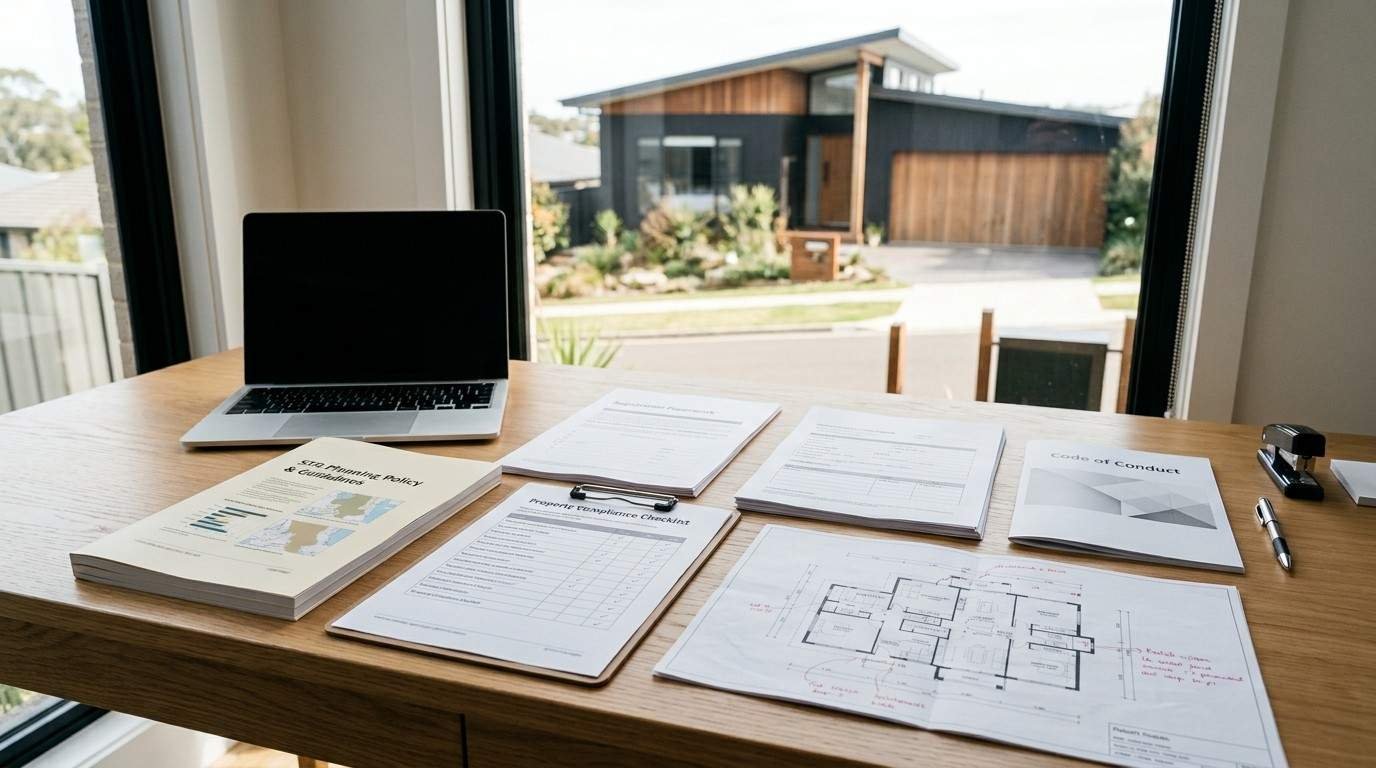
The NSW STRA Code of Conduct sets out the behavioural and operational standards that all hosts, guests, and platforms must follow. It covers noise, parties, guest behaviour, neighbour complaints, and the consequences of repeated breaches.
The Code operates a two-strikes system for hosts. Two serious breaches within two years results in a two-year ban from operating any STRA in NSW. The exclusion register is permanent and publicly accessible.
This is not a soft guideline. It is enforceable law with real consequences for hosts who ignore it.
What Are the Rules for Short-Term Rentals in NSW?
The rules for short-term rentals in NSW cover four main areas: how many nights you can rent, fire safety obligations, how you manage your neighbours, and what your strata scheme allows. Each one carries its own compliance requirements.
Night Cap Limits: How Many Days Can You Rent?
The default night-cap under NSW state policy is 365 days per year for hosted STRAs effectively no restriction. For unhosted STRAs in the Greater Sydney area, the default cap is 180 nights per year.
Individual councils can apply to reduce the unhosted cap further. The NSW Department of Planning publishes the current approved variations. Some councils in high-demand coastal and urban areas have successfully reduced the cap to as low as 90 nights per year for unhosted properties.
Exceeding your applicable night cap is a breach of the planning policy. It can trigger enforcement action from your local council, not just Fair Trading.
Fire Safety and Evacuation Requirements
Every STRA property in NSW must meet specific fire safety standards before hosting a single guest. These are not optional upgrades they are legal prerequisites.
The NSW Government’s STRA fire safety requirements mandate interconnected smoke alarms on every level of the dwelling, a clearly displayed evacuation diagram, and a fire extinguisher and fire blanket in the kitchen. Properties in bushfire-prone areas face additional requirements under the Rural Fires Act.
Hosts are responsible for ensuring these items are in place and functional before each guest stay. Failure to comply is a breach of the Code of Conduct and can expose you to significant liability if an incident occurs.
Neighbour and Community Obligations
The Code of Conduct places direct obligations on hosts to manage the impact of their guests on neighbours and the broader community. This includes ensuring guests do not create excessive noise, do not hold parties or functions without approval, and do not use the property in ways that disturb the neighbourhood.
Hosts are required to provide guests with a copy of the house rules and the relevant sections of the Code of Conduct before check-in. You are also required to display your STRA registration number on all listings and at the property.
Neighbour complaints are taken seriously under the two-strikes system. A single substantiated complaint can count as one strike.
Strata and Community Title Restrictions
If your property is in a strata scheme, the rules get more complex. Under the Strata Schemes Management Act 2015, owners corporations can pass a by-law to prohibit unhosted STRA on lots within the scheme. This by-law requires a 75% vote at a general meeting to pass.
Hosted STRA cannot be banned by a strata by-law that protection is written into state law. But unhosted STRA is fully within the owners corporation’s power to restrict or prohibit.
Before listing an apartment or townhouse, check your strata by-laws carefully. Operating an unhosted STRA in a scheme that has passed a prohibition by-law is a breach of both strata law and the STRA Code of Conduct.
Registration, Compliance, and Penalties
Understanding the rules is one thing. Knowing how to register, what compliance looks like in practice, and what happens when things go wrong is what separates hosts who operate confidently from those who get caught out.
How to Register on the NSW STRA Register
Registration is completed through the NSW Planning Portal. The process requires your property address, a description of the STRA type (hosted or unhosted), your contact details, and payment of the $65 annual fee.
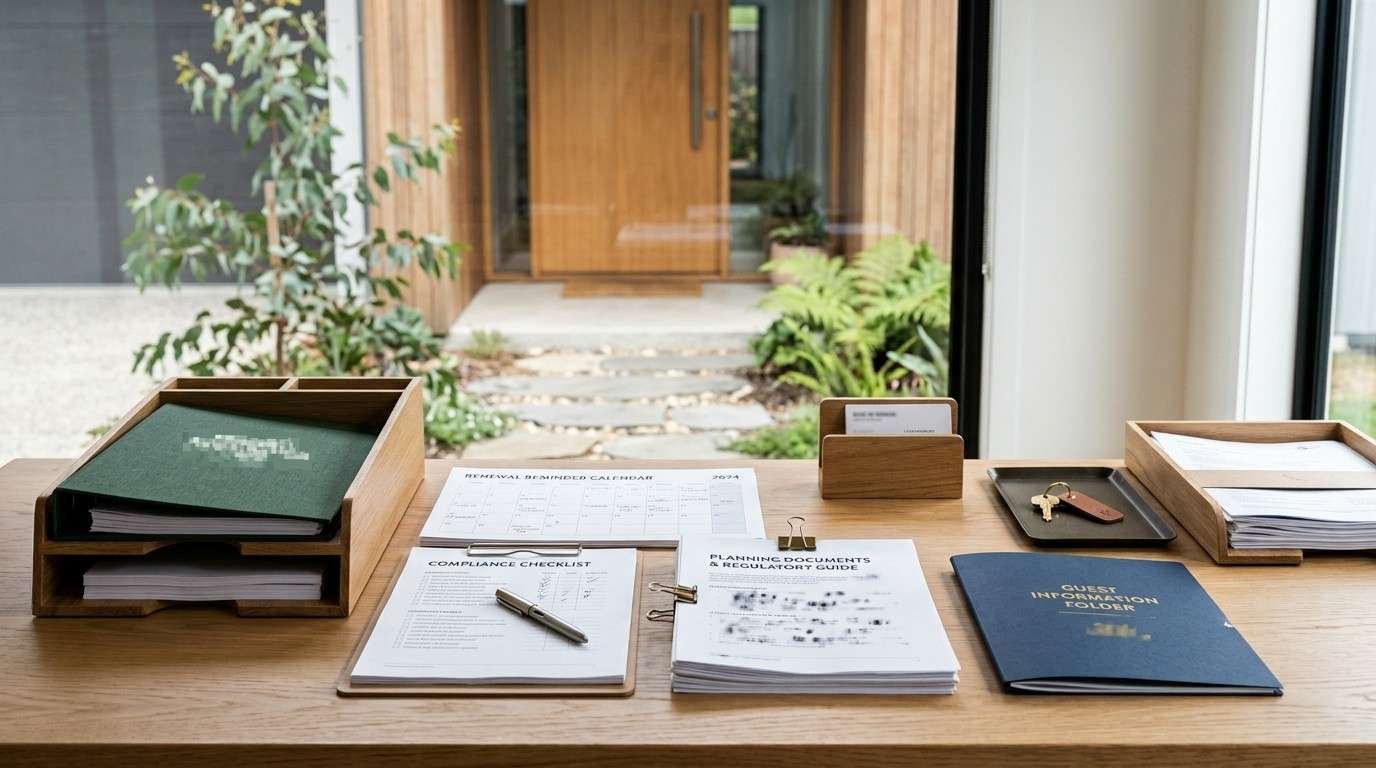
Once registered, you receive a unique registration number. This number must appear on every listing across every platform. It must also be displayed at the property typically on a notice near the front door or in the guest information folder.
Registration is per property, not per host. If you operate multiple STRAs, each one requires its own registration and annual renewal.
What Happens If You Don’t Comply
Non-compliance with the NSW STRA framework carries real financial and operational consequences. NSW Fair Trading can issue penalty notices of up to $1,100 per breach for individuals and up to $2,200 per breach for corporations.
Beyond fines, the two-strikes system under the Code of Conduct can result in a two-year ban from operating any STRA in NSW. The exclusion register is permanent and publicly searchable meaning future guests and platforms can see your history.
Councils also have their own enforcement powers under the Environmental Planning and Assessment Act. Exceeding night-cap limits or operating without development consent where it is required can result in stop-work orders and orders to cease use.
Council-Level Rules That Override State Defaults
State law sets the framework, but councils have significant power to vary it within their boundaries. Several Sydney councils have applied for and received approval to reduce the unhosted night-cap below the state default of 180 nights.
Always check with your specific local council before listing. The NSW Planning Portal provides council-level information, but a direct call to your council’s planning department is the most reliable way to confirm the current rules for your address.
Some councils also require a separate development consent for STRA operations in certain zones or property types. This is separate from the STRA Register and applies on top of it.
Renovation for Airbnb and Short-Term Rental in NSW
Once your compliance obligations are in order, renovation becomes the most powerful lever you have for increasing occupancy, improving reviews, and commanding higher nightly rates. But renovating for short-term rental is a fundamentally different exercise from renovating for owner-occupation or long-term tenancy.
Why Renovation Strategy Differs for STR Properties
A long-term tenant lives in a property for years and treats it as their home. A short-term guest stays for days and judges it against every hotel and Airbnb they have ever visited. The bar is different, the wear patterns are different, and the return on investment calculation is completely different.
For STR properties, renovation decisions need to be driven by three questions: Does this upgrade increase the nightly rate? Does it reduce maintenance costs over time? Does it improve the guest experience enough to generate five-star reviews?
Every dollar spent on an STR renovation should be traceable to one of those three outcomes. Spending on upgrades that guests never notice or that deteriorate quickly under high-turnover use is money that does not come back.
What Guests Actually Expect (and What Earns Reviews)
Airbnb’s own research consistently shows that cleanliness, accurate listing photos, and functional amenities drive the highest-rated stays. Guests are not expecting a luxury hotel they are expecting exactly what the photos showed, in perfect working order.
The bathroom is one of the most photographed and most reviewed spaces in any short-term rental. A dated, poorly maintained bathroom is one of the fastest ways to lose a five-star review. A clean, well-lit, properly renovated bathroom is one of the fastest ways to earn one.
Kitchen functionality, comfortable beds, reliable Wi-Fi, and air conditioning round out the top guest priorities. These are not aspirational upgrades they are baseline expectations in the Sydney STR market.
High-ROI Renovation Priorities for STR Hosts
The renovations that deliver the strongest return in the Sydney STR market are the ones that photograph well, hold up under heavy use, and reduce ongoing maintenance. In order of priority: bathroom renovation, kitchen refresh, flooring replacement, and lighting upgrades.
Cosmetic upgrades fresh paint, new hardware, updated soft furnishings deliver outsized visual impact for relatively low cost. These are the first things to address in any STR renovation because they directly affect listing photos and first impressions.
Structural or mechanical upgrades plumbing, electrical, waterproofing are non-negotiable when needed, but they do not directly drive nightly rate increases. They protect your asset and prevent costly emergency repairs during a guest stay.
Bathroom Renovation for Short-Term Rentals: Where to Spend
The bathroom is the single highest-impact renovation in any short-term rental property. It is the space guests use multiple times a day, the space they photograph most often, and the space most likely to generate a negative review if it falls short.
Durability vs. Aesthetics: The STR Renovation Balance
The biggest mistake STR hosts make in bathroom renovation is choosing finishes based purely on aesthetics without considering durability. What looks stunning in a showroom can look tired and damaged after six months of high-turnover guest use.
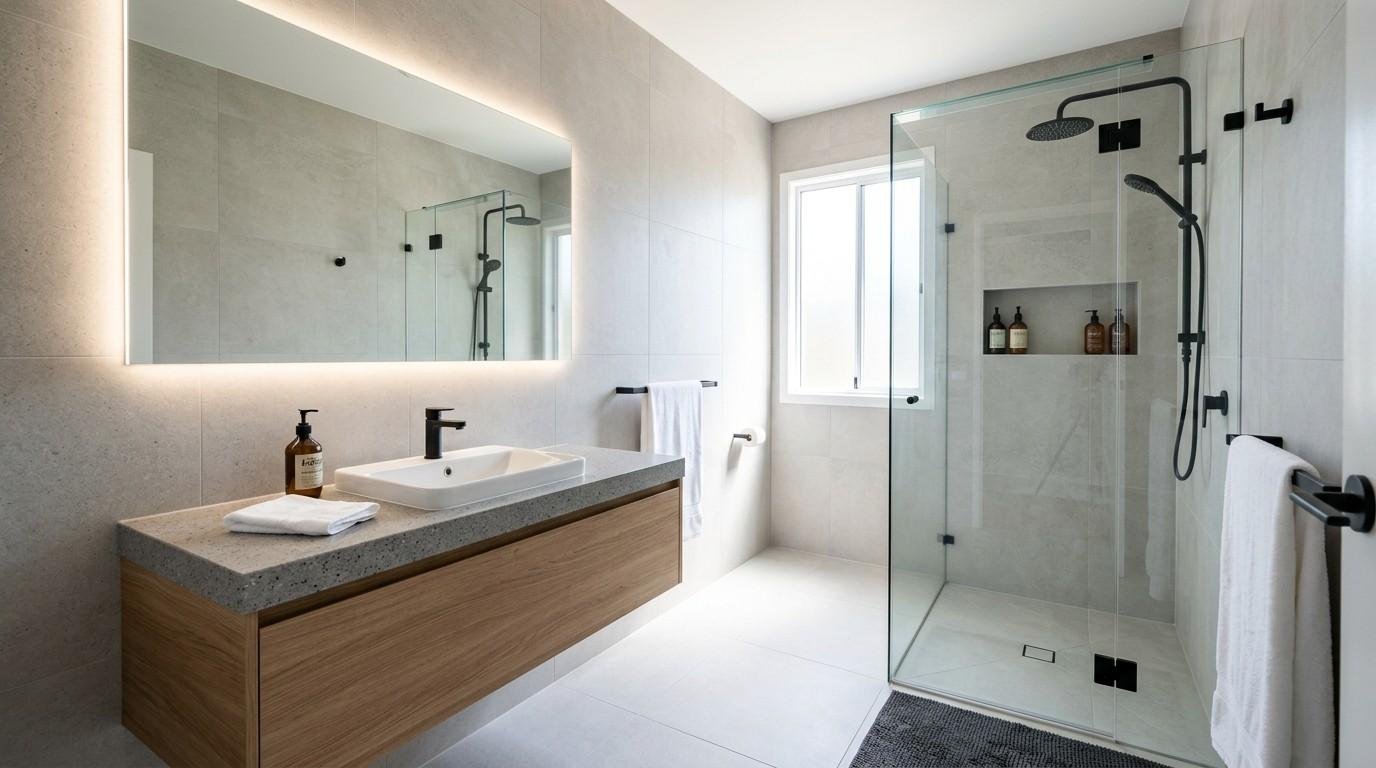
For STR bathrooms, the right approach is to choose finishes that are both visually appealing and genuinely hard-wearing. Large-format porcelain tiles, wall-hung vanities, frameless shower screens, and matte tapware all photograph beautifully and hold up well under regular use. Grout lines should be kept minimal and sealed properly they are the first thing to show wear and the hardest to restore.
The goal is a bathroom that looks as good in month eighteen as it did on day one of listing.
Fixtures, Finishes, and Fittings That Hold Up to Guests
Tapware and showerheads take more punishment in an STR than in any owner-occupied home. Guests are not always careful, and cheap fittings fail quickly. Investing in mid-range to quality tapware from brands with accessible replacement parts is a practical decision that saves money over time.
Vanity tops should be stone or engineered stone they resist staining, scratching, and the kind of cosmetic damage that shows up in photos. Avoid timber or laminate in wet areas of STR bathrooms. The moisture exposure from back-to-back guest stays accelerates deterioration significantly.
Lighting deserves more attention than most hosts give it. Bright, warm, even lighting makes the bathroom photograph well and makes guests feel comfortable. A single overhead downlight is not enough. Vanity lighting at face height, combined with a well-placed downlight, transforms both the function and the photography of the space.
Budgeting Your STR Renovation in Sydney
Renovation budgeting for STR properties in Sydney requires a different mindset from standard residential renovation. The question is not just “what will this cost?” it is “what will this return?”
Typical Renovation Cost Ranges for Sydney STR Properties
A full bathroom renovation in Sydney typically ranges from $15,000 to $35,000 depending on the size of the space, the quality of finishes selected, and the extent of any structural or waterproofing work required. A cosmetic refresh new vanity, tapware, tiles over existing tiles, and lighting can be completed for $8,000 to $15,000 in many cases.
Kitchen renovations for STR properties range from $12,000 for a functional refresh to $40,000 or more for a full structural remodel. For most STR hosts, a mid-range kitchen refresh new benchtops, splashback, appliances, and hardware delivers the best return without the cost and disruption of a full rebuild.
Flooring replacement across a standard two-bedroom Sydney apartment runs $4,000 to $10,000 for quality hybrid or engineered timber. This is one of the highest-impact, most cost-effective upgrades available for STR properties.
How to Prioritise Spend for Maximum Rental Return
The renovation spend hierarchy for Sydney STR properties follows a clear logic: fix what guests will notice first, then upgrade what drives nightly rate, then address what reduces ongoing maintenance costs.
Start with the bathroom. Then the kitchen. Then flooring. Then lighting. Then soft furnishings and styling. This sequence maximises the visual impact of every dollar spent and ensures the listing photos which drive bookings show the property at its best.
Avoid spending heavily on areas guests rarely notice or photograph: laundry rooms, storage spaces, and utility areas. These are maintenance priorities, not renovation priorities.
We work with STR hosts across Sydney to develop renovation plans that are directly tied to occupancy and rate targets. A well-planned renovation budget is not an expense it is an investment with a measurable return.
Planning Approvals and Development Consent for STR Renovations
Renovation work on an STR property in NSW is subject to the same planning and building approval requirements as any other residential renovation. The fact that the property is used for short-term rental does not change the approval pathway but it does add a layer of consideration around timing and compliance.
When You Need a DA for Renovation Work
A Development Application (DA) is required for renovation work that involves structural changes, changes to the building envelope, or work that exceeds the thresholds for complying or exempt development. This includes removing load-bearing walls, adding extensions, changing the roofline, or altering the external appearance of the building in ways not covered by exempt development provisions.
For most STR bathroom and kitchen renovations, a DA is not required the work falls within complying or exempt development. But if your renovation involves any structural element, always confirm with your local council before starting work.
Operating an STR in a property that has unapproved building work is a compounding compliance risk. It can affect your insurance, your ability to sell, and your standing under the STRA Code of Conduct.
Complying Development and Exempt Development Pathways
Exempt development covers minor internal renovation work that does not require any approval it simply needs to meet the relevant standards. Most cosmetic bathroom and kitchen renovations fall into this category.
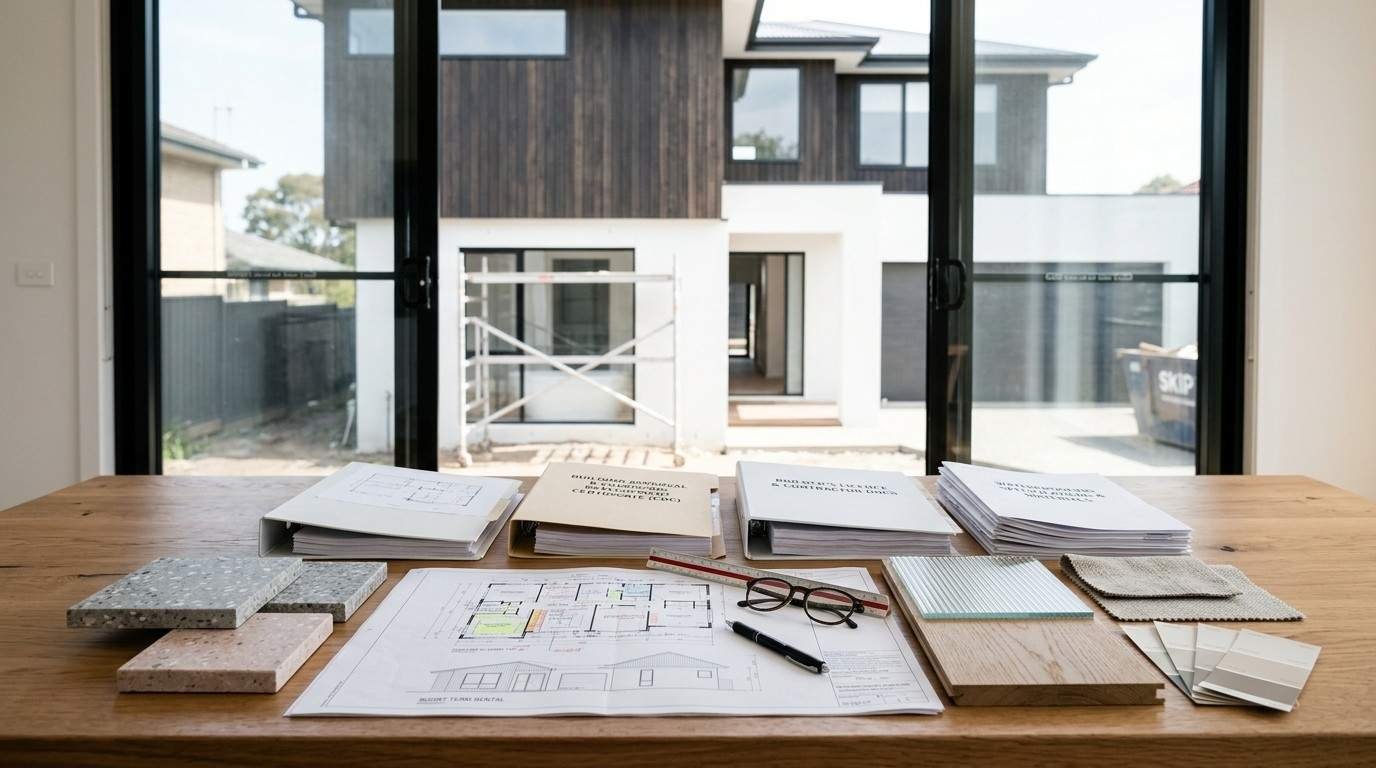
Complying development covers more substantial work that can be approved quickly through a private certifier rather than a full DA process. A complying development certificate (CDC) is typically faster and less expensive than a DA, and it is the right pathway for most STR renovation projects that involve new waterproofing, structural bathroom reconfiguration, or new wet area construction.
Always engage a licensed builder and, where required, a certifier. Unlicensed work in wet areas is a significant liability for STR hosts it affects waterproofing warranties, insurance claims, and your obligations under the Home Building Act 1989.
Insurance, Tax, and Financial Obligations for NSW STR Hosts
Compliance with the STRA framework is only part of the financial picture. Insurance and tax obligations sit alongside the regulatory requirements and carry their own serious consequences if ignored.
STR-Specific Insurance Requirements
Standard home and contents insurance does not cover short-term rental activity. Most policies explicitly exclude commercial use of a residential property, and hosting guests for a fee is classified as commercial use by most insurers.
STR hosts in NSW need a policy that specifically covers short-term rental activity. Several Australian insurers now offer dedicated STR products, and platforms like Airbnb provide their own host protection programs but these platform programs are not a substitute for standalone insurance. They have significant exclusions and coverage gaps that a dedicated policy addresses.
The Insurance Council of Australia recommends that STR hosts review their policy annually and disclose their hosting activity to their insurer in writing. Failure to disclose can void a claim entirely.
Tax Implications of Running an Airbnb in NSW
STR income is assessable income under Australian tax law. The Australian Taxation Office requires hosts to declare all rental income in their annual tax return, including income from platforms like Airbnb and Stayz.
Hosts can claim deductions for expenses directly related to the rental activity including mortgage interest (apportioned), council rates, insurance, cleaning, repairs, and depreciation on renovations and fittings. The apportionment rules are specific: you can only claim the proportion of expenses that relate to the period the property was genuinely available for rent.
GST does not apply to residential rental income, including STR income, unless your total turnover from all activities exceeds the $75,000 GST registration threshold. Most individual hosts do not reach this threshold, but it is worth confirming with a registered tax agent.
How to Stay Compliant as NSW STR Laws Continue to Evolve
NSW short-term rental law is not static. The framework introduced in 2021 has already been reviewed and amended, and further changes are expected as the state government responds to housing supply pressures and community concerns about the impact of STR on residential neighbourhoods.
Monitoring Regulatory Changes
The most reliable sources for current NSW STRA rules are the NSW Department of Planning and NSW Fair Trading. Both publish updates when the framework changes, and both maintain current versions of the relevant legislation and guidelines.
Subscribing to updates from your local council’s planning department is also worthwhile. Council-level variations to night-cap limits and zoning rules can change independently of state-level amendments, and the council is the enforcement authority for most day-to-day compliance matters.
Industry bodies like the Short Term Rental Industry Association (STRIA) provide member updates on regulatory changes and advocacy on behalf of hosts. Membership is worth considering for hosts operating multiple properties or managing STR as a primary income source.
Working With Professionals to Stay Ahead
The most effective way to stay compliant as the rules evolve is to work with professionals who track the regulatory environment as part of their practice. This includes a property lawyer or conveyancer familiar with STRA law, a tax agent who understands STR income and deductions, and a licensed builder who understands the planning and building approval requirements for renovation work.
At Sydney Home Renovation, we work with STR hosts and property investors across Sydney to plan and deliver renovations that are compliant, cost-effective, and built for the demands of short-term rental use. We understand the intersection of building compliance, renovation ROI, and the practical realities of hosting and we bring that understanding to every project we take on.
Getting the renovation right from the start means fewer problems, lower ongoing costs, and a property that performs at its best for years.
Conclusion
NSW short-term rental law is a layered framework state planning policy, the STRA Register, the Code of Conduct, and council-level variations all apply simultaneously, and renovation compliance sits on top of all of it.
Hosts who understand the rules, register correctly, and invest strategically in their properties are the ones who build sustainable, high-performing STR businesses in Sydney’s competitive market.
We help STR hosts and property investors renovate with confidence combining regulatory awareness, honest cost planning, and quality workmanship to deliver properties that are compliant, guest-ready, and built for long-term return. Reach out to Sydney Home Renovation to start planning your STR renovation today.
Frequently Asked Questions
Do I need to register my Airbnb property in NSW?
Yes. Every short-term rental property in NSW must be registered on the NSW STRA Register through the NSW Planning Portal. Registration costs $65 per property per year and must be renewed annually. Your registration number must appear on all listings.
How many nights can I rent my property on Airbnb in NSW?
For hosted STRAs, there is no night-cap under state law you can rent up to 365 nights per year. For unhosted STRAs in Greater Sydney, the default cap is 180 nights per year. Some councils have reduced this further, so always check your local council’s specific rules.
Can a strata scheme ban Airbnb in NSW?
A strata owners corporation can pass a by-law to prohibit unhosted short-term rental on lots within the scheme, but it requires a 75% vote at a general meeting. Hosted STRA where the owner lives on the property during the guest’s stay cannot be banned by a strata by-law under NSW law.
What fire safety equipment is required for an Airbnb in NSW?
NSW requires interconnected smoke alarms on every level of the dwelling, a clearly displayed evacuation diagram, and a fire extinguisher and fire blanket in the kitchen. Properties in bushfire-prone areas face additional requirements. These must be in place and functional before hosting any guest.
What happens if I breach the NSW STRA Code of Conduct?
NSW Fair Trading can issue penalty notices of up to $1,100 per breach for individuals. The Code of Conduct also operates a two-strikes system two serious breaches within two years results in a two-year ban from operating any STRA in NSW. The exclusion register is permanent and publicly searchable.
Do I need council approval to renovate my Airbnb property?
Most cosmetic bathroom and kitchen renovations fall under exempt or complying development and do not require a DA. Structural changes, extensions, or alterations to the building envelope typically require either a complying development certificate or a full development application. Always confirm with your local council before starting work.
Is Airbnb income taxable in NSW?
Yes. All short-term rental income is assessable income under Australian tax law and must be declared in your annual tax return. You can claim deductions for expenses directly related to the rental activity, apportioned for the period the property was genuinely available for rent. GST does not apply unless your total turnover exceeds $75,000.
Does standard home insurance cover short-term rental in NSW?
No. Standard home and contents insurance typically excludes commercial use, and hosting paying guests is classified as commercial use by most insurers. STR hosts need a policy that specifically covers short-term rental activity. Platform host protection programs like Airbnb’s AirCover are not a substitute for standalone insurance.
How much does it cost to renovate a bathroom for Airbnb in Sydney?
A full bathroom renovation in Sydney typically costs between $15,000 and $35,000 depending on size, finishes, and the extent of structural or waterproofing work. A cosmetic refresh new vanity, tapware, tiles, and lighting can be completed for $8,000 to $15,000 in many cases.
What renovations give the best return for a Sydney short-term rental?
The highest-ROI renovations for Sydney STR properties are bathroom renovation, kitchen refresh, flooring replacement, and lighting upgrades in that order. Cosmetic upgrades like fresh paint, new hardware, and updated soft furnishings also deliver strong visual impact for relatively low cost and directly improve listing photos and guest reviews.


