
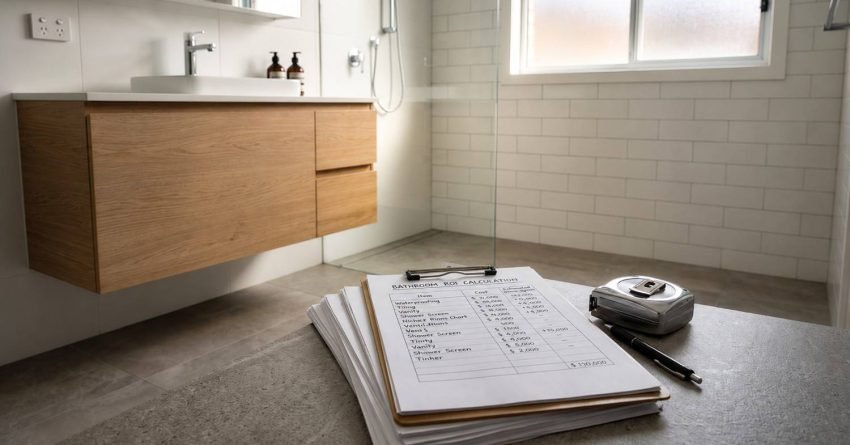
A bathroom renovation in Sydney typically returns between 50% and 70% of its cost in direct resale value, but the full picture is more nuanced than a single percentage. The return depends on what you spend, what you upgrade, and whether you’re renovating to sell or to stay.
Renovation budgets blow out, resale expectations miss the mark, and investors over-capitalise on finishes that buyers never notice. Getting the numbers right before you start is the difference between a renovation that pays and one that costs.
In this guide, we cover real Sydney cost benchmarks, the upgrades that deliver the strongest return, and the hidden costs that quietly eat into your ROI.
What Does Bathroom Renovation ROI Actually Mean?
Bathroom renovation ROI measures the financial return you get relative to what you spend. It is not a fixed number. It shifts based on your property type, your suburb, the condition of the existing bathroom, and what the renovation actually delivers.
There are two types of return worth understanding. The first is resale ROI: the increase in your property’s market value relative to renovation cost. The second is lifestyle ROI: the ongoing value of living in a better-functioning, better-looking space. Both are real. Neither should be ignored.
For most Sydney homeowners, a well-executed bathroom renovation delivers a combination of both. The mistake is treating them as interchangeable when making budget decisions.
Average Bathroom Renovation Costs in Sydney
Bathroom renovation costs in Sydney range from around $12,000 for a basic refresh to well over $35,000 for a full premium fit-out. The spread is wide because the variables are significant: bathroom size, existing plumbing layout, tile selection, fixture quality, and labour complexity all move the number.
Understanding where your project sits within that range is the first step toward calculating a realistic return. Spending $35,000 on a bathroom in a $700,000 property produces a very different ROI outcome than spending the same amount on a $1.8 million home.
Budget, Mid-Range, and Premium: What Each Tier Delivers
A budget renovation ($12,000–$18,000) covers a like-for-like replacement of fixtures, a retile of the floor and walls, a new vanity, and updated tapware. It refreshes the space without reconfiguring the layout or upgrading the plumbing stack. This tier suits investment properties and pre-sale refreshes where the goal is presentation, not transformation.
A mid-range renovation ($18,000–$28,000) allows for layout changes, quality fittings, a freestanding or semi-frameless shower screen, and better tile selections. This is the most common tier for owner-occupiers in Sydney and typically delivers the strongest balance of cost versus value-add.
A premium renovation ($28,000–$45,000+) includes full layout reconfiguration, floor-to-ceiling large-format tiles, heated floors, custom joinery, and high-specification fixtures. The finish is exceptional. The ROI calculation, however, requires careful attention to the property’s ceiling value in its suburb.
How Much Value Does a Bathroom Renovation Add to Your Home?
A renovated bathroom adds measurable value to a Sydney property, but the quantum depends heavily on the property’s existing condition and local market expectations. According to the Australian Housing and Urban Research Institute, bathroom and kitchen upgrades consistently rank among the top value-adding renovations for residential properties in Australian capital cities.
In practical terms, a well-executed mid-range bathroom renovation in Sydney can add $15,000 to $25,000 in perceived market value on a property priced between $900,000 and $1.5 million. On higher-value properties, the uplift can be greater, but it rarely exceeds the renovation cost dollar-for-dollar.
The strongest value-add scenarios share a common thread. The bathroom being renovated was genuinely outdated, the renovation brought it in line with suburb expectations, and the finish was clean and neutral rather than highly personalised. Buyers pay for quality they can see and functionality they can use.
Which Upgrades Deliver the Best Return?
Not every dollar spent on a bathroom renovation returns equally. Some upgrades are visible, functional, and immediately valued by buyers and tenants. Others are personal preferences that cost significantly more than they return.
Knowing the difference before you finalise your scope is one of the most practical things you can do for your renovation ROI.
High-ROI Upgrades Worth Prioritising
Waterproofing and substrate work is the single most important investment in any bathroom renovation. It is invisible once complete, but its absence causes catastrophic damage. Buyers and building inspectors look for it. Getting it right protects the entire renovation investment.
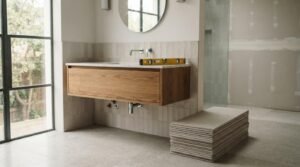
Vanity replacement delivers strong visual impact at a relatively controlled cost. A quality wall-hung vanity with an undermount basin transforms the feel of a bathroom immediately. It is one of the first things a buyer or tenant notices.
Rectified floor and wall tiling in a neutral, large-format tile reads as premium without requiring a premium budget. The grout lines are tighter, the finish is cleaner, and the space feels larger. This upgrade consistently earns its cost back.
Shower screen replacement, particularly moving from a framed screen to a semi-frameless or frameless option, modernises the space significantly. It is a mid-range cost with a high-visibility return.
Low-ROI Upgrades to Approach with Caution
Heated towel rails and underfloor heating are comfort upgrades that buyers appreciate but rarely pay a premium for. They add cost without reliably adding equivalent value in most Sydney price brackets.
Designer tapware and imported fixtures at the top end of the market add cost that most buyers cannot distinguish from mid-range alternatives. The visual difference between $400 tapware and $1,200 tapware is minimal to most people walking through an open home.
Bespoke joinery and custom storage suits owner-occupiers who will use and appreciate it daily. For investment properties or pre-sale renovations, the cost rarely returns in full.
Owner-Occupier vs Property Investor: Does ROI Differ?
The ROI calculation looks different depending on why you are renovating. For owner-occupiers, the return includes both financial value and the daily quality-of-life improvement of using a better bathroom. That lifestyle component is real value; it just does not show up on a valuation report.
For property investors and landlords, the ROI calculation is more direct. A renovated bathroom in a Sydney rental property supports higher weekly rent and reduces vacancy periods. According to Domain’s rental market data, updated bathrooms and kitchens are among the most cited factors in tenant decision-making for Sydney rental properties.
The key distinction for investors is avoiding over-capitalisation. Spending $35,000 on a bathroom in a property that rents for $650 per week produces a very different yield outcome than spending $16,000 on a clean, functional refresh that achieves the same rental result.
Hidden Costs That Erode Your Renovation ROI
The quoted price for a bathroom renovation rarely tells the full story. Hidden costs are not unusual; they are a predictable part of renovation work, particularly in older Sydney homes where what is behind the walls is unknown until demolition begins.
Waterproofing rectification is one of the most common cost additions. When existing waterproofing is found to be non-compliant or failed, it must be replaced in full before any new work proceeds. This is non-negotiable under Australian building standards and adds cost that was not in the original quote.
Plumbing and drainage reconfiguration adds high cost when a layout change requires moving the waste point or relocating the shower. Even small moves can require council notification and licensed plumber involvement beyond standard scope.
Asbestos removal in pre-1990 Sydney homes is a real and regulated cost. If asbestos-containing materials are found in the existing bathroom substrate or wall sheeting, licensed removal is required before renovation work continues. This cost is not optional and is not small.
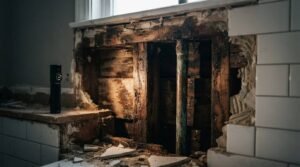
Structural issues rotten framing, water-damaged floor joists, or compromised wall studs are discovered during demolition and must be rectified before the renovation proceeds. Budgeting a contingency of 10–15% of your total renovation cost is standard practice for this reason.
How to Maximise Your Bathroom Renovation ROI
The single most effective thing you can do to protect your renovation ROI is plan the scope before you commit to a budget. Scope creep adding items mid-project is the most common cause of cost blowouts in bathroom renovations.
Work with a contractor who provides a detailed, itemised quote before work begins. A transparent quote separates labour, materials, fixtures, and compliance costs. It gives you a clear picture of where the money goes and where you have flexibility to adjust.
Choose finishes that suit the property’s price bracket and the suburb’s buyer expectations. A neutral, well-executed mid-range finish outperforms an over-specified premium finish in most Sydney markets. Buyers pay for quality they can see, not for the brand name on the tapware.
Finally, use a licensed, insured contractor for all plumbing, waterproofing, and electrical work. Unlicensed work creates compliance issues that surface at sale or during building inspections, and the cost of rectification at that point far exceeds the original saving.
Frequently Asked Questions
Does a bathroom renovation add value to a house in Sydney?
Yes. A well-executed bathroom renovation adds measurable value to Sydney properties. Mid-range renovations typically return $15,000 to $25,000 in perceived market value on properties priced between $900,000 and $1.5 million.
What is a good ROI for a bathroom renovation?
A return of 50% to 70% of renovation cost in direct resale value is considered a strong outcome. Mid-range renovations in Sydney that align with suburb expectations consistently achieve this range.
How much should I spend on a bathroom renovation to maximise ROI?
Spend in proportion to your property’s value and suburb ceiling. A mid-range renovation of $18,000 to $28,000 delivers the strongest cost-to-value balance for most Sydney residential properties.
Is it worth renovating a bathroom before selling?
Yes, in most cases. An outdated bathroom reduces buyer confidence and negotiating power. A clean, functional renovation removes a common objection and supports a stronger sale price.
What bathroom renovations have the highest ROI?
Waterproofing, vanity replacement, rectified tiling, and shower screen upgrades consistently deliver the strongest return. These upgrades are visible, functional, and valued by both buyers and tenants.
How long does it take to recoup a bathroom renovation investment?
For owner-occupiers, recoupment occurs at sale, typically within the first property transaction after renovation. For investors, rental yield improvements can recoup a mid-range renovation cost within three to five years.
Does a second bathroom add more value than upgrading the main bathroom?
Adding a second bathroom to a property that currently has only one adds significant value, often more than upgrading an existing bathroom. In Sydney’s market, a second bathroom is a strong selling point for family buyers.
Conclusion
Bathroom renovation ROI in Sydney is real, measurable, and achievable, but only when the scope, spend, and finish align with the property’s value and the market’s expectations.
The strongest returns come from mid-range renovations that prioritise function, compliance, and clean neutral finishes over personalised luxury upgrades that buyers rarely pay a premium for.
At Sydney Home Renovation, we help homeowners and investors plan and deliver bathroom renovations that stay on budget and build genuine long-term value. Get in touch to start your project with a clear, itemised plan.


